filmbriefs
Actor · Voice actor · 1950

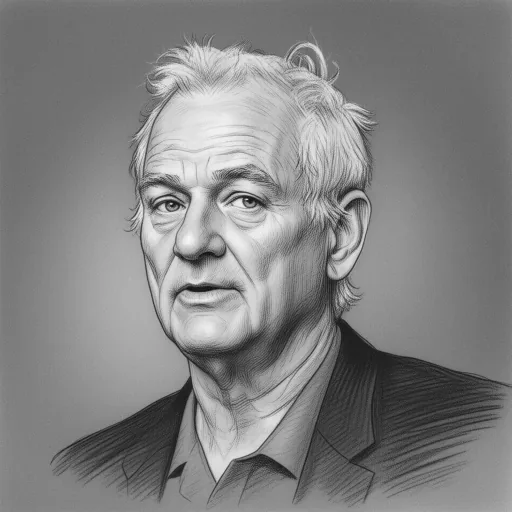
Bill Murray

11
briefs
13:00
average
143 min
in total
On film.briefs11
13:00

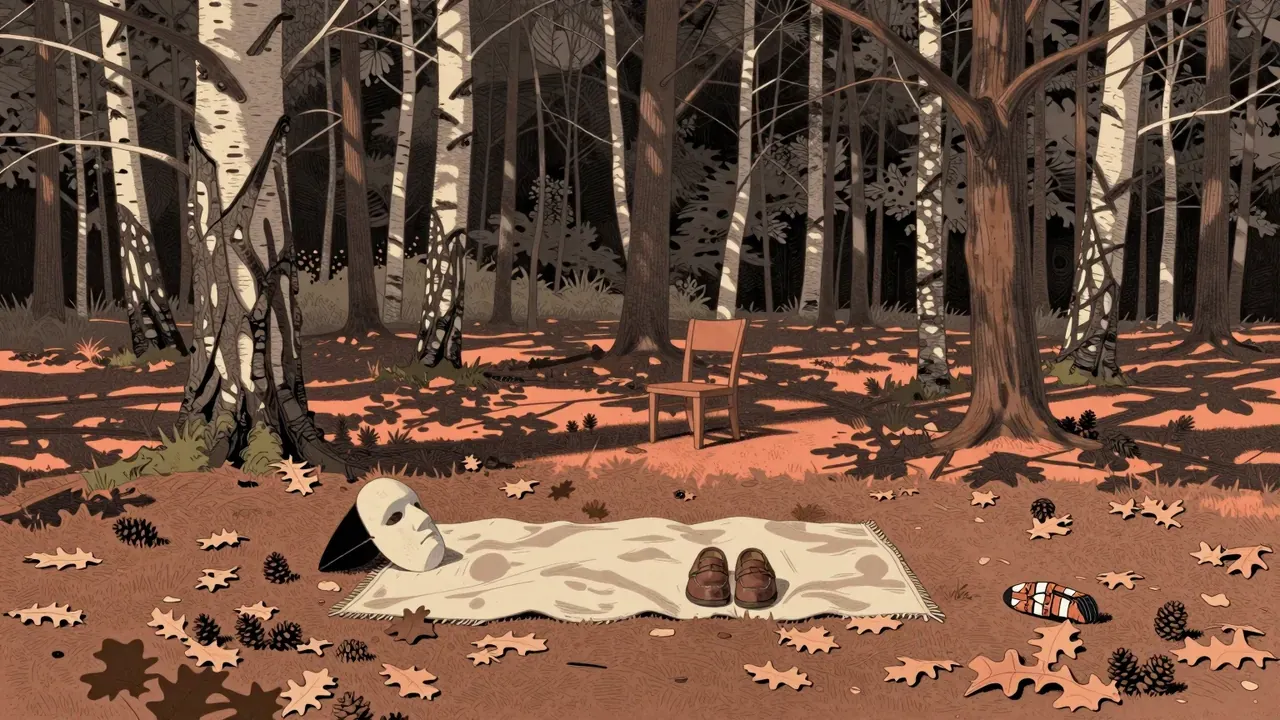
Moonrise Kingdom

Wes Anderson · 2012

Set on a fictional New England island in 1965, Moonrise Kingdom follows twelve-year-olds Sam and Suzy as they flee their respective constraints — a scout camp and a fractured home — to build a temporary life on an isolated beach. Adults mobilise in response: scouts, police, parents, social workers. Wes Anderson and Roman Coppola shape the story as a self-contained emotional system, where visual symmetry, period detail, and musical counterpoint replace conventional narrative drive. Robert Yeoman’s Super 16mm cinematography, Alexandre Desplat’s score, and performances by Jared Gilman, Kara Hayward, Edward Norton, Bill Murray, and Frances McDormand sustain a tone both tender and exacting.

13:00

Rushmore

Wes Anderson · 1998

A 1998 comedy-drama directed by Wes Anderson, Rushmore follows Max Fischer, a hyperactive scholarship student at a Houston prep school, and Herman Blume, a disillusioned industrialist, as they form an uneasy alliance over their shared affection for a teacher. Stylised and precise, it treats adolescence and middle age as parallel states of reinvention, anchored by Jason Schwartzman’s debut performance and Bill Murray’s career-redefining turn.

13:00

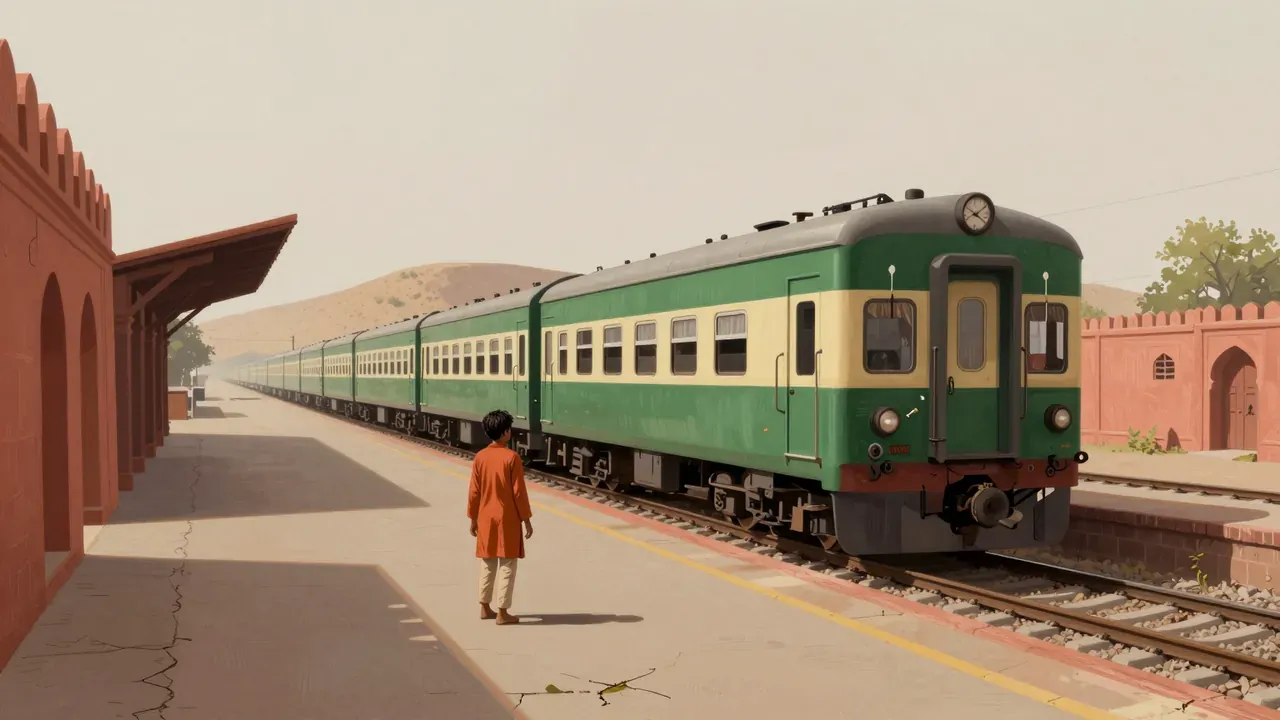
The Darjeeling Limited

Wes Anderson · 2007

Three estranged brothers travel across Rajasthan aboard a luxury train one year after their father’s death, attempting a spiritual journey that unravels into confrontation, failure, and quiet reconnection. Directed by Wes Anderson and shot by Robert Yeoman, the film employs symmetrical framing, a muted palette, and carefully curated music to explore inherited mourning, cultural distance, and the slow dissolution of control. It premiered at Venice in 2007, grossed $35.3m on a $17.5m budget, and received generally favourable reviews.

13:00

The French Dispatch

Wes Anderson · 2021

Wes Anderson’s 2021 anthology film presents the final issue of a fictional American newspaper’s Paris bureau as a series of formally exact, stylistically distinct journalistic features. Shot in 1.37:1 on 35 mm in Angoulême, it honours mid-century magazine aesthetics, French New Wave syntax, and the physical texture of print — treating journalism as craft, not just content.

13:00

The Life Aquatic with Steve Zissou

Wes Anderson · 2004

Wes Anderson’s 2004 film follows oceanographer Steve Zissou on a quixotic quest for revenge against a mythical shark. Stylised to the point of abstraction, it uses symmetry, deadpan delivery, and invented marine life to explore grief, paternal fantasy, and the erosion of authority. Though box-office unsuccessful and critically divided on release, it has since accrued a devoted following for its unwavering formal discipline and muted emotional resonance.

13:00

The Royal Tenenbaums

Wes Anderson · 2001

Wes Anderson’s 2001 black comedy-drama follows the Tenenbaum siblings — child prodigies now adrift — as their estranged father Royal (Gene Hackman) returns with a fabricated illness. Shot across 250 stylised sets in and around New York, it uses symmetrical framing, deliberate pacing, and a baroque score to explore stasis, inherited grief, and the quiet persistence of love beneath formal distance.

13:00

Tootsie

Sydney Pollack · 1982

A struggling New York actor disguises himself as a woman to land a soap opera role, then finds his assumptions about gender, work, and relationships upended by the sheer effort of sustaining the performance. Directed by Sydney Pollack and starring Dustin Hoffman, Jessica Lange, and Teri Garr, it balances sharp social observation with grounded comic timing and emotional honesty.

13:00

Lost in Translation

Sofia Coppola · 2003

Sofia Coppola’s 2003 film follows an ageing actor and a young woman forming a fragile bond while adrift in Tokyo. Shot with quiet restraint by Lance Acord and scored by Kevin Shields, it sustains a mood of melancholic intimacy without narrative resolution. Though widely acclaimed for its writing and performances, its depiction of Japan has drawn sustained criticism for cultural flattening and Orientalist framing.

13:00

Fantastic Mr. Fox

Wes Anderson · 2009

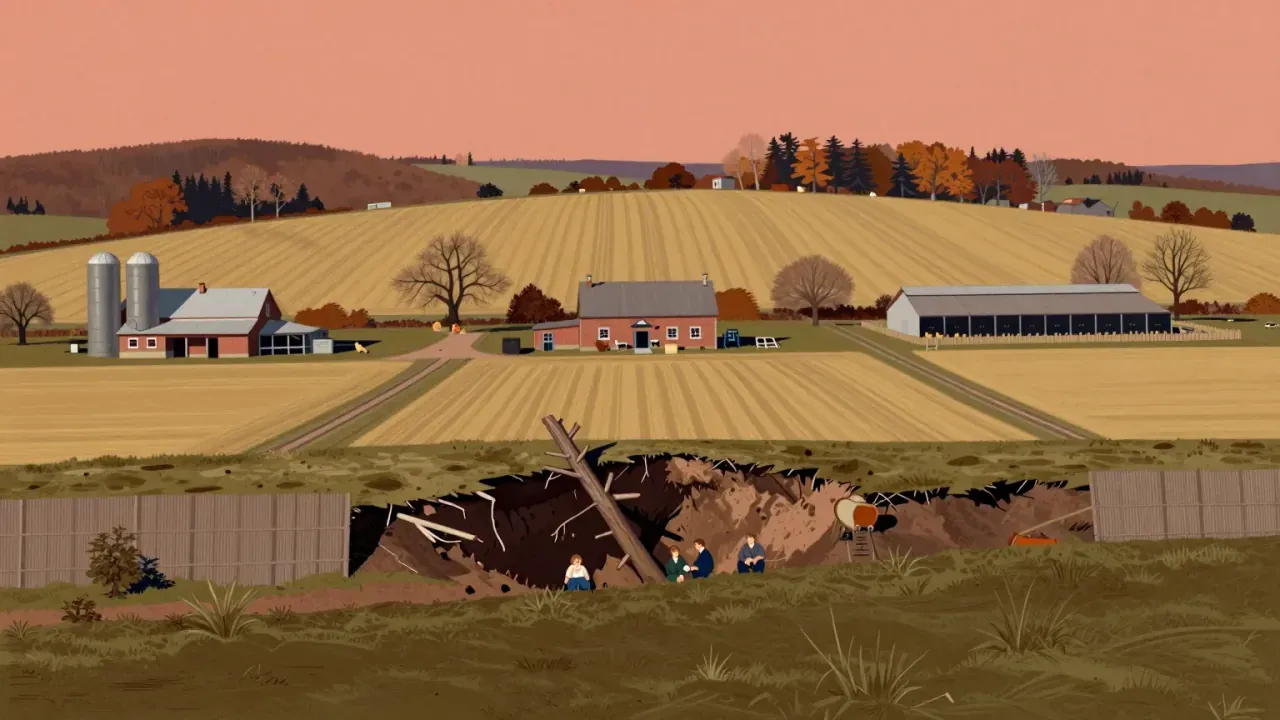
George Clooney voices a fox whose one last heist against three farmers turns into a siege on his whole underground community. Wes Anderson's 2009 stop-motion adaptation of Roald Dahl keeps the plot but reshapes the tone into something drier and more personal.

13:00

Isle of Dogs

Wes Anderson · 2018

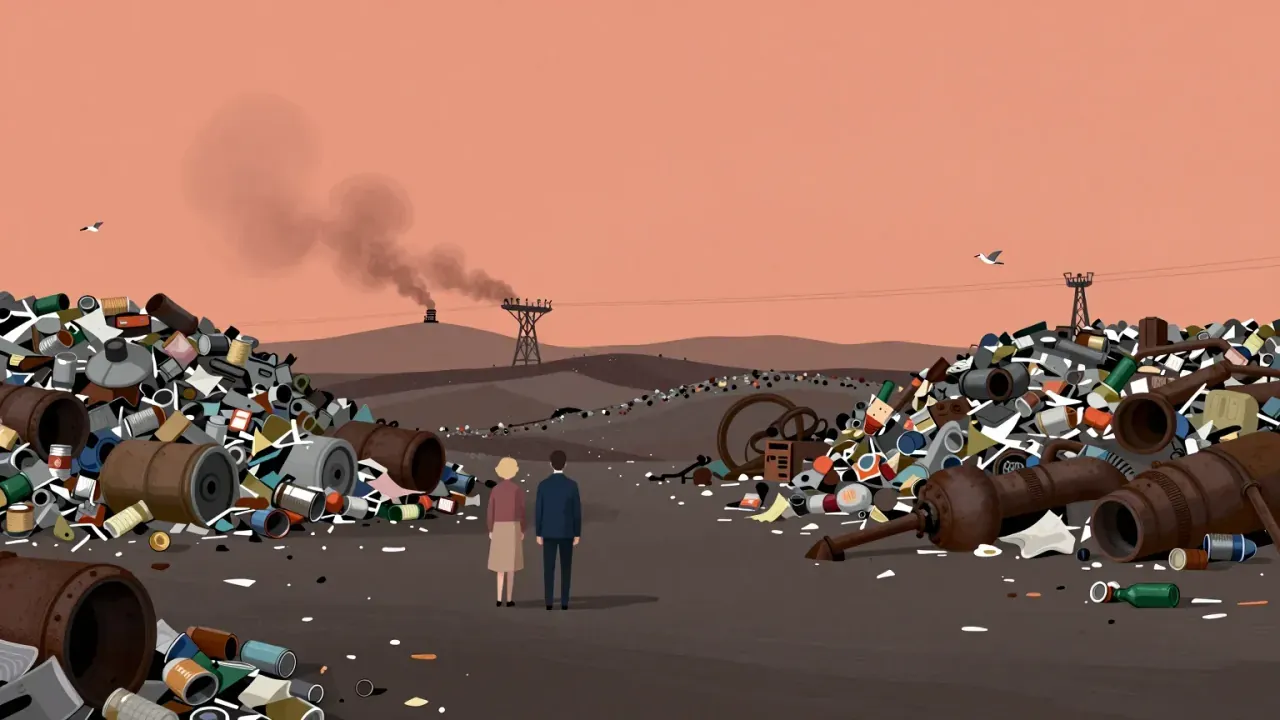
A dictatorial mayor exiles every dog in the fictional Japanese city of Megasaki to Trash Island over a manufactured flu outbreak, and his own twelve-year-old ward hijacks a plane to find his banished bodyguard dog among them. Wes Anderson's second stop-motion feature, drawing openly on Akira Kurosawa and Hayao Miyazaki, pairs meticulous handcrafted puppetry with a plot about political corruption and canine loyalty, while drawing sustained criticism for how it handles the Japanese setting and characters within it.

13:00

The Grand Budapest Hotel

Wes Anderson · 2014

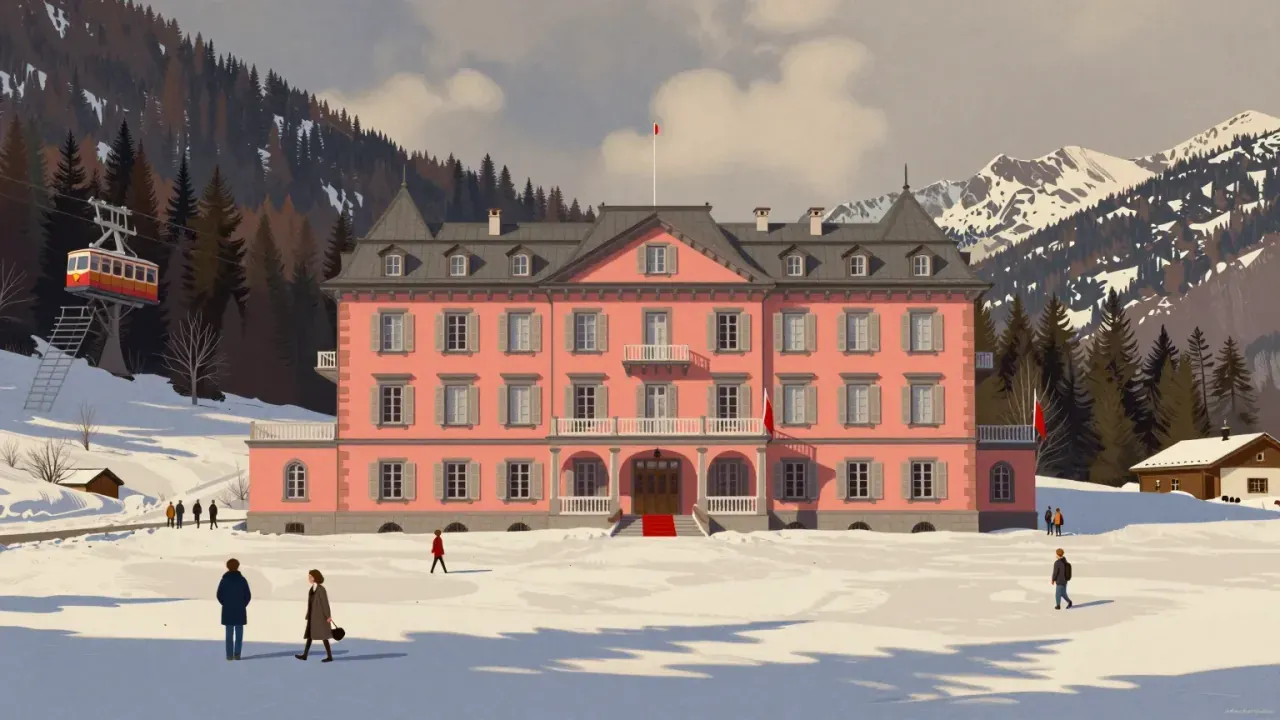
Ralph Fiennes plays a meticulous concierge framed for murder in Wes Anderson's 2014 comedy, built from Stefan Zweig's writing and won on the strength of its production design and score.