filmbriefs
Studio

Barrandov Studios

10
briefs
13:00
average
130 min
in total
On film.briefs10
13:00

A Report on the Party and the Guests

Jan Němec · 1966

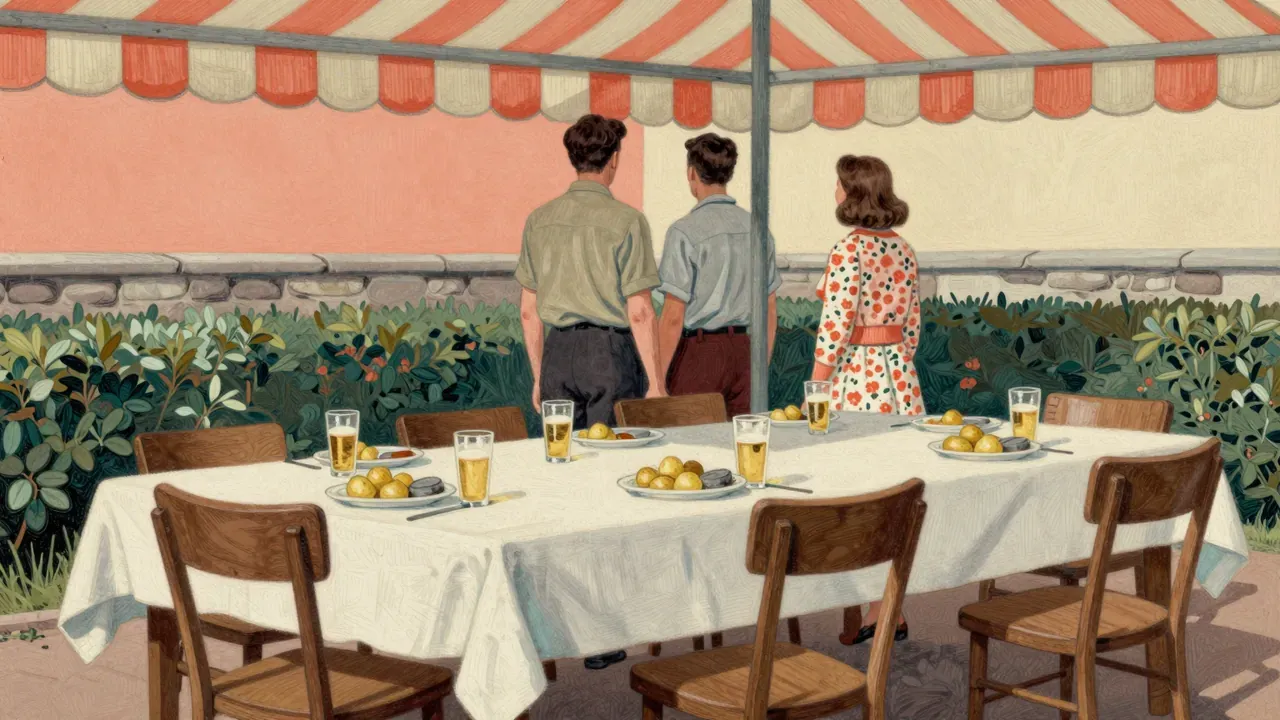
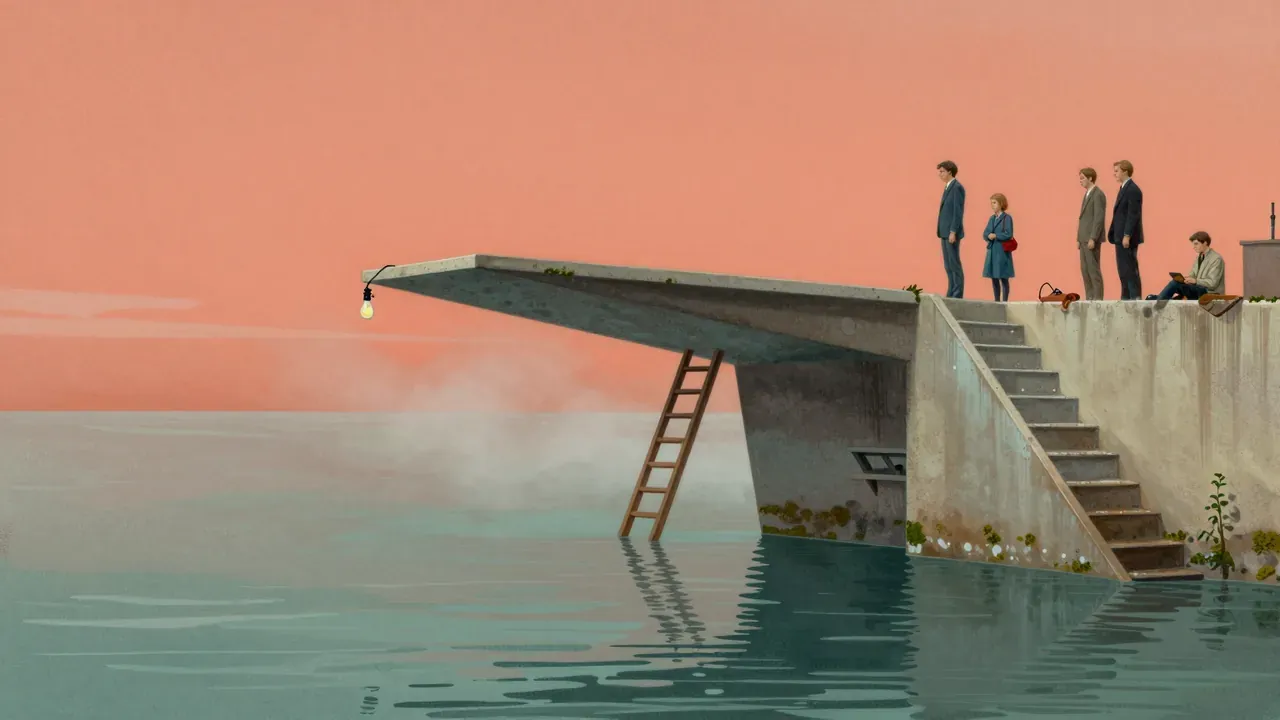
A group of picnickers are intercepted in the woods and directed to a celebration, where arbitrary rules govern their conduct. When one guest disappears, the party mobilises to retrieve him — not out of concern, but to preserve the integrity of the event. Made by Jan Němec at Barrandov Studios, the film uses stark visual discipline and behavioural minimalism to trace how authority takes root in shared compliance.
13:00

Capricious Summer

Jiří Menzel · 1968

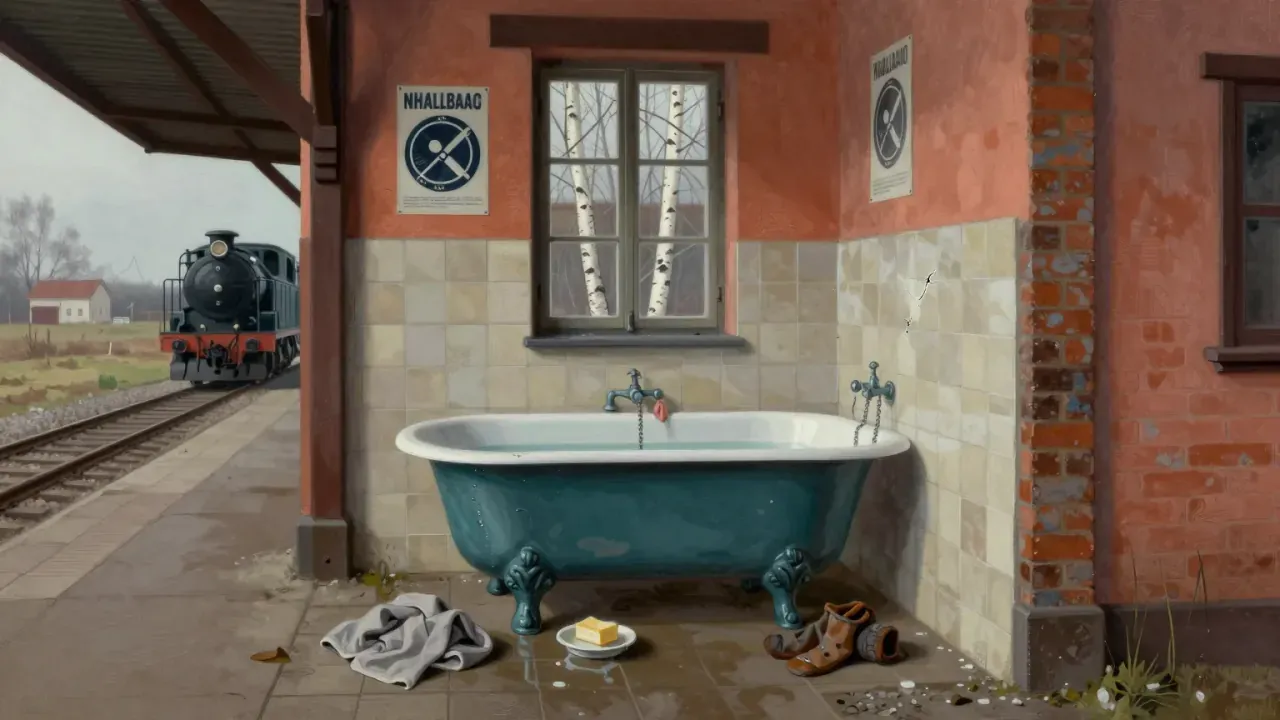
Jiří Menzel’s 1968 Czechoslovak comedy follows three middle-aged men — a bathhouse owner, a retired artillery major and a local canon — over three rainy summer days at an abandoned resort. Their routines are disrupted by the arrival of a touring tightrope walker and his assistant, prompting a series of small, overlapping seductions, humiliations and quiet reconciliations. Shot in soft colour by Jaromír Šofr and performed with understated precision, the film treats desire, ageing and social ritual as weather systems — persistent, unpredictable, ultimately indifferent to individual will.

13:00

Marketa Lazarová

František Vláčil · 1967

Marketa Lazarová (1967), directed by František Vláčil, is a Czechoslovak arthouse drama adapted from Vladislav Vančura’s novel. Set in early 13th-century Bohemia, it follows the collision of two warring clans amid the violent rise of Christian authority. Shot in stark black-and-white by Beda Batka over 548 days in freezing conditions, its 162-minute runtime sustains an immersive, tactile world built on repetition, silence, and fractured chronology — not exposition. Zdeněk Liška’s dissonant score and Theodor Pištěk’s austere costumes reinforce its refusal of narrative ease. Though critically revered — voted the greatest Czech film in 1998 — it demands patience and rewards it with unparalleled sensory gravity.

13:00

The Cremator

Juraj Herz · 1969

Juraj Herz’s 1969 film follows Karel Kopfrkingl, a Prague cremator whose devotion to ritual, Tibetan Buddhism, and Nazi ideology converges into murderous certainty. Shot in stark black and white by Stanislav Milota, edited with jarring precision by Jaromír Janáček, and anchored by Rudolf Hrušínský’s unnervingly calm performance, it charts the banal mechanics of moral collapse. Banned after release, it resurfaced as a landmark of the Czechoslovak New Wave — less a thriller than a forensic study of how language, architecture, and routine conspire to normalise atrocity.

13:00

The Shop on Main Street

Ján Kadár, Elmar Klos · 1965

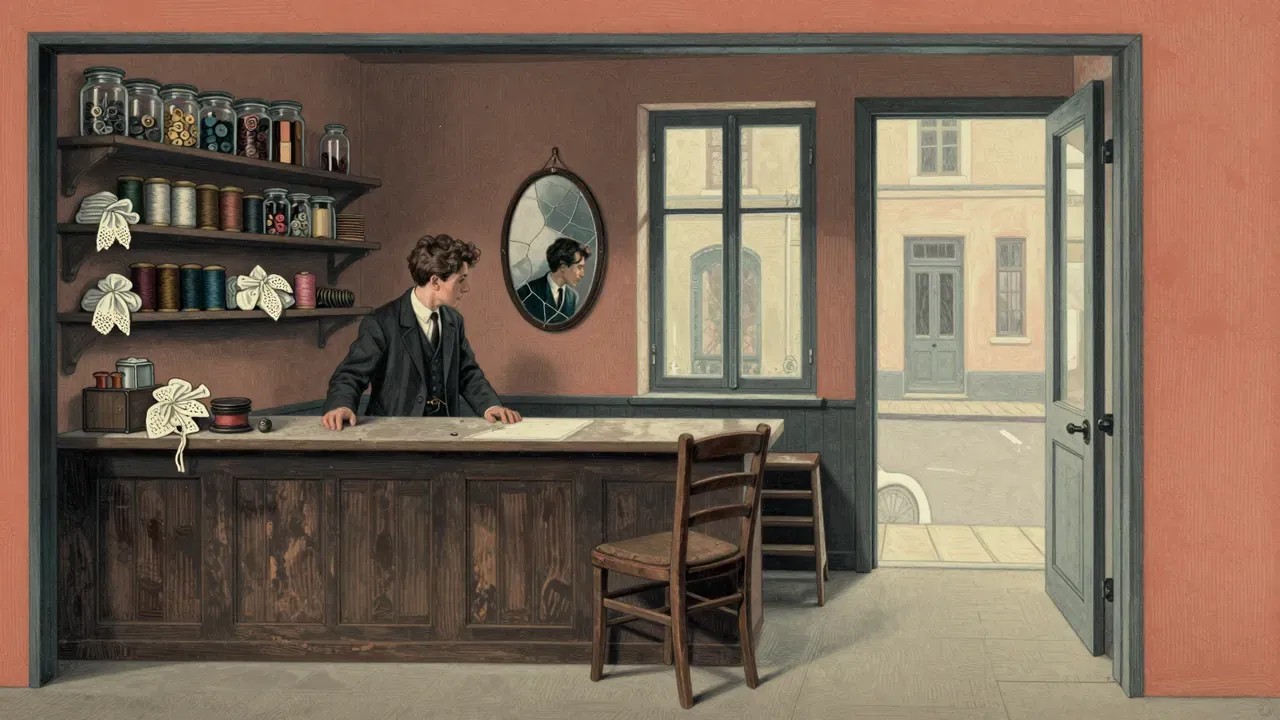
Set in a Slovak town during WWII, The Shop on Main Street follows a carpenter assigned to take over a Jewish widow’s haberdashery under the Aryanization programme. His growing, ineffectual bond with her exposes the slow corrosion of conscience under bureaucratic antisemitism. Made in 1965 at Barrandov Studios, directed by Ján Kadár and Elmar Klos, it won the Academy Award for Best International Feature Film.

13:00

Valerie and Her Week of Wonders

Jaromil Jireš · 1970

Valerie and Her Week of Wonders (1970) is a 73-minute Czechoslovak surrealist fantasy directed by Jaromil Jireš, adapted from Vítězslav Nezval’s novel. Set in a dreamlike Renaissance town, it follows thirteen-year-old Valerie through a week of shifting identities, masked authorities, and uncanny transformations. Shot on location in Slavonice and at Barrandov Studios, with cinematography by Jan Čuřík and music by Luboš Fišer, it blends Gothic horror, eroticism and folklore without exposition or resolution. Its power lies in sustained atmosphere, precise design and the unblinking presence of its young lead.

13:00

Daisies

Věra Chytilová, Rudolf Jaroš · 1966

A 1966 Czechoslovak avant-garde landmark, Daisies follows two young women named Marie as they enact escalating acts of sabotage — against men, meals, manners, and meaning. Co-directed by Věra Chytilová and Rudolf Jaroš, it deploys rapid-fire editing, shifting colour palettes, and deliberately artificial performances to dismantle patriarchal and socialist realist conventions. Banned upon release for its 'nihilism', it remains a fiercely intelligent, formally audacious assault on well-mannered spectatorship — less a film to follow than one to withstand and reassemble.

13:00

The Fireman's Ball

Miloš Forman · 1967

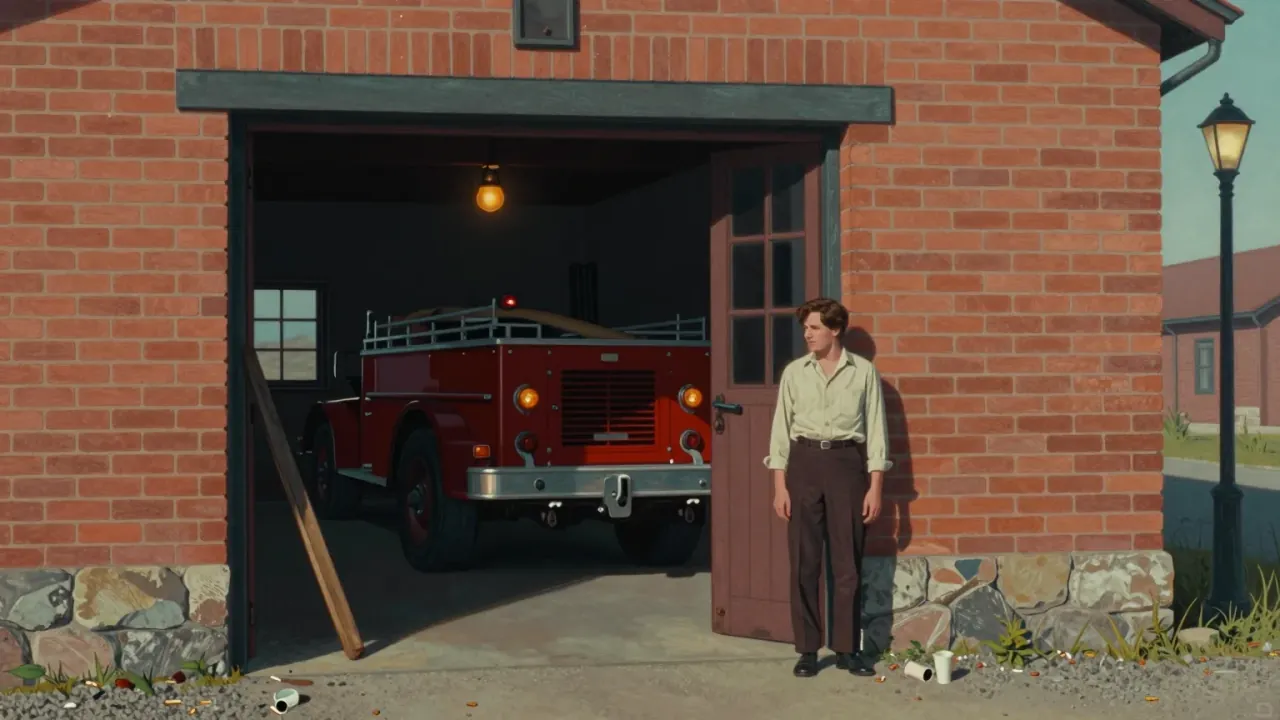
Miloš Forman’s 1967 Czechoslovak comedy follows a provincial fire brigade’s annual ball as it slowly derails under the weight of its own good intentions, indifference and procedural inertia. Shot at Barrandov Studios by Miroslav Ondříček and scored by Karel Mareš, it observes without judging, repeats without explaining, and ends without resolving — making its case for the quiet absurdity of communal life through restraint, not rhetoric.

13:00

Closely Watched Trains

Jiří Menzel · 1966

Jiří Menzel’s 1966 debut follows Miloš Hrma, a teenage train dispatcher in German-occupied Bohemia, as he navigates sexual anxiety, bureaucratic absurdity and a small act of resistance. Adapted from Bohumil Hrabal’s novella, it treats war as ambient pressure rather than spectacle, finding gravity in hesitation, humour in proportion, and dignity in failure. Shot by Jaromír Šofr at Barrandov Studios and released the same year, it won the 1968 Academy Award for Best International Feature Film.

13:00

Loves of a Blonde

Miloš Forman · 1965

Loves of a Blonde (1965), Miloš Forman’s second feature, follows Andula, an 18-year-old shoe-factory worker in provincial Czechoslovakia, as she navigates romance, loneliness and social expectation. Shot on location with mostly non-professional performers and extensive improvisation, it uses documentary-style techniques to build a restrained, unsentimental portrait of young adulthood under late socialism. Its power lies in duration, texture and behavioural authenticity rather than plot or exposition.