filmbriefs
Actor · Producer · Director · Screenwriter

Barbet Schroeder

11
briefs
13:00
average
143 min
in total
On film.briefs11
13:00

Celine and Julie Go Boating

Jacques Rivette · 1974

Jacques Rivette’s 1974 film follows two women who enter a looping, magical-realist narrative housed in a Paris mansion, gradually learning its rhythms and rewriting its ending. Built on repetition, collaboration and patient observation, it models fiction as a space to inhabit rather than interpret.
13:00

Claire's Knee

Éric Rohmer · 1970

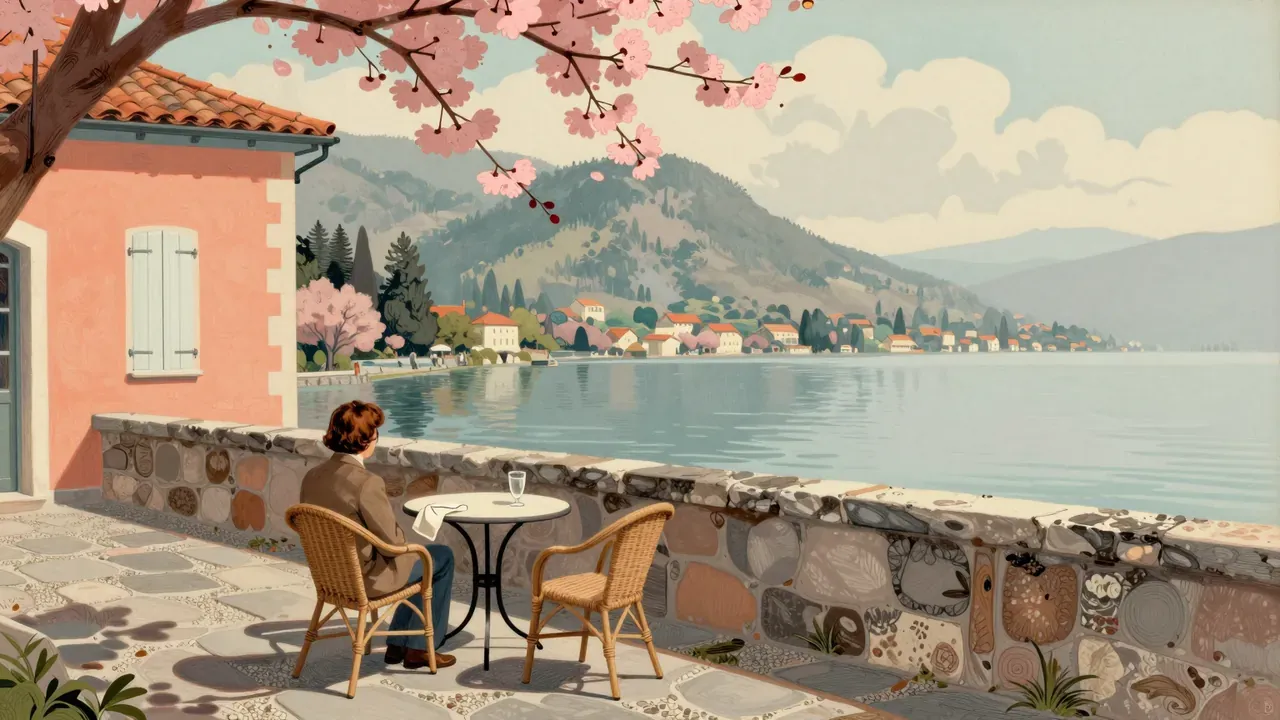
Éric Rohmer’s 1970 film follows diplomat Jérôme during a summer stay at Lake Annecy, where his interactions with two teenage girls — Laura and Claire — expose the gap between his stated principles and his unspoken desires. Shot in luminous colour by Néstor Almendros, the film unfolds through measured dialogue and subtle physical detail, treating moral life as a series of minor, reversible decisions. It is the fifth of Rohmer’s Six Moral Tales, and won the Louis Delluc Prize, the National Board of Review Award for Best Foreign Language Film, and the National Society of Film Critics Award for Best Film.

13:00

General Idi Amin Dada: A Self Portrait

Barbet Schroeder · 1974

Barbet Schroeder’s 1974 documentary follows Idi Amin across military drills, cabinet meetings, and staged spectacles, all filmed with Amin’s full cooperation and direction. Shot by Néstor Almendros, it presents Amin’s self-mythology without commentary, letting his rhetoric, gestures, and contradictions accumulate as evidence. Though stripped of historical context or moral framing, its rigour lies in sustained observation — a portrait not of a man, but of power performing itself.

13:00

Koko: A Talking Gorilla

Barbet Schroeder · 1978

Barbet Schroeder’s 1978 documentary observes Francine Patterson’s work teaching American Sign Language to Koko the gorilla at Stanford University. Shot by Néstor Almendros in restrained, natural light, it avoids explanation or advocacy, instead holding sustained, quiet attention on Koko’s signing, expressions, and interactions. It engages with questions of animal personhood, the ethics of observation, and the limits of human language — not as arguments, but as durational encounters. Released by New Yorker Films in the US and later restored by Criterion, it remains a singular, understated work in the history of science-facing documentary.

13:00

La Collectionneuse

Éric Rohmer · 1967

Éric Rohmer’s 1967 La Collectionneuse, his first in colour and fourth of the Six Moral Tales, follows Adrien as he spends a summer at a villa near Saint-Tropez with friends and a younger woman named Haydée. Through restrained performances, natural-light cinematography by Néstor Almendros, and dialogue-driven scenes, the film traces subtle shifts in power, self-perception, and attraction — refusing resolution, explanation, or moral verdict. It won the Silver Bear Grand Jury Prize at Berlin and remains a benchmark of French arthouse precision.

13:00

Love in the Afternoon

Éric Rohmer · 1972

Éric Rohmer’s 1972 film closes his Six Moral Tales series with a study of marital fidelity tested not by betrayal but by imagination. Frédéric, a contented Parisian husband and father, begins spending afternoons with Chloé, a woman from his past — a relationship built on talk, not sex, until a single moment of near-surrender forces him home. Shot by Néstor Almendros and written and directed by Rohmer, it is a film of restraint, quiet tension, and precise observation.

13:00

Maîtresse

Barbet Schroeder · 1975

Barbet Schroeder’s 1975 French film Maîtresse follows Olivier, a young man drawn into the life of Ariane, a professional dominatrix. Shot by Néstor Almendros with clinical precision and performed with deliberate reserve by Gérard Depardieu and Bulle Ogier, it treats BDSM not as spectacle but as vocation — a world of appointments, plumbing repairs, bank deposits, and unspoken dependencies. Its power lies in restraint: no moral framing, no psychological exposition, no tonal escalation. Controversial on release for its unsimulated acts and unflinching gaze, it remains a singular exercise in cinematic neutrality.

13:00

My Night at Maud's

Éric Rohmer · 1969

Set over Christmas in Clermont-Ferrand, Éric Rohmer’s 1969 film follows a Catholic engineer as he navigates conversations about faith, desire, and choice with three other single people. Built around Pascal’s wager and shot in natural light by Néstor Almendros, it privileges dialogue, hesitation, and quiet observation over plot or resolution. Its moral architecture rests on what is said, unsaid, deferred — and how it is said.

13:00

Suzanne's Career

Éric Rohmer · 1963

Éric Rohmer’s 1963 film follows two Parisian students — the timid Bertrand and the brash Guillaume — as they encounter Suzanne, a working woman studying Italian at night. Guillaume seduces and discards her; Bertrand watches, judges, and gradually finds his certainties undermined when Suzanne moves on — not in defeat, but in quiet self-determination. Shot in black-and-white with non-professional actors, it is the second of Rohmer’s Six Moral Tales: a precise, unsentimental study of self-deception, class, and the asymmetry of moral attention.

13:00

The Bakery Girl of Monceau

Éric Rohmer · 1962

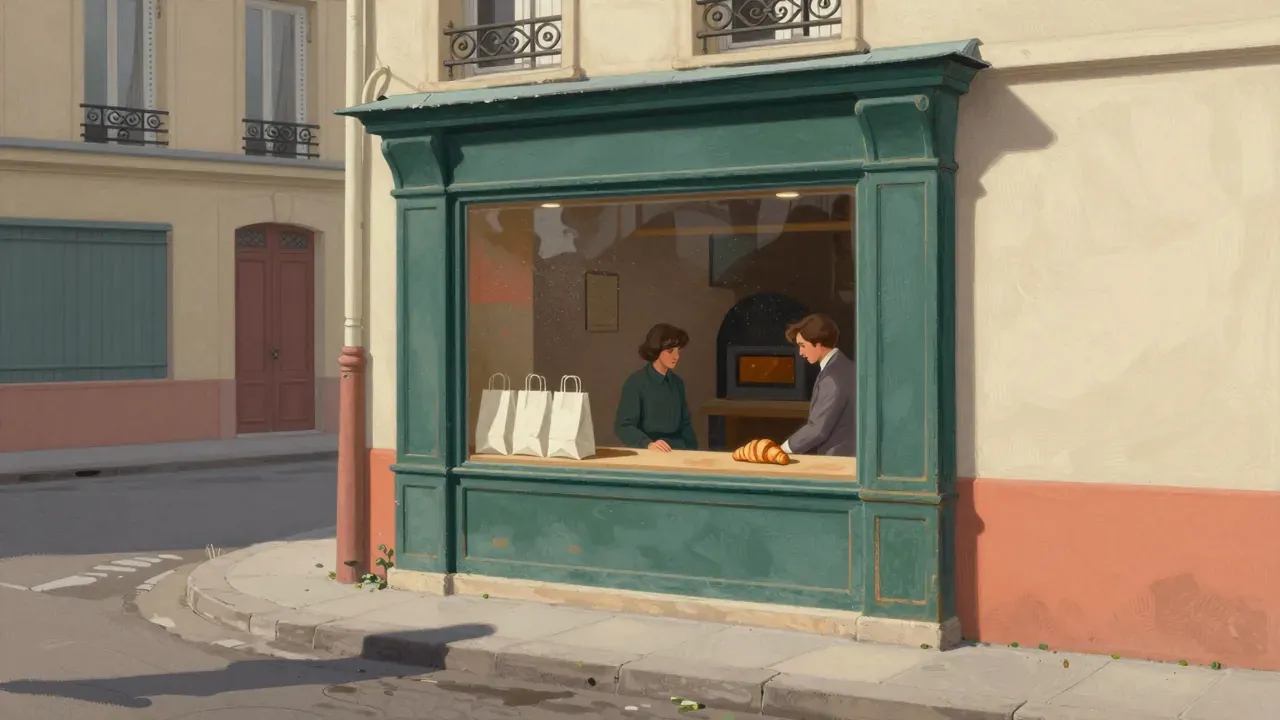
Éric Rohmer’s 1962 short The Bakery Girl of Monceau is the first of his Six Moral Tales: a 22-minute study in male subjectivity, told via voice-over narration over static, location-shot images of Paris. A law student pursues one woman, distracts himself with another, then returns to the first — all while constructing a story in which his choices appear inevitable, noble, and coherent. There is no music, no on-set sound, no psychological exposition beyond the narrator’s own account. Its power lies in the precision of its restraint.

13:00

The Darjeeling Limited

Wes Anderson · 2007

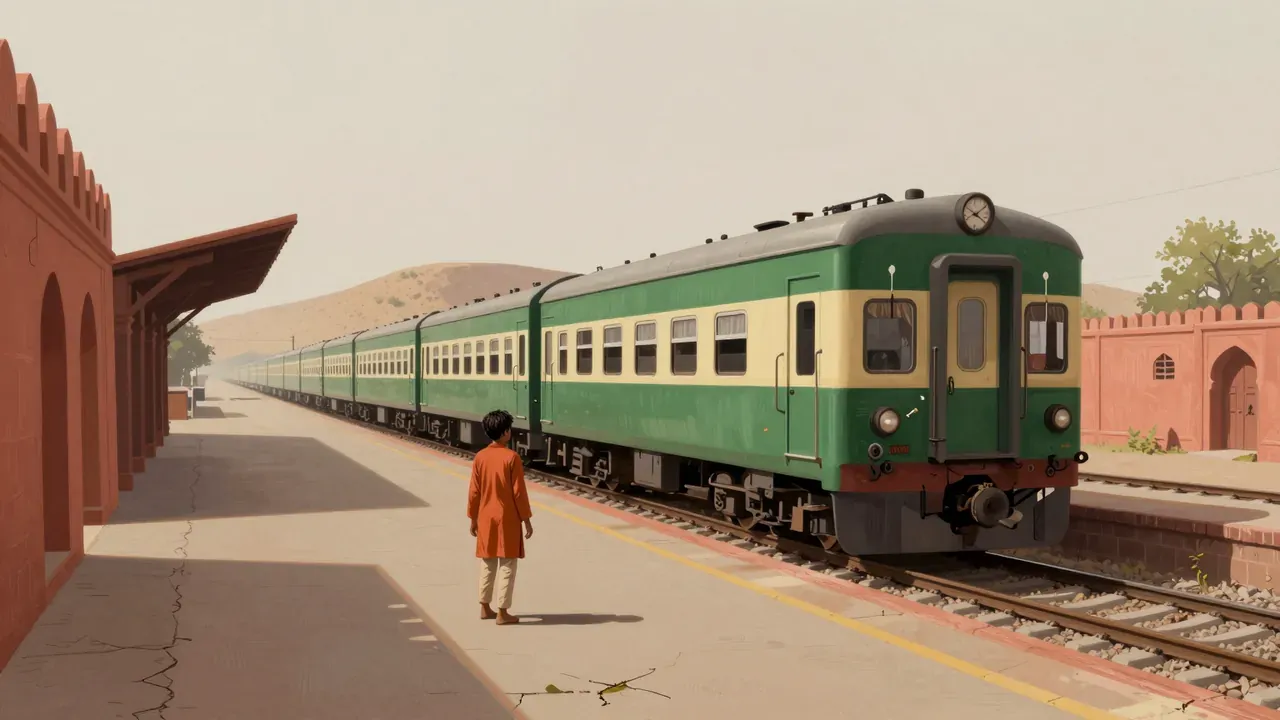
Three estranged brothers travel across Rajasthan aboard a luxury train one year after their father’s death, attempting a spiritual journey that unravels into confrontation, failure, and quiet reconnection. Directed by Wes Anderson and shot by Robert Yeoman, the film employs symmetrical framing, a muted palette, and carefully curated music to explore inherited mourning, cultural distance, and the slow dissolution of control. It premiered at Venice in 2007, grossed $35.3m on a $17.5m budget, and received generally favourable reviews.