filmbriefs
Producer · Actor · 1925–1998

Anatole Dauman

14
briefs
13:00
average
182 min
in total
On film.briefs14
13:00

Coup de Grâce

Volker Schlöndorff · 1976

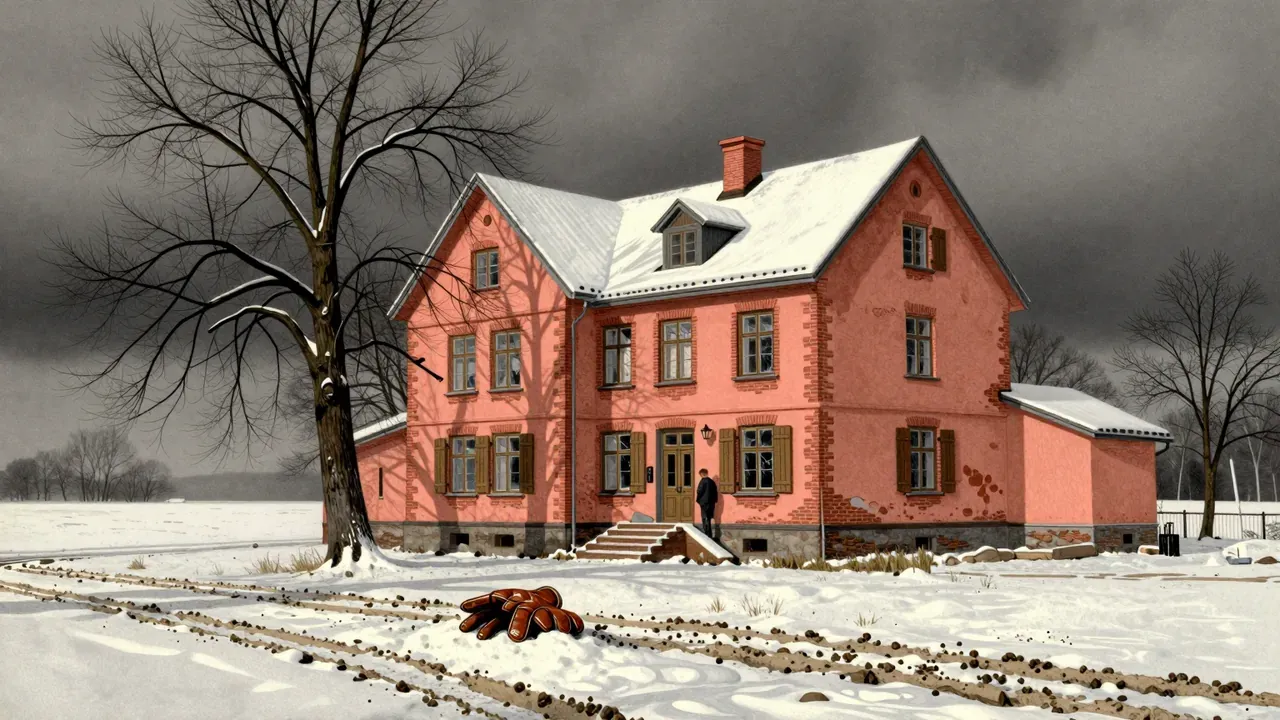
Volker Schlöndorff’s 1976 Coup de Grâce, adapted from Marguerite Yourcenar’s novel and co-written by Margarethe von Trotta, relocates the story from Erich von Lhomond’s first-person account to Sophie von Reval’s silent, searching presence. Set in a Latvian chateau during the 1919 Freikorps campaign, it uses black-and-white cinematography, elliptical editing and muted performances to examine desire, trauma and ideological vacancy amid collapsing empires. Not a conventional war film, it holds violence at a distance and finds its force in omission, restraint and unresolved tension.
13:00

Empire of Passion

Nagisa Ōshima · 1978

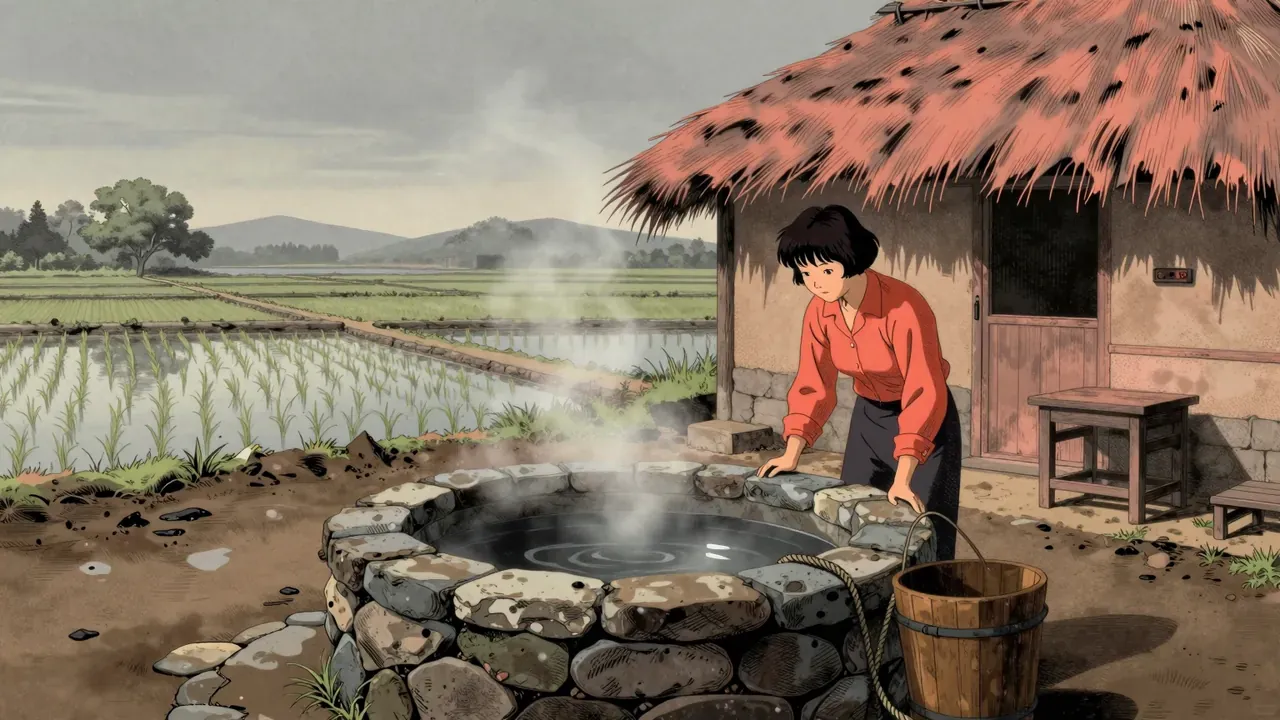
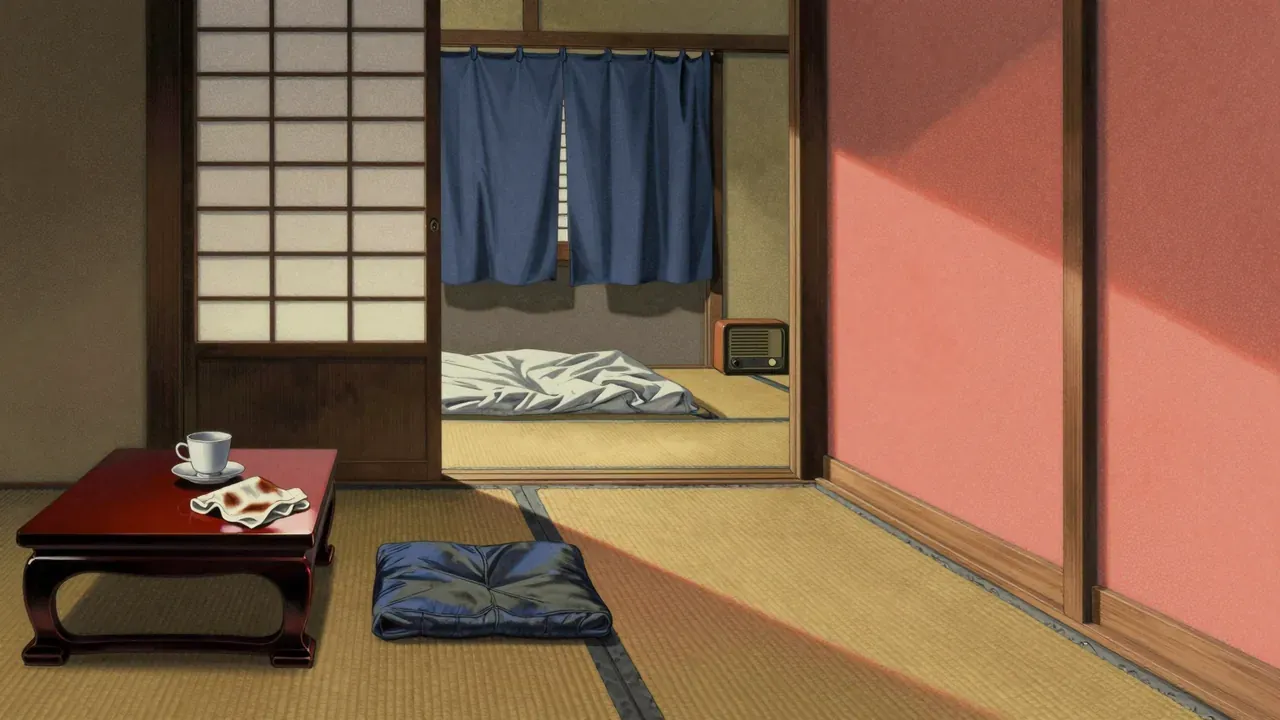
Nagisa Ōshima’s 1978 French-Japanese co-production Empire of Passion adapts a novel by Itoko Nakamura into a stark, psychologically rigorous kaidan. Set in 1895 rural Japan, it follows Seki and Toyoji, whose affair leads to the murder of her husband — and the subsequent, inescapable haunting that follows. Shot by Yoshio Miyajima and scored by Tōru Takemitsu, the film rejects gothic ornament in favour of austere composition, deliberate pacing, and moral weight. It premiered at Cannes, where Ōshima won Best Director.

13:00

In the Realm of the Senses

Nagisa Ōshima · 1976

Nagisa Ōshima’s 1976 In the Realm of the Senses is a rigorously controlled, historically grounded dramatisation of the Sada Abe case. Shot in Japan but produced as a French enterprise to bypass censorship, it depicts escalating sexual obsession between two lovers in 1936 Tokyo with unsimulated acts, minimal dialogue, and unbroken duration. Its power lies in formal austerity, not sensationalism — it refuses psychological exposition, moral framing, or aesthetic relief. Controversial on release, it remains a benchmark for films that treat the body as both subject and site of meaning.

13:00

La Jetée

Chris Marker · 1962

A 28-minute French photomontage from 1962, La Jetée tells a post-nuclear time-travel story almost entirely through still black-and-white photographs, linked by voice-over narration and a sparse orchestral score. Its protagonist is sent from a ruined Paris to the past and future, bound by a childhood memory of a woman on an airport jetty — a memory that proves to be his own death. Built as a photo novel, not a film, it treats time as recursive, memory as architectural, and perception as the only continuous medium across stillness.

13:00

Masculin Féminin

Jean-Luc Godard · 1966

Jean-Luc Godard’s 1966 Masculin Féminin follows Paul—a young idealist navigating love, work, and politics in Paris—as a loose sequence of interviews, encounters, and interruptions. Shot in black-and-white with natural light and minimal crew, it treats youth culture as a field of study, not a story. Its structure mimics opinion polling: questions posed, answers recorded, conclusions withheld. Starring Jean-Pierre Léaud, Chantal Goya, Marlène Jobert, and Catherine-Isabelle Duport, it remains one of Godard’s most formally rigorous and thematically restless works.

13:00

Mouchette

Robert Bresson · 1967

Robert Bresson’s 1967 adaptation of Georges Bernanos’s novel follows a teenage girl’s silent, unrelenting attrition in a rural French village. Using non-professional actors, sparse dialogue, and Ghislain Cloquet’s restrained cinematography, the film renders suffering as routine, not event — culminating in a final act of physical surrender that feels less like despair than exhaustion made visible.

13:00

Muriel

Alain Resnais · 1963

Alain Resnais’s 1963 film Muriel follows a widow, her traumatised stepson, and two visitors over fifteen fragmented days in Boulogne-sur-Mer. Shot in static colour with rigorous editing and sparse dialogue, it explores memory, guilt, and the unspoken legacy of the Algerian War — not through exposition, but through architectural detail, temporal disjunction, and withheld emotion.

13:00

Night and Fog

Alain Resnais · 1956

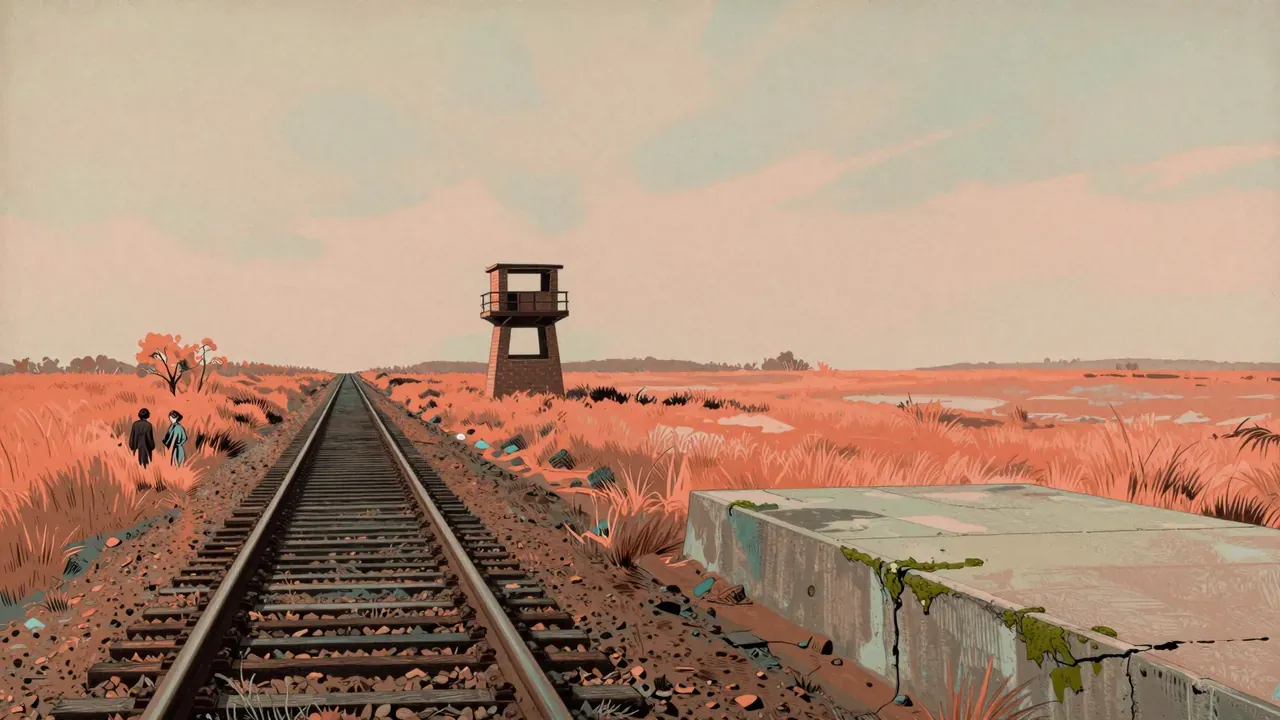
Alain Resnais’s 1956 documentary Night and Fog uses stark juxtaposition — new colour footage of abandoned camps alongside archival black-and-white material — to dissect the concentration camp as a functional extension of fascism. Written by survivor Jean Cayrol and Chris Marker, and scored by Hanns Eisler, it avoids sentimentality in favour of structural analysis: architecture, logistics, bureaucracy, and the diffusion of responsibility. Commissioned for the tenth anniversary of camp liberation, it remains a foundational essay film, rigorous, unsettling, and deliberately unresolved.

13:00

The Tin Drum

Volker Schlöndorff · 1979

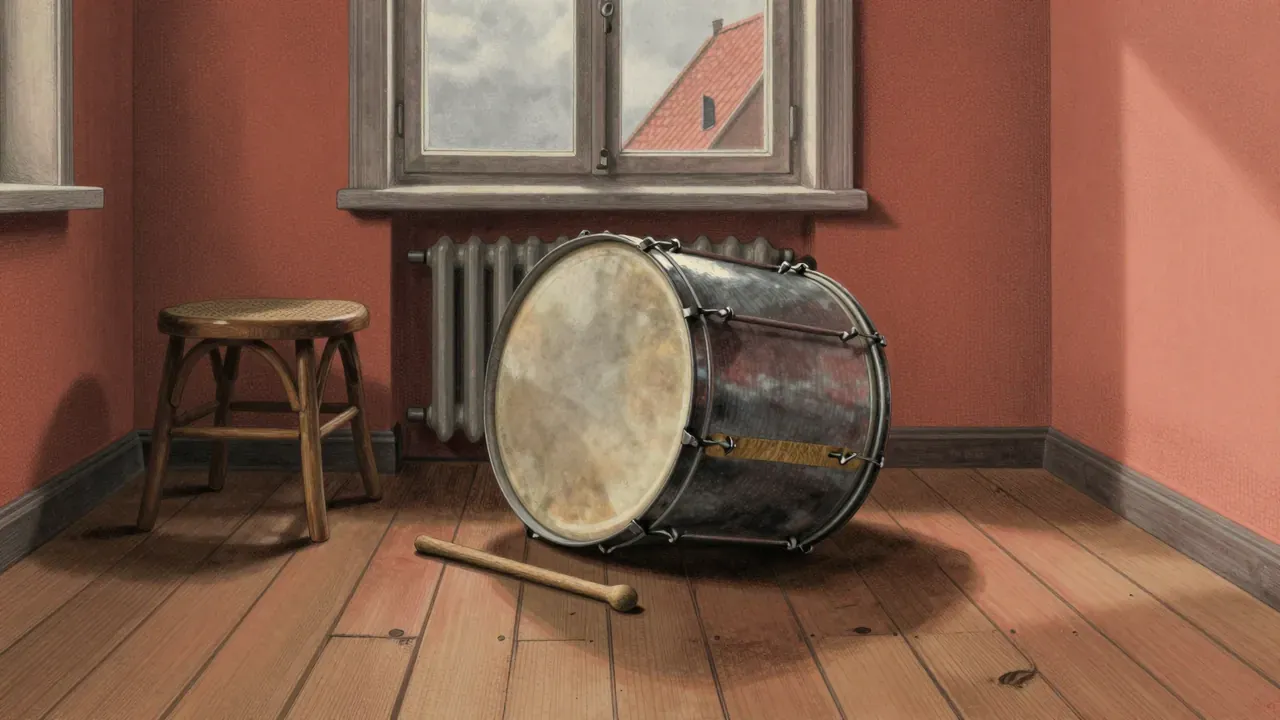
Volker Schlöndorff’s 1979 adaptation of Günter Grass’s novel follows Oskar Matzerath, a boy who stops growing at age three and uses his tin drum and glass-shattering scream to navigate Danzig through Nazism and war. Shot in Italian by Jadran Film, with cinematography by Igor Luther and music by Maurice Jarre, it won the Palme d’Or and the Academy Award for Best International Feature Film. Its power lies in sustained allegory, not exposition — a rigorous, unsentimental reckoning with complicity, memory and the body as historical archive.

13:00

Who Are You, Polly Maggoo?

William Klein · 1966

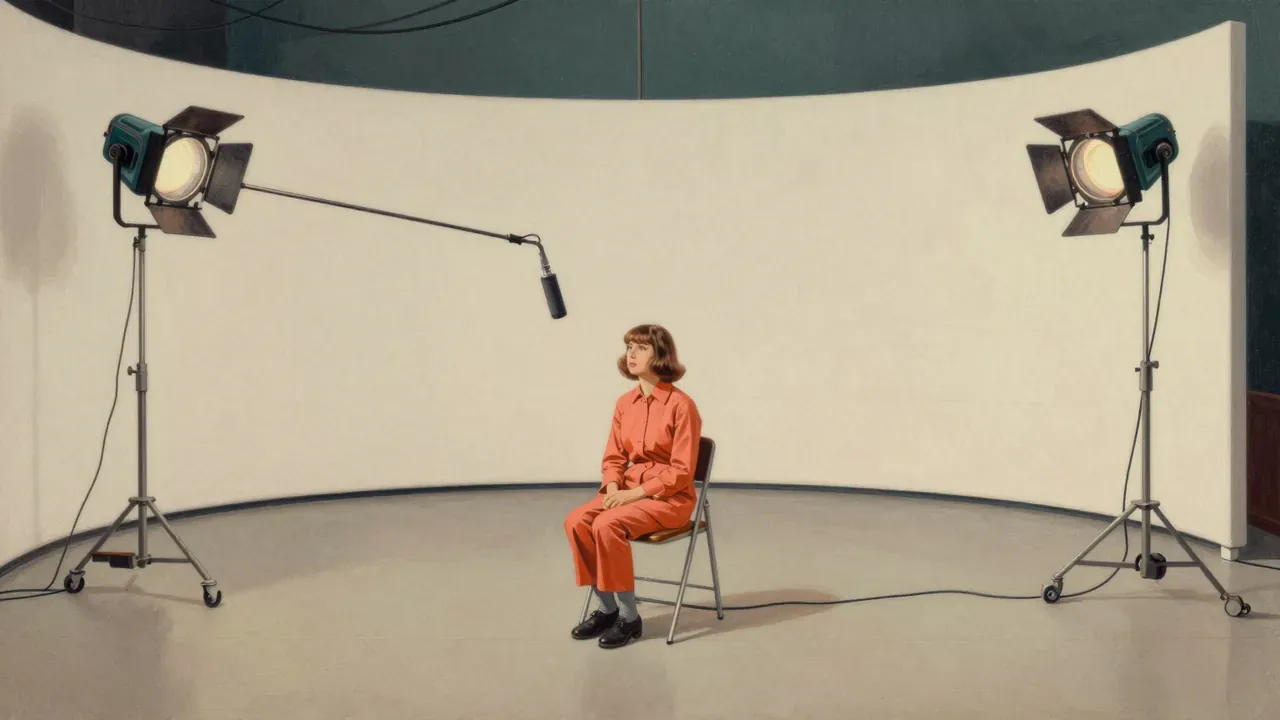
William Klein’s 1966 French film is a satirical mockumentary following Polly Maggoo, an American model pursued by a television crew in Paris. Using fragmented editing, stylised photography, and deadpan performance, it dissects how media constructs identity through repetition, framing, and erasure — never resolving who Polly is, because the system it critiques has no use for her answer.

13:00

Two or Three Things I Know About Her

Jean-Luc Godard · 1967

Jean-Luc Godard’s 1967 essay-film follows a Parisian housewife who prostitutes herself by day, using her routine as a lens to examine consumerism, advertising, the Vietnam War, and the banlieue as ideological infrastructure. Built from fragmented scenes, whispered narration, and deliberate interruptions, it rejects narrative for inquiry — asking not what happens next, but how meaning is produced, circulated, and dissolved in modern life.

13:00

Wings of Desire

Wim Wenders · 1987

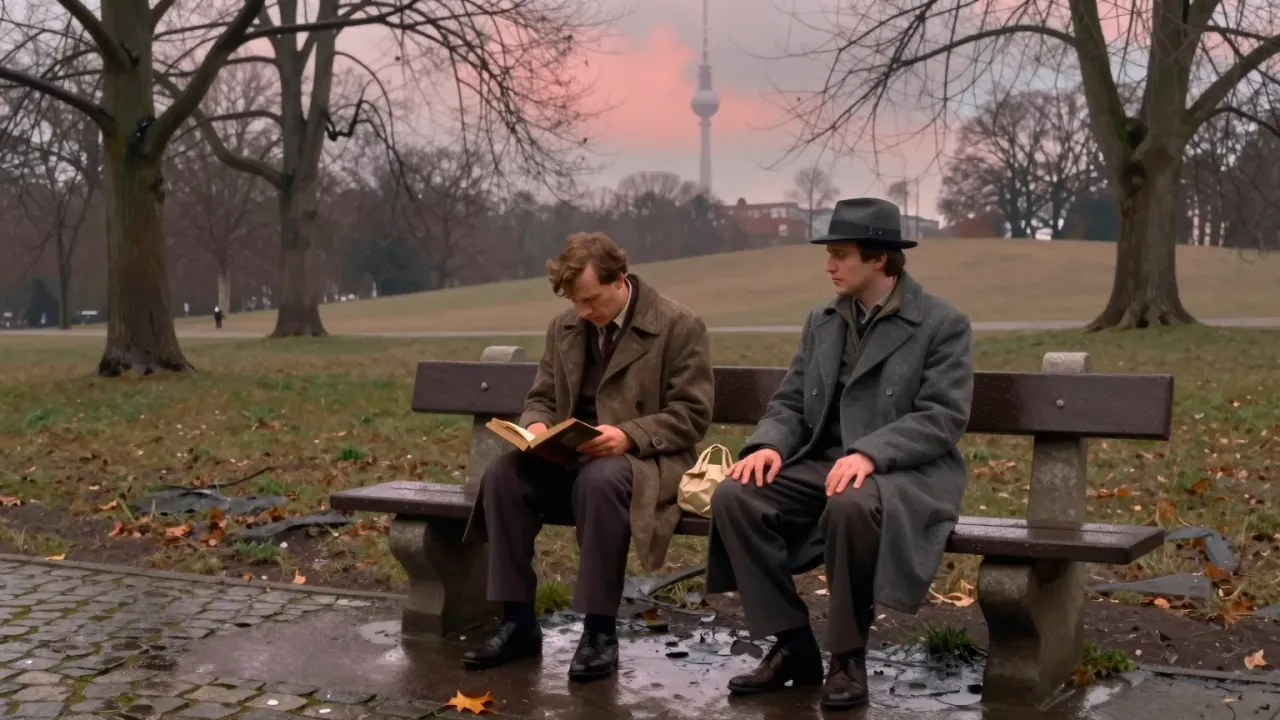
Wings of Desire (1987) is a West German–French arthouse fantasy set in Cold War Berlin, following an angel who abandons immortality to experience human sensation. Shot in black-and-white for the angels’ perspective and colour for human life, it uses poetic narration, restrained performances, and location-based realism to explore silence, memory, and embodiment. Directed by Wim Wenders with cinematography by Henri Alekan and music by Jürgen Knieper, it won European Film Awards and critical acclaim, though its deliberate pace and abstract structure divide viewers.

13:00

Hiroshima mon amour

Alain Resnais · 1959

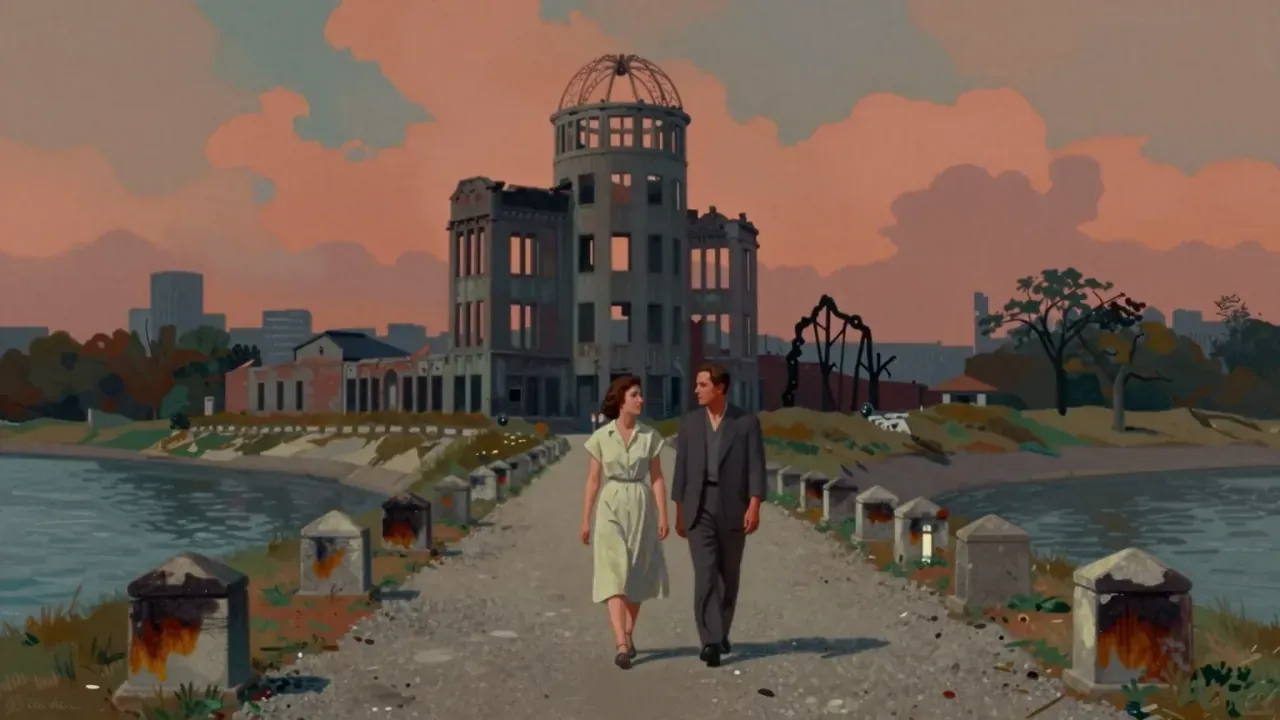
Alain Resnais’ 1959 debut, written by Marguerite Duras, traces a fleeting encounter between a French actress and a Japanese architect in Hiroshima. Through tightly composed images, fragmented flashbacks, and restrained performances, it explores how personal and historical trauma intertwine — not as metaphor, but as embodied experience. Shot in France and Japan, edited with surgical precision, and scored with near-silence, it treats love, memory, and forgetting as inseparable forces.

13:00

Paris, Texas

Wim Wenders · 1984

A man wanders out of the Texas desert after four unexplained years, and Wim Wenders spends 147 patient minutes on what it costs him to reclaim a son and finally speak to the wife he left behind.