filmbriefs
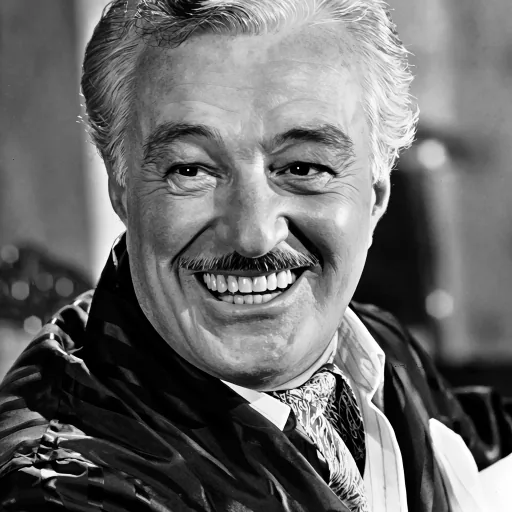
Actor · Director · Producer · Screenwriter · 1901–1974

Vittorio De Sica

9
briefs
13:00
average
117 min
in total
On film.briefs9
13:00

Blood for Dracula

Paul Morrissey, Antonio Margheriti · 1974

Blood for Dracula (1974) is a co-credited Paul Morrissey–Antonio Margheriti splatter film starring Udo Kier as a dying Count Dracula who travels to pre-Fascist Italy seeking virgin blood, only to find sexual candour, Marxist rhetoric, and aristocratic bankruptcy instead. Shot in France with an English-speaking cast, it uses gothic tropes to dissect legitimacy, scarcity, and ideological exhaustion. Luigi Kuveiller’s underlit cinematography and Claudio Gizzi’s sparse score reinforce its clinical tone. Though released as Andy Warhol’s Dracula, Warhol’s involvement was nominal. The film opened to mixed reviews and remains a singular artefact of 1970s arthouse-horror hybridity.
13:00

General Della Rovere

Roberto Rossellini · 1959

Roberto Rossellini’s 1959 drama follows a conman hired by Nazi occupiers to impersonate a dead Resistance general inside a Milan prison. As he inhabits the role among real prisoners, his performance hardens into conviction — not through revelation, but through repeated, quiet acts of solidarity. Shot in German by Italian filmmakers, with Vittorio De Sica in a career-defining turn, it is a restrained, morally exacting portrait of identity forged in extremity.

13:00

Miracle in Milan

Vittorio De Sica · 1951

Vittorio De Sica’s 1951 Miracle in Milan blends post-war Italian neo-realism with gentle fantasy. Set on a Milanese wasteland, it follows Totò — raised by a woman who finds him in a cabbage patch — as he helps build a self-governing shantytown, only to confront eviction by industrialists. When magic intervenes, it does so not to erase hardship but to affirm the dignity already present in mutual aid, shared labour and unguarded joy.

13:00

Shoeshine

Vittorio De Sica · 1946

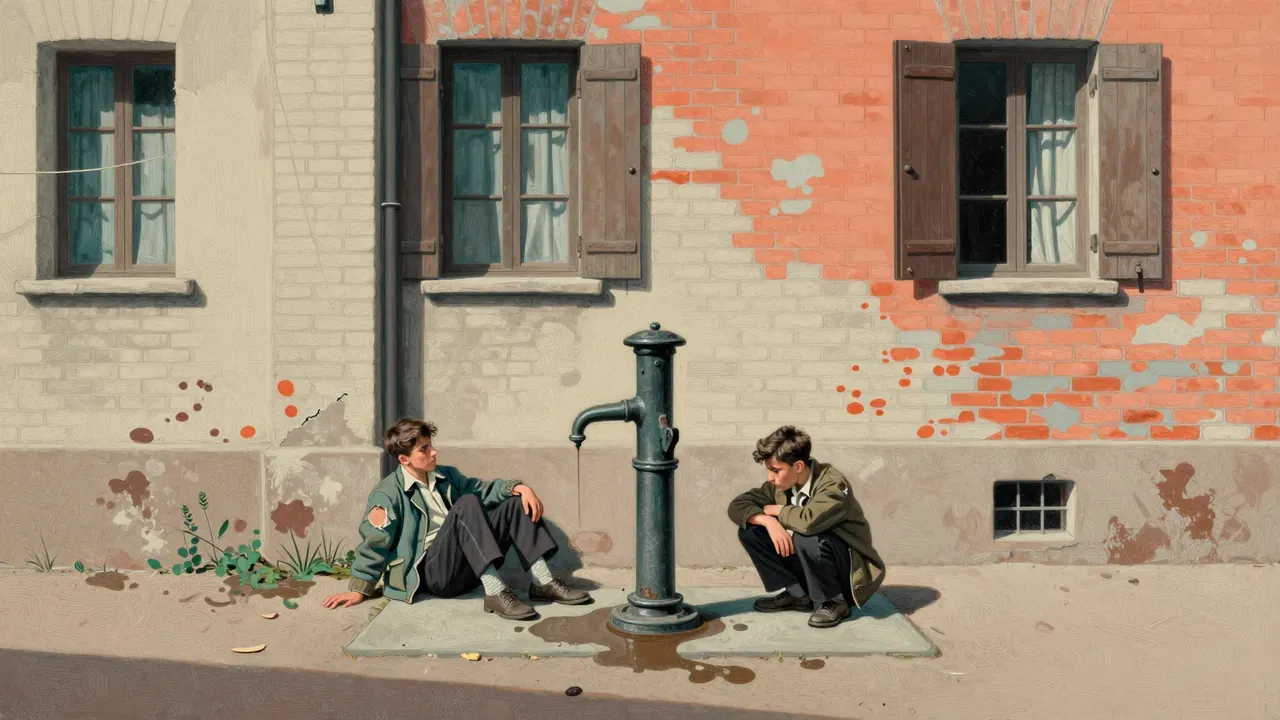
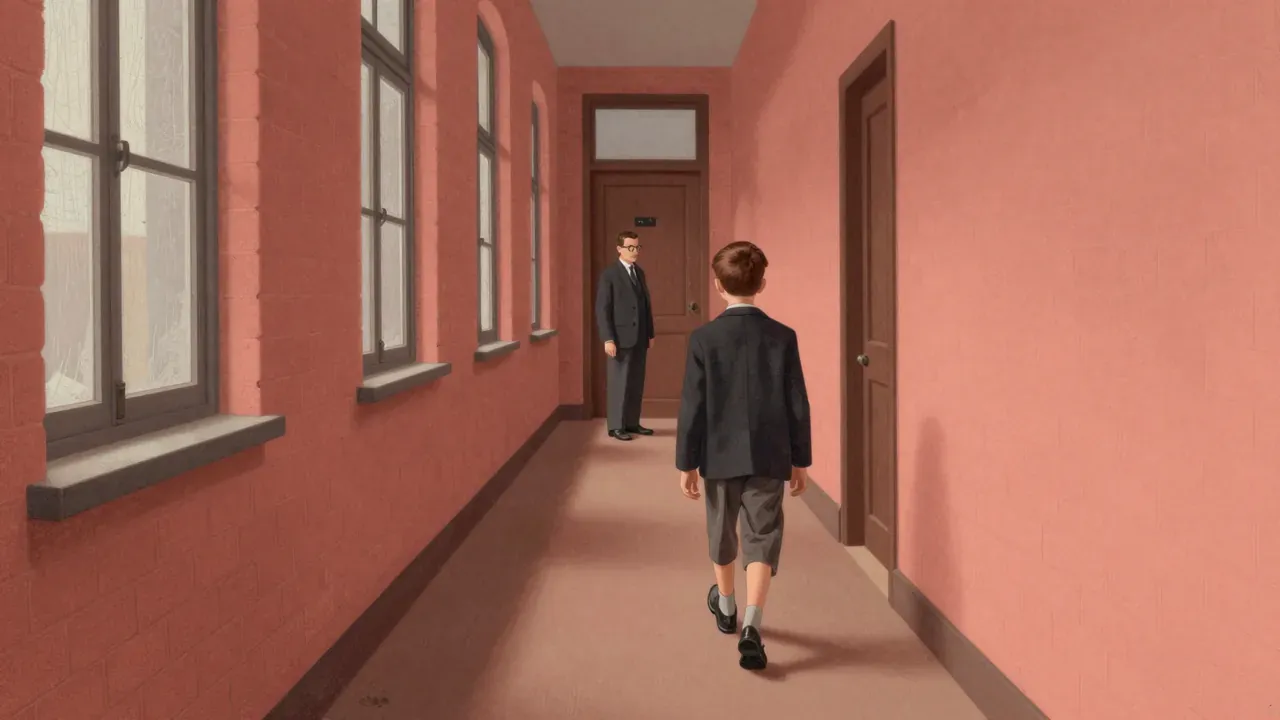
Shoeshine follows two Roman shoeshine boys drawn into a con, arrested, and sent to a juvenile reformatory where their friendship unravels under pressure. Directed by Vittorio De Sica in 1946, it uses non-professional actors, on-location shooting, and a spare, unsentimental script to depict how poverty and institutional failure corrode loyalty between children. Its power lies in restraint: no music swells, no speeches explain, no ending offers solace. It is a foundational work of Italian neorealism and the first film to win the Academy Award for Best International Feature Film.

13:00

Terminal Station

Vittorio De Sica · 1953

Terminal Station (1953) is Vittorio De Sica’s English-language drama set entirely in Rome’s Termini station, following an American woman torn between her husband and an Italian lover. Produced by David O. Selznick and plagued by creative conflict, it exists in two versions — an 89-minute Italian cut and a 72-minute American recut titled Indiscretion of an American Wife. Shot on location with restrained performances and atmospheric cinematography, it prioritises place and pause over plot, exposing tensions between neorealism and Hollywood convention. Though nominated at Cannes and for an Oscar, it divided critics and performers alike.

13:00

The Children Are Watching Us

Vittorio De Sica · 1944

Vittorio De Sica’s 1944 drama follows young Pricò as he observes his mother’s repeated departures and his father’s silent collapse. Shot by Romolo Garroni with austere precision and scored sparingly by Renzo Rossellini, it treats childhood not as innocence but as unblinking witness. There are no villains, no explanations — only cause, effect, and the unbearable clarity of a child’s gaze.

13:00

The Earrings of Madame de...

Max Ophüls · 1953

Max Ophüls’ 1953 French drama traces a pair of diamond earrings through the hands of an aristocratic couple and an Italian diplomat in Belle Époque Paris. Structured as a precise, repeating circuit rather than a linear narrative, it uses gliding camerawork, restrained performances, and ornate production design to explore desire, concealment, and social ritual—without psychological exposition or moral framing.

13:00

Umberto D.

Vittorio De Sica · 1952

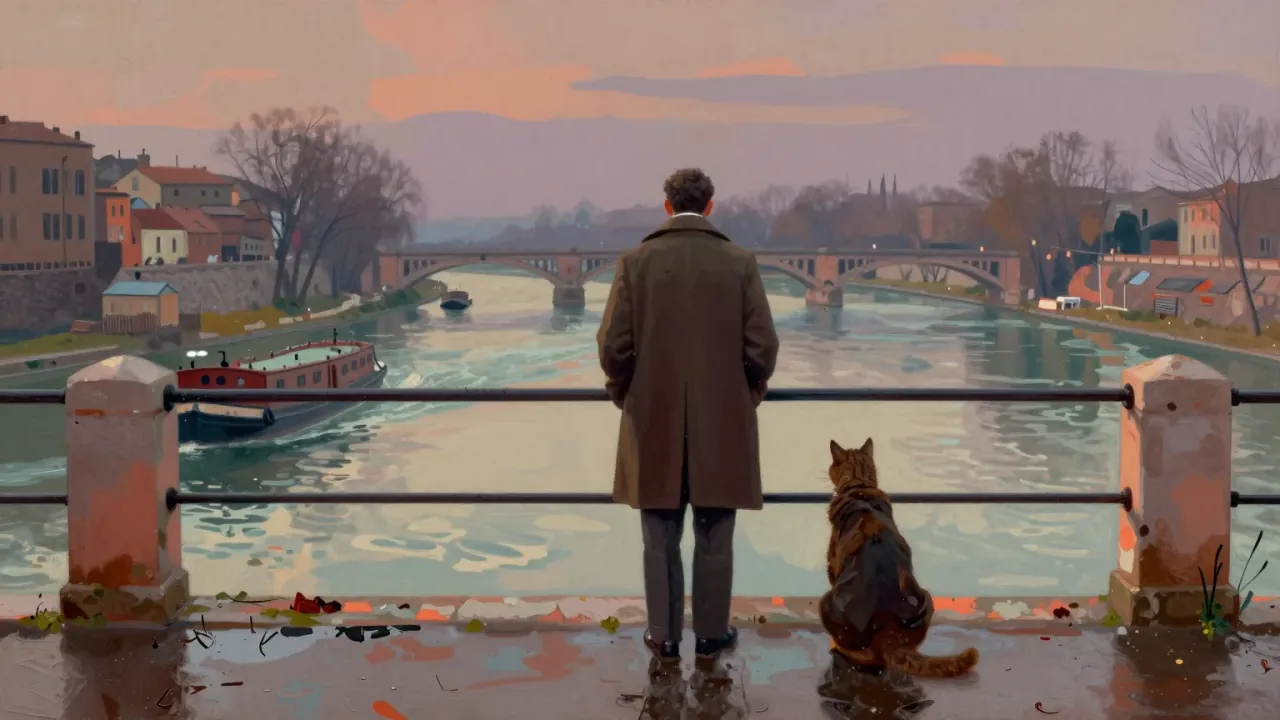
A retired Roman civil servant struggles to keep his room, his dignity, and his dog in post-war Italy. Directed by Vittorio De Sica and written by Cesare Zavattini, this 1952 neorealist drama uses non-professional actors, restrained cinematography, and a tightly focused narrative to depict ageing, dependency, and quiet endurance without sentiment or solution.

13:00

Bicycle Thieves

Vittorio De Sica · 1948

Vittorio De Sica's 1948 film follows Antonio Ricci, newly hired to paste up film posters across postwar Rome, whose bicycle, pawned to buy back for the job, is stolen within hours of his first shift. He and his young son Bruno spend the rest of the film combing the city's markets and streets for it, with almost no professional actors in the cast and much of it shot on location. Made for around $133,000, it won an honorary Academy Award before the foreign-language category existed and has been cited since as one of the clearest statements of Italian neorealism.