filmbriefs
Screenwriter · 1918–2018

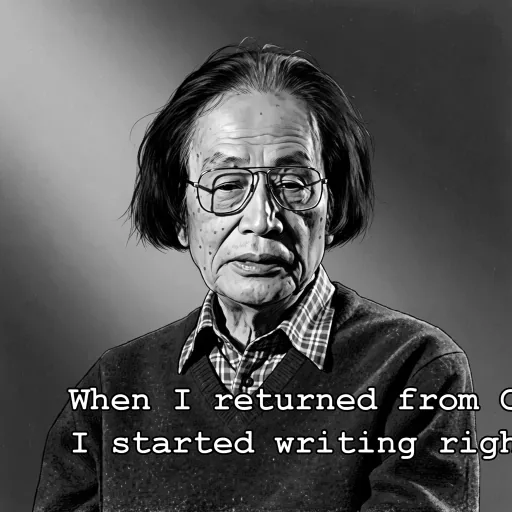
Shinobu Hashimoto

10
briefs
13:00
average
130 min
in total
On film.briefs10
13:00

Dodes'ka-den

Akira Kurosawa · 1970

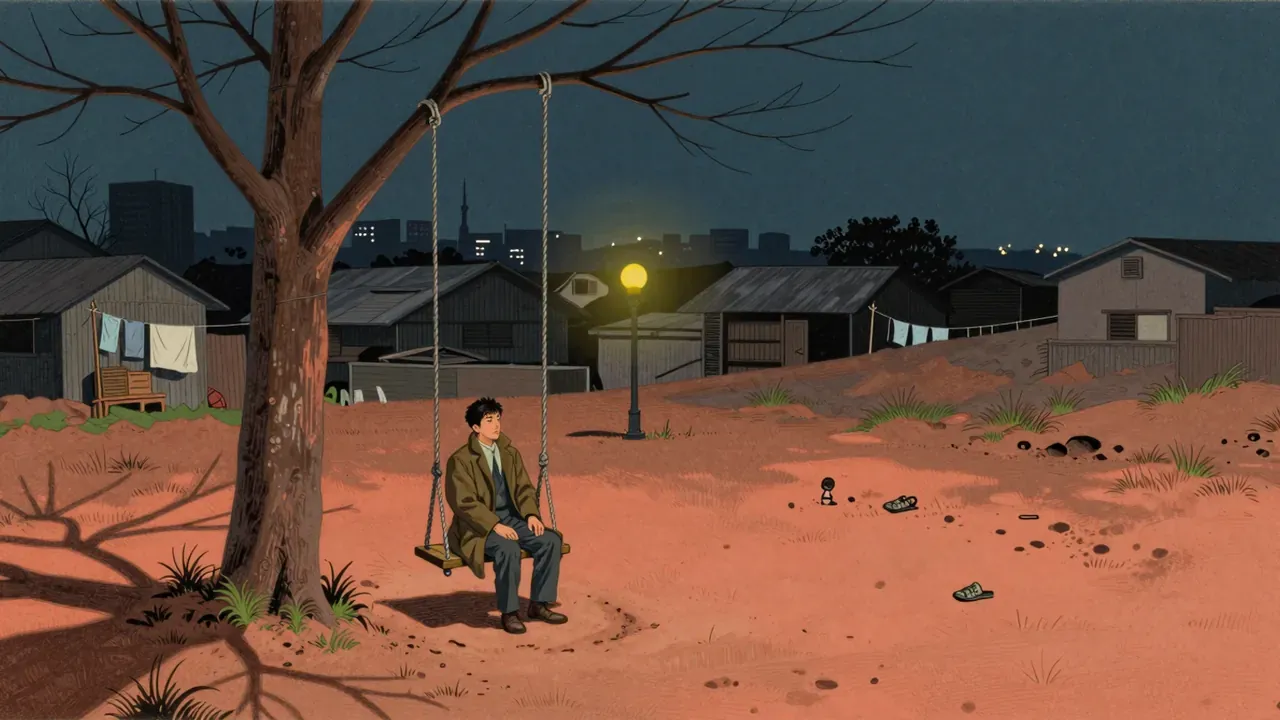
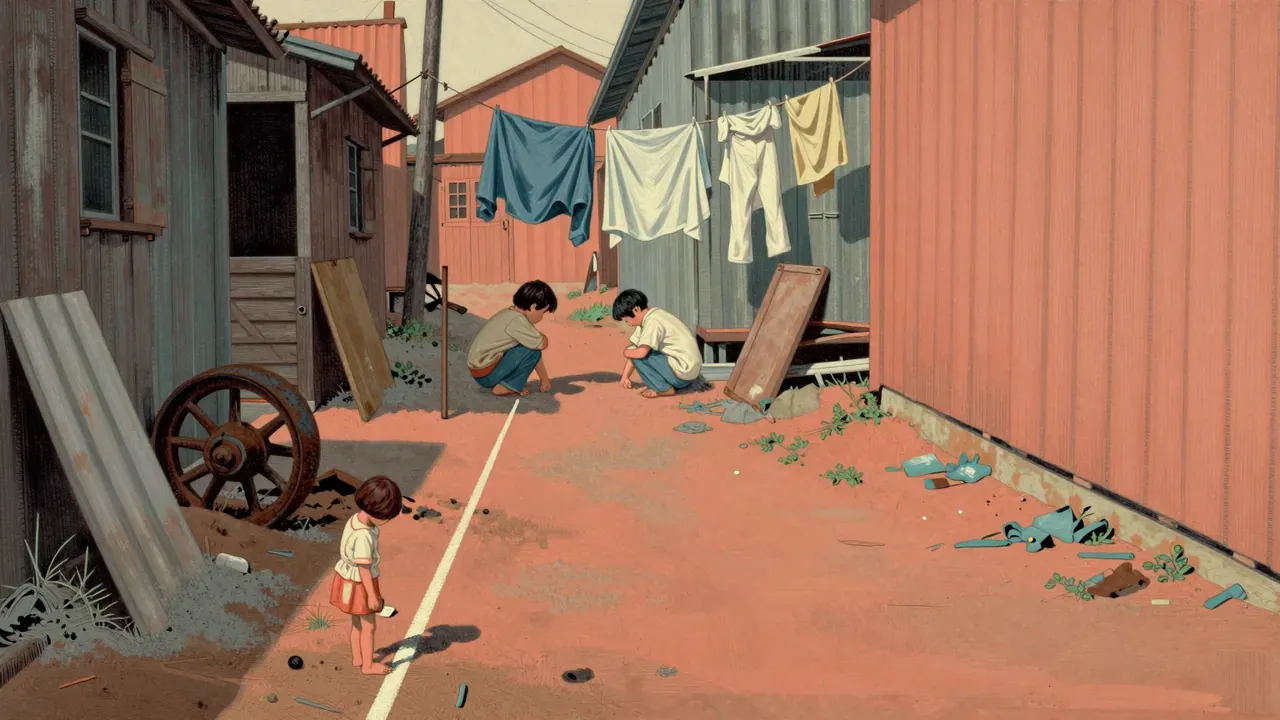
Akira Kurosawa’s 1970 film is a mosaic of lives in a Tokyo shantytown, structured as overlapping vignettes rather than a linear narrative. With no central protagonist, it follows characters including a boy who imagines himself a trolley driver, a silversmith who aids thieves, and parents burdened by neglect and infidelity. Shot in colour for the first time by Kurosawa, with Takao Saito as cinematographer and Tōru Takemitsu scoring in restrained, percussive tones, the film insists on dignity without sentiment, endurance without triumph. Its 140-minute runtime unfolds with unhurried precision, asking the viewer to inhabit a world shaped by scarcity, imagination, and quiet reciprocity.
13:00

Harakiri

Masaki Kobayashi · 1962

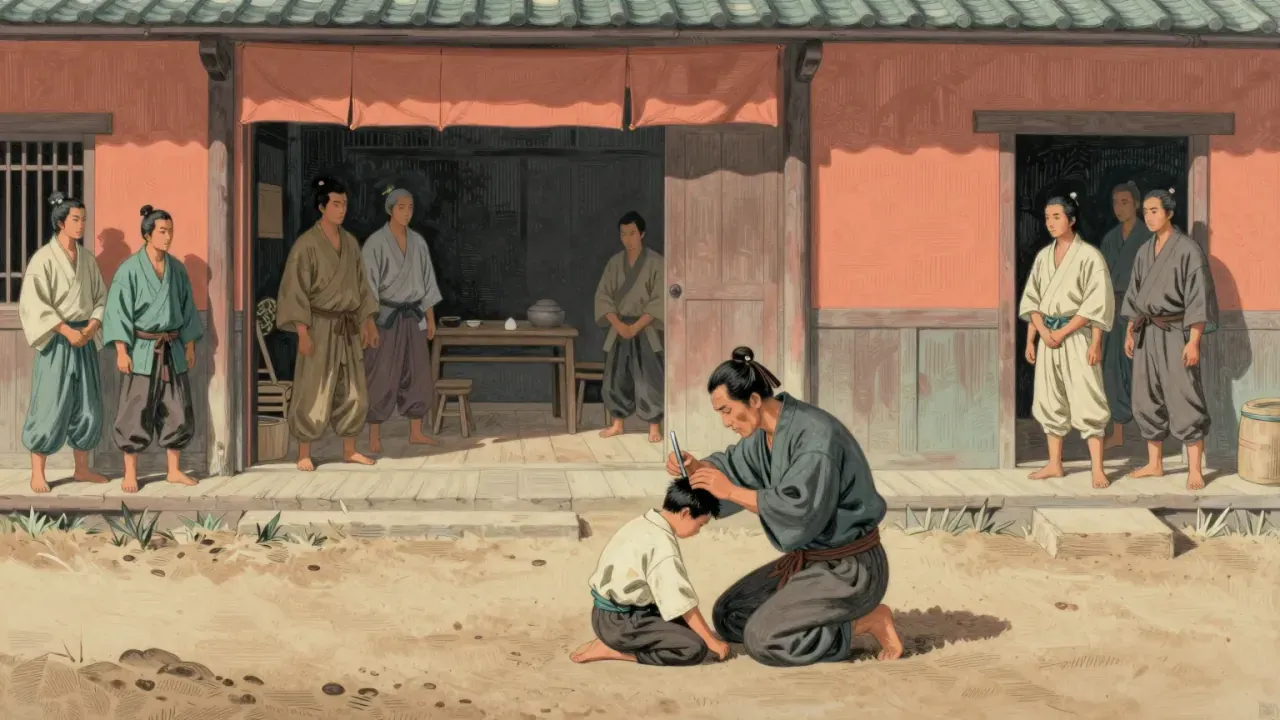
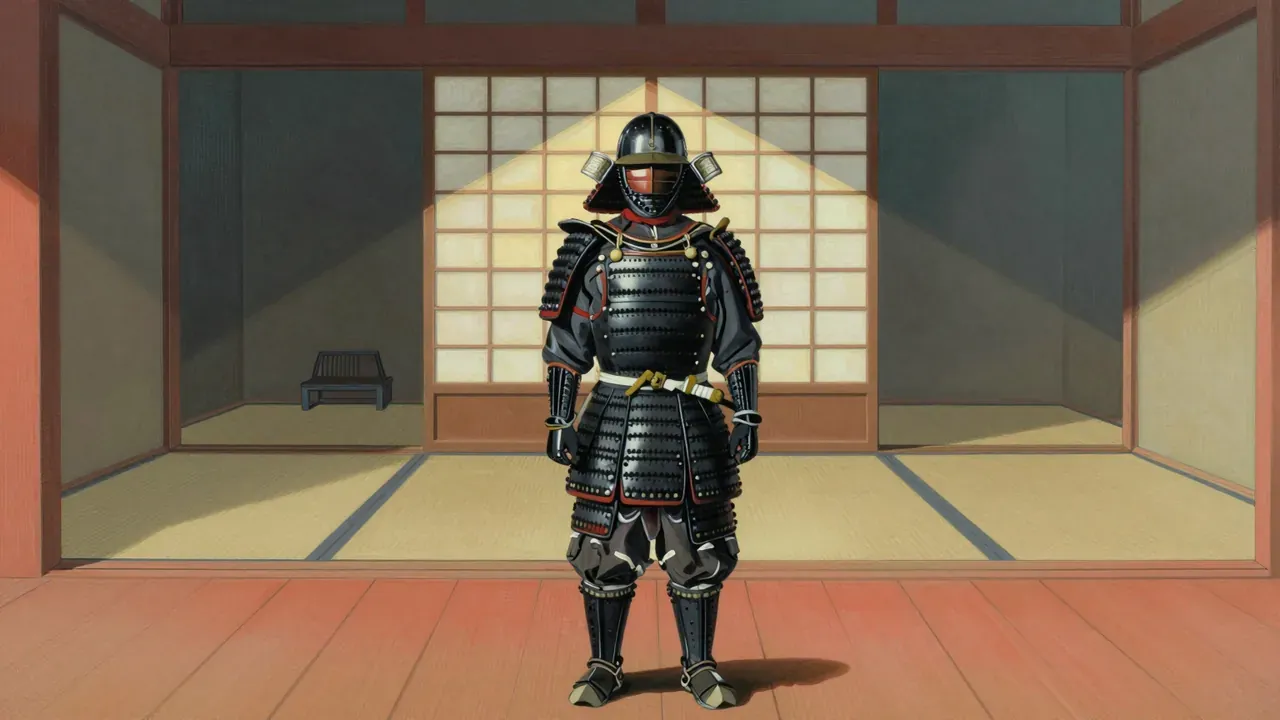
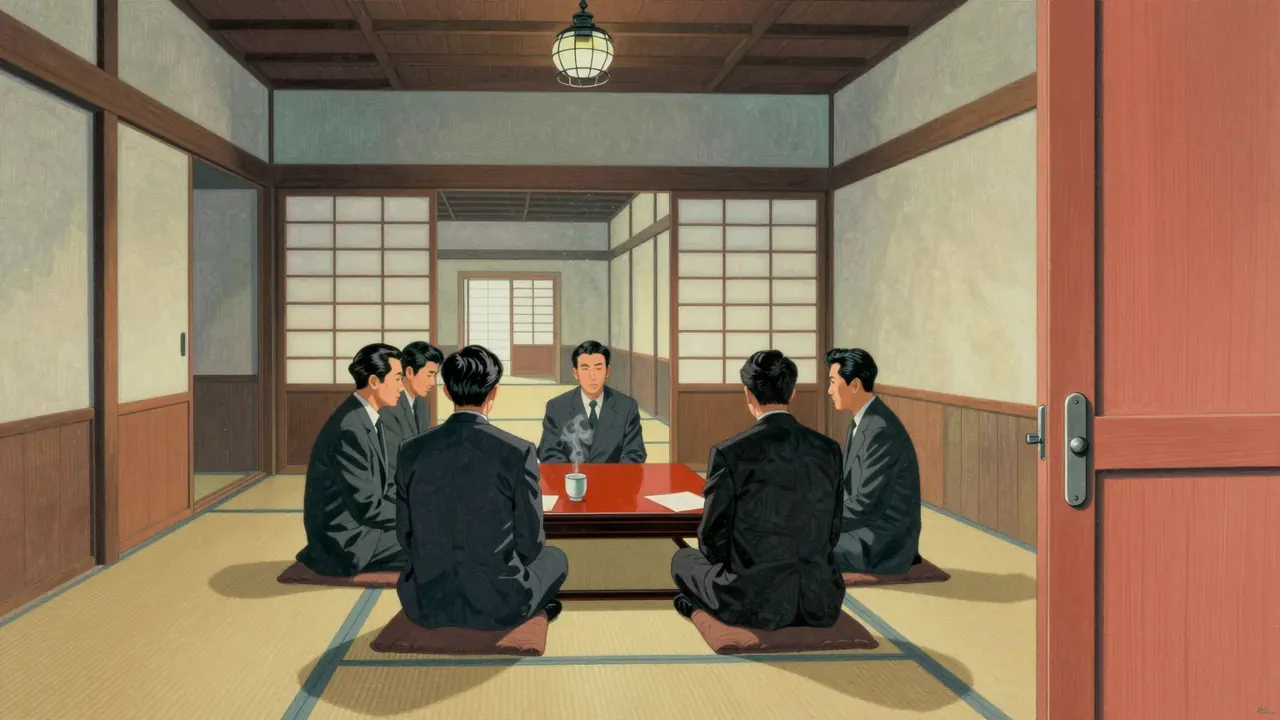
Masaki Kobayashi’s 1962 jidaigeki follows rōnin Tsugumo Hanshirō as he requests seppuku at the Iyi clan’s estate — not to die, but to force a reckoning with their hypocrisy. Through precise framing, restrained performance, and a narrative structured like a legal deposition, the film exposes how bushido functions as bureaucratic cover for cruelty. Tatsuya Nakadai anchors the film with implacable gravity; Yoshio Miyajima’s cinematography and Tōru Takemitsu’s score deepen its moral austerity. It remains a landmark of ethical cinema, less concerned with honour than with who bears the cost when honour becomes theatre.

13:00

I Live in Fear

Akira Kurosawa · 1955

Akira Kurosawa’s 1955 drama follows Kiichi Nakajima (Toshirō Mifune), an ageing foundry owner convinced that nuclear war is inevitable, and his desperate, legally contested plan to move his family to Brazil. Framed by a family arbitration and ending in psychiatric confinement, the film avoids sensationalism, using restrained performances, precise black-and-white cinematography by Asakazu Nakai, and Masaru Sato’s austere score to examine fear, competence, and the social cost of foresight in postwar Japan.

13:00

Ikiru

Akira Kurosawa · 1952

Ikiru (1952), directed by Akira Kurosawa, follows Kanji Watanabe, a Tokyo civil servant diagnosed with terminal cancer, as he seeks purpose in his final months. Rejecting hedonism and spiritual cliché, he devotes himself to realising a children’s playground stalled by bureaucratic inertia. Anchored by Takashi Shimura’s restrained performance and Asakazu Nakai’s unadorned cinematography, the film builds meaning through repetition, silence, and the quiet dignity of incremental action. Its structure—split by Watanabe’s death—shifts focus from his life to the puzzle of his final intent, resolved only in the tangible outcome of his labour.

13:00

Samurai Rebellion

Masaki Kobayashi · 1967

Masaki Kobayashi’s 1967 jidaigeki follows a loyal samurai whose adherence to protocol forces him into open revolt against his daimyo. Based on Yasuhiko Takiguchi’s short story and scripted by Shinobu Hashimoto, the film traces how rigid hierarchy turns love, parenthood, and honour into liabilities. With Toshirō Mifune and Tatsuya Nakadai, Kazuo Yamada’s restrained cinematography and Tōru Takemitsu’s sparse, traditional score deepen its austerity. It won Best Film at Kinema Junpo and Mainichi, and the FIPRESCI Prize at Venice.

13:00

The Hidden Fortress

Akira Kurosawa · 1958

Akira Kurosawa’s 1958 adventure follows two self-interested peasants who agree to smuggle a mysterious man and woman across hostile territory for gold, unaware the man is a famed general and the woman a deposed princess. Shot in Tohoscope widescreen, with Ichio Yamazaki’s naturalistic cinematography and Masaru Sato’s taut score, the film grounds epic stakes in petty motives, using the peasants’ limited perspective to explore class, loyalty and survival. Toshirō Mifune delivers restrained authority as General Rokurōta; Minoru Chiaki and Kamatari Fujiwara embody craven humanity as Tahei and Matashichi. Though structurally inventive and morally precise, the princess’s interiority remains deliberately obscured — a choice that sharpens some tensions and blunts others.

13:00

The Sword of Doom

Kihachi Okamoto · 1966

Kihachi Okamoto’s 1966 jidaigeki adapts Kaizan Nakazato’s unfinished novel as a stark, episodic descent: Tatsuya Nakadai’s Ryunosuke Tsukue, an amoral master swordsman, moves from calculated killings to haunted delusion, culminating in a freeze-frame mid-massacre. With minimal dialogue, tight compositions, and Masaru Sato’s percussive score, the film renders nihilism as physical fact — not through exposition, but posture, timing, and repetition. Its power lies in what it refuses: explanation, redemption, or release.

13:00

Throne of Blood

Akira Kurosawa · 1957

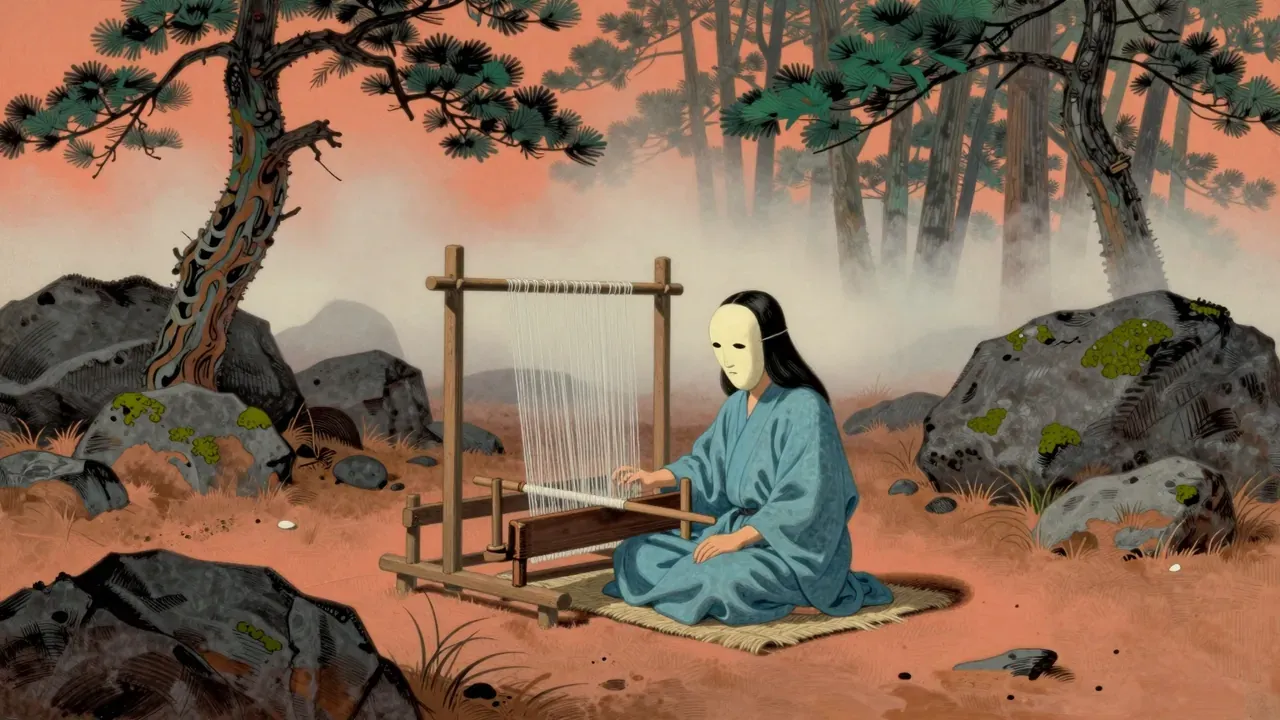
Akira Kurosawa’s 1957 Throne of Blood transposes Macbeth to feudal Japan, using Noh aesthetics, volcanic landscapes, and deliberate stillness to trace the physical and psychological narrowing of a man who kills to become lord — and finds only enclosure. Toshirō Mifune and Isuzu Yamada anchor a film where fog obscures but never excuses, and silence carries more threat than speech.

13:00

Rashomon

Akira Kurosawa · 1950

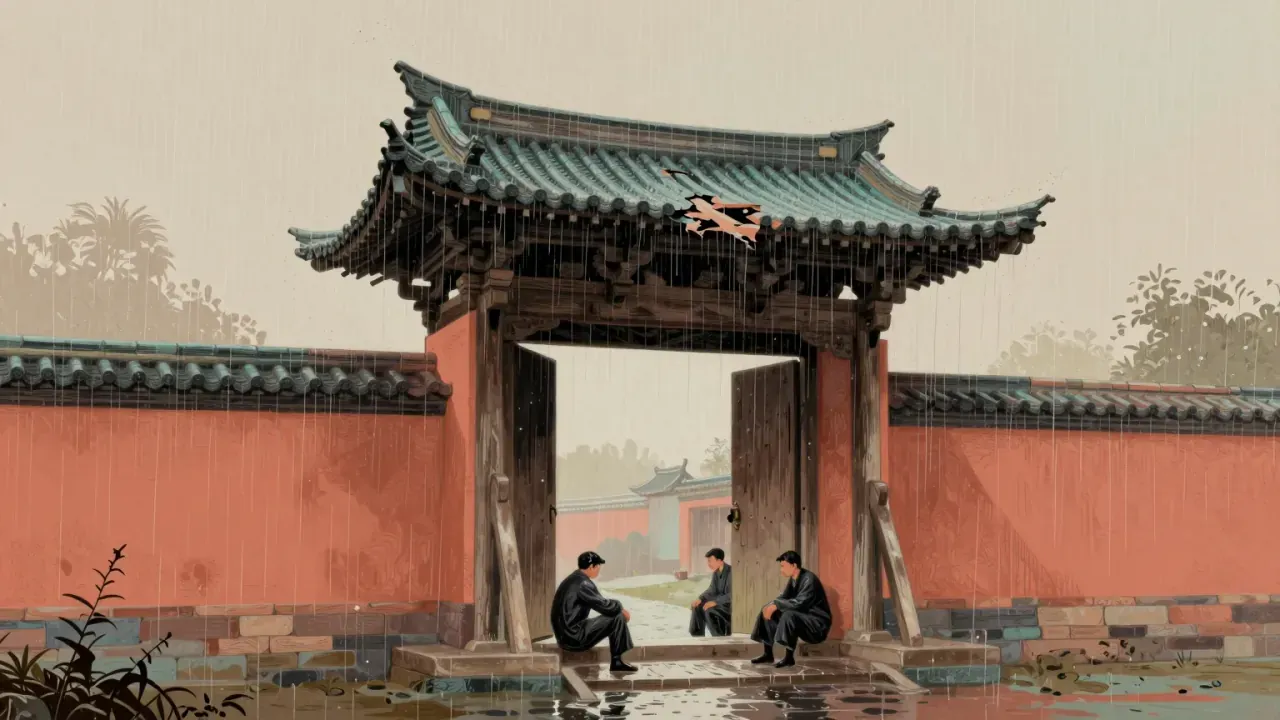
Akira Kurosawa's 1950 film gathers a woodcutter, a priest and a passer-by under the ruined Rashomon gate during a rainstorm as the first two recount a trial testimony about a samurai's death in a forest, told in turn by a captured bandit, the samurai's wife, the dead man himself through a medium, and finally the woodcutter who found the body. Shot by Kazuo Miyagawa, who pointed a camera directly into sunlight through forest canopy for the first time in Japanese studio film, and made for around $140,000, it won the Golden Lion at Venice and an honorary Academy Award, introducing much of the West to Japanese cinema in the process.

13:00

Seven Samurai

Akira Kurosawa · 1954

Akira Kurosawa's 1954 film follows a poor farming village that recruits seven masterless samurai, offering only food and shelter, to defend it against a bandit gang planning to return once the barley ripens. Shot by Asakazu Nakai across a punishing production that ran well over schedule, scored by Fumio Hayasaka and led by Toshiro Mifune and Takashi Shimura, the film ran to 207 minutes and cost 210 million yen, a large outlay for the period, before shaping the template that countless action and heist films have followed since.