filmbriefs
Director · Screenwriter · 1905–1969

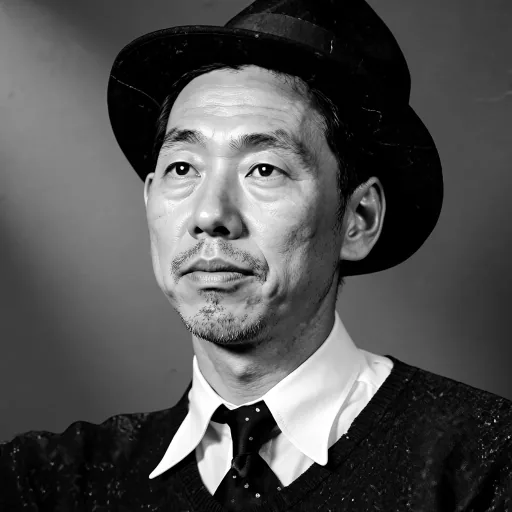
Mikio Naruse

7
briefs
13:00
average
91 min
in total
On film.briefs7
13:00

Apart from You

Mikio Naruse · 1933

Mikio Naruse’s 1933 silent drama follows Kikue, an ageing geisha, her ashamed teenage son Yoshio, and Terugiku, a younger colleague who mediates between them. Set in Tokyo’s geisha districts and a coastal fishing village, the film traces shifting loyalties, familial duty, and the cost of survival in a rigid social order. With precise editing, understated performances, and a pragmatic view of its world, it avoids moralising in favour of sustained observation.

13:00

Every-Night Dreams

Mikio Naruse · 1933

Mikio Naruse’s 1933 silent drama follows Omitsu, a bar hostess in depression-era Yokohama, as she navigates poverty, abandonment, and moral compromise to protect her young son. With Sumiko Kurishima in a performance of extraordinary restraint, the film traces how economic precarity reshapes love, duty, and selfhood — not through grand tragedy, but through accumulated, quiet concessions.

13:00

Flunky, Work Hard

Mikio Naruse · 1931

A 29-minute Japanese silent film from 1931, Mikio Naruse’s Flunky, Work Hard follows an insurance salesman’s desperate attempts to secure income and respect amid rent arrears, neighbourly friction, and parental failure. Shot in Shochiku’s Kamata studio, it blends nansensu comedy, tendency-film concern, and shoshimin-eiga realism—with abrupt tonal shifts, economical editing, and a structure built around irony and collapse. Its survival makes it a key artefact of early Naruse and interwar Japanese cinema.

13:00

No Blood Relation

Mikio Naruse · 1932

Mikio Naruse’s 1932 silent drama No Blood Relation follows actress Tamae’s return to Japan after five years abroad, hoping to reclaim her daughter Shigeko from the stepmother Masako, with whom the child has formed a deeper bond through shared hardship. Built on restraint and repetition rather than exposition or climax, it examines kinship as practice, not biology — a foundational work of Japanese realism whose quiet authority grows with attention.

13:00

Street Without End

Mikio Naruse · 1934

Street Without End (1934), Mikio Naruse’s final silent film, follows Tokyo waitress Sugiko as she navigates competing paths — marriage into wealth, stardom in film, or return to work — all shaped by rigid class boundaries and unspoken expectations. With restrained performances and precise, shallow-focus cinematography, it observes rather than judges, finding tension in stillness and consequence in repetition.

13:00

Floating Clouds

Mikio Naruse · 1955

Mikio Naruse’s 1955 drama Floating Clouds follows Yukiko (Hideko Takamine) as she navigates love, poverty, and disillusionment in post-war Japan. Returning from French Indochina, she renews an affair with married engineer Kengo (Masayuki Mori), only to find his promises hollowed by circumstance. With no grand speeches or dramatic turns, the film traces her slow attrition through walks, waits, and silences—anchored by Takamine’s physically precise performance and Naruse’s unwavering restraint.

13:00

When a Woman Ascends the Stairs

Mikio Naruse · 1960

Mikio Naruse’s 1960 drama follows Keiko Yashiro, a Ginza hostess in her late twenties, as she navigates debt, familial obligation, sexual coercion and professional rivalry while trying to open her own bar. With quiet precision, it charts her daily endurance — not as heroism but as habit — against a society that treats her age, grief and autonomy as liabilities. Hideko Takamine’s restrained performance and Naruse’s unadorned direction make the ordinary unbearable and unforgettable.