filmbriefs
Cinematographer · 1935–2017

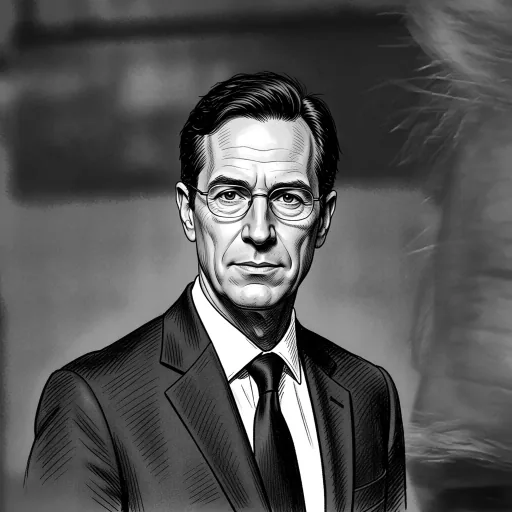
Michael Ballhaus

12
briefs
13:00
average
156 min
in total
On film.briefs12
13:00

After Hours

Martin Scorsese · 1985

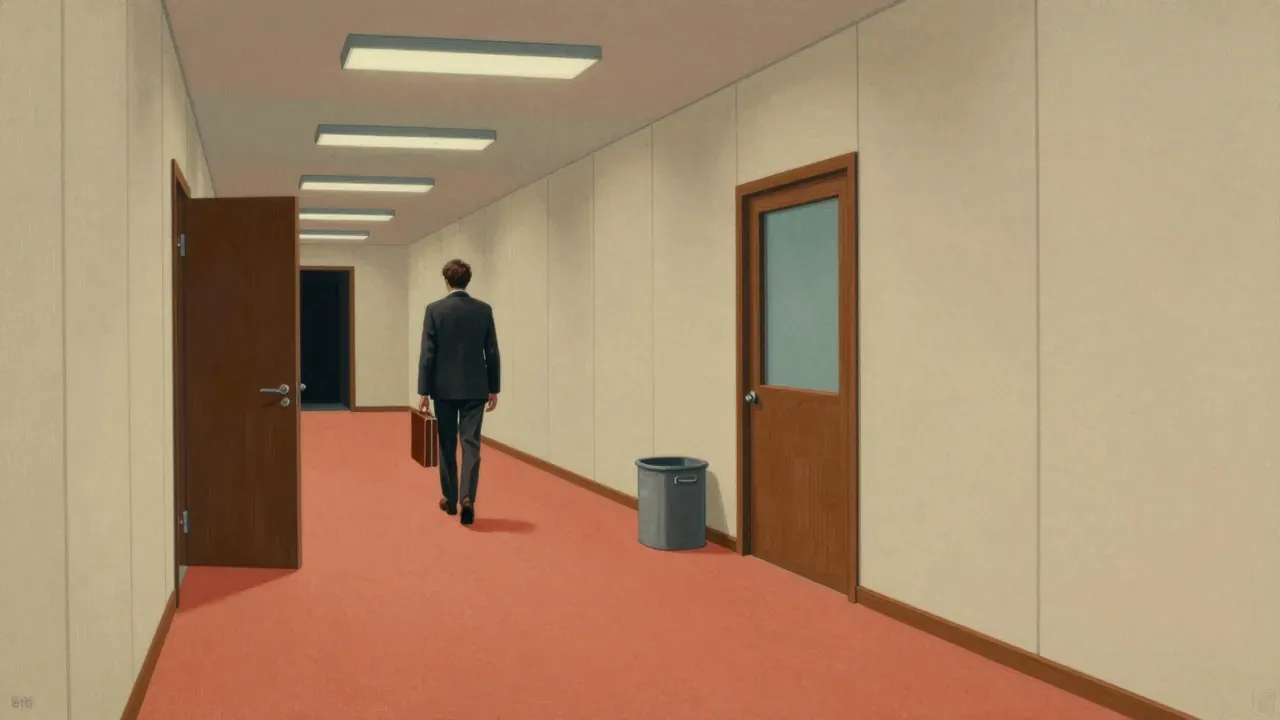
Martin Scorsese’s 1985 black comedy follows office worker Paul Hackett through a single, increasingly surreal night in SoHo. Stranded without money, misunderstood at every turn, and hunted by neighbours, he careens from one absurd crisis to the next — until the plaster hardens, the van doors fly open, and he crashes, barefoot and broken, into his office at dawn. Michael Ballhaus’s tight cinematography, Thelma Schoonmaker’s razor-sharp editing, and Howard Shore’s nervy score sustain a tone of escalating, inescapable farce.

13:00

Beware of a Holy Whore

Rainer Werner Fassbinder · 1971

Rainer Werner Fassbinder’s 1971 drama Beware of a Holy Whore stages the slow disintegration of a film crew stranded in a Spanish hotel, awaiting production that never begins in earnest. Shot by Michael Ballhaus and edited by Fassbinder and Thea Eymèsz, it uses repetition, confinement and unresolved tension to explore self-deception, dependency and the violence of creative collaboration.

13:00

Broadcast News

James L. Brooks · 1987

Broadcast News (1987), written and directed by James L. Brooks, follows a Washington, D.C. television news producer torn between a brilliant but socially inept reporter and a telegenic but intellectually shallow anchor. Set against the shifting ethics of 1980s network news, it uses workplace realism, precise performances, and understated craft to explore ambition, integrity, and the quiet costs of professional excellence.

13:00

Fox and His Friends

Rainer Werner Fassbinder · 1975

Rainer Werner Fassbinder’s 1975 drama follows Franz ‘Fox’ Bieberkopf, a working-class gay man who wins the lottery and enters the orbit of Eugen, the elegant, calculating son of an industrialist. As Fox funds Eugen’s failing business and lifestyle, his generosity is absorbed, his manners corrected, his autonomy erased — until he is discarded, penniless and alone. Shot by Michael Ballhaus and scored by Peer Raben, the film treats affection as a commodity with expiry dates, and class as a grammar no amount of love can rewrite.

13:00

The Age of Innocence

Martin Scorsese · 1993

Martin Scorsese’s 1993 adaptation of Edith Wharton’s novel follows Newland Archer, a New York lawyer caught between dutiful engagement to May Welland and forbidden attraction to her unconventional cousin Ellen Olenska. Set in the rigidly codified world of 1870s Gilded Age society, the film uses meticulous craft — Michael Ballhaus’s measured cinematography, Thelma Schoonmaker’s unhurried editing, Elmer Bernstein’s sparse score — to render emotional repression as physical fact. It is a romance without consummation, a drama without outbursts, and a period piece that treats etiquette as ideology.

13:00

The Bitter Tears of Petra von Kant

Rainer Werner Fassbinder · 1972

Rainer Werner Fassbinder’s 1972 chamber drama confines itself to one Bremen apartment, tracing the rise and collapse of fashion designer Petra von Kant’s obsessive relationship with younger woman Karin Thimm. With an all-female cast and static, theatrical staging, it uses repetition, framing and silence to dissect codependency, class, and the violence of care — not as psychology, but as architecture.

13:00

The Last Temptation of Christ

Martin Scorsese · 1988

Martin Scorsese’s 1988 adaptation of Nikos Kazantzakis’s novel imagines Jesus not as divine certainty but as a man besieged by doubt, desire, and exhaustion. Willem Dafoe stars in a performance defined by physical and vocal restraint, supported by Michael Ballhaus’s muted cinematography and Peter Gabriel’s world-music score. Shot in Morocco on a $7m budget, it avoids spectacle in favour of psychological texture — from the dusty realism of Nazareth to the hallucinatory austerity of the desert. Controversial on release for its humanisation of Christ, it endures as a rare studio film that treats spiritual struggle with existential seriousness, not dogma.

13:00

The Marriage of Maria Braun

Rainer Werner Fassbinder · 1979

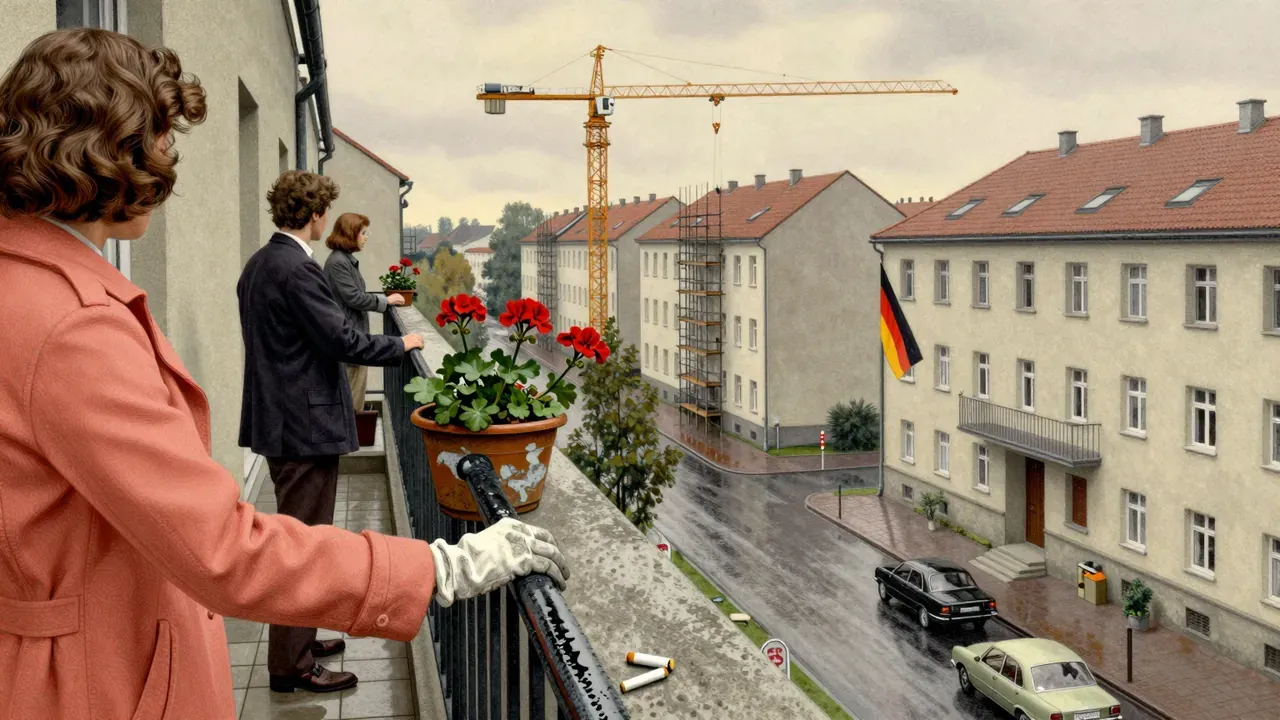
Rainer Werner Fassbinder’s 1979 drama follows Maria Braun from her wartime wedding through fifteen years of survival, ambition, and moral compromise in postwar West Germany. Hanna Schygulla’s restrained performance anchors a film that charts national recovery through private sacrifice — loyalty weaponised, love instrumentalised, and agency steadily dissolved. Shot by Michael Ballhaus and scored by Peer Raben, it is the first of Fassbinder’s BRD Trilogy.

13:00

World on a Wire

Rainer Werner Fassbinder · 1973

Rainer Werner Fassbinder’s 1973 two-part television serial adapts Daniel F. Galouye’s Simulacron-3 as a cool, methodical inquiry into perception, memory, and institutional control. Set in a near-future West Germany indistinguishable from the present, it follows cyberneticist Fred Stiller as he uncovers layers of simulation — not as spectacle, but as bureaucratic fact. Shot on 16mm by Michael Ballhaus, scored sparsely by Gottfried Hüngsberg, and performed with deliberate restraint, it sustains a quiet, recursive unease across 210 minutes. Its power lies in accumulation, not climax: names disappear, people vanish, logic folds — all without fanfare.

13:00

Working Girl

Mike Nichols · 1988

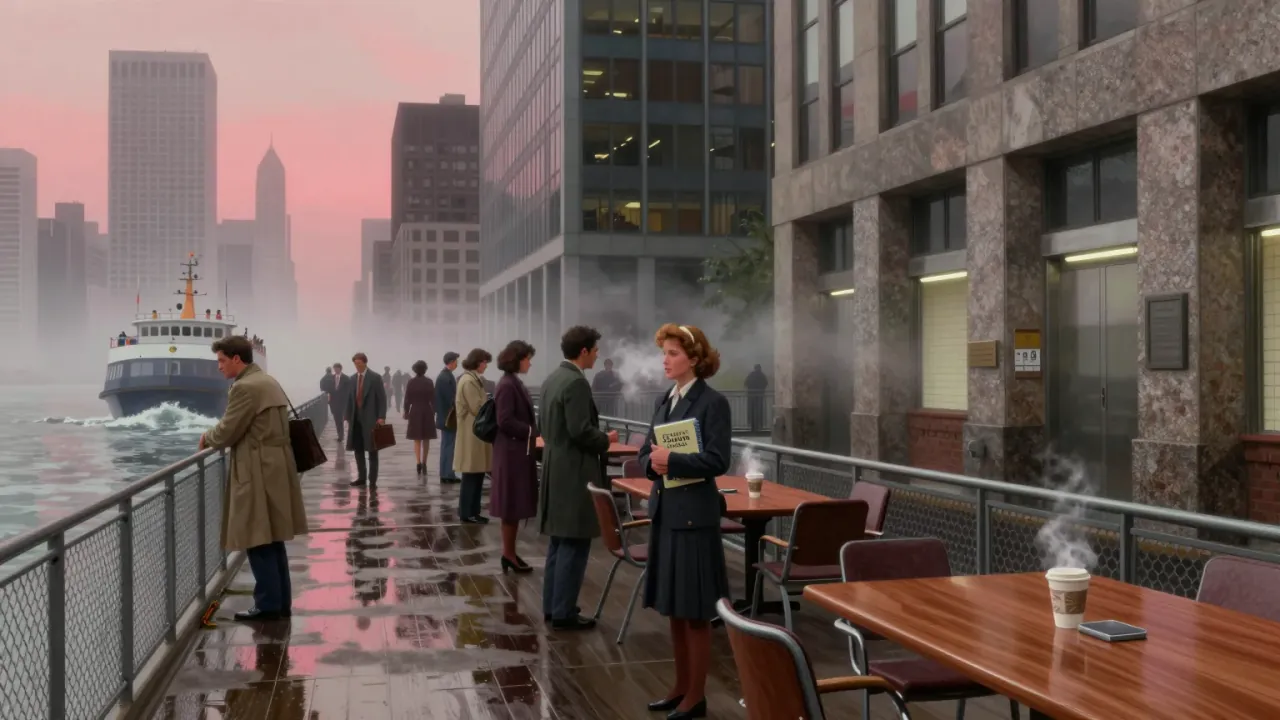
Working Girl (1988), directed by Mike Nichols, follows Tess McGill, a Staten Island secretary with a night-school business degree, as she navigates corporate Manhattan. After being fired from one brokerage, she lands a job with Katharine Parker at Petty Marsh — only to discover her boss intends to steal her idea for a radio-network acquisition. When Katharine breaks her leg, Tess steps in, borrows her wardrobe, and executes the deal herself. Melanie Griffith, Harrison Ford, and Sigourney Weaver anchor a tightly written, visually controlled film that treats ambition as procedural, not mythical — and success as earned, narrow, and reversible.

13:00

Postcards from the Edge

Mike Nichols · 1990

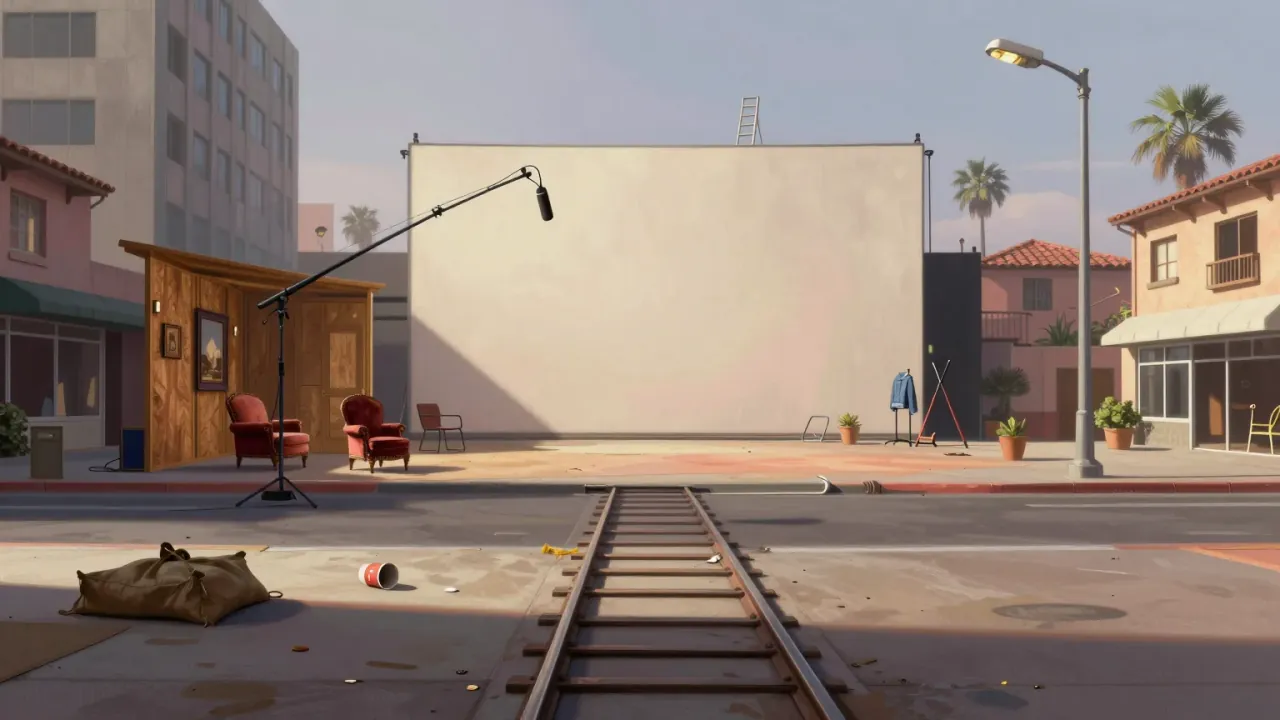
Postcards from the Edge (1990), directed by Mike Nichols and adapted by Carrie Fisher from her semi-autobiographical novel, follows actress Suzanne Vale’s return to work after a drug overdose, contingent on living with her formidable mother Doris. Anchored by Meryl Streep and Shirley MacLaine, it uses Hollywood’s machinery — insurance riders, on-set critiques, studio politics — as the frame for a sharp, unsentimental study of intergenerational inheritance, performance as survival, and the quiet labour of staying sober without mythologising it.

13:00

Goodfellas

Martin Scorsese · 1990

Martin Scorsese's 1990 account of Henry Hill's rise and fall inside the Lucchese crime family, adapted from Nicholas Pileggi's book Wiseguy. Told through overlapping narration and a compressed, accelerating style, it follows money, loyalty and violence as the daily business of a life Hill first found glamorous and eventually could not escape.