filmbriefs
Actor · 1931–2015

Magali Noël

6
briefs
13:00
average
78 min
in total
On film.briefs6
13:00

Anna's Meetings

Chantal Akerman · 1978

Chantal Akerman’s 1978 film follows Anne Silver, a Belgian filmmaker travelling across Western Europe to promote her work. She meets lovers, friends, family and strangers, but remains emotionally detached. Shot in restrained, observational style by Jean Penzer and edited by Francine Sandberg, the film builds its power through duration, repetition and unspoken tension — culminating in Anne alone, listening to unanswered messages. It is a study in autonomy, exhaustion and the quiet persistence of loneliness.
13:00

Satyricon

Federico Fellini · 1969

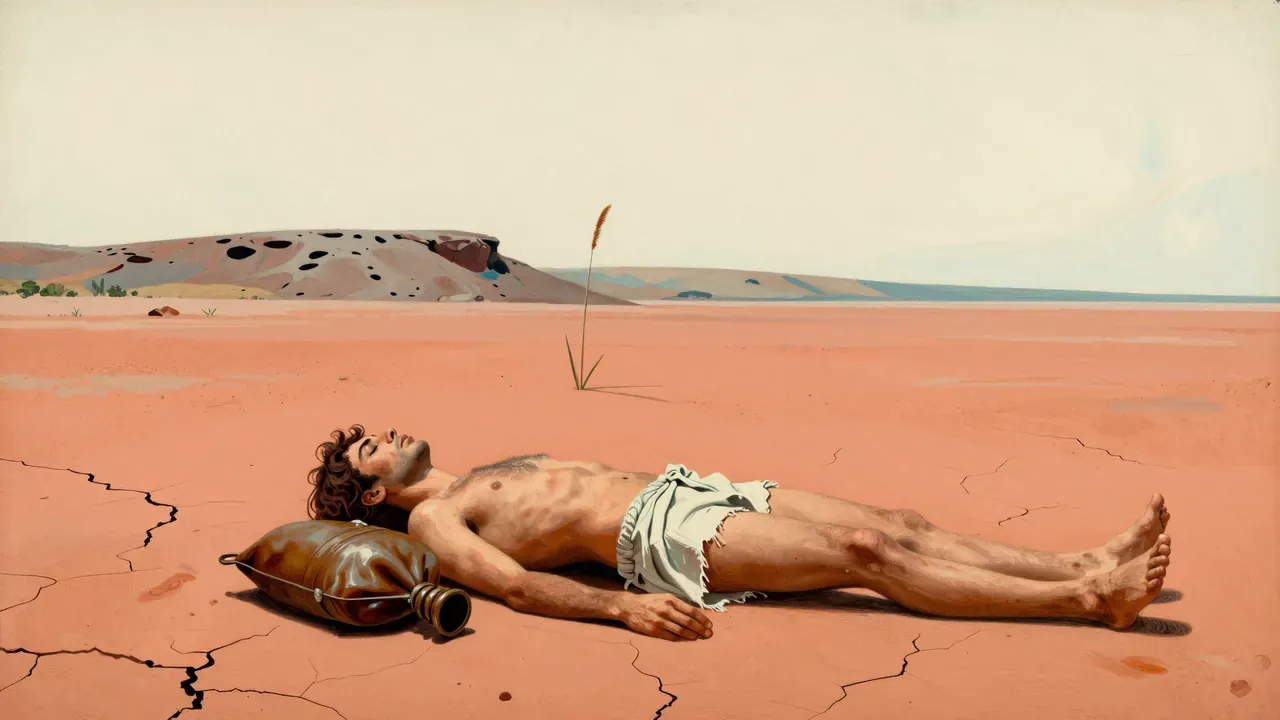
Federico Fellini’s 1969 Satyricon is a hallucinatory, episodic reimagining of Petronius’s fragmented Roman satire. Shot on studio sets and Italian locations by Giuseppe Rotunno, it follows Encolpius (Martin Potter) through a surreal, decaying empire — brothels, banquets, pirate ships, deserts — where power is performative, desire transactional, and narrative secondary to texture and tone. Nino Rota’s score and Danilo Donati’s production design anchor its visceral, dreamlike logic.

13:00

Z

Costa-Gavras · 1969

A 1969 French-Algerian political thriller directed by Costa-Gavras, Z dramatises the assassination of a left-wing Greek politician and the subsequent judicial cover-up. Built from real events and adapted from Vassilis Vassilikos’s novel, it follows a magistrate’s methodical investigation as institutional resistance mounts. Shot by Raoul Coutard and scored by Mikis Theodorakis, it won the Academy Award for Best International Feature Film and Best Film Editing. Its epilogue traces the collapse of democracy into military dictatorship — and the banning of the letter 'Z' itself.

13:00

Rififi

Jules Dassin · 1955

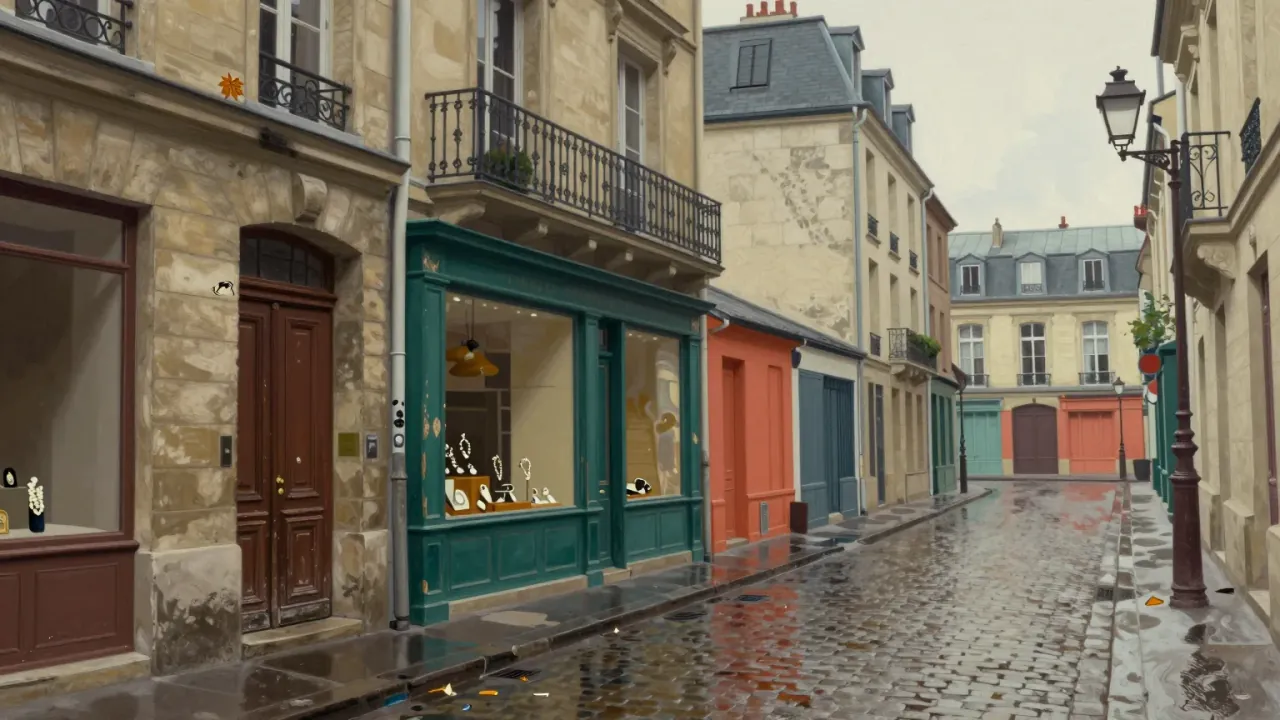
Rififi (1955), directed by Jules Dassin, is a French crime film centred on a meticulously detailed, nearly silent jewellery heist in Paris. Made on a low budget after Dassin’s Hollywood blacklist, it strips away music, exposition, and glamour to focus on process, consequence, and the collapse of a thieves’ code. Its enduring power lies in its restraint: no score during the heist, no close-ups for emphasis, no redemption offered.

13:00

Amarcord

Federico Fellini · 1973

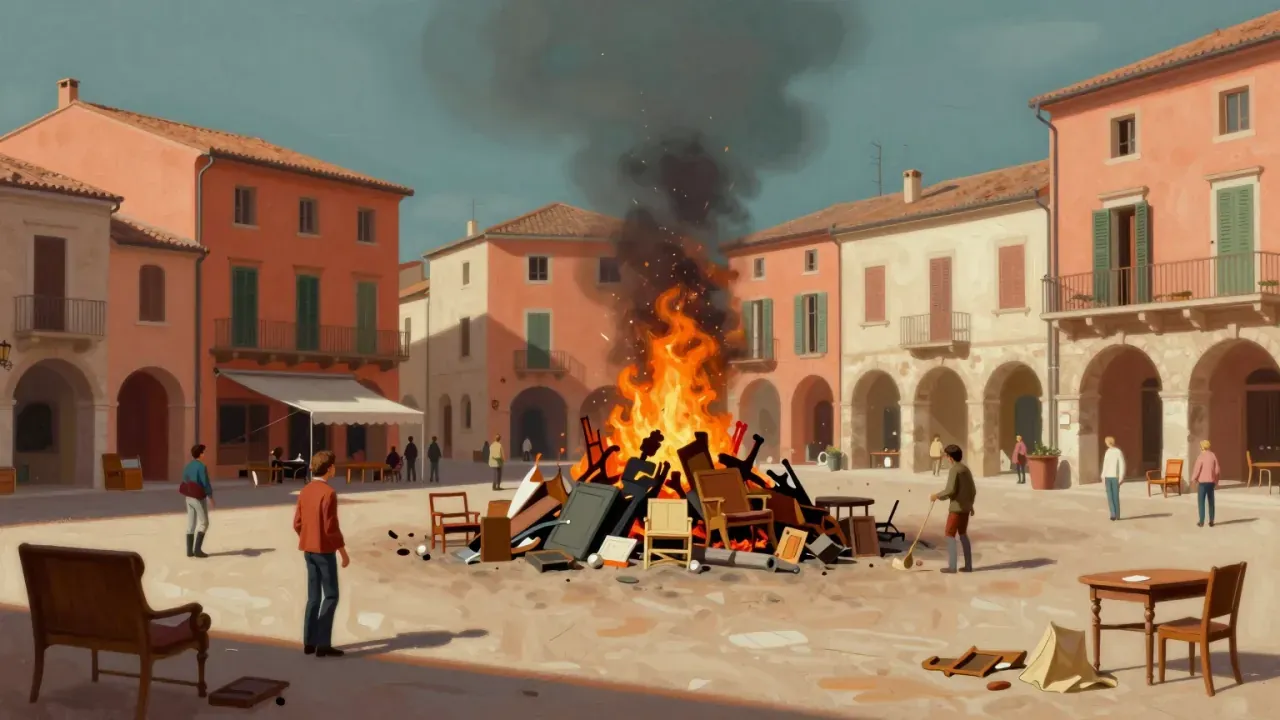
Federico Fellini’s 1973 Amarcord is a semi-autobiographical art film set in a fictionalised 1930s Rimini, structured as a year-long seasonal cycle through the life of a coastal village under Fascism. Starring Bruno Zanin and featuring a large ensemble of professional and non-professional actors, it uses exaggerated, theatrical imagery and episodic storytelling to evoke memory as associative, contradictory, and deeply sensual. Giuseppe Rotunno’s cinematography, Nino Rota’s score, and Ruggero Mastroianni’s editing cohere around a central irony: that collective remembrance often obscures moral accountability. Winner of the 1975 Academy Award for Best International Feature Film, it remains a defining work of Italian arthouse cinema.

13:00

La Dolce Vita

Federico Fellini · 1960

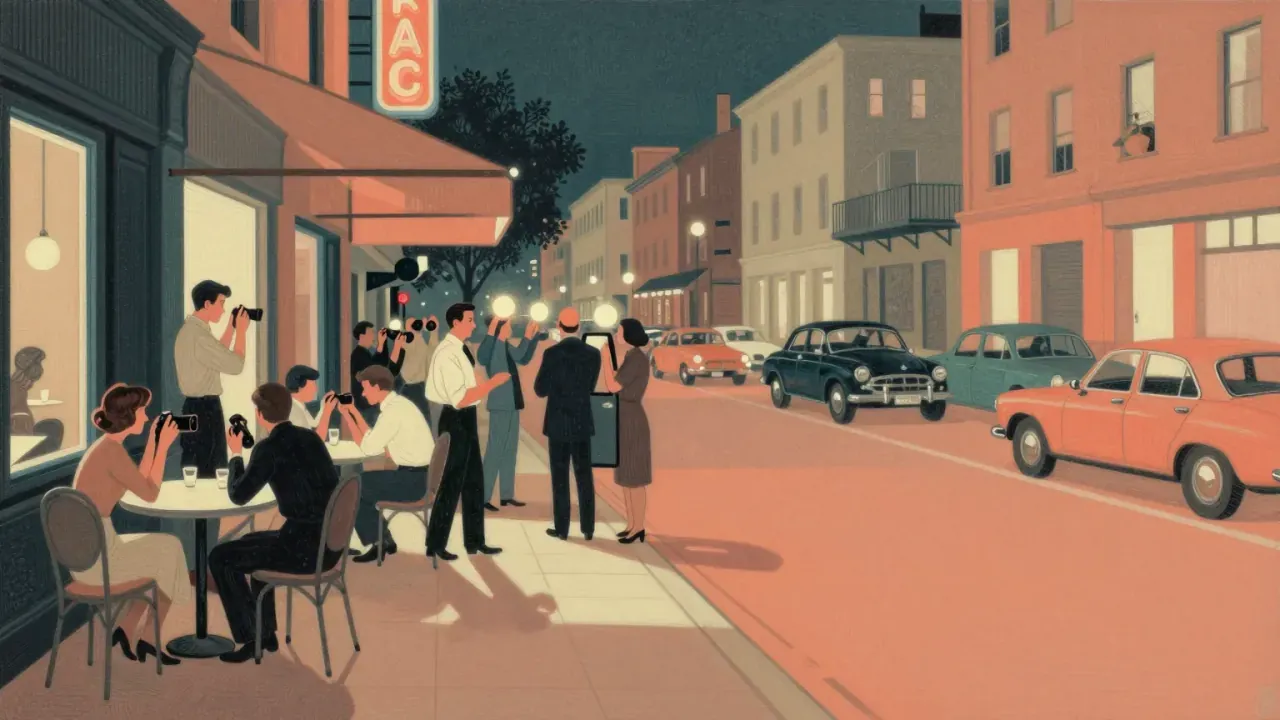
Federico Fellini's 1960 portrait of a tabloid journalist drifting through Rome's high society over a week of nights gave the world the word paparazzi and became both a critical landmark and a box-office hit despite censors in several countries. Marcello Mastroianni anchors an episodic structure built around parties, a starlet's arrival, and a friend's unexplained despair, shot largely at Cinecittà on Piero Gherardi's elaborate sets.