filmbriefs
Actor · Director · Screenwriter · Producer · 1907–1989

Laurence Olivier

10
briefs
13:00
average
130 min
in total
On film.briefs10
13:00

49th Parallel

Michael Powell · 1941

49th Parallel (1941), directed by Michael Powell and written by Emeric Pressburger, follows six German sailors stranded in Canada after their U-boat is destroyed. As they attempt to cross into neutral America, each encounter — with Inuit hunters, Hutterite farmers, a bohemian writer, and a disillusioned soldier — exposes the limits of Nazi ideology. Shot across Canada and at Denham Studios, with music by Ralph Vaughan Williams and editing by David Lean, it is a morally precise, formally restrained war drama that argues through confrontation, not combat.
13:00

Hamlet

Laurence Olivier · 1948

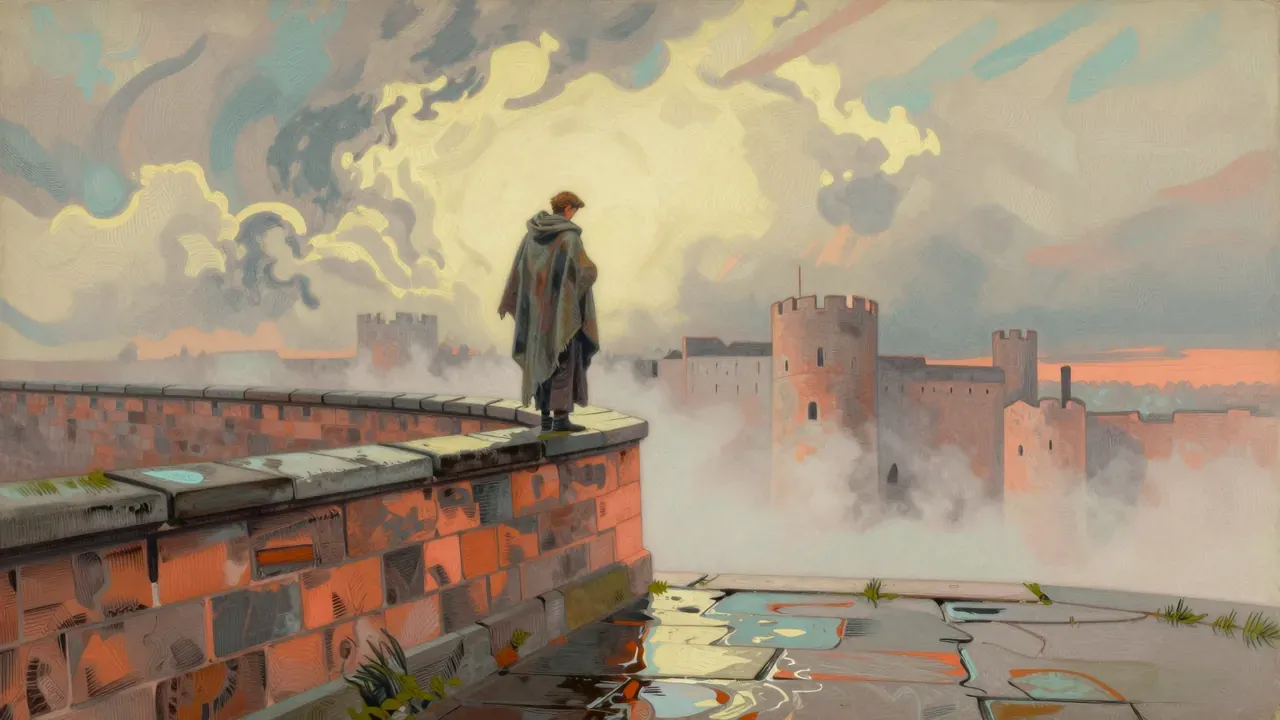
Laurence Olivier’s 1948 Hamlet is a tightly focused, black-and-white adaptation that cuts over half the play to centre Hamlet’s paralysed will and moral uncertainty. Shot by Desmond Dickinson with deep focus and scored by William Walton, it uses sound design, editing, and performance to render interiority as physical fact. Though controversial among purists for its omissions — including Fortinbras and Rosencrantz and Guildenstern — it won Best Picture and Best Actor at the 1949 Oscars, and remains a landmark of Shakespearean cinema for its formal rigour and psychological intensity.

13:00

Henry V

Laurence Olivier · 1944

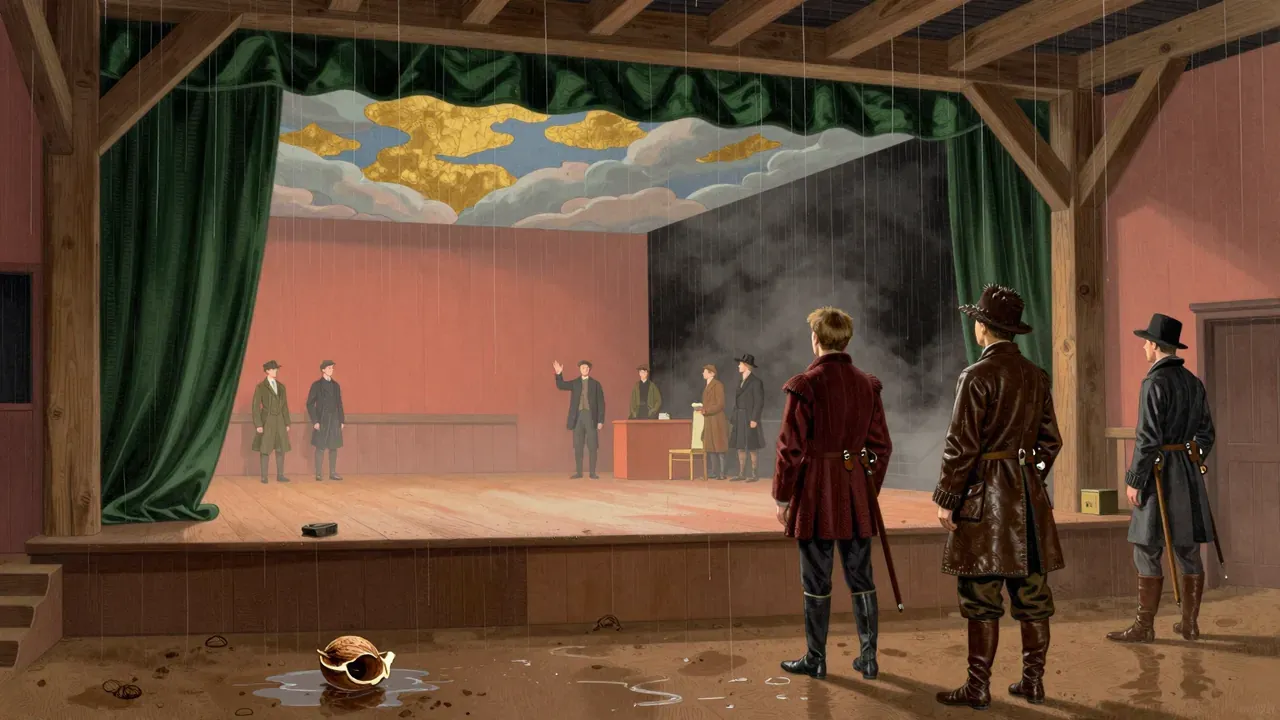
Laurence Olivier’s 1944 Henry V is a British government-backed film designed to bolster morale during the Second World War. Shot in Technicolor on location in Ireland and at Denham Studios, it blends miniature models, medieval manuscript aesthetics, and naturalistic battle scenes to recast Shakespeare’s play as a unifying national myth. Olivier stars, directs, and co-writes, omitting Henry’s harsher actions to foreground leadership, language, and legacy. Its craft — in cinematography, costume, editing and Walton’s score — is exacting and intentional. Though simplified in ethics, it remains a landmark of cinematic adaptation and wartime culture.

13:00

Richard III

Laurence Olivier · 1955

Laurence Olivier’s 1955 Richard III is a Technicolor, 161-minute British drama adapting Shakespeare with material from Henry VI, Part 3. Olivier directs, produces and stars, supported by Ralph Richardson, Claire Bloom and John Gielgud. Otto Heller’s cinematography and William Walton’s score reinforce the film’s theatrical intensity. Though heavily cut for pace and focus, it remains a landmark in Shakespearean adaptation — acclaimed at release, awarded five major prizes, and later reappraised as Olivier’s finest screen Shakespeare.

13:00

Romeo and Juliet

Franco Zeffirelli · 1968

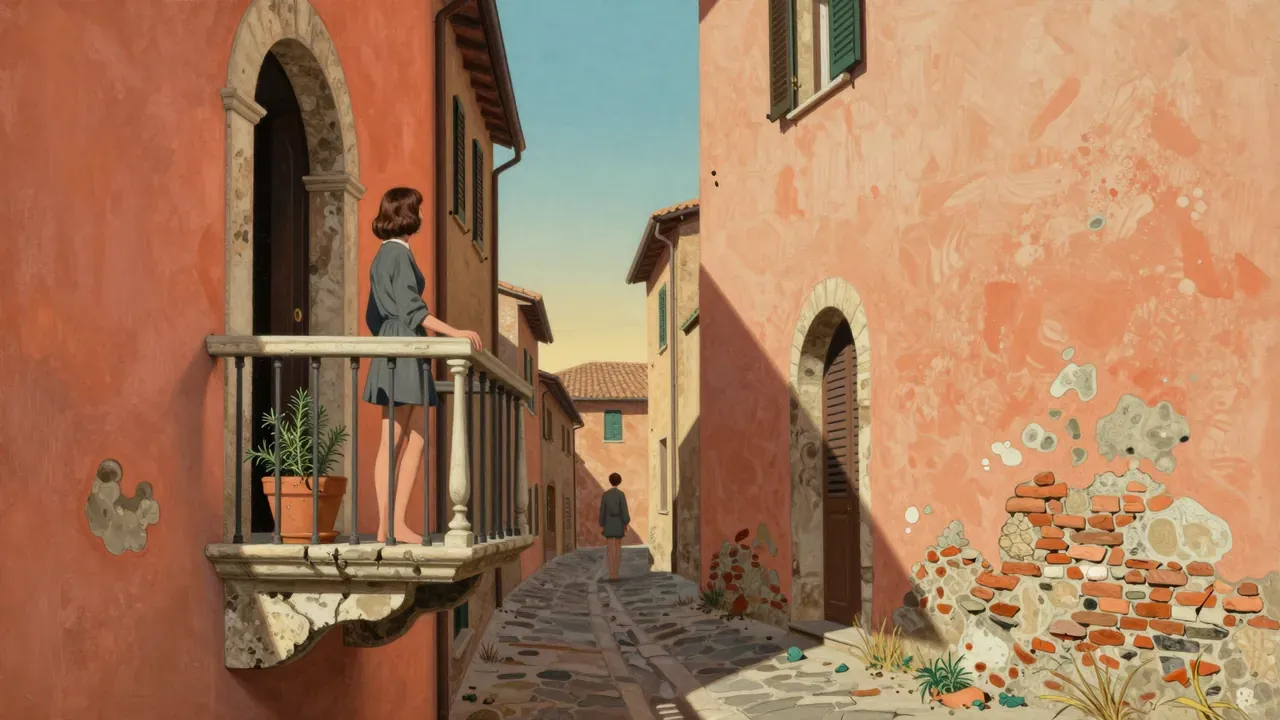
Franco Zeffirelli’s 1968 adaptation casts teenage actors Leonard Whiting and Olivia Hussey as Romeo and Juliet, filming on authentic Italian locations with period-accurate design. Trimmed for emotional directness and shot by Pasqualino De Santis, it prioritises tactile realism over rhetorical flourish. Though structurally simplified and sometimes tonally uneven, its sincerity, craft and commitment to adolescent authenticity have sustained its relevance for over fifty years.

13:00

Spartacus

Stanley Kubrick · 1960

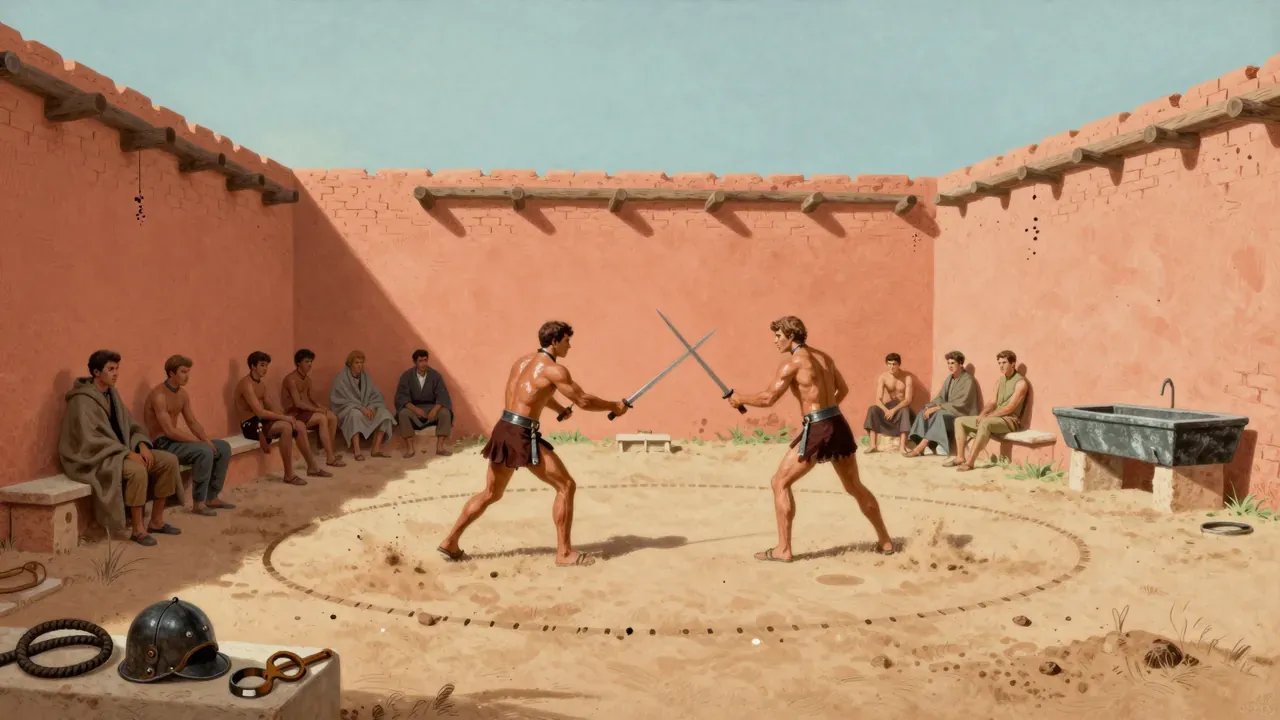
Stanley Kubrick’s 1960 Spartacus adapts Howard Fast’s novel via Dalton Trumbo’s blacklisted script, telling the story of a slave revolt not as myth but as moral architecture. Kirk Douglas stars as Spartacus, with Laurence Olivier, Peter Ustinov, and Jean Simmons in key roles. Shot across California locations including Hearst Castle and Wildwood Park, its Oscar-winning art direction and cinematography render Rome as a study in hierarchy — accent, space, and light all coded by class. Though structurally uneven and romantically thin, its enduring power lies in its deliberate, collective gaze and the historic courage of its authorship.

13:00

That Hamilton Woman

Alexander Korda · 1941

That Hamilton Woman (1941) is a black-and-white historical drama directed by Alexander Korda, starring Vivien Leigh and Laurence Olivier as Emma Hamilton and Horatio Nelson. Made in Hollywood during British exile, it uses the Napoleonic Wars as allegory for Britain’s resistance to Nazi Germany. The film follows Emma’s rise from courtesan to national symbol and her tragic decline, framed by Nelson’s principled defiance and ultimate sacrifice at Trafalgar. Crafted with restraint and moral clarity, it prioritises thematic weight over psychological nuance or visual spectacle.

13:00

This Happy Breed

David Lean · 1944

David Lean’s 1944 debut follows the Gibbons family across twenty years of peace and gathering storm in suburban London. Anchored by Robert Newton and Celia Johnson, it charts domestic life against national events — the General Strike, the rise of fascism, the abdication — not through speeches or spectacle, but through wallpaper, radio sets, and the weight of unspoken grief. Shot in muted Technicolor and edited with Lean’s signature temporal bleed, it is a film of accumulation: small details, repeated gestures, returning spaces. Its power lies in endurance, not revelation.

13:00

Rebecca

Alfred Hitchcock · 1940

Alfred Hitchcock’s 1940 adaptation of Daphne du Maurier’s novel is a black-and-white psychological thriller about a young woman who marries a widowed aristocrat and moves into his Cornwall estate, Manderley — a house saturated with the memory of his first wife, Rebecca, who died under ambiguous circumstances. Though unseen, Rebecca dominates every room, every conversation, every glance. The film’s power lies in its restraint: its suspense is atmospheric, its horror psychological, its resolution earned not by revelation but by erosion of illusion.

13:00

Wuthering Heights

William Wyler · 1939

William Wyler’s 1939 Wuthering Heights, produced by Samuel Goldwyn and shot by Gregg Toland, condenses Emily Brontë’s novel into a stark, atmospheric drama centred on Heathcliff and Cathy’s destructive bond. It omits the novel’s second generation and shifts the setting to the mid-19th century, prioritising visual mood over textual fidelity. Laurence Olivier and Merle Oberon anchor a tightly paced, formally assured adaptation whose power lies in its restraint, shadow, and silence — though its sentimental ending and flattened class dynamics remain contested.