Saved
Director · 1927–2002

Koreyoshi Kurahara

6
briefs
13:00
average
78 min
in total
On film.briefs6
13:00

Black Sun

Koreyoshi Kurahara · 1964

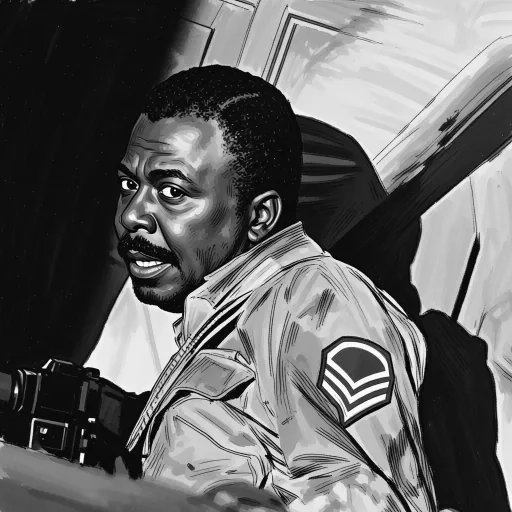
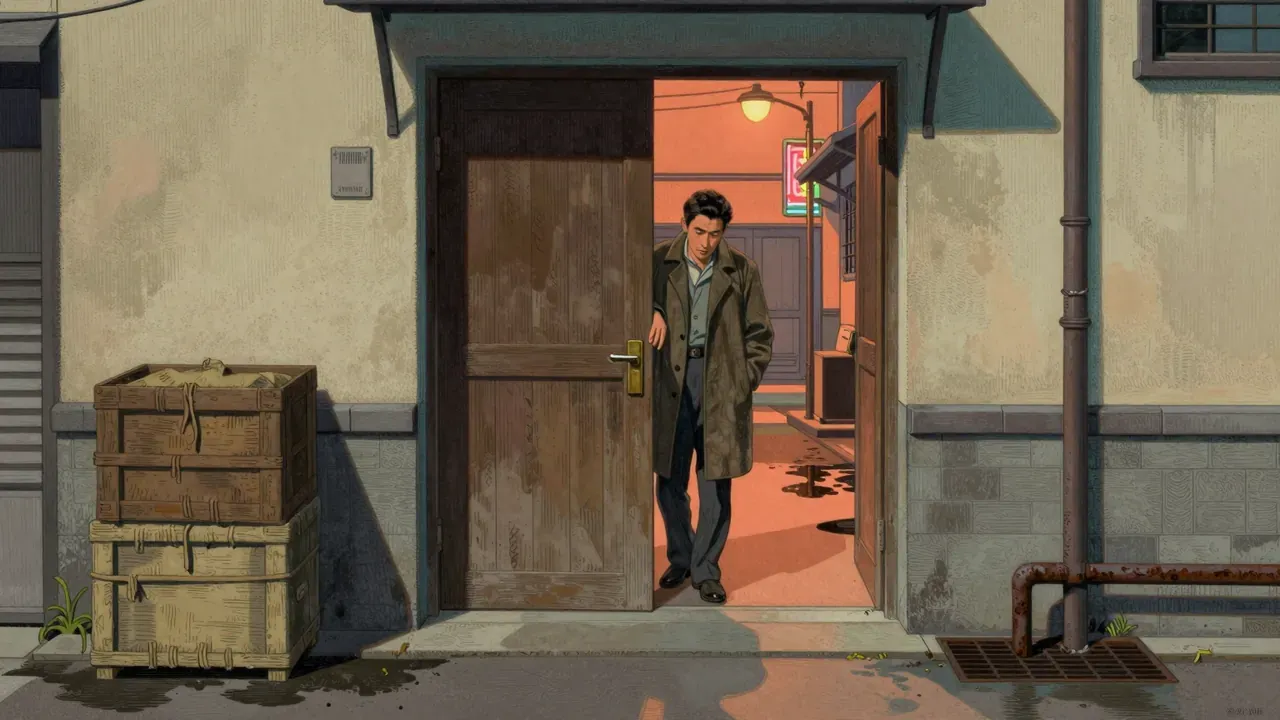
Black Sun (1964), directed by Koreyoshi Kurahara for Nikkatsu, follows Akira, a young Japanese thief, and Gill, an injured African-American soldier, as they move silently toward the sea after a violent encounter. Shot in high-contrast monochrome, with sparse music by Toshiro Mayuzumi and Max Roach, it uses jazz records, ruined architecture, and deliberate pacing to explore connection without translation. Its themes centre on embodied difference, failed communication, and freedom as ascent rather than arrival.
13:00

I Am Waiting

Koreyoshi Kurahara · 1957

Directed by Koreyoshi Kurahara and released in 1957, I Am Waiting follows a disgraced boxer and a failing cabaret singer as they shelter together in a Tokyo restaurant, evading gangsters and their own pasts. Written by Shintarō Ishihara and starring Yūjirō Ishihara and Mie Kitahara, it is a tightly wound drama of quiet desperation, built on withheld information, atmospheric tension, and the weight of unspoken histories. Part of Nikkatsu’s early noir wave, it trades plot mechanics for psychological compression and visual restraint.

13:00

I Hate But Love

Koreyoshi Kurahara · 1962

I Hate But Love (1962), directed by Koreyoshi Kurahara, is a Japanese teen drama centred on two high-school students whose bickering masks mutual attraction. Shot with restraint and performed with understated nuance, it prioritises behavioural detail over exposition or narrative escalation. Set against early-1960s Tokyo middle-class life, it offers no grand statements — only a patient, tactile portrait of how young people learn to read, misread, and withhold feeling.

13:00

Intimidation

Koreyoshi Kurahara · 1960

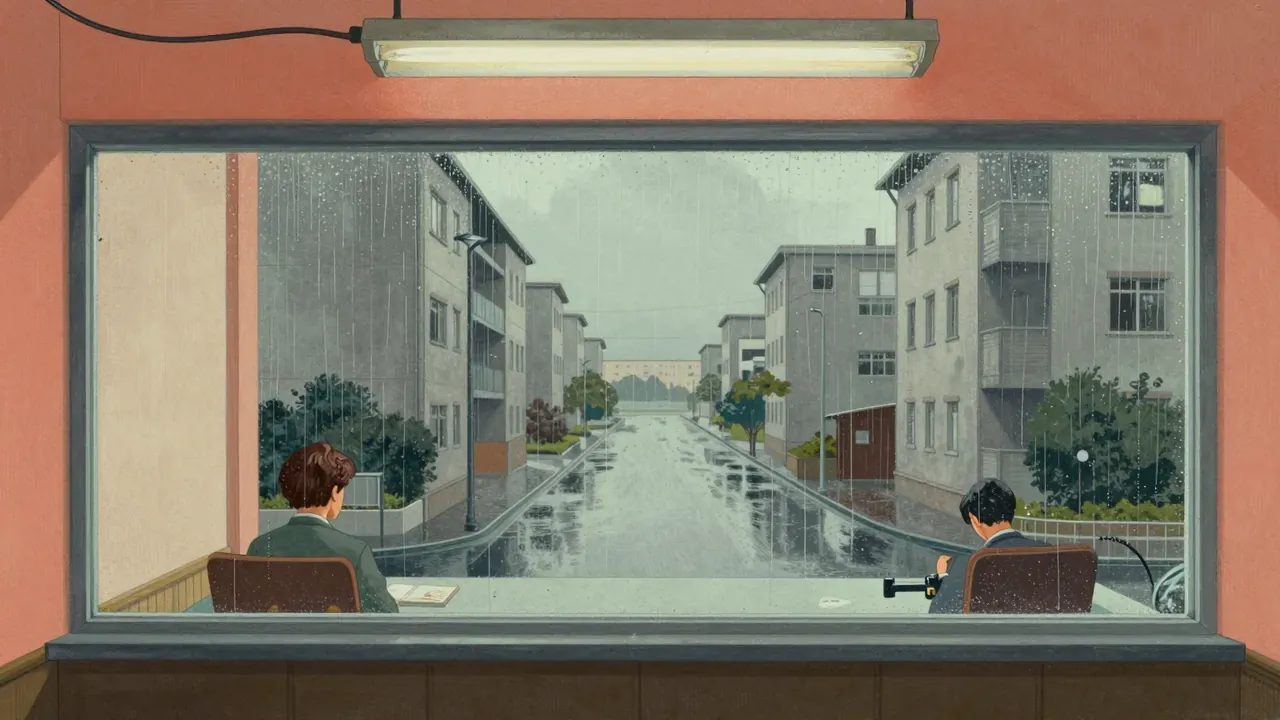
Directed by Koreyoshi Kurahara in 1960, Intimidation is a Japanese film noir starring Kō Nishimura, Nobuo Kaneko and Mari Shiraki. Set in Tokyo’s bureaucratic landscape, it follows a clerk drawn into a blackmail scheme after witnessing a murder. With minimal music, high-contrast monochrome cinematography and restrained performances, the film builds tension through spatial confinement, procedural detail and moral ambiguity. It reflects post-war Japan’s institutional anxieties without explicit commentary, favouring tone and structure over exposition or catharsis.

13:00

The Warped Ones

Koreyoshi Kurahara · 1960

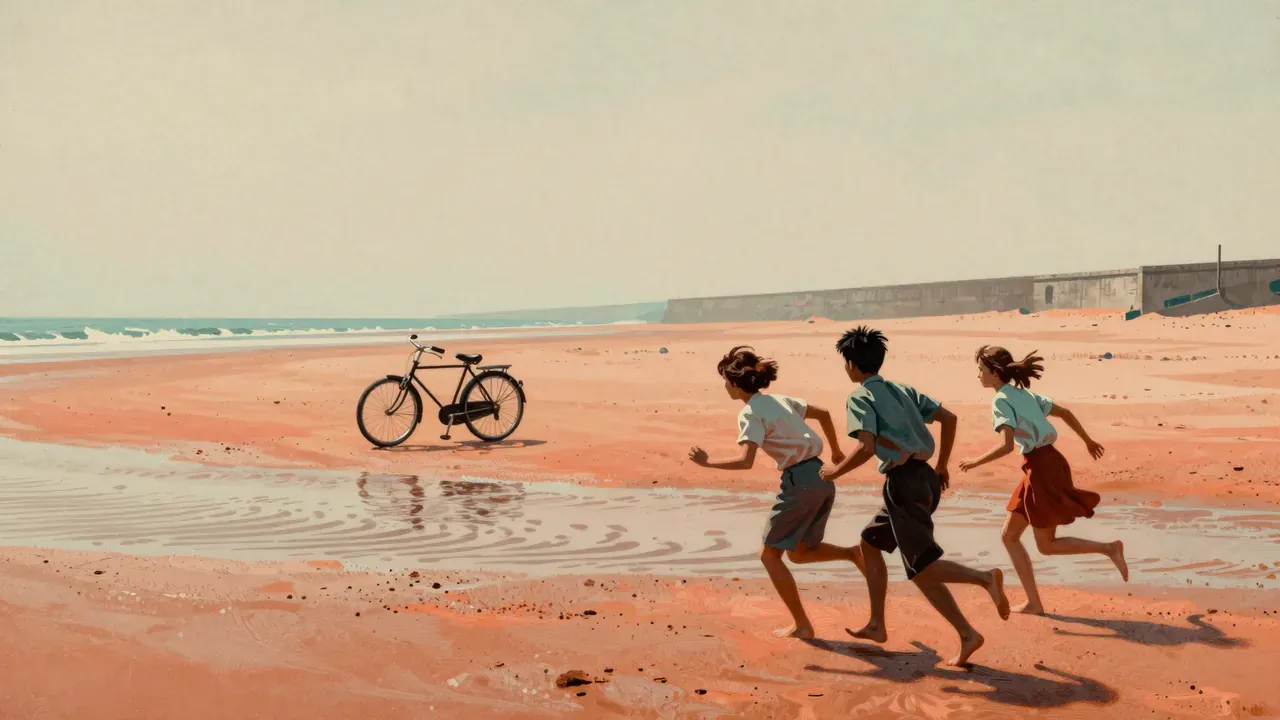
Koreyoshi Kurahara’s 1960 film follows a group of Tokyo youths — Akira, Masaru and Yuki — whose criminality, sexual recklessness and jazz obsession unfold across tenements, beaches and jazz clubs. With a frenetic editing style, Toshiro Mayuzumi’s urgent jazz score, and performances stripped of psychology, the film presents its characters as environmental effects rather than agents. It avoids moral framing, resists narrative padding, and sustains a tone of controlled volatility across its 75-minute runtime. Though often compared to Breathless and Rebel Without a Cause, it diverges by refusing empathy, explanation or resolution — offering instead a tightly wound, formally audacious document of post-war dislocation.

13:00

Thirst for Love

Koreyoshi Kurahara · 1967

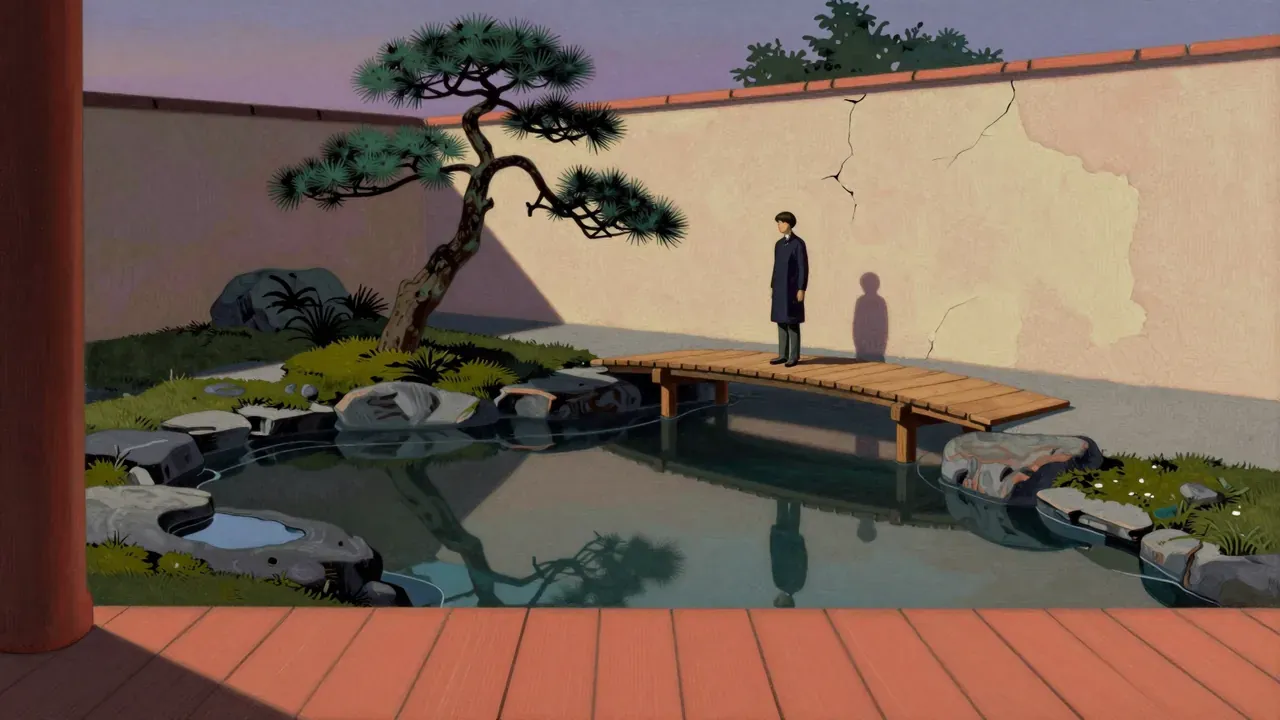
Koreyoshi Kurahara’s 1967 Thirst for Love, adapted from Yukio Mishima’s novel, follows a young widow’s entanglement with her wealthy father-in-law in a meticulously restrained Japanese domestic setting. Starring Ruriko Asaoka and Nobuo Nakamura, it uses abrupt editing, strategic colour, and near-silence to render psychological disintegration without exposition. The film prioritises atmosphere over explanation, formal control over catharsis, and inherited power over individual agency.