filmbriefs
Director

Kimiyoshi Yasuda

6
briefs
13:00
average
78 min
in total
On film.briefs6
13:00

Adventures of Zatoichi

Kimiyoshi Yasuda · 1964

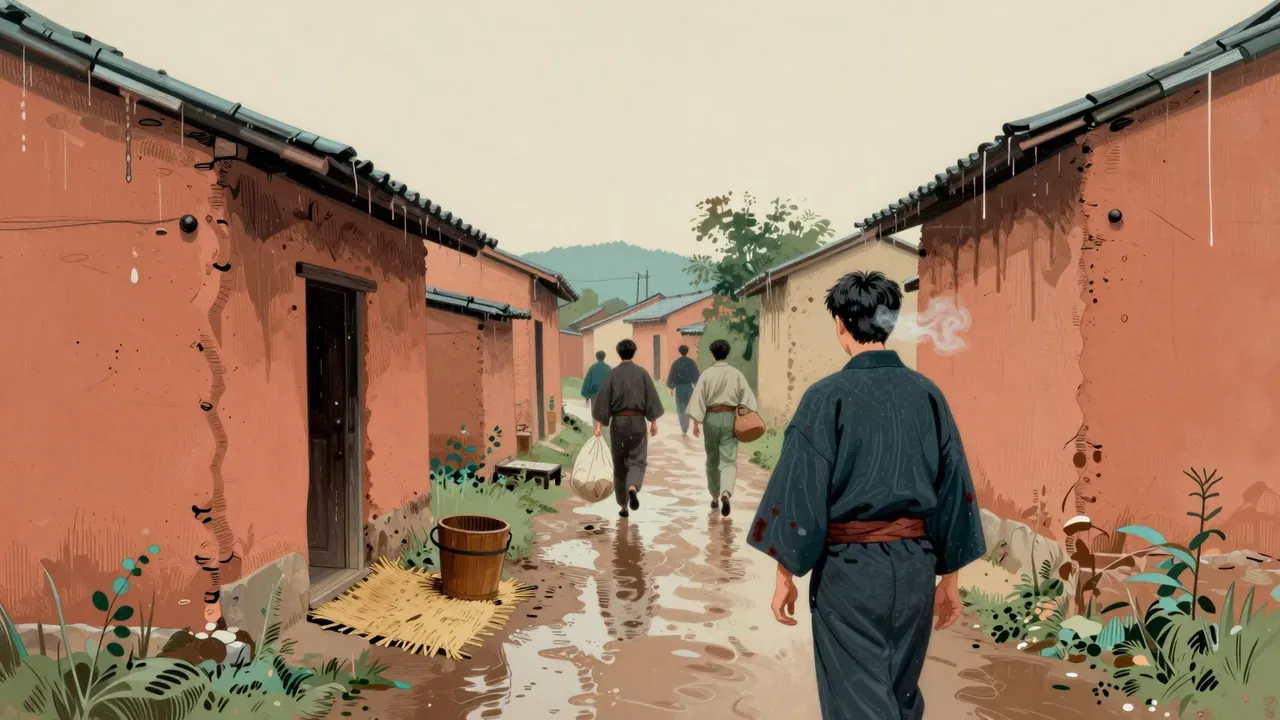
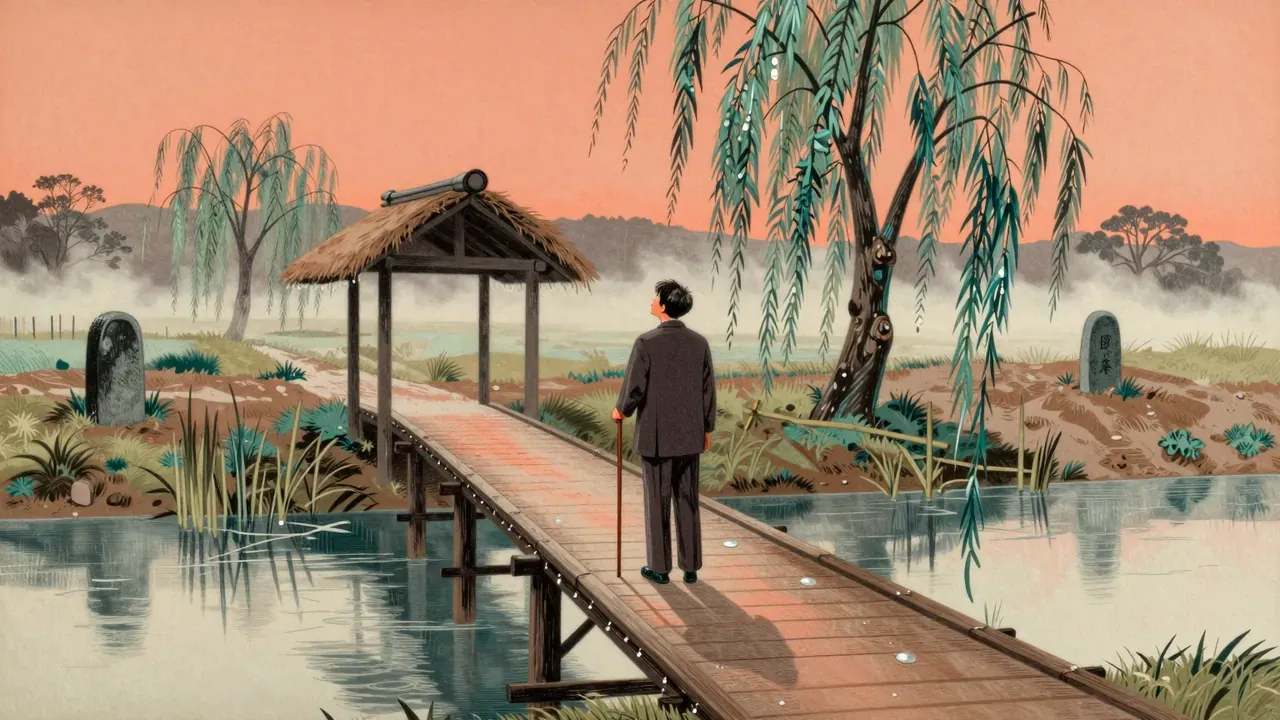
The ninth Zatoichi film finds the blind masseur stepping into a town gripped by bureaucratic corruption and quiet desperation. He does not seek conflict but cannot avoid it — and when he draws his sword, it is never to win, but to weigh. With Shintarō Katsu at peak control and Kimiyoshi Yasuda framing each scene like a scroll painting, Adventures of Zatoichi is a study in restraint: in violence, in revelation, in what a man owes the world when no one is watching.
13:00

Zatoichi and the Fugitives

Kimiyoshi Yasuda · 1968

The eighteenth Zatoichi film finds Shintarō Katsu’s blind swordsman confronting a silk-weaving magnate who enforces debt bondage and shelters vicious fugitives. Directed by Kimiyoshi Yasuda with stark cinematography by Kazuo Miyagawa, it strips away mythic flourishes to focus on procedural cruelty and physical consequence — Zatoichi is wounded, outmatched, and morally unrelieved. The film’s rigour lies in its refusal to flinch, to explain, or to console.

13:00

Zatoichi and the One-Armed Swordsman

Kimiyoshi Yasuda · 1971

A Japanese–Hong Kong co-production starring Shintarō Katsu and Jimmy Wang Yu, this 1971 chambara-wuxia crossover stages a deliberate, unresolved encounter between two iconic swordsmen from separate cinematic traditions. Set in rural Japan, it follows Zatoichi and Wang Kang as they misread, clash, and briefly align against corrupt yakuza and a predatory priest — all without shared language or cultural framework. Its strength lies in physical storytelling and choreographic contrast; its limitation is its refusal to bridge the conceptual gap it so carefully constructs.

13:00

Zatoichi on the Road

Kimiyoshi Yasuda · 1963

The fifth Zatoichi film follows the blind swordsman as he escorts a young woman fleeing a lord’s wrath, navigating rival yakuza factions and his own reluctant reputation. Directed by Kimiyoshi Yasuda and starring Shintarō Katsu, it sustains the series’ lean, episodic structure — prioritising quiet character beats and economical action over exposition or thematic expansion. Its strength is in restraint: in Katsu’s understated performance, Ifukube’s sparse score, and Yasuda’s unadorned framing. It presumes familiarity with the character and his world, offering continuity rather than reinvention.

13:00

Zatoichi's Cane Sword

Kimiyoshi Yasuda · 1967

The fifteenth Zatoichi film, released in 1967, follows the blind masseur-swordsman as he intervenes in a provincial town overrun by rival gangs and a corrupt official. Built around Shintarō Katsu’s unflustered central performance and Ryōzō Kasahara’s lean script, it foregrounds craft, quiet agency and procedural justice over spectacle or ideology. Directed by Kimiyoshi Yasuda with functional precision, it offers a self-contained, tonally consistent episode — modest in scope, confident in execution.

13:00

Zatoichi's Conspiracy

Kimiyoshi Yasuda · 1973

Zatoichi’s Conspiracy (1973), directed by Kimiyoshi Yasuda, is the twenty-third entry in the long-running Japanese series. Shintarō Katsu reprises his iconic role as the blind swordsman drawn into a local conspiracy involving corrupt officials and seized land. With a lean 88-minute runtime, functional cinematography, and Akira Ifukube’s percussive score, the film relies on character consistency and physical storytelling rather than narrative innovation or psychological depth. It works best as a refinement — not a reinvention — of the series’ enduring ethics.