filmbriefs
Actor · 1905–1985

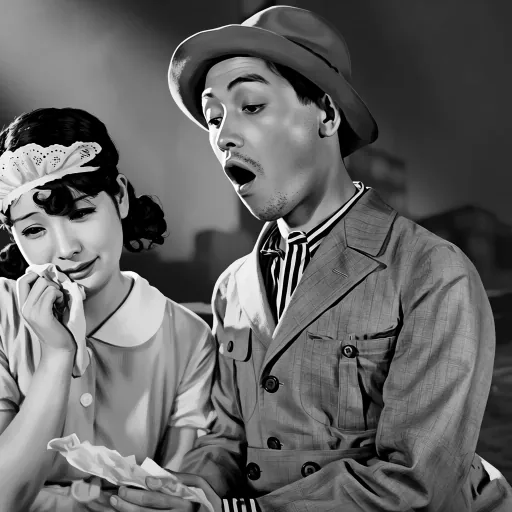
Kamatari Fujiwara

14
briefs
13:00
average
182 min
in total
On film.briefs14
13:00

Dodes'ka-den

Akira Kurosawa · 1970

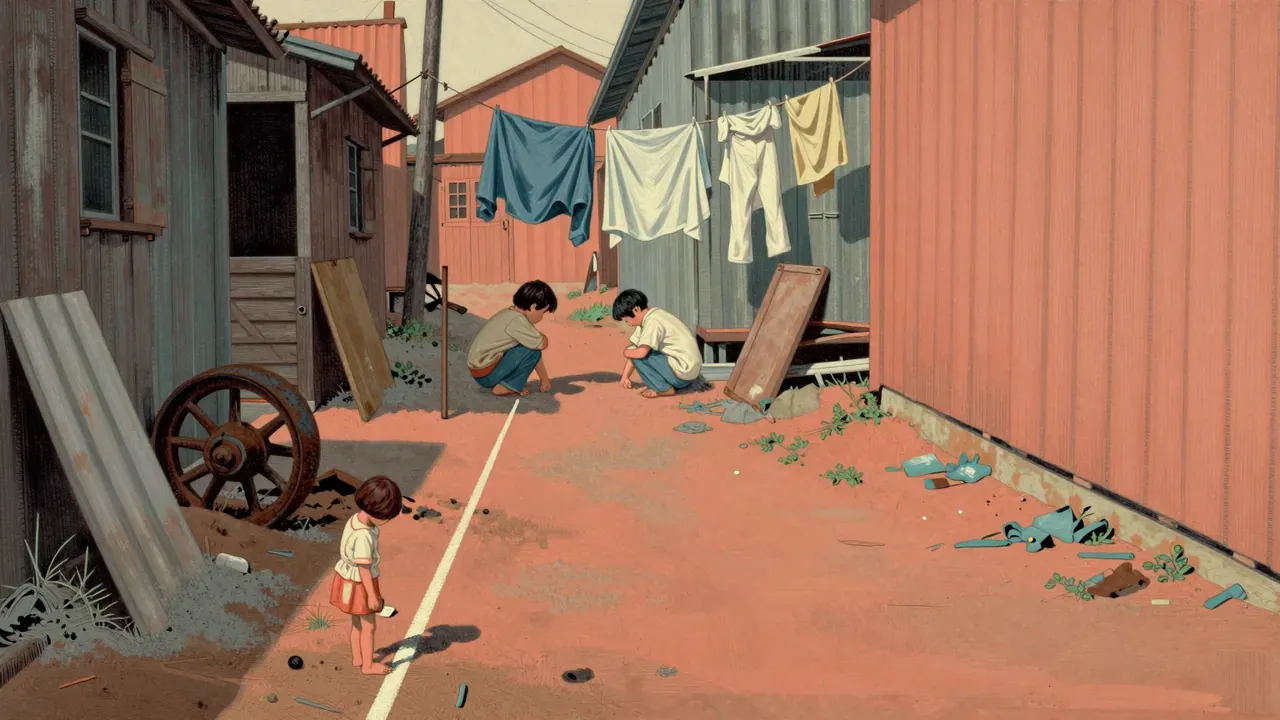
Akira Kurosawa’s 1970 film is a mosaic of lives in a Tokyo shantytown, structured as overlapping vignettes rather than a linear narrative. With no central protagonist, it follows characters including a boy who imagines himself a trolley driver, a silversmith who aids thieves, and parents burdened by neglect and infidelity. Shot in colour for the first time by Kurosawa, with Takao Saito as cinematographer and Tōru Takemitsu scoring in restrained, percussive tones, the film insists on dignity without sentiment, endurance without triumph. Its 140-minute runtime unfolds with unhurried precision, asking the viewer to inhabit a world shaped by scarcity, imagination, and quiet reciprocity.
13:00

Double Suicide

Masahiro Shinoda · 1969

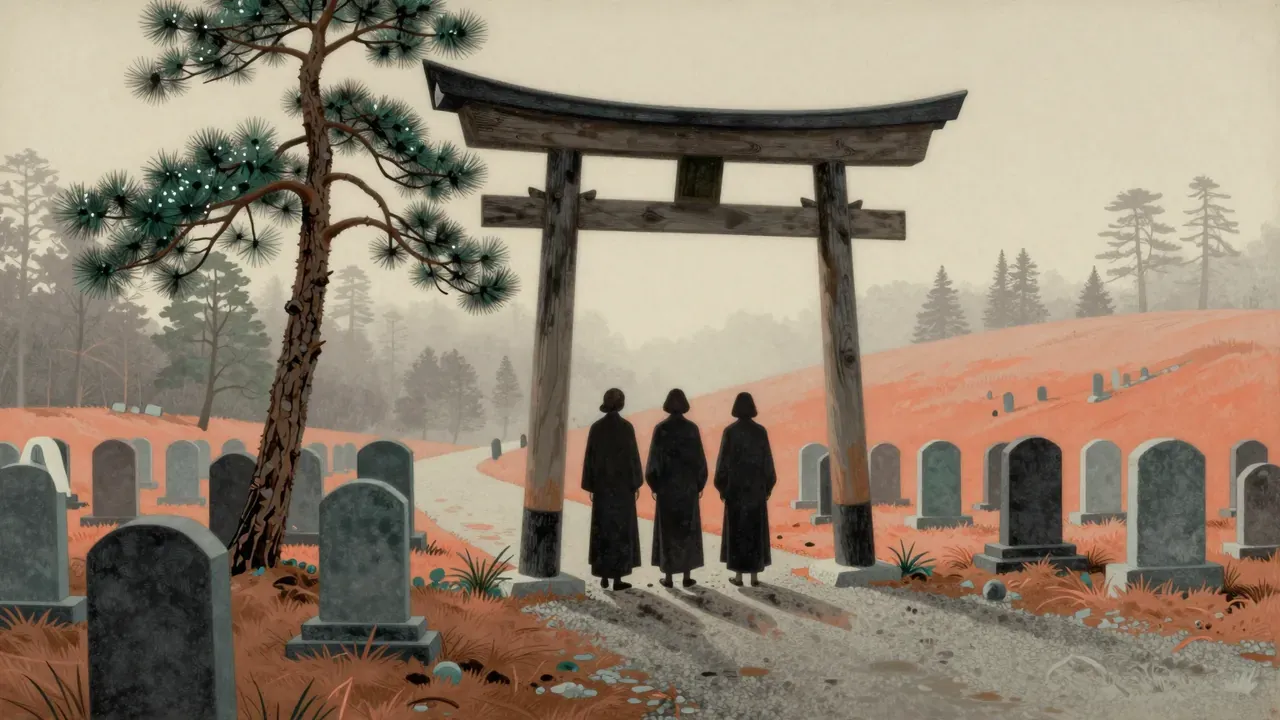
Masahiro Shinoda’s Double Suicide adapts Chikamatsu’s 1721 puppet play into live action, preserving its theatrical grammar: kuroko in black manipulate the world around the lovers, sets remain deliberately artificial, and music by Tōru Takemitsu punctuates rather than soothes. Shima Iwashita plays both wife and courtesan, binding the film’s duality in performance. It is a rigorous, unsentimental study of obligation, debt, and the formal limits of agency — where suicide is not escape but the only sentence the world permits.

13:00

I Live in Fear

Akira Kurosawa · 1955

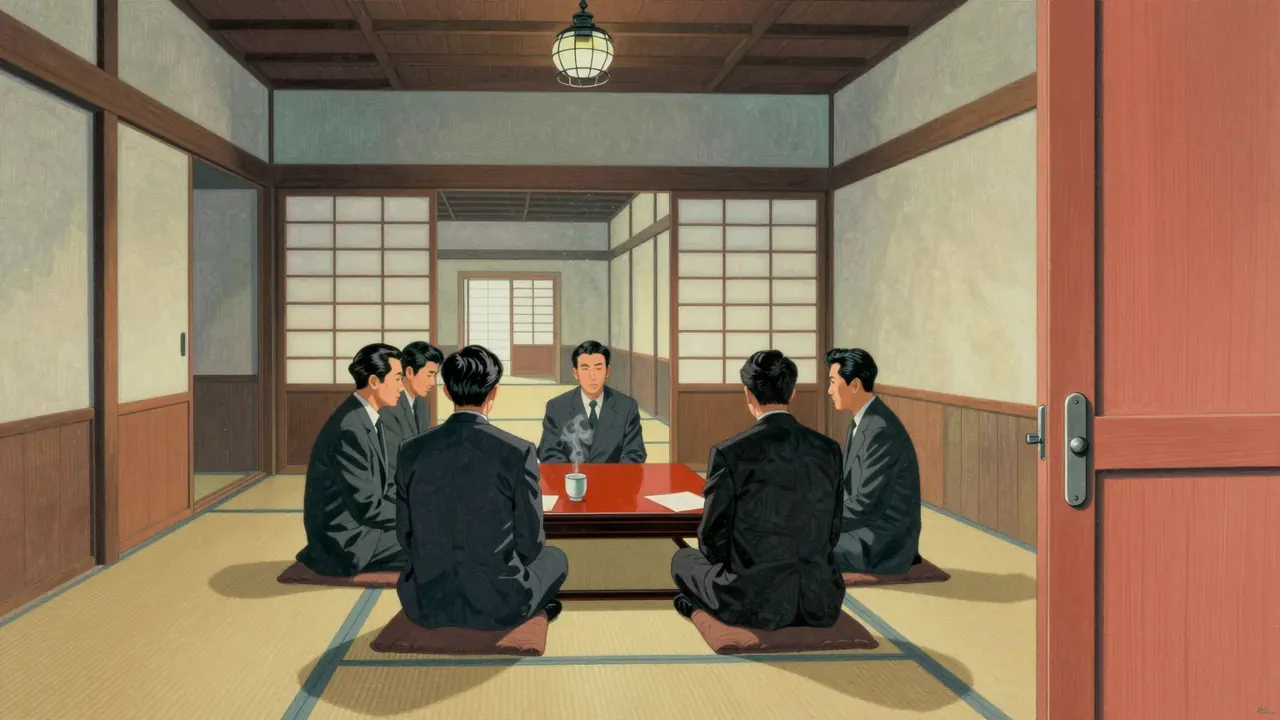
Akira Kurosawa’s 1955 drama follows Kiichi Nakajima (Toshirō Mifune), an ageing foundry owner convinced that nuclear war is inevitable, and his desperate, legally contested plan to move his family to Brazil. Framed by a family arbitration and ending in psychiatric confinement, the film avoids sensationalism, using restrained performances, precise black-and-white cinematography by Asakazu Nakai, and Masaru Sato’s austere score to examine fear, competence, and the social cost of foresight in postwar Japan.

13:00

Ikiru

Akira Kurosawa · 1952

Ikiru (1952), directed by Akira Kurosawa, follows Kanji Watanabe, a Tokyo civil servant diagnosed with terminal cancer, as he seeks purpose in his final months. Rejecting hedonism and spiritual cliché, he devotes himself to realising a children’s playground stalled by bureaucratic inertia. Anchored by Takashi Shimura’s restrained performance and Asakazu Nakai’s unadorned cinematography, the film builds meaning through repetition, silence, and the quiet dignity of incremental action. Its structure—split by Watanabe’s death—shifts focus from his life to the puzzle of his final intent, resolved only in the tangible outcome of his labour.

13:00

The Bad Sleep Well

Akira Kurosawa · 1960

Akira Kurosawa’s 1960 drama follows a man who marries into a corrupt Japanese corporation to expose the men responsible for his father’s suicide. Built on Hamlet’s spine but rooted in postwar Tokyo’s bureaucracy, it uses meticulous staging, restrained performances and a deliberate pace to dissect how power evades accountability. Though its opening sequences are masterful, its conclusion trades catharsis for quiet despair — a choice that clarifies its theme but tests the viewer’s stamina.

13:00

The Hidden Fortress

Akira Kurosawa · 1958

Akira Kurosawa’s 1958 adventure follows two self-interested peasants who agree to smuggle a mysterious man and woman across hostile territory for gold, unaware the man is a famed general and the woman a deposed princess. Shot in Tohoscope widescreen, with Ichio Yamazaki’s naturalistic cinematography and Masaru Sato’s taut score, the film grounds epic stakes in petty motives, using the peasants’ limited perspective to explore class, loyalty and survival. Toshirō Mifune delivers restrained authority as General Rokurōta; Minoru Chiaki and Kamatari Fujiwara embody craven humanity as Tahei and Matashichi. Though structurally inventive and morally precise, the princess’s interiority remains deliberately obscured — a choice that sharpens some tensions and blunts others.

13:00

The Lower Depths

Akira Kurosawa · 1957

Akira Kurosawa’s 1957 adaptation of Gorky’s play relocates the action to Edo Japan and strips away theatrical artifice to create a claustrophobic, ensemble-driven portrait of a tenement’s inhabitants. With Toshirō Mifune, Isuzu Yamada and Kyōko Kagawa, it sustains a tone of moral exhaustion rather than uplift, treating poverty as an environment that reshapes language, loyalty and selfhood. Shot in extended takes with minimal editing, it privileges texture over plot and ambiguity over resolution.

13:00

Three Outlaw Samurai

Hideo Gosha · 1964

Hideo Gosha’s 1964 debut follows three ronin who abandon fixed loyalties to defend starving peasants from a corrupt magistrate. Structured like a legal brief — cause, breach, consequence — it treats honour as practice, not principle, and finds moral clarity not in victory but in the repeated, costly act of choosing sides. Shot with stark economy and performed with restrained gravity, it remains a precise, unsentimental study of power, class, and the slow, dangerous work of conscience.

13:00

Tokyo Twilight

Yasujirō Ozu · 1957

Tokyo Twilight (1957) is Yasujirō Ozu’s final black-and-white drama, following two sisters reunited with their estranged mother in postwar Tokyo. When Akiko discovers the truth about her parentage, the revelation unravels her fragile stability — leading to abortion, confrontation, and sudden death. Her elder sister Takako absorbs the fallout, choosing to return to her failing marriage to break the cycle of abandonment. Shot by Yūharu Atsuta with Ozu’s signature stillness, the film resists melodrama in favour of accumulated quiet, using omission and restraint to articulate grief as atmosphere rather than event.

13:00

Yojimbo

Akira Kurosawa · 1961

Akira Kurosawa’s 1961 jidaigeki follows a nameless rōnin who manipulates two warring yakuza factions into mutual ruin. Starring Toshirō Mifune, it uses stark composition, rhythmic editing and Masaru Sato’s jaunty, dissonant score to deliver a dry, structural satire of authority and competence. Made for Toho, it was Japan’s fourth-highest-grossing film of 1961 and later inspired Sergio Leone’s A Fistful of Dollars.

13:00

High and Low

Akira Kurosawa · 1963

Akira Kurosawa’s 1963 film High and Low adapts Evan Hunter’s King’s Ransom into a stark, vertically structured drama about a businessman’s moral crisis after a kidnapping goes wrong. Shot in black and white by Asakazu Nakai and Takao Saito, it divides cleanly between Gondō’s elevated Yokohama home and the city’s slums, using space, lens, and editing to interrogate inequality, policing, and accountability. With Toshirō Mifune and Tsutomu Yamazaki in career-defining roles, it remains a benchmark of socially engaged genre filmmaking.

13:00

Kagemusha

Akira Kurosawa · 1980

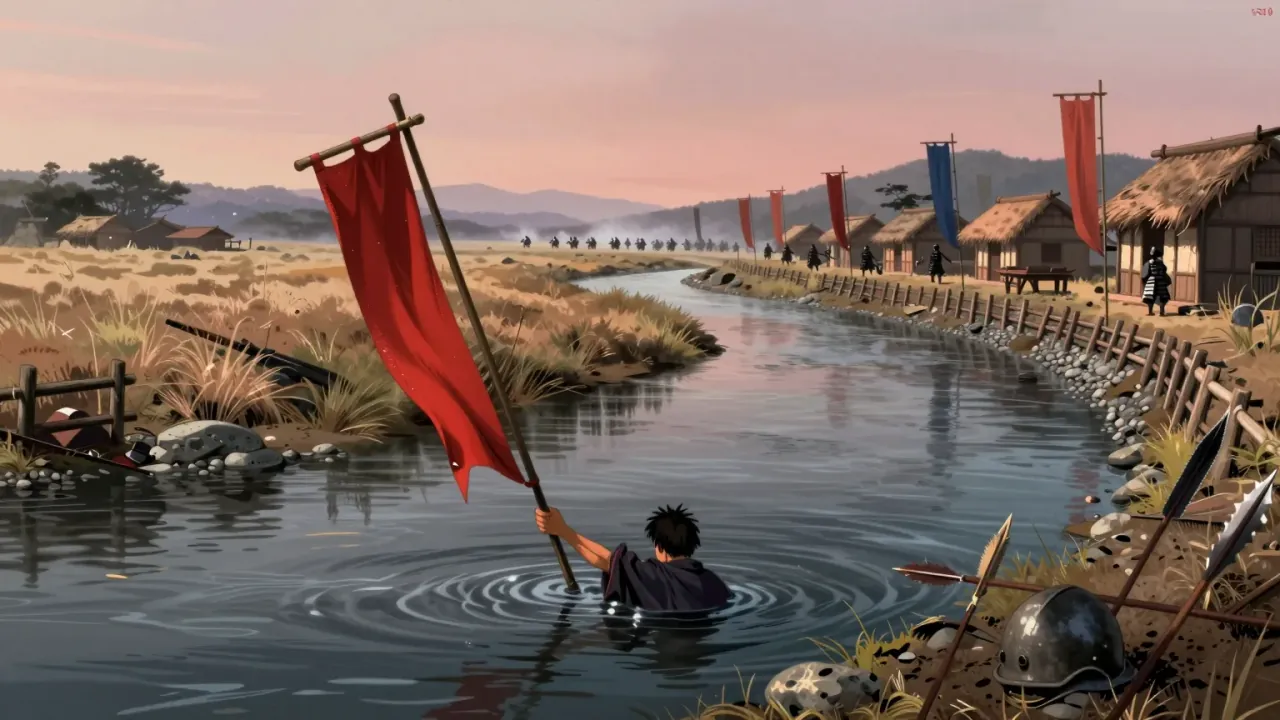
Akira Kurosawa’s 1980 epic follows a thief forced to impersonate the dying warlord Takeda Shingen to preserve clan stability. Shot in vivid colour and composed with rigorous symmetry, it traces the slow, fragile construction — and inevitable collapse — of political belief through gesture, silence, and shared illusion. Tatsuya Nakadai plays both men, distinguishing them not by voice or mannerism but by weight, stillness, and the space he occupies. The film ends at the Battle of Nagashino, where symbolism gives way to slaughter, and the kagemusha dies trying to retrieve a fallen banner.

13:00

Sanjuro

Akira Kurosawa · 1962

Akira Kurosawa’s 1962 jidaigeki Sanjuro reunites Toshirō Mifune’s ronin in a tightly coiled feudal intrigue, where tactical wit outweighs swordplay and social comedy emerges from the chasm between idealism and perception. Less violent and more structurally austere than its predecessor Yojimbo, it traces a masterless samurai’s reluctant intervention among nine inept young retainers, culminating not in triumph but in a disillusioned walk away. Shot by Takao Saitō, edited by Kurosawa, and scored by Masaru Sato, it is a film of precision, restraint, and dry, cumulative irony.

13:00

Seven Samurai

Akira Kurosawa · 1954

Akira Kurosawa's 1954 film follows a poor farming village that recruits seven masterless samurai, offering only food and shelter, to defend it against a bandit gang planning to return once the barley ripens. Shot by Asakazu Nakai across a punishing production that ran well over schedule, scored by Fumio Hayasaka and led by Toshiro Mifune and Takashi Shimura, the film ran to 207 minutes and cost 210 million yen, a large outlay for the period, before shaping the template that countless action and heist films have followed since.