Saved
Director · Screenwriter · 1923–2000

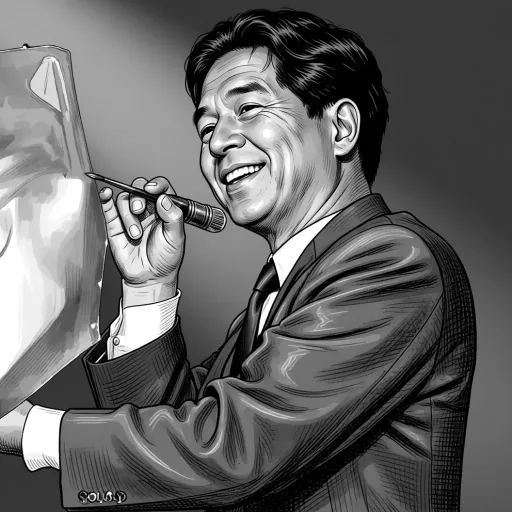
Jun Fukuda

6
briefs
13:00
average
78 min
in total
On film.briefs6
13:00

Godzilla vs. Gigan

Jun Fukuda · 1972

Godzilla vs. Gigan (1972) is Jun Fukuda’s brisk, brightly coloured course correction for Toho’s flagship kaiju series after the experimental Godzilla vs. Hedorah. With Haruo Nakajima’s final performance as Godzilla, the introduction of Takayoshi Mizuki’s sharply designed Gigan, and heavy use of stock footage and Ifukube’s recycled themes, the film prioritises rhythm and recognisability over novelty or depth. Its Nebulan aliens operate through a theme-park front and monster-control tapes, delivering straightforward, physically emphatic battles — including Godzilla’s first on-screen bleeding. It is a work of genre maintenance, best appreciated by those fluent in Shōwa-era kaiju grammar.
13:00

Godzilla vs. Mechagodzilla

Jun Fukuda · 1974

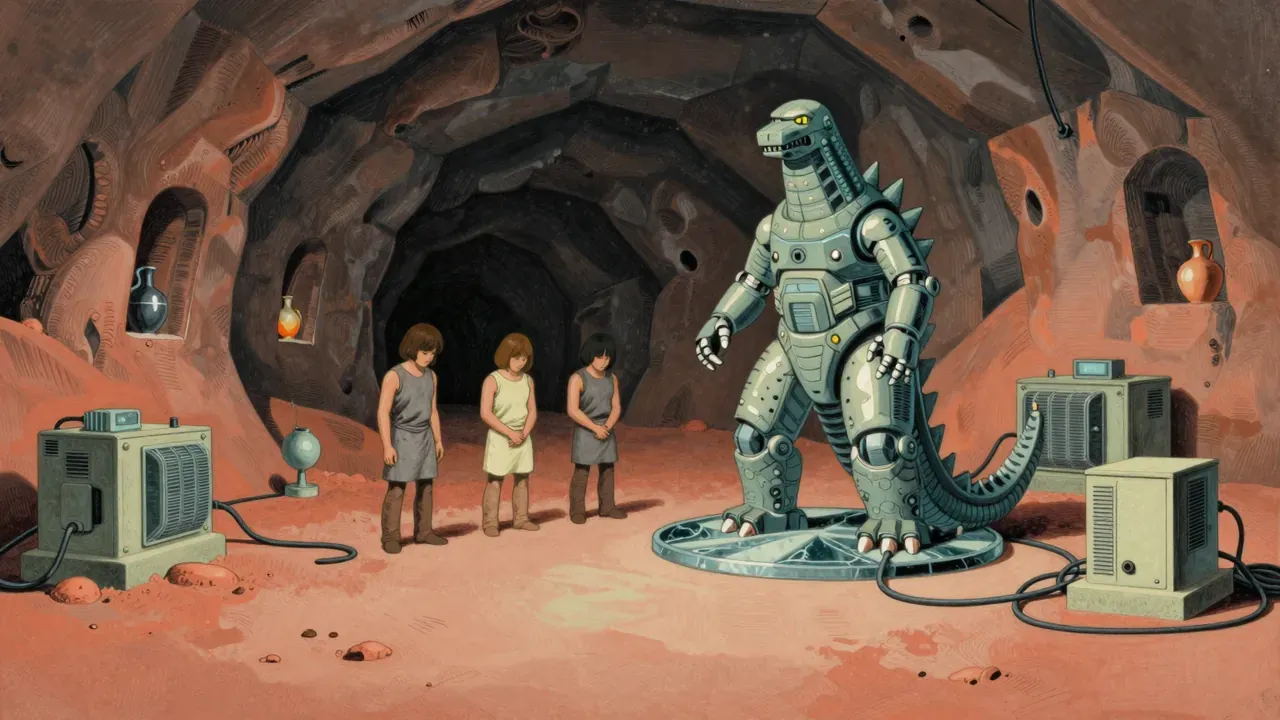
Toho’s 1974 Godzilla film pits the King of the Monsters against a space-titanium mecha controlled by ape-like aliens from the Third Planet of the Black Hole. Framed by an ancient Okinawan prophecy and centred on the ritual awakening of guardian deity King Caesar, it balances suitmation spectacle with attempts at mythic structure. Though hampered by thin character work and underdeveloped lore, its monster battles are precisely staged, Masaru Sato’s score is distinctive, and its place in the Shōwa era makes it a thoughtful pivot — less jokey than its predecessor, more invested in continuity and consequence.

13:00

Godzilla vs. Megalon

Jun Fukuda · 1973

A 1973 Toho kaiju film, Godzilla vs. Megalon introduces Jet Jaguar amid a thin plot involving undersea aliens, recycled effects footage, and a famously clumsy Godzilla suit. Made quickly to replace a cancelled project, it leans into juvenile adventure tone and mechanical spectacle over thematic depth. Its enduring appeal lies less in quality than in transparency — every constraint, every shortcut, every act of faith in rubber and wire is on display.

13:00

Godzilla vs. the Sea Monster

Jun Fukuda · 1966

Godzilla vs. the Sea Monster (1966) is Toho’s pragmatic pivot: a South Seas island replaces Tokyo, Ebirah replaces Kong, and Masaru Sato replaces Akira Ifukube. Directed by Jun Fukuda with effects by Sadamasa Arikawa, it relies on repurposed suits, aquarium shots, and a script that never fully sheds its abandoned premise. Its strengths are tactile — Nakajima’s submerged performance, Yamada’s flat daylight, Sato’s light score — not thematic. It is a document of constraint, not conviction.

13:00

Samurai II: Duel at Ichijoji Temple

Hiroshi Inagaki, Jun Fukuda · 1955

Samurai II: Duel at Ichijoji Temple (1955), directed by Hiroshi Inagaki and Jun Fukuda, is the second part of Toho’s Samurai Trilogy. Starring Toshirō Mifune as Miyamoto Musashi, it follows his path from provincial fighter to disciplined swordsman through a series of duels, betrayals, and quiet reckonings in Kyoto and its surrounds. Adapted from Eiji Yoshikawa’s novel, it foregrounds ethical growth over spectacle — emphasising waiting, withdrawal, and sparing life as acts of mastery. Ikuma Dan’s score, Kisaku Itō’s production design, and Tokuho Azuma and Yoshio Sugino’s choreography support a vision of jidaigeki grounded in physical truth and moral ambiguity.

13:00

Son of Godzilla

Jun Fukuda · 1967

Son of Godzilla (1967) is Toho’s eighth kaiju film and the first to introduce Minilla, Godzilla’s infant son. Directed by Jun Fukuda on a reduced budget, it shifts focus from nuclear anxiety to familial bonding and juvenile spectacle. Filmed in Guam and Japan, it features marionette Kamacuras, a giant spider named Kumonga, and a deliberately oversized Godzilla suit to convey paternal stature. Marchan the Dwarf performs Minilla, whose design draws from contemporary manga. Though critics were divided and the film underperformed in the US, it remains a distinctive artefact of Shōwa-era genre filmmaking — tactile, economical, and quietly committed to its own small-scale logic.