filmbriefs
Actor · Voice actor · 1940–2017

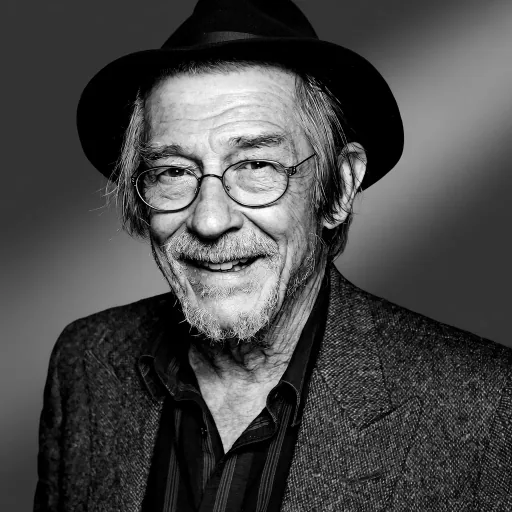
John Hurt

10
briefs
13:00
average
130 min
in total
On film.briefs10
13:00

Dead Man

Jim Jarmusch · 1995

Dead Man (1995) is Jim Jarmusch’s monochrome acid western starring Johnny Depp as a fatally wounded accountant guided west by Gary Farmer’s enigmatic Native American spirit-guide Nobody. Shot by Robby Müller and scored by Neil Young, it rejects narrative convention in favour of ritual, silence, and poetic logic — foregrounding Indigenous epistemology, untranslated Cree and Blackfoot dialogue, and a vision of landscape as sentient participant. Though critically divisive on release, it has since been reassessed as a singular, austere meditation on mortality, colonialism, and perception.
13:00

Heaven's Gate

Michael Cimino · 1980

Michael Cimino’s 1980 Western Heaven’s Gate, starring Kris Kristofferson and Christopher Walken, is a visually sumptuous but narratively austere epic loosely based on the Johnson County War. Shot by Vilmos Zsigmond and scored by David Mansfield, it attempts to render class conflict as landscape and duration. Though reviled on release for its cost and length, later reappraisals treat it as a landmark of directorial conviction — flawed, forbidding, and formally uncompromising.

13:00

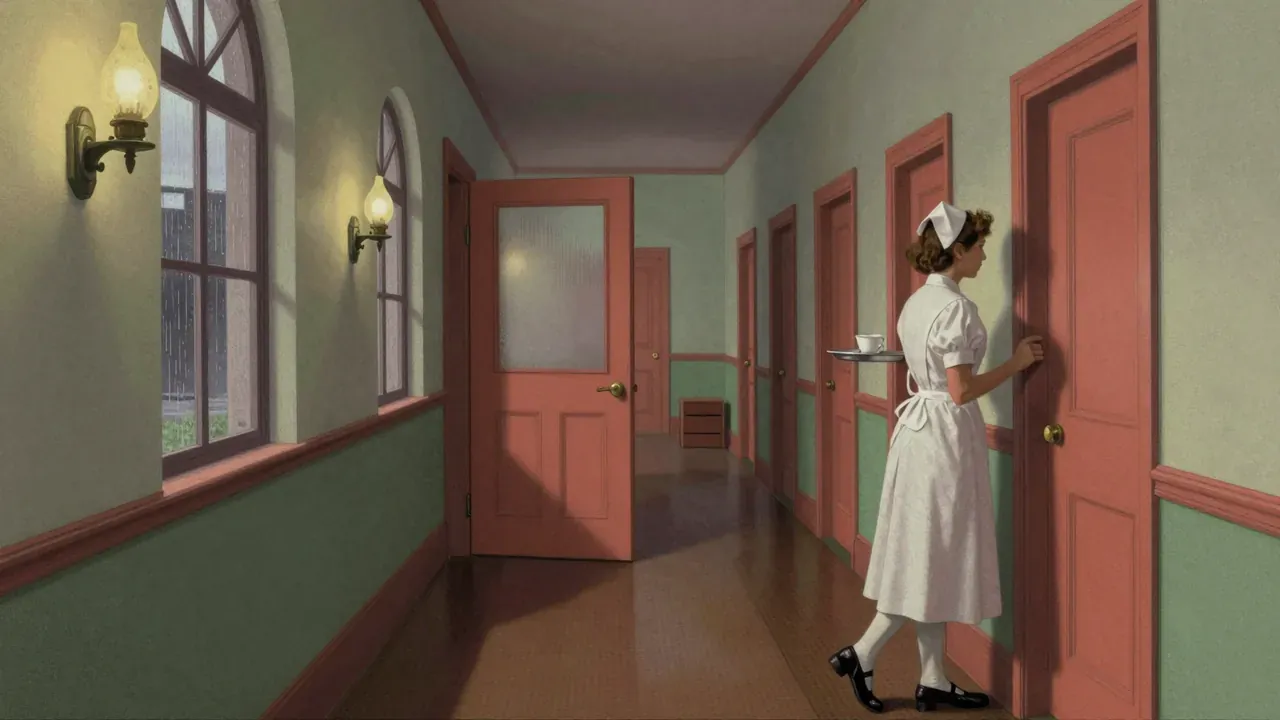
Nineteen Eighty-Four

Michael Radford · 1984

Michael Radford’s 1984 is a literal, location-precise rendering of Orwell’s novel, filmed in London and Wiltshire during April–June 1984. With John Hurt as Winston Smith and Richard Burton’s final performance as O’Brien, it uses bleach bypass cinematography to create a desaturated, airless world. The film prioritises textual fidelity over interpretation, building dread through accumulation rather than spectacle. Though criticised for emotional reserve and ideological flatness, it remains a benchmark of disciplined adaptation.

13:00

The Elephant Man

David Lynch · 1980

David Lynch’s 1980 film tells the story of John Merrick, a severely deformed man in Victorian London, not as tragedy or curiosity but as a sustained inquiry into perception, care, and the quiet violence of being perpetually seen. Shot in stark black-and-white by Freddie Francis, with John Hurt delivering a performance of extraordinary stillness and vocal control, the film resists sentimentality, avoids exposition, and trusts the audience to sit with ambiguity. Its power lies in restraint: in what it shows, how long it holds it, and what it refuses to explain.

13:00

The Hit

Stephen Frears · 1984

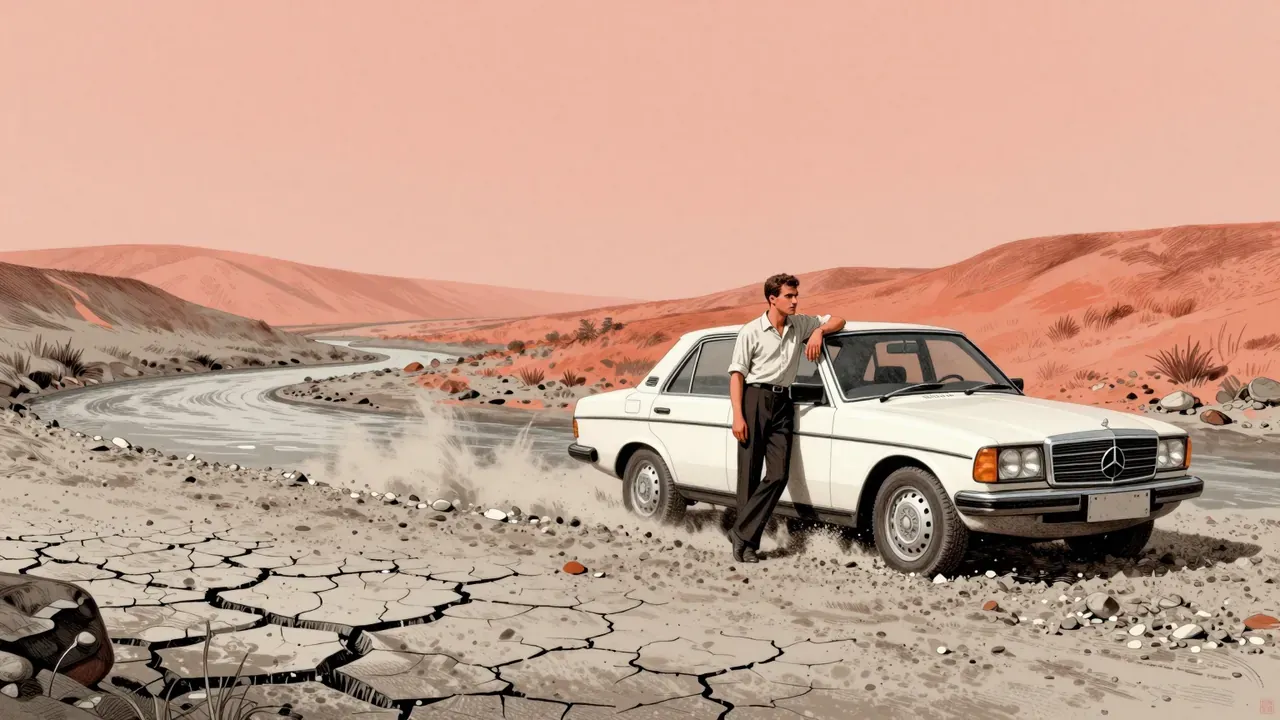
Stephen Frears’ 1984 British crime film follows a retired informant, a world-weary hit man, and his volatile apprentice on a slow, sun-bleached drive across Spain toward an unseen reckoning. With Terence Stamp, John Hurt, and Tim Roth in career-defining roles, and Paco de Lucía’s flamenco-inflected score, it replaces thriller mechanics with existential weight — finding dread not in danger, but in duration.

13:00

The Shout

Jerzy Skolimowski · 1978

Jerzy Skolimowski’s 1978 adaptation of Robert Graves’s short story is a formally rigorous British horror film set on the North Devon coast. Alan Bates plays Crossley, a mysterious drifter who claims to wield a lethal 'terror shout'; John Hurt and Susannah York play the composer and wife whose secluded life he disrupts. Shot by Mike Molloy and scored by Tony Banks, it sustains psychological unease through precise sound design, muted natural light, and restrained performances — winning the Grand Prix at Cannes but dividing critics over its enigmatic conclusion.

13:00

Jackie

Pablo Larraín · 2016

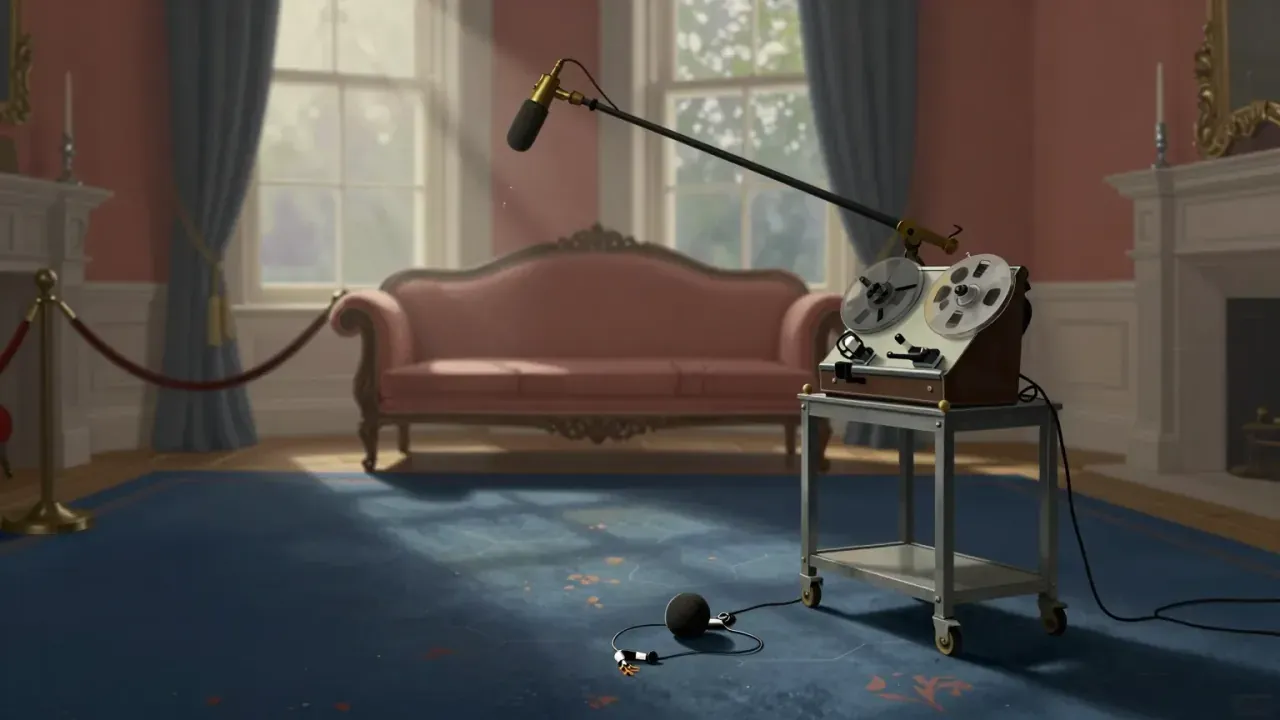
Jackie (2016) follows Jacqueline Kennedy in the week after John F. Kennedy’s assassination, framed by a Life magazine interview at Hyannis Port. Directed by Pablo Larraín and starring Natalie Portman, it focuses on her psychological navigation of grief, legacy, and public performance — not as a biographical survey, but as a study in containment. Stéphane Fontaine’s cinematography, Mica Levi’s score, and Sebastián Sepúlveda’s editing sustain a tense, intimate atmosphere. The film received three Academy Award nominations, including Best Actress for Portman.

13:00

Melancholia

Lars von Trier · 2011

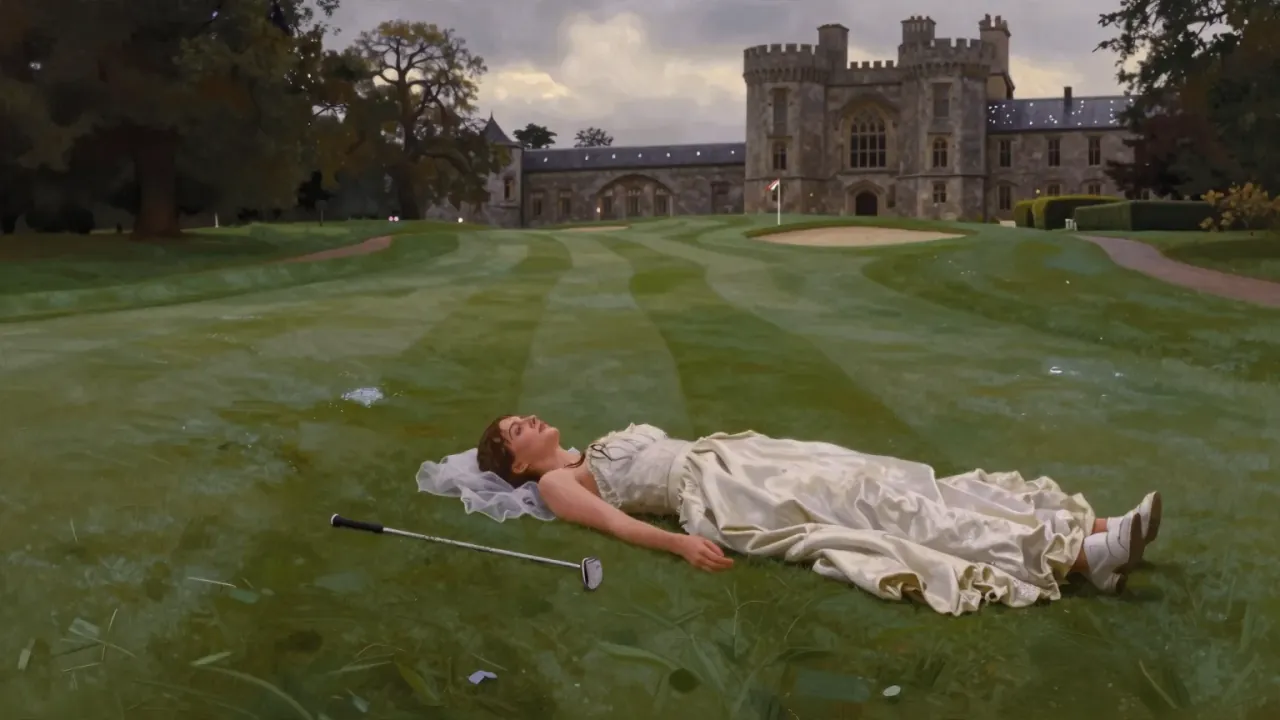
Lars von Trier’s 2011 science fiction drama Melancholia uses an inevitable planetary collision to examine how two sisters—one depressive, one anxious—respond when all future is cancelled. Kirsten Dunst and Charlotte Gainsbourg anchor its two-part structure, supported by Manuel Alberto Claro’s restrained cinematography and Richard Wagner’s Tristan und Isolde prelude, which dictates the film’s rhythm. Made by Zentropa with co-producers across Europe, it premiered at Cannes, where Dunst won Best Actress. Its power lies in tonal certainty, not plot mechanics: it asks how consciousness persists when meaning has no horizon.

13:00

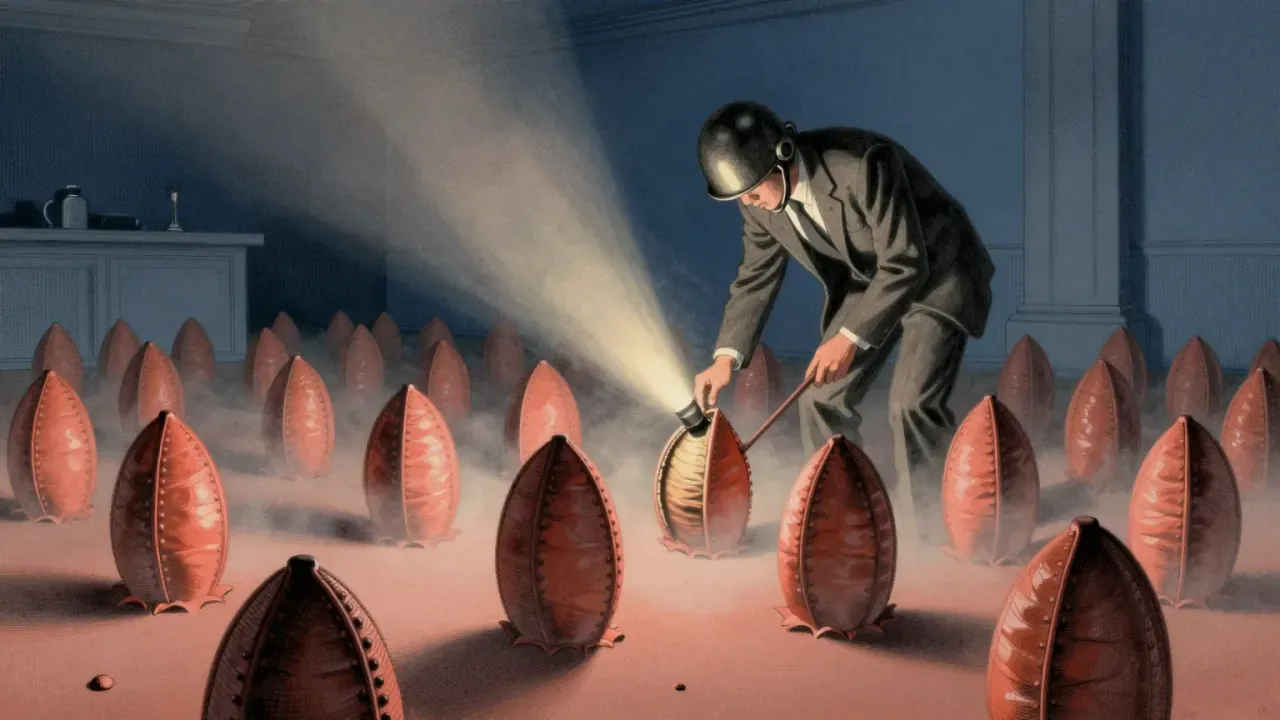
Alien

Ridley Scott · 1979

A commercial towing crew, woken early by what they believe is a distress signal, boards a derelict ship and returns with something that starts killing them one by one. Ridley Scott's first science-fiction film builds the genre's most enduring monster movie almost entirely out of dread, sound design and H.R. Giger's biomechanical creature, on a budget that a science-fiction boom had only just made possible.

13:00

Watership Down

Martin Rosen, John Hubley · 1978

A small group of rabbits flees their doomed warren on a premonition of disaster and treks across the English countryside to found a new one, clashing along the way with the totalitarian warren of Efrafa under General Woundwort. Martin Rosen took over direction from John Hubley partway through production, financed the film through a British consortium, and released it in 1978 to an audience unsure what age it was made for.