Saved
Actor · Director · Screenwriter · 1906–1960

Jacques Becker

6
briefs
13:00
average
78 min
in total
On film.briefs6
13:00

A Day in the Country

Jean Renoir · 1946

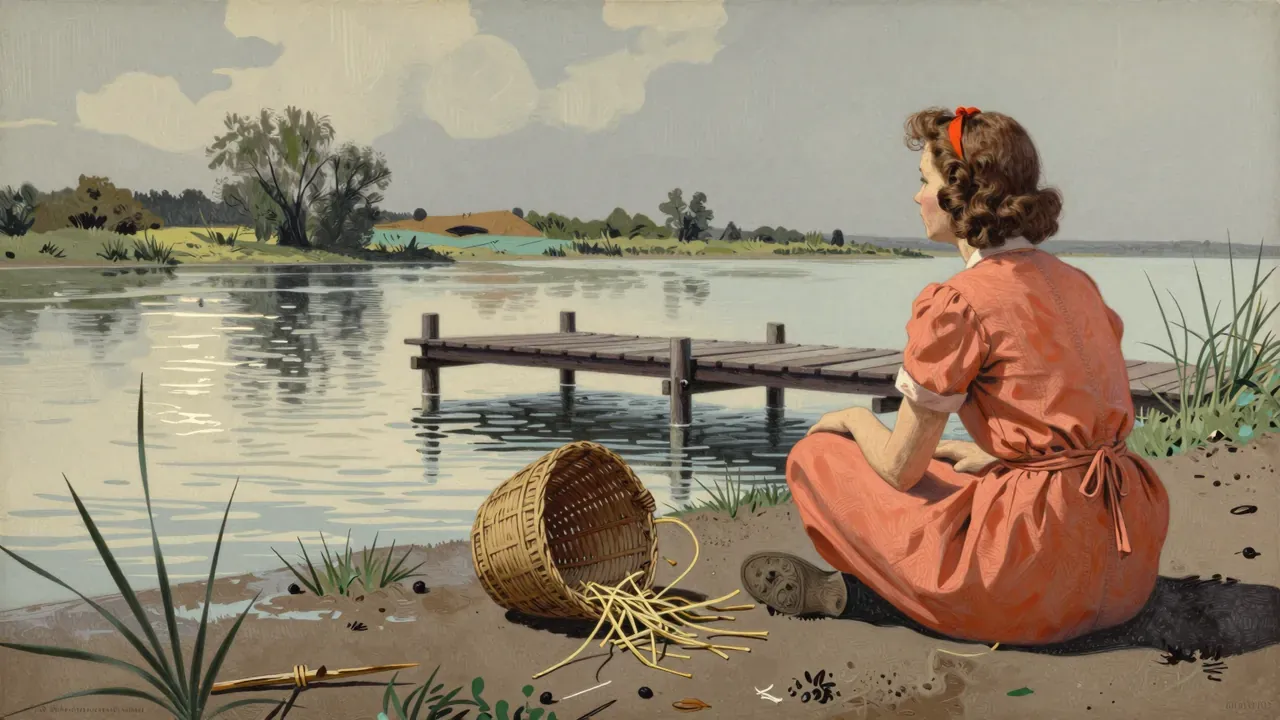
Jean Renoir’s 1946 featurette, shot in 1936 and adapted from Maupassant, captures a summer day in 1860 when a Paris shopkeeper’s daughter is briefly drawn from her world by a riverbank encounter. Forty minutes long, it relies on atmosphere, restraint, and precise visual storytelling rather than exposition or resolution. Claude Renoir’s cinematography, Joseph Kosma’s score, and Marguerite Renoir’s editing sustain a mood of quiet inevitability. Though some structural choices feel tentative, its emotional accuracy and formal discipline make it a benchmark of poetic realism.
13:00

Boudu Saved from Drowning

Jean Renoir · 1932

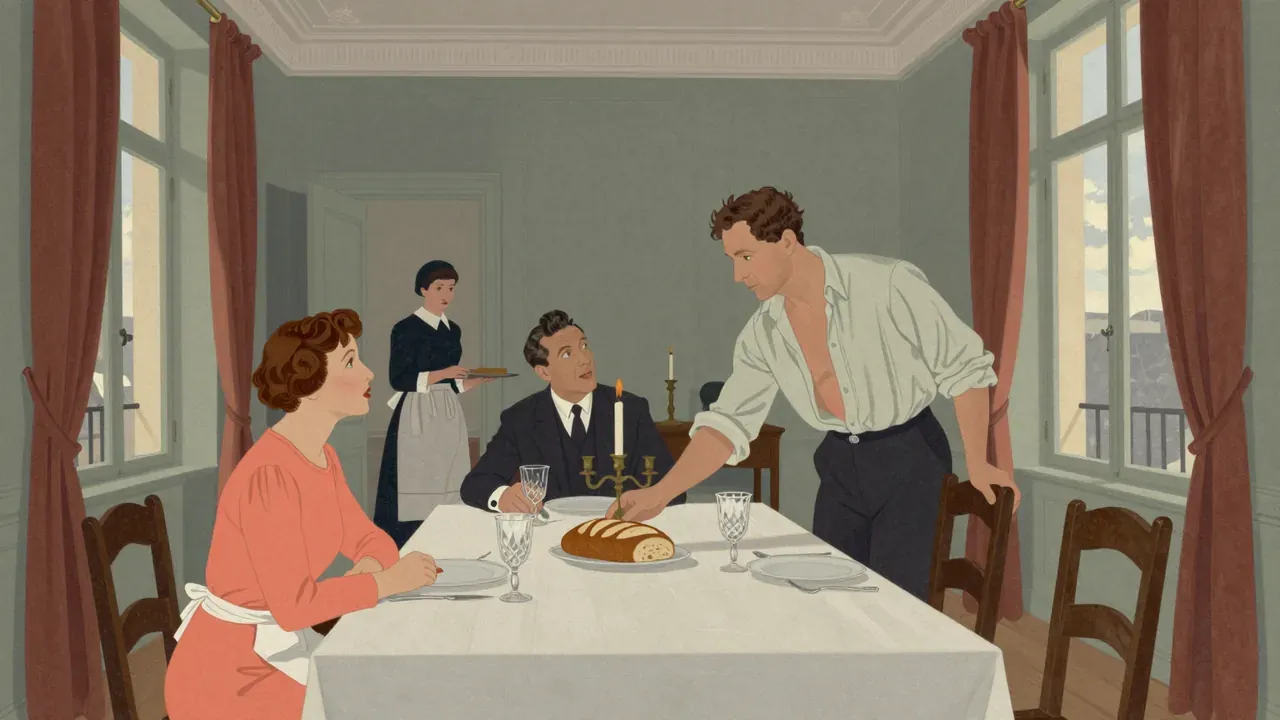
Jean Renoir’s 1932 Boudu Saved from Drowning follows a Paris bookseller who rescues a suicidal tramp and tries to assimilate him into middle-class life. Starring Michel Simon, the film uses precise staging, behavioural realism and dry wit to dissect the contradictions of respectability — not by arguing against it, but by letting its rituals collapse under the weight of an unassimilable presence.

13:00

Casque d'Or

Jacques Becker · 1952

Jacques Becker’s 1952 drama follows Marie and Manda, lovers caught in the violent hierarchies of Belle Époque Paris. Shot with precise, unadorned realism, it avoids moralising or spectacle, instead anchoring emotion in gesture, setting, and consequence. Simone Signoret and Serge Reggiani deliver performances of quiet intensity, supported by Robert Lefebvre’s understated cinematography and Marguerite Renoir’s taut editing. Its final sequence — Marie watching Manda’s execution from a hotel window — remains one of cinema’s most devastating uses of spatial restraint.

13:00

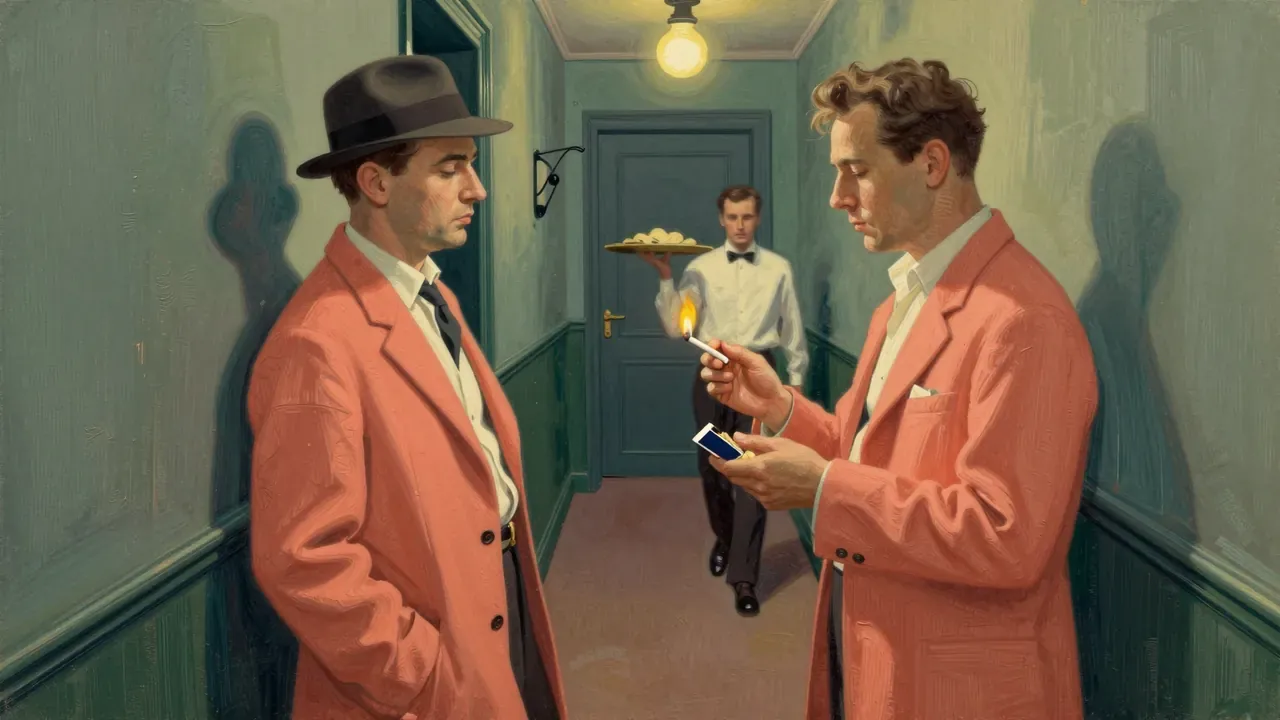
Grisbi

Jacques Becker · 1954

Jacques Becker’s 1954 heist film follows ageing Parisian gangster Max le Menteur as his control over his crew, his lover, and his own stamina begins to slip. Shot in muted tones by Pierre Montazel and edited with deliberate calm by Marguerite Renoir, it treats crime as backdrop to a study in endurance, habit, and quiet decline. Jean Gabin’s performance is restrained, anchored in physical detail rather than declaration.

13:00

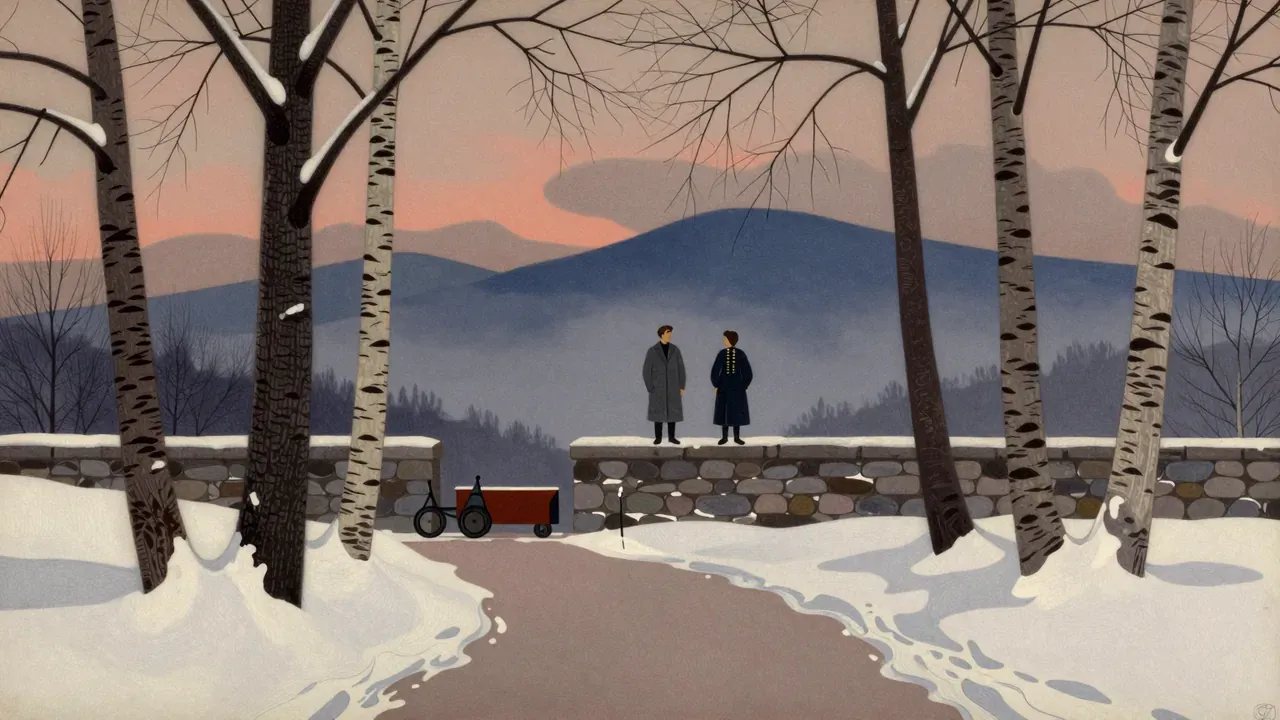
La Grande Illusion

Jean Renoir · 1937

La Grande Illusion (1937), directed by Jean Renoir, follows French officers imprisoned in German camps during the First World War. Through restrained performances, unadorned cinematography, and a structure built on observation rather than action, it explores how class, nationality, and personal dignity persist — and sometimes collapse — under pressure. Its enduring power lies not in grand statements but in quiet, specific moments: a shared meal, a sung anthem, a winter refuge, a final, reluctant shot.

13:00

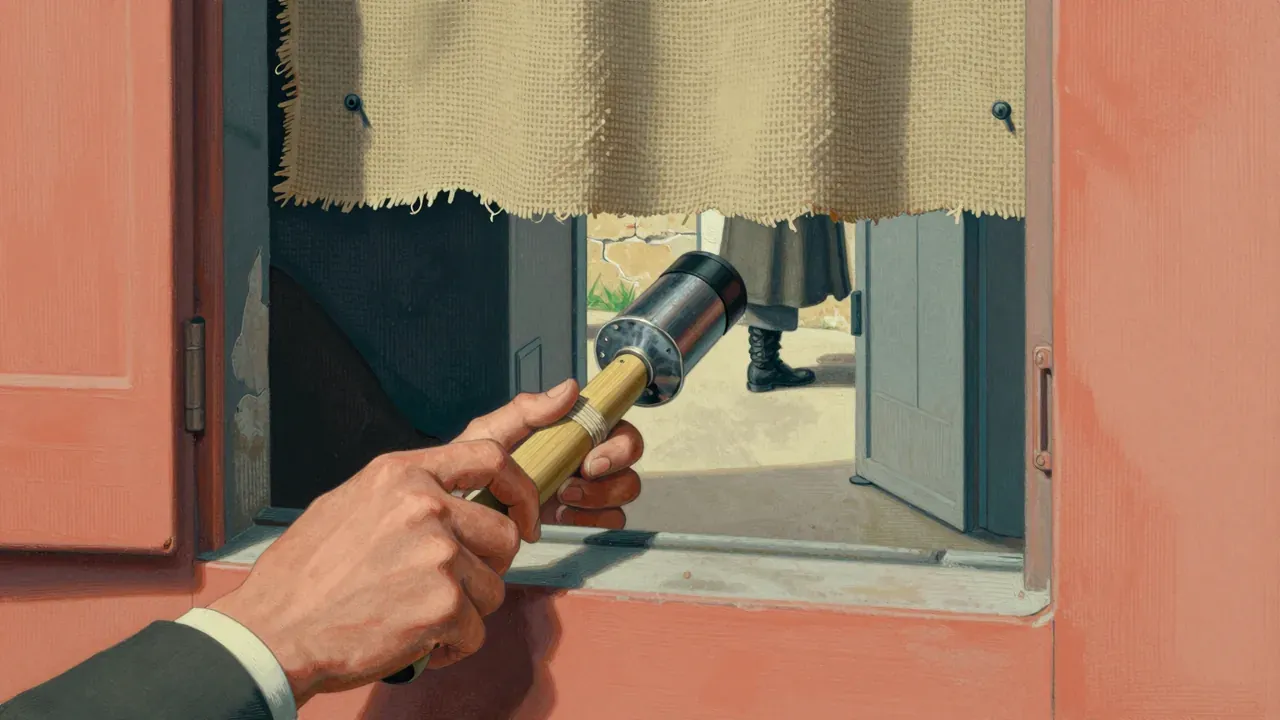
The Hole

Jacques Becker · 1960

Jacques Becker’s 1960 film The Hole reconstructs a real 1947 escape attempt at Paris’s La Santé Prison with forensic calm. Five inmates — played largely by non-actors, including one actual participant — dig a tunnel beneath their cell floor using scavenged tools and stolen time. The film avoids drama in favour of procedure, silence over score, and group rhythm over individual arc. Its power lies in accumulated detail, moral ambiguity, and the quiet collapse of trust when freedom arrives — not as rescue, but as a choice no one can fully explain.