filmbriefs
Cinematographer · 1924–1981

Ghislain Cloquet

10
briefs
13:00
average
130 min
in total
On film.briefs10
13:00

Classe tous risques

Claude Sautet · 1960

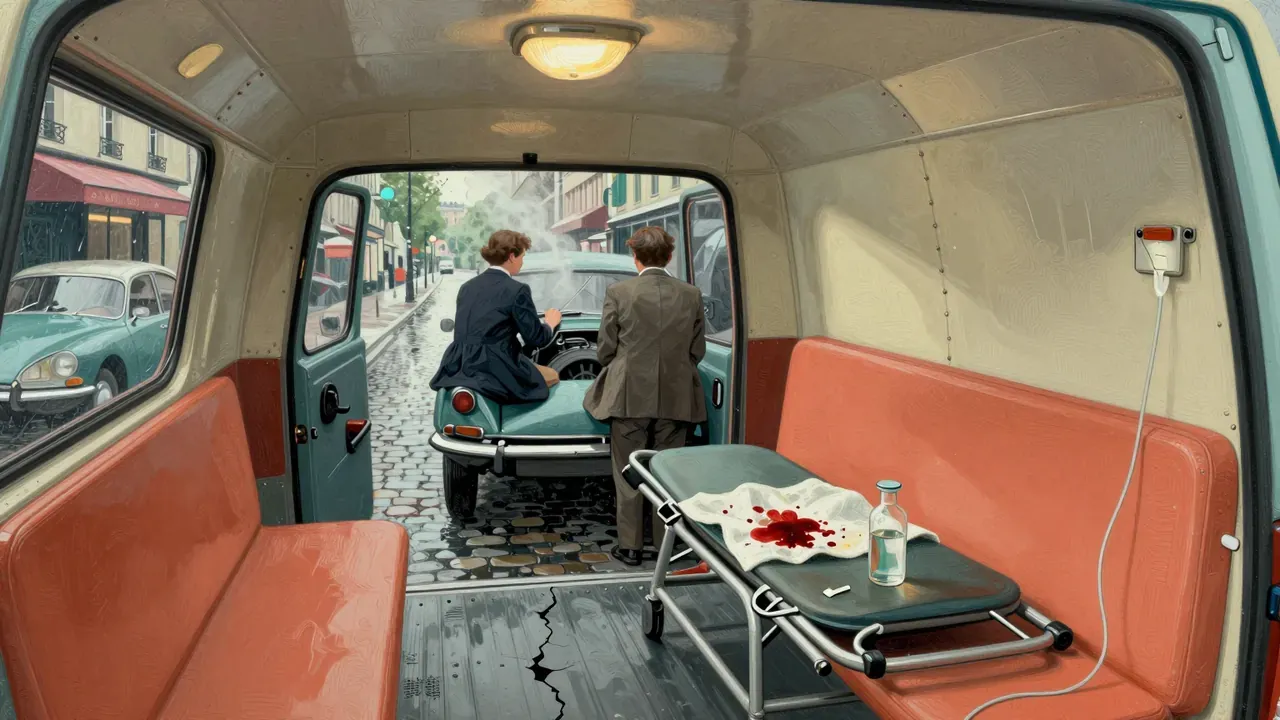
Claude Sautet’s 1960 crime film follows a fugitive gangster who returns to Paris with his sons, seeking help from former associates now settled into bourgeois comfort. As old loyalties fray and new alliances prove fragile, his attempt to secure a future ends in isolation and inevitability. Shot with restraint by Ghislain Cloquet and scored with quiet melancholy by Georges Delerue, it is a study in moral erosion, not spectacle.
13:00

Mouchette

Robert Bresson · 1967

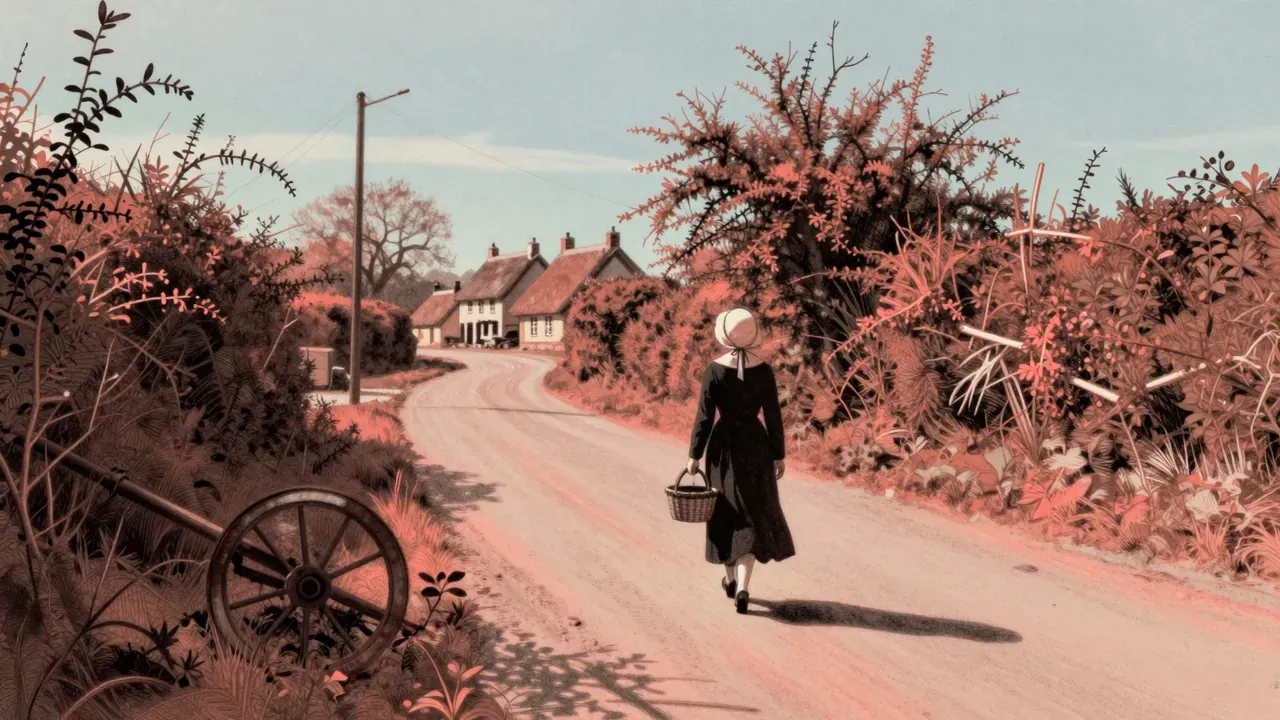
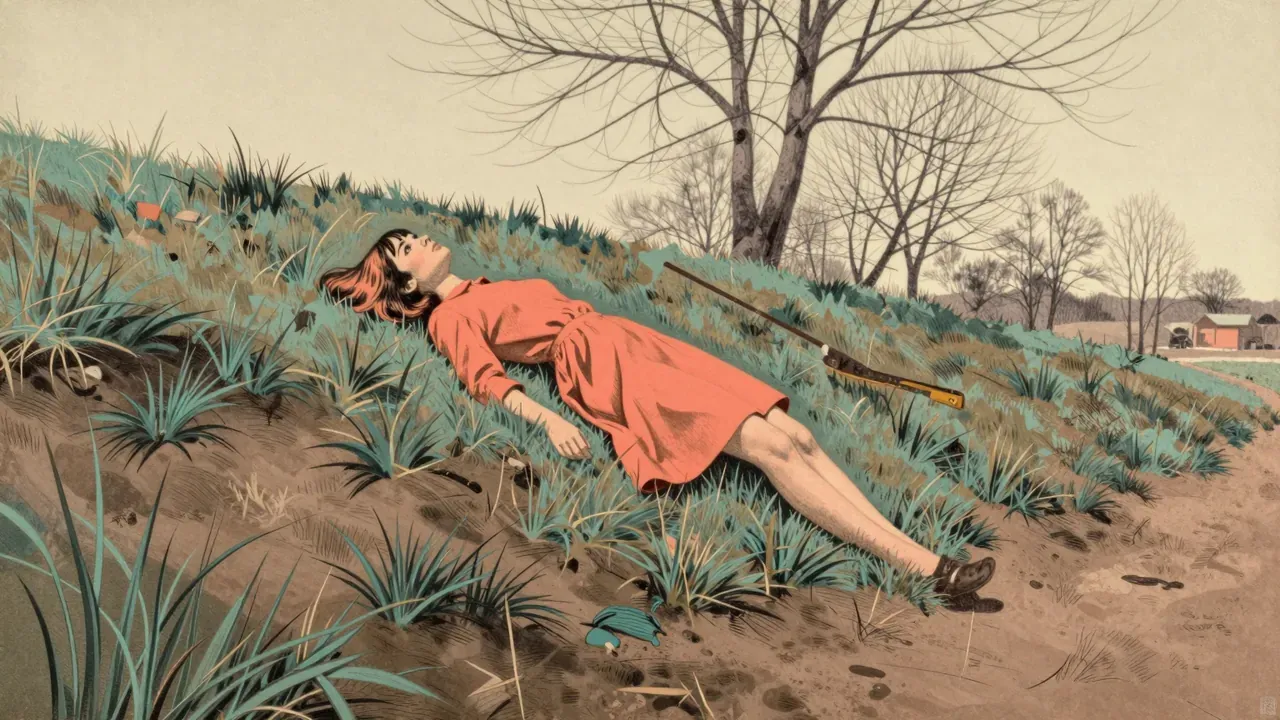
Robert Bresson’s 1967 adaptation of Georges Bernanos’s novel follows a teenage girl’s silent, unrelenting attrition in a rural French village. Using non-professional actors, sparse dialogue, and Ghislain Cloquet’s restrained cinematography, the film renders suffering as routine, not event — culminating in a final act of physical surrender that feels less like despair than exhaustion made visible.

13:00

Night and Fog

Alain Resnais · 1956

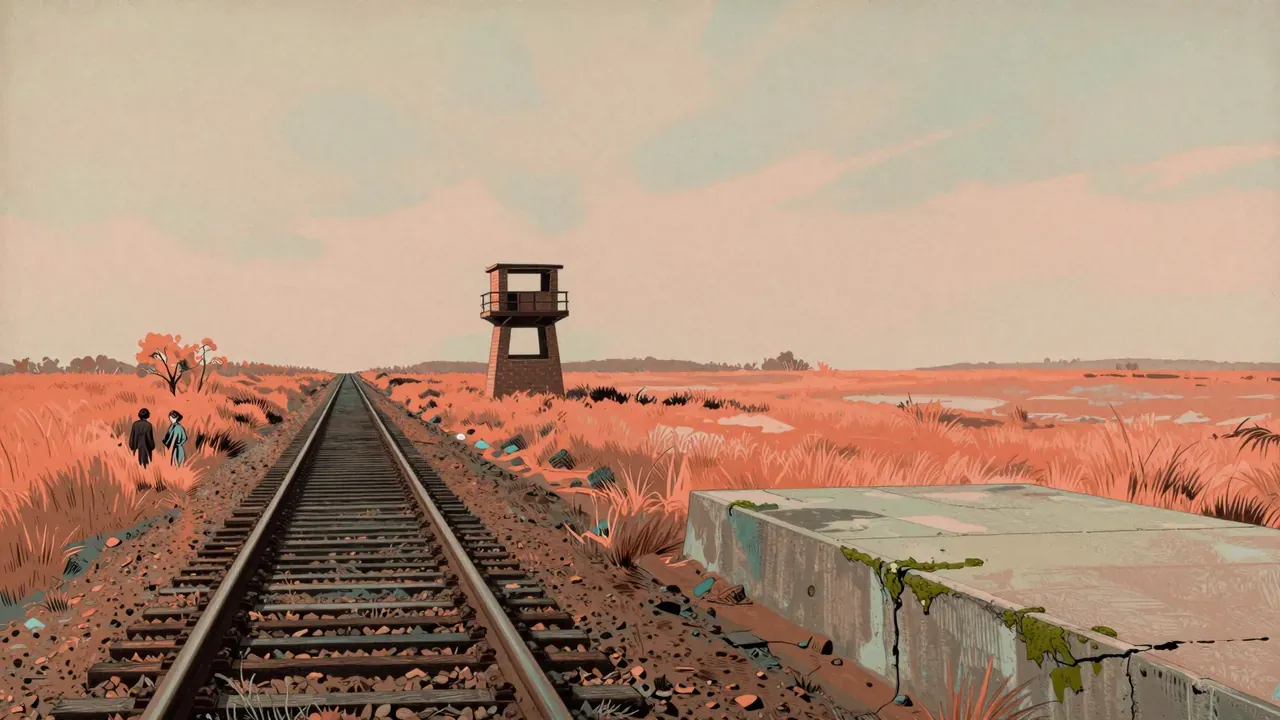
Alain Resnais’s 1956 documentary Night and Fog uses stark juxtaposition — new colour footage of abandoned camps alongside archival black-and-white material — to dissect the concentration camp as a functional extension of fascism. Written by survivor Jean Cayrol and Chris Marker, and scored by Hanns Eisler, it avoids sentimentality in favour of structural analysis: architecture, logistics, bureaucracy, and the diffusion of responsibility. Commissioned for the tenth anniversary of camp liberation, it remains a foundational essay film, rigorous, unsettling, and deliberately unresolved.

13:00

Peau d'Âne

Jacques Demy · 1970

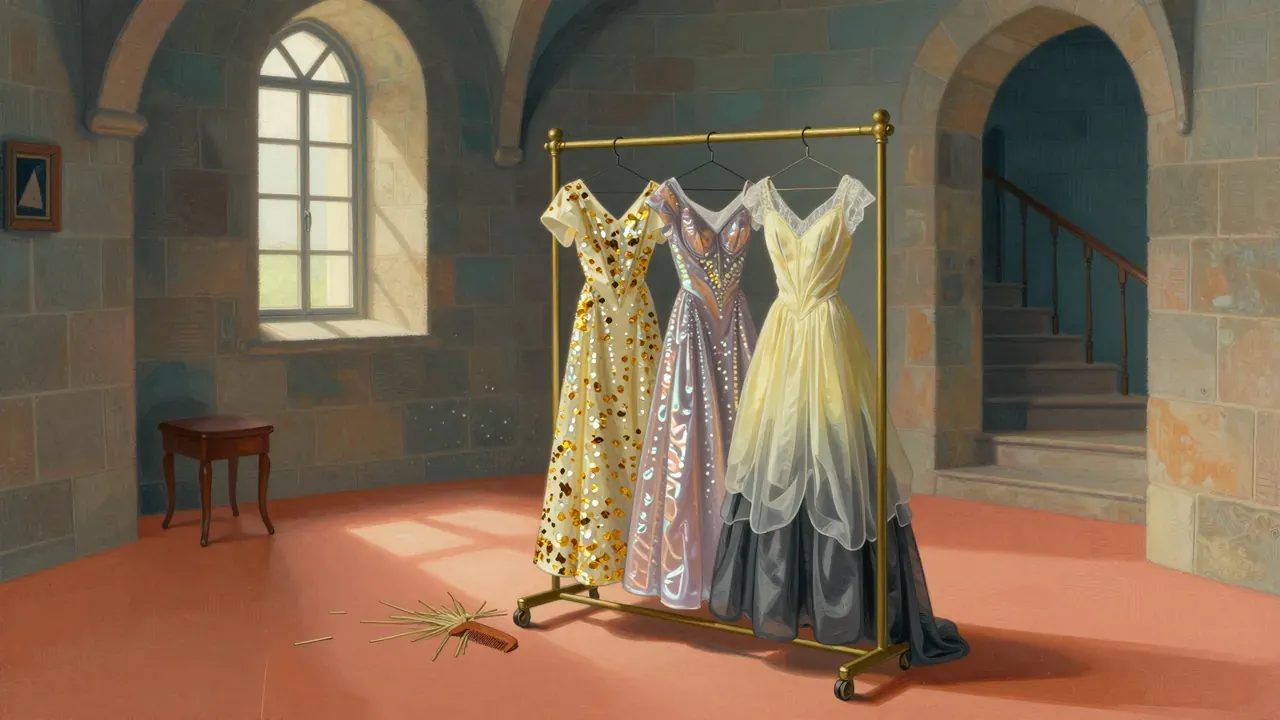
Jacques Demy’s 1970 musical fantasy Peau d’Âne adapts Perrault’s Donkeyskin with meticulous visual and musical precision. Catherine Deneuve stars as a princess who flees her father’s incestuous proposal by donning a magic donkey skin, finding refuge and love in disguise. Shot across historic French châteaux, scored by Michel Legrand, and designed with sumptuous, symbolic costumes, the film treats folklore as a self-contained system of rules, colour, and ritual — not a psychological case study. Its power lies in consistency, not catharsis.

13:00

Tess

Roman Polanski · 1979

Roman Polanski’s 1979 Tess adapts Thomas Hardy’s novel with rigorous visual fidelity and unhurried pacing. Shot in northern France by Ghislain Cloquet and the late Geoffrey Unsworth, it renders late-Victorian rural life as a system of material constraint, not romantic backdrop. Nastassja Kinski’s restrained performance anchors a film that prizes texture over exposition, endurance over agency, and consequence over catharsis. It won three Academy Awards — for cinematography, costume design, and production design — and remains Polanski’s most formally controlled, morally unvarnished work.

13:00

The Fire Within

Louis Malle · 1963

Louis Malle’s 1963 drama follows a recovering alcoholic over his final day in Paris, as he revisits old friends and tests whether any connection might hold him to life. With Maurice Ronet in a performance of profound stillness, and Ghislain Cloquet’s muted cinematography, the film registers despair not as explosion but as slow attrition — a portrait of desire’s disappearance.

13:00

The Hole

Jacques Becker · 1960

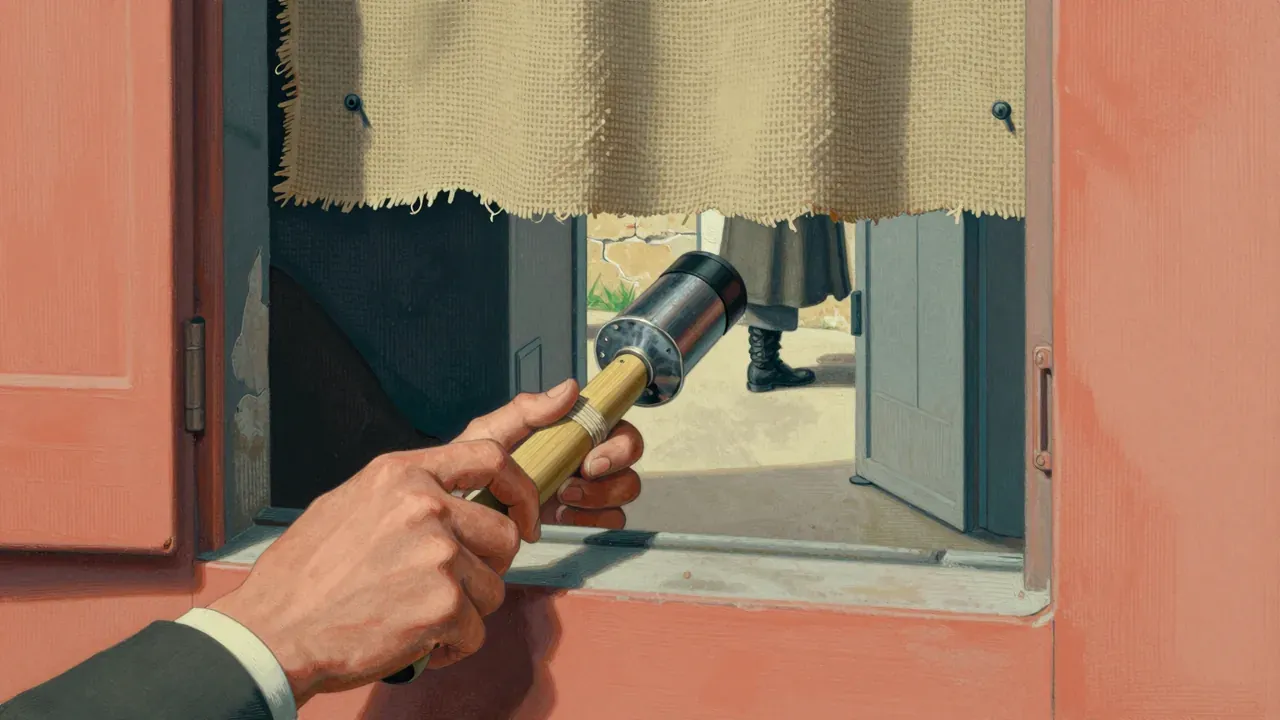
Jacques Becker’s 1960 film The Hole reconstructs a real 1947 escape attempt at Paris’s La Santé Prison with forensic calm. Five inmates — played largely by non-actors, including one actual participant — dig a tunnel beneath their cell floor using scavenged tools and stolen time. The film avoids drama in favour of procedure, silence over score, and group rhythm over individual arc. Its power lies in accumulated detail, moral ambiguity, and the quiet collapse of trust when freedom arrives — not as rescue, but as a choice no one can fully explain.

13:00

Vive le Tour

Louis Malle · 1962

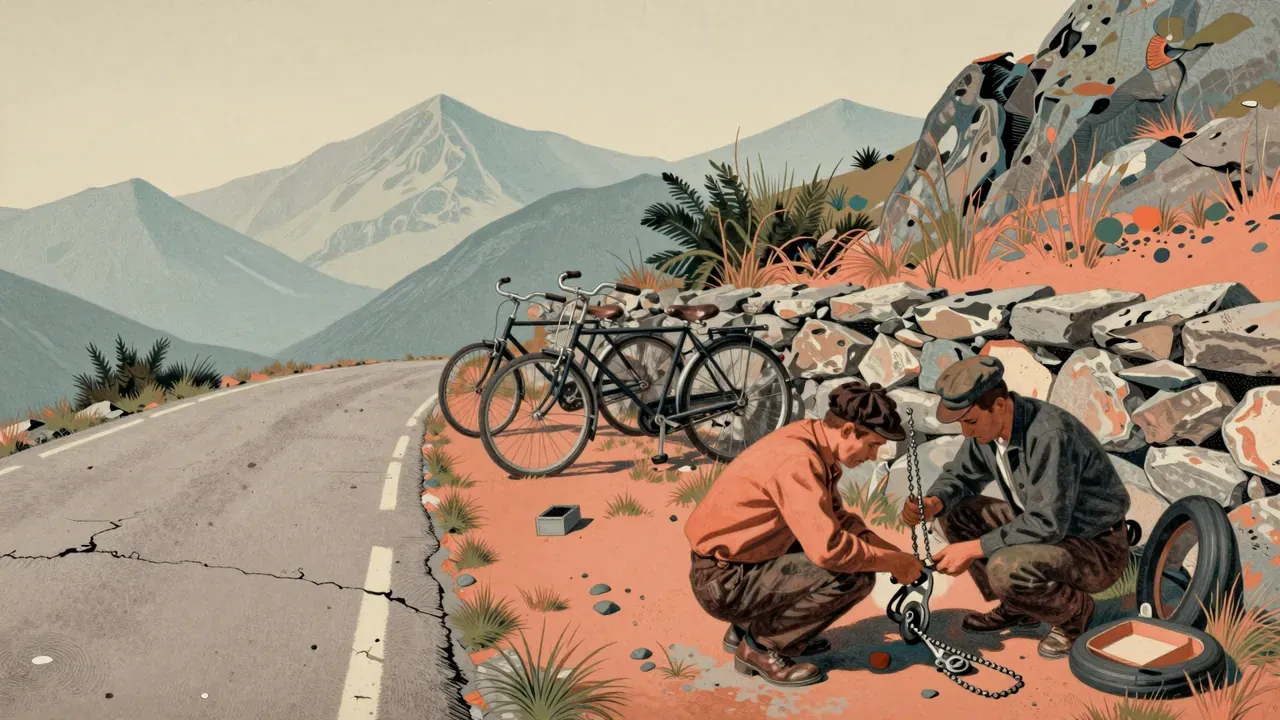
Louis Malle’s 1962 documentary Vive le Tour observes the 1962 Tour de France with clinical intimacy: mechanics adjusting bikes roadside, riders eating cold sandwiches, journalists shouting questions, medical staff administering injections. Shot on location by Malle alongside Ghislain Cloquet and Jacques Ertaud, and narrated by cyclist Jean Bobet, it avoids heroics and exposition in favour of accumulated detail — food, fatigue, doping, injury — treated as routine elements of a vast, mobile operation. Georges Delerue’s restrained score underscores transitions, not emotions. At 18 minutes, it is brief but densely observed, offering no answers, only a clear-eyed look at endurance as collective, unglamorous work.

13:00

Au Hasard Balthazar

Robert Bresson · 1966

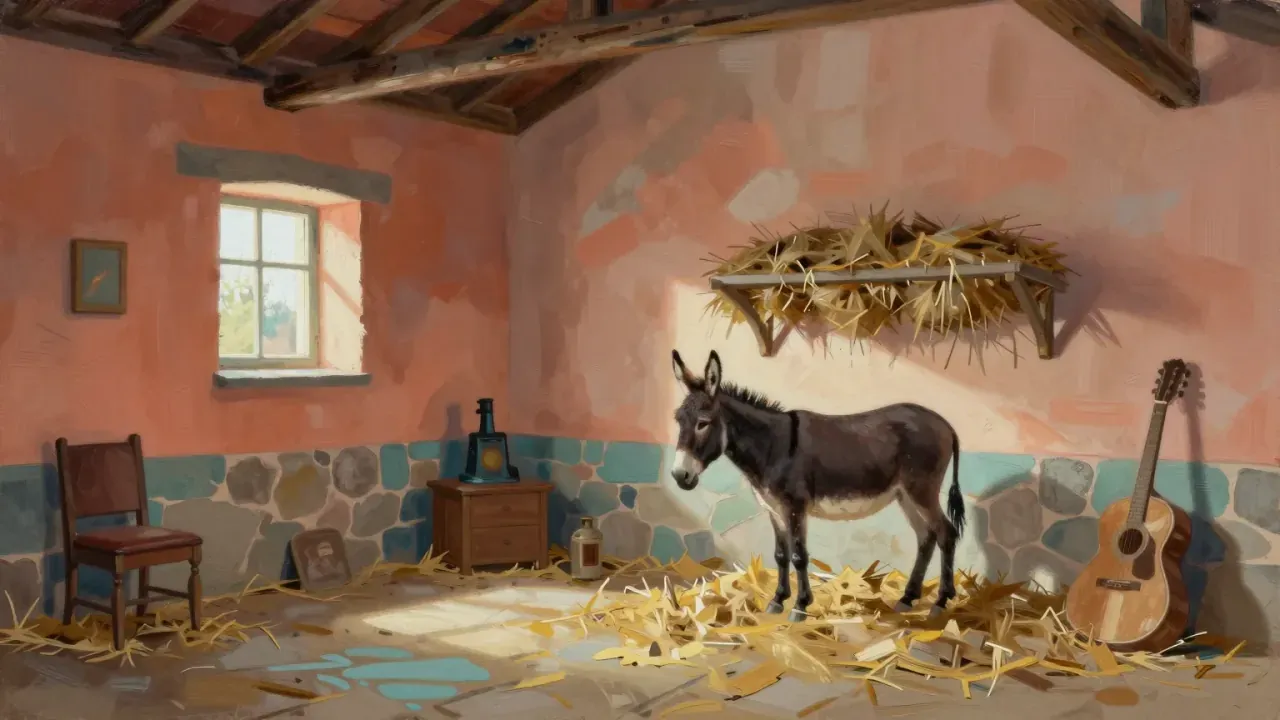
Robert Bresson’s 1966 film follows Balthazar, a donkey, through successive owners in rural France. Told with austere precision, it uses non-professional actors, restrained cinematography by Ghislain Cloquet, and near-silent observation to trace endurance, indifference, and quiet violation. Marie, played by Anne Wiazemsky, ages alongside Balthazar, her decline mirroring his — though neither is granted interiority. The film’s power lies in accumulation, not exposition; its final image — Balthazar dying among sheep — lands not as tragedy but as quiet, inevitable fact.

13:00

The Young Girls of Rochefort

Jacques Demy · 1967

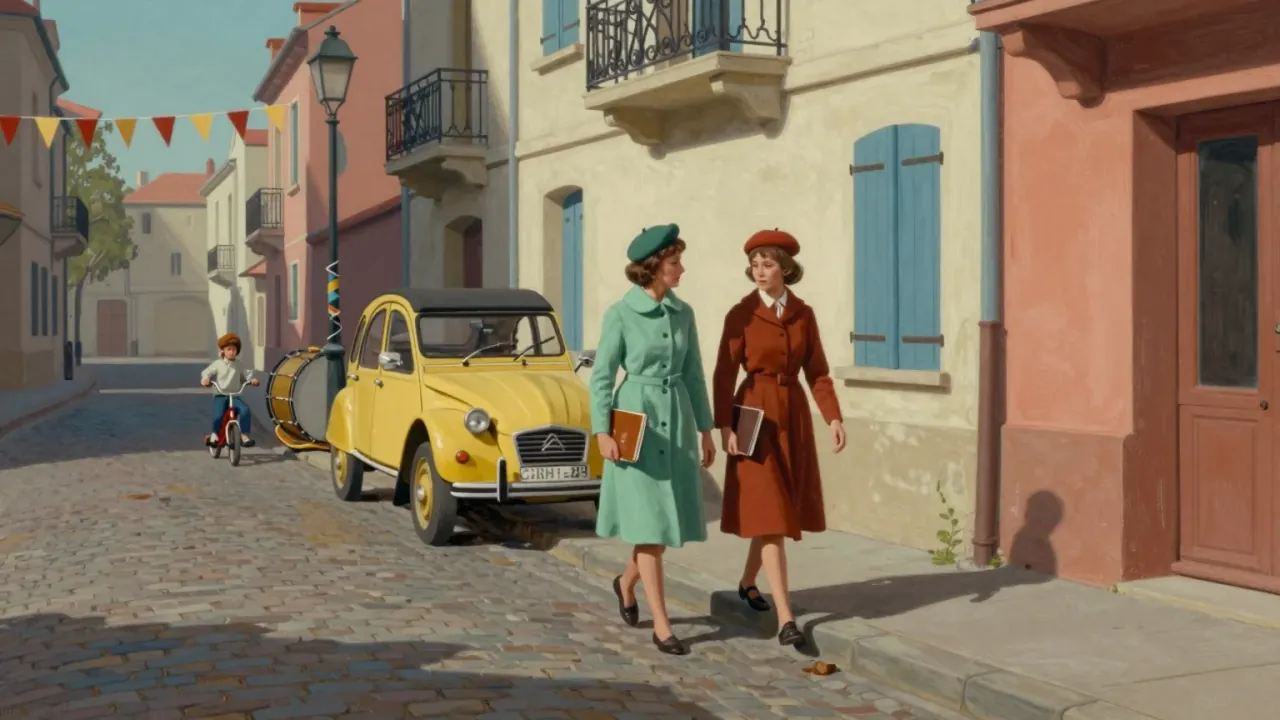
Jacques Demy’s 1967 musical follows twin sisters in the French port town of Rochefort over three days as a fair arrives, lovers circle, and artistic ambitions converge. With Ghislain Cloquet’s luminous cinematography and Michel Legrand’s intricate score, it builds emotion through repetition, colour, and quiet intention rather than plot turns — a formally rigorous, emotionally resonant portrait of longing held in balance.