filmbriefs
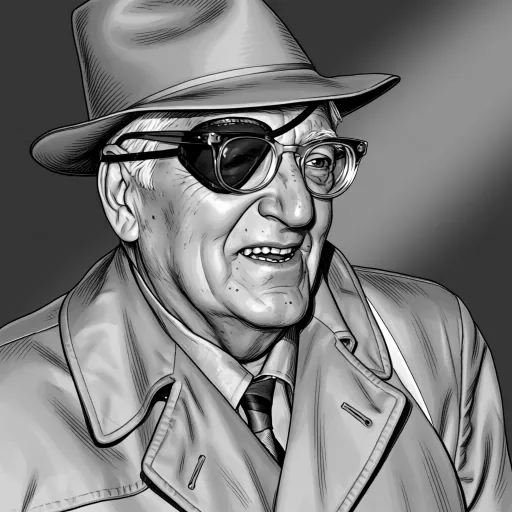
Actor · Director · Screenwriter · Producer · Editor · 1890–1976

Fritz Lang

6
briefs
13:00
average
78 min
in total
On film.briefs6
13:00

Contempt

Jean-Luc Godard · 1963

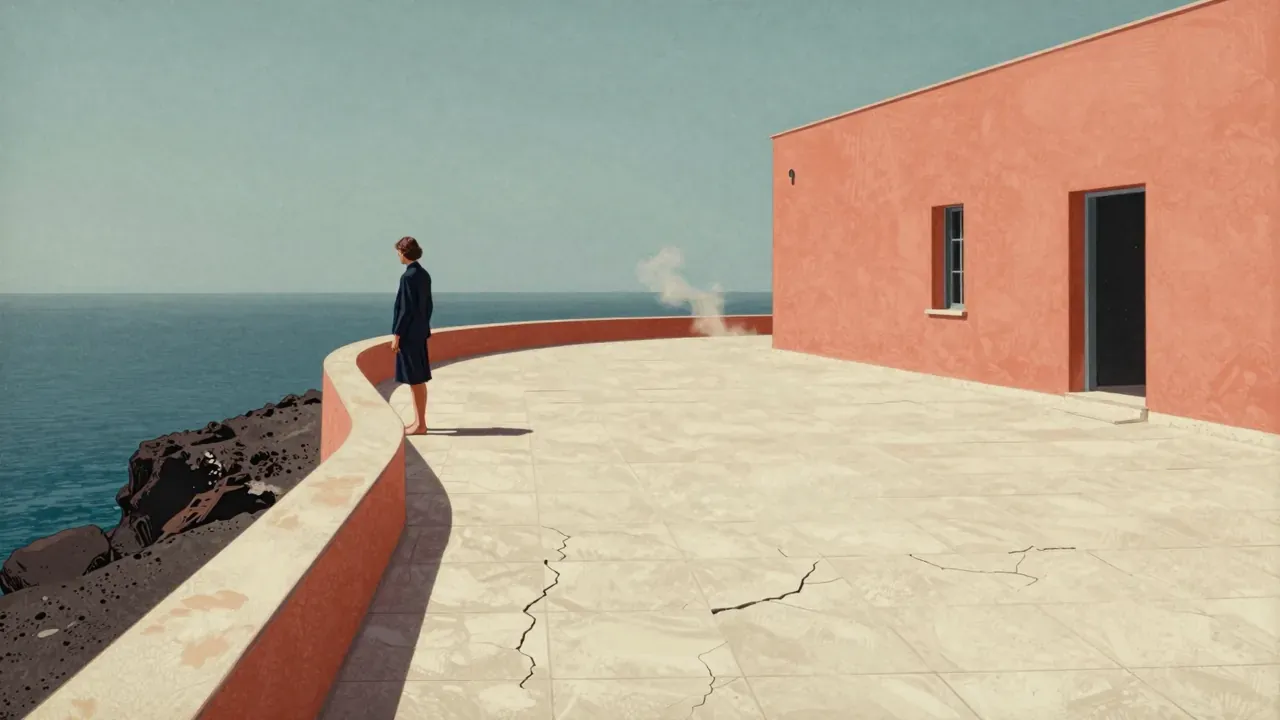
Jean-Luc Godard’s 1963 Contempt adapts Moravia’s novel into a self-aware drama about a playwright whose marriage unravels during the fraught production of a film version of the Odyssey. Shot in Rome and Capri, it stars Brigitte Bardot and Michel Piccoli, with Fritz Lang playing himself. The film interrogates authorship, fidelity, and the commodification of art — using form, colour, and silence as its primary arguments.
13:00

M

Fritz Lang · 1931

Fritz Lang’s 1931 German thriller M follows the parallel manhunts for a child murderer by Berlin’s police and criminal underworld. Using sound innovatively — especially Edvard Grieg’s 'In the Hall of the Mountain King' as a leitmotif — and avoiding on-screen violence, it treats crime as a systemic rupture. Peter Lorre stars as Hans Beckert; Fritz Arno Wagner shot it for Nero-Film. Widely regarded as a landmark of procedural and sound cinema, it remains austere, precise, and morally unresolved.

13:00

Ministry of Fear

Fritz Lang · 1944

Fritz Lang’s 1944 Ministry of Fear adapts Graham Greene’s novel into a tightly paced spy thriller set in Blitz-era London. Ray Milland plays Stephen Neale, a man recently released from a mental asylum who stumbles into a Nazi espionage ring masquerading as a charitable organisation. The film prioritises procedural suspense and period texture over the novel’s deep psychological guilt, delivering a lean, atmospheric, studio-era noir anchored in tangible wartime detail.

13:00

The Testament of Dr. Mabuse

Fritz Lang · 1933

Fritz Lang’s 1933 crime-thriller, made weeks before Hitler’s rise and banned by Goebbels on release, follows Inspector Lohmann as he traces a wave of violence back to the asylum-bound Dr. Mabuse — whose written plans are carried out by others who don’t know they’re obeying. Shot in German and French simultaneously, with stark lighting, deliberate pacing and Hans Erdmann’s sparse score, it treats criminal conspiracy as ideological contagion. Though weakened by a dispensable romance and a rushed finale, its formal control and political prescience make it essential viewing — not as escapism, but as diagnosis.

13:00

Metropolis

Fritz Lang · 1927

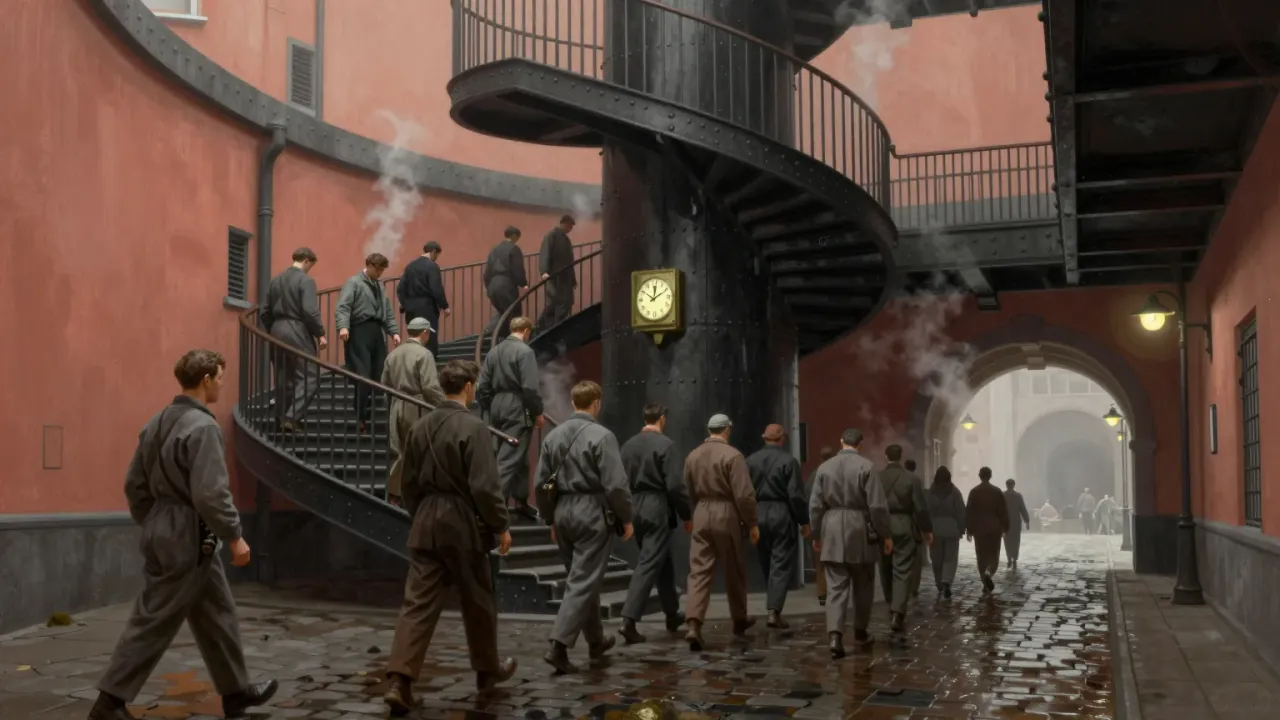
Fritz Lang’s 1927 silent science-fiction film Metropolis stages class division as vertical geography — elites above, workers below — using expressionist design, pioneering special effects, and gruelling physical production. Its moral is stated plainly: 'The Mediator Between the Head and the Hands Must Be the Heart.' Though criticised then and since for schematic politics and narrative naivety, its formal authority, spatial imagination, and material intensity make it foundational. The 2010 restoration recovers nearly all of Lang’s original cut.

13:00

The Big Heat

Fritz Lang · 1953

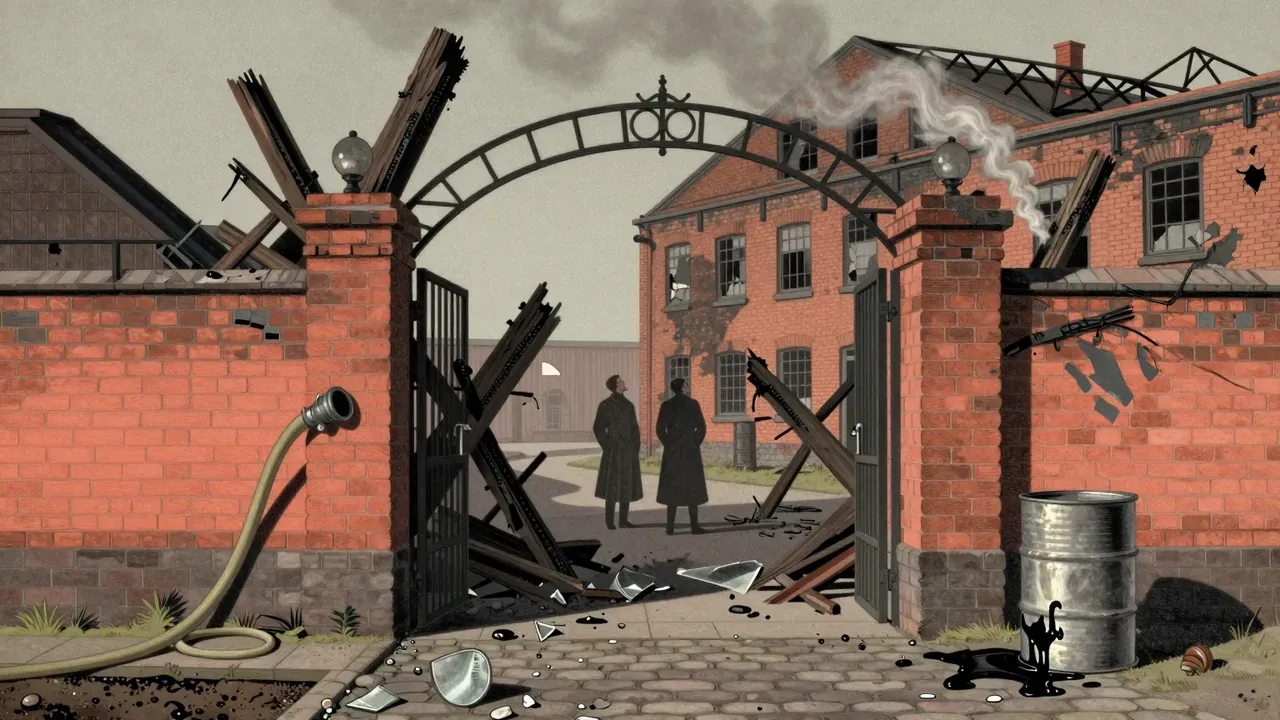
Fritz Lang’s 1953 crime film follows homicide detective Dave Bannion as he pursues the truth behind a fellow officer’s suicide, uncovering a web of police and syndicate collusion. After his wife is killed in a car bombing, Bannion operates outside the force, confronting mob enforcers and compromised officials. With stark cinematography, minimal score, and tightly wound performances — notably Gloria Grahame’s Debby Marsh and Lee Marvin’s Vince Stone — the film builds tension through repetition and consequence rather than exposition or psychology.