filmbriefs
Director · Screenwriter · Editor · Cinematographer

D. A. Pennebaker

6
briefs
13:00
average
78 min
in total
On film.briefs6
13:00

Dont Look Back

D. A. Pennebaker · 1967

Dont Look Back is a 1967 vérité documentary by D. A. Pennebaker capturing Bob Dylan’s 1965 UK tour. Shot on handheld 16mm black-and-white film with direct sound, it avoids narration, exposition or chronological framing. Instead, it observes Dylan’s interactions with Joan Baez, Albert Grossman, Allen Ginsberg and others, alongside performances and unscripted encounters. Its power lies in sustained observation, rhythmic editing and deliberate ambiguity — not in decoding its subject, but in recording the conditions of his visibility.
13:00

Maidstone

Norman Mailer · 1970

Norman Mailer’s 1970 independent film Maidstone stars him as a narcissistic filmmaker-politician shooting a brothel drama on his East Hampton estate. Shot over five days with no script, handheld cameras, and improvised performances — including a real, bloody fight with Rip Torn — it attempts a radical critique of media, power and ego. Its ambition is structural: to make authority visible by dismantling control. But its execution exposes the limits of that vision — especially in its treatment of women and race. Though obscure for decades, it remains a singular, uncomfortable artefact of late-1960s American cultural crisis.

13:00

Monterey Pop

D. A. Pennebaker · 1968

D. A. Pennebaker’s 1968 documentary captures select performances from the 1967 Monterey Pop Festival with minimal intervention: no narration, no crowd shots, no chronological fidelity. Shot on 16mm and mixed from live eight-track recordings, it presents Otis Redding, Ravi Shankar, Jimi Hendrix, The Who, and others as autonomous musical events — valued for physical presence, duration, and sonic fidelity rather than cultural symbolism. Its power lies in restraint, not revelation.

13:00

Original Cast Album: Company

D. A. Pennebaker · 1970

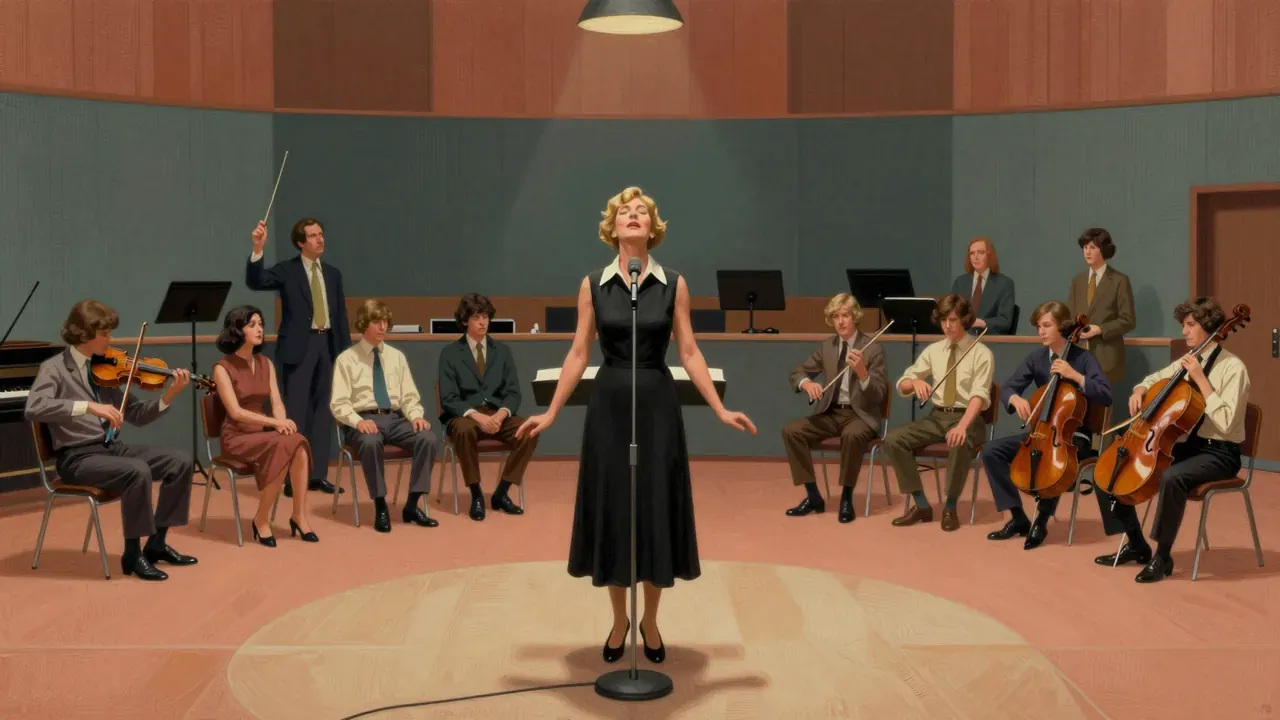
D. A. Pennebaker’s 1970 documentary observes the marathon studio session for the original cast album of Stephen Sondheim’s Company. Filmed over two days at Columbia Records’ 30th Street Studio, it captures singers, musicians, and producers wrestling with fatigue, pitch, and timing — most memorably Elaine Stritch’s repeated attempts at 'The Ladies Who Lunch'. Unvarnished, chronological, and devoid of narration or context, it treats recording as craft rather than spectacle.

13:00

Town Bloody Hall

D. A. Pennebaker · 1979

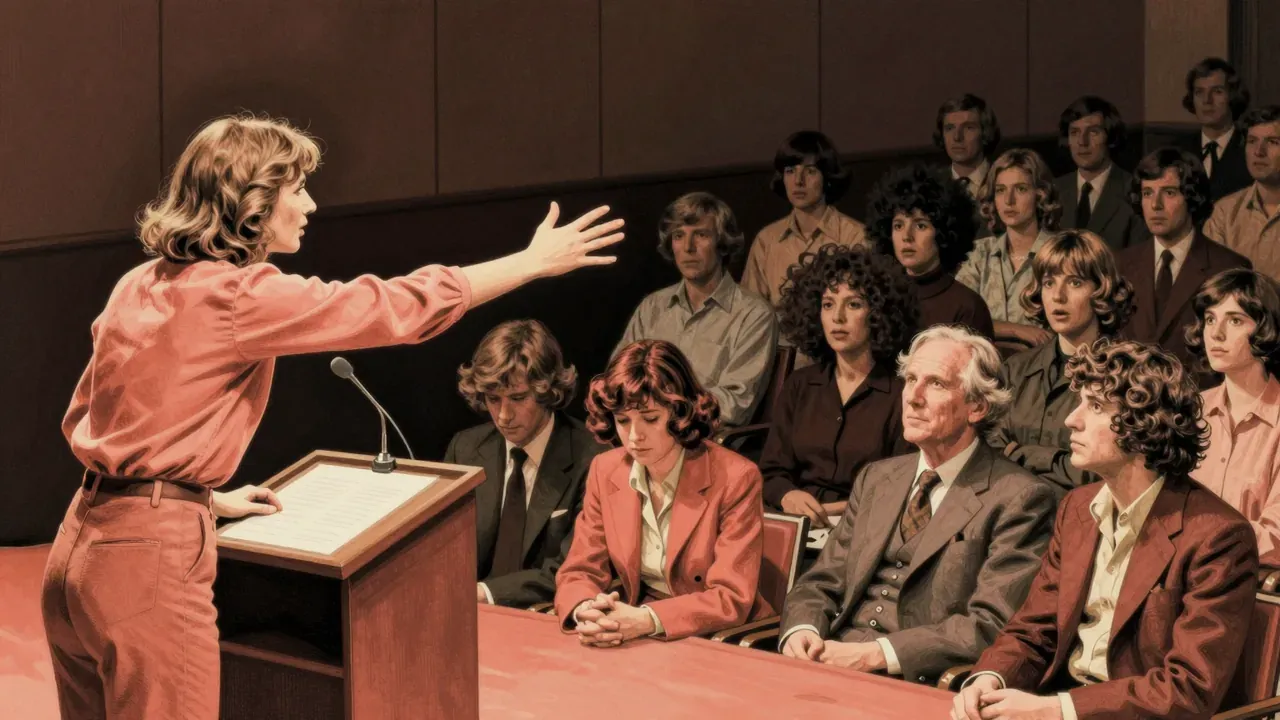
Town Bloody Hall documents a volatile 1971 New York panel featuring Norman Mailer and feminist thinkers Germaine Greer, Jill Johnston, Diana Trilling and Jacqueline Ceballos. Filmed by D. A. Pennebaker and edited with minimal intervention, it preserves the debate’s rhythms, interruptions and ideological fractures without commentary or context. Released in 1979, it stands as a stark, unvarnished artefact of second-wave feminism’s internal and external confrontations.

13:00

Wild 90

Norman Mailer · 1968

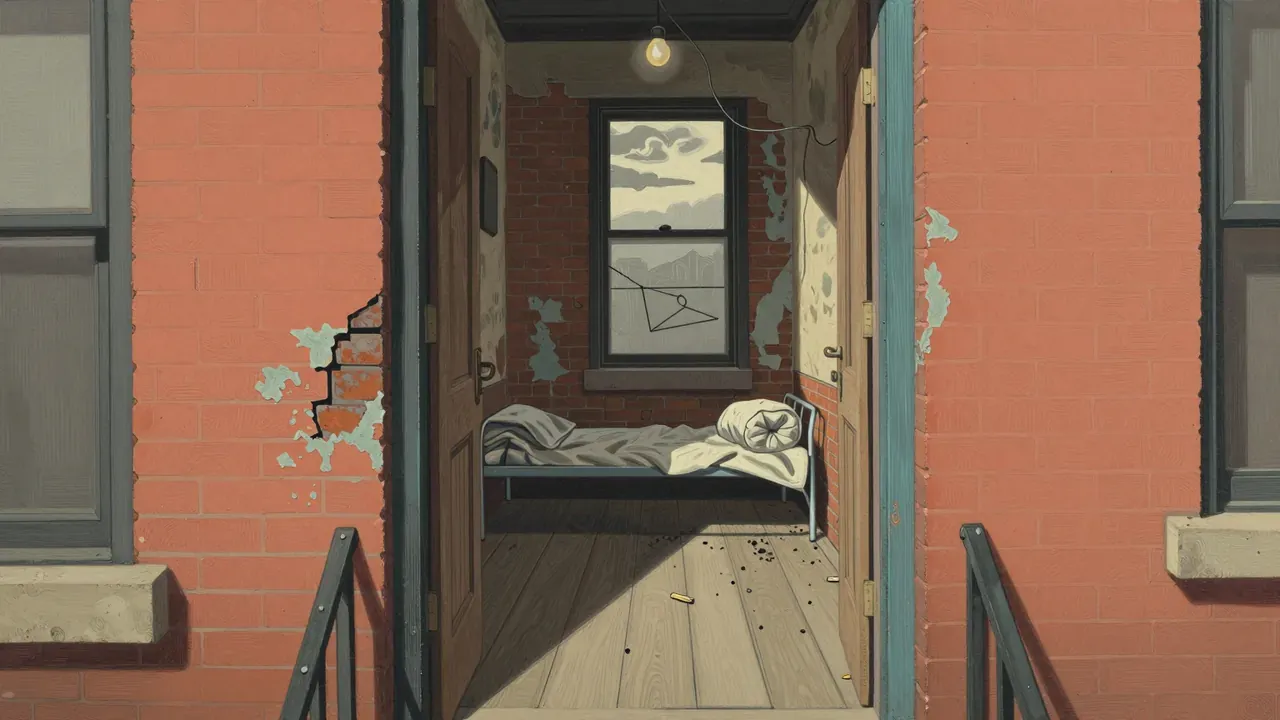
Norman Mailer’s Wild 90 (1968) is a black-and-white, 16mm experimental film shot over four nights in a Lower Manhattan apartment. Mailer, Mickey Knox, and Buzz Farbar improvise as gangster avatars, armed with props and liquor, their dialogue unscripted and heavily profane. D. A. Pennebaker’s cinematography is direct and unadorned; a technical flaw left a quarter of the soundtrack muffled — a choice Mailer preserved. Edited from 150 minutes to 90, the film rejects narrative, polish, and coherence in favour of raw, durational performance. Critically panned on release, it stands as a singular, abrasive document of Mailer’s cinematic ambition — less a story than a test of attention.