filmbriefs
Editor · 1953

Chris Lebenzon

12
briefs
13:00
average
156 min
in total
On film.briefs12
13:00

Armageddon

Michael Bay · 1998

A 1998 American action film directed by Michael Bay, Armageddon follows a team of oil drillers recruited by NASA to destroy a Texas-sized asteroid hurtling toward Earth. With a $140 million budget and an ensemble cast including Bruce Willis, Ben Affleck and Liv Tyler, it prioritises emotional clarity, physical craft and relentless momentum over scientific plausibility or psychological nuance. Though critically divided, it became the highest-grossing film of 1998 and remains a benchmark for large-scale, character-driven spectacle.


13:00

Top Gun

Tony Scott · 1986

A 1986 Paramount action film directed by Tony Scott, Top Gun follows naval aviator Pete ‘Maverick’ Mitchell through the Navy’s elite fighter weapons school. Built around real F-14 flight footage and a synth-heavy score, it prioritises kinetic clarity and visual rhythm over psychological depth or political nuance. Though critically mixed on release, its formal coherence and cultural resonance have secured its status as a defining artefact of 1980s studio filmmaking.

13:00

Batman Returns

Tim Burton · 1992

Tim Burton’s 1992 sequel discards superhero convention to explore abandonment and performance through Gotham’s grotesque, snowbound winter. With Michael Keaton, Danny DeVito, and Michelle Pfeiffer delivering career-defining turns, it leans on Stefan Czapsky’s shadow-heavy cinematography, Bo Welch’s layered production design, and Danny Elfman’s jagged score to sustain a tone both festive and funereal. Structurally loose but thematically tight, it remains a landmark of auteur-driven genre filmmaking.

13:00

Big Fish

Tim Burton · 2003

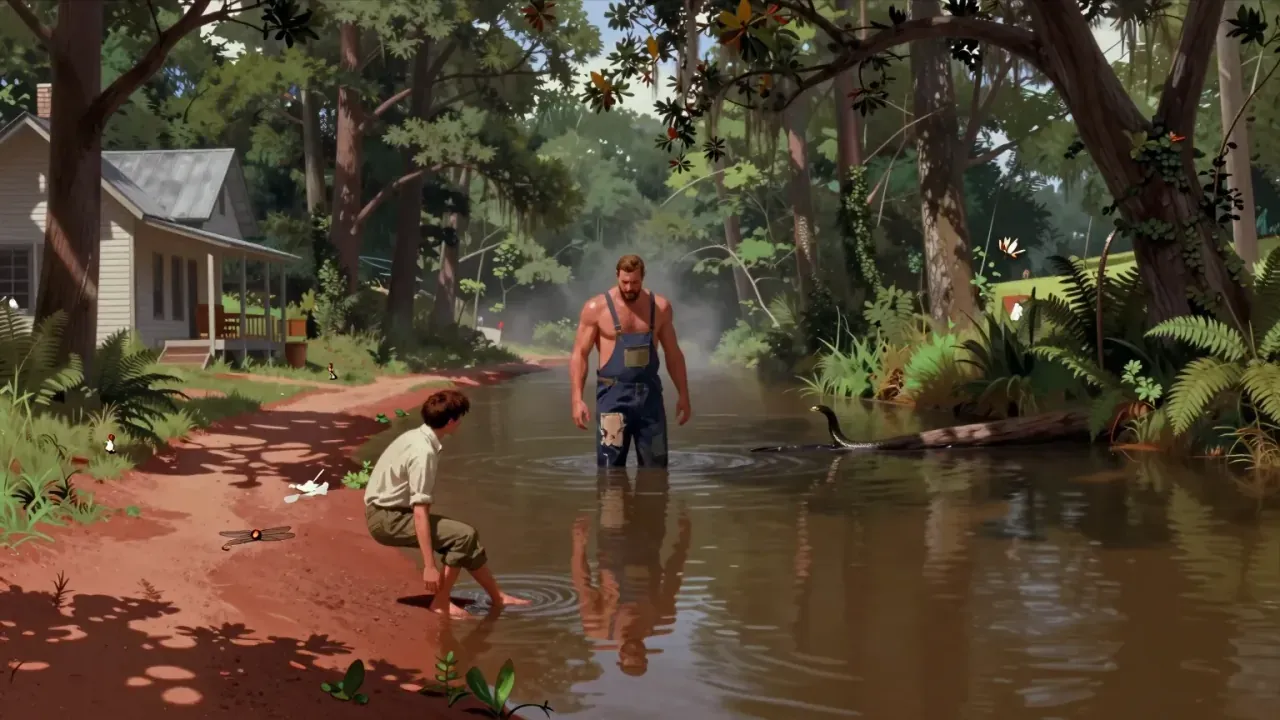
Tim Burton’s 2003 fantasy drama Big Fish adapts Daniel Wallace’s novel into a tripartite portrait of a father’s tall tales and his son’s reluctant reckoning with them. Shot in Alabama with Philippe Rousselot’s sun-bleached cinematography and scored by Danny Elfman, it balances Southern Gothic texture with mythic whimsy. Though its tonal shifts and narrative looseness divided critics, its central theme — that stories are how we hold people close after they’re gone — remains its quiet, steady pulse.

13:00

Charlie and the Chocolate Factory

Tim Burton · 2005

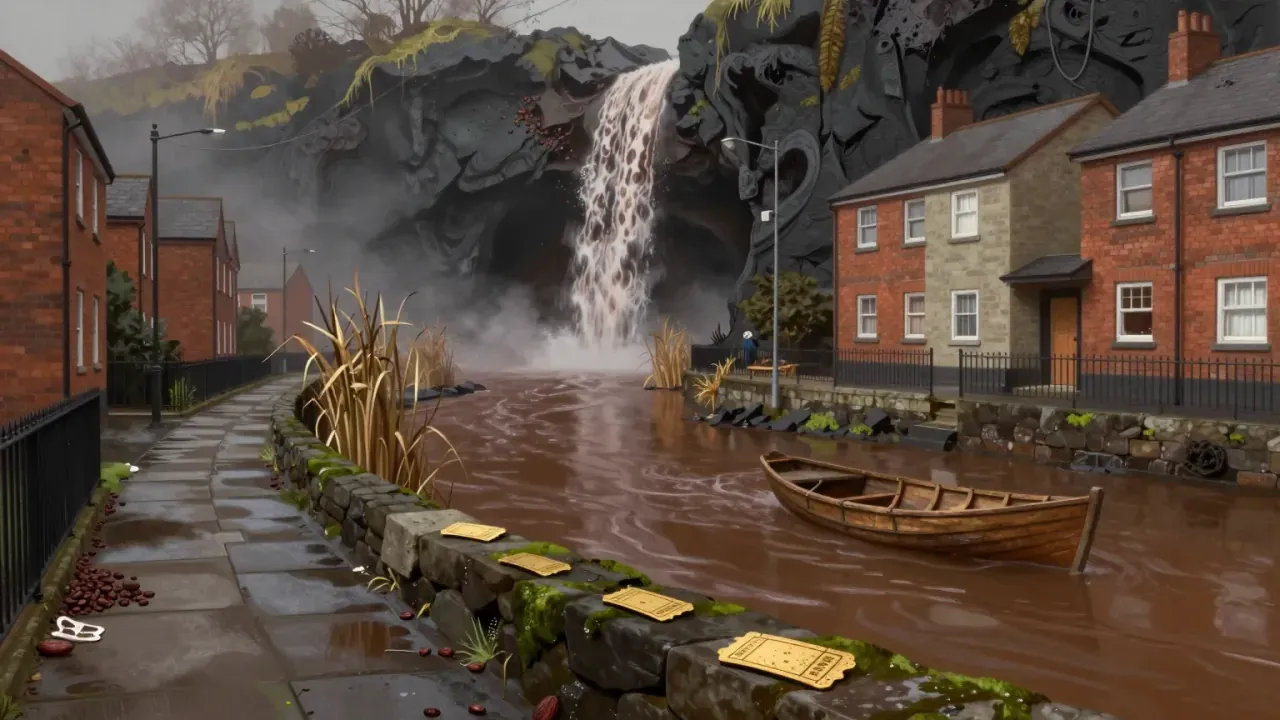
Tim Burton’s 2005 Charlie and the Chocolate Factory is a deliberate departure from the 1971 adaptation: darker, more textured, and psychologically expanded. With Johnny Depp as a tightly wound Willy Wonka and Freddie Highmore as a quietly observant Charlie Bucket, it restores elements from Roald Dahl’s novel while adding Wonka’s estranged dentist father as a key to his pathology. Shot on practical sets at Pinewood Studios, the film privileges tactile realism over digital spectacle. Though praised for its design and tone, its emotional resolution remains thin — Charlie’s virtue is passive, Wonka’s healing unearned. It is a family film that trusts its audience to sit with discomfort.

13:00

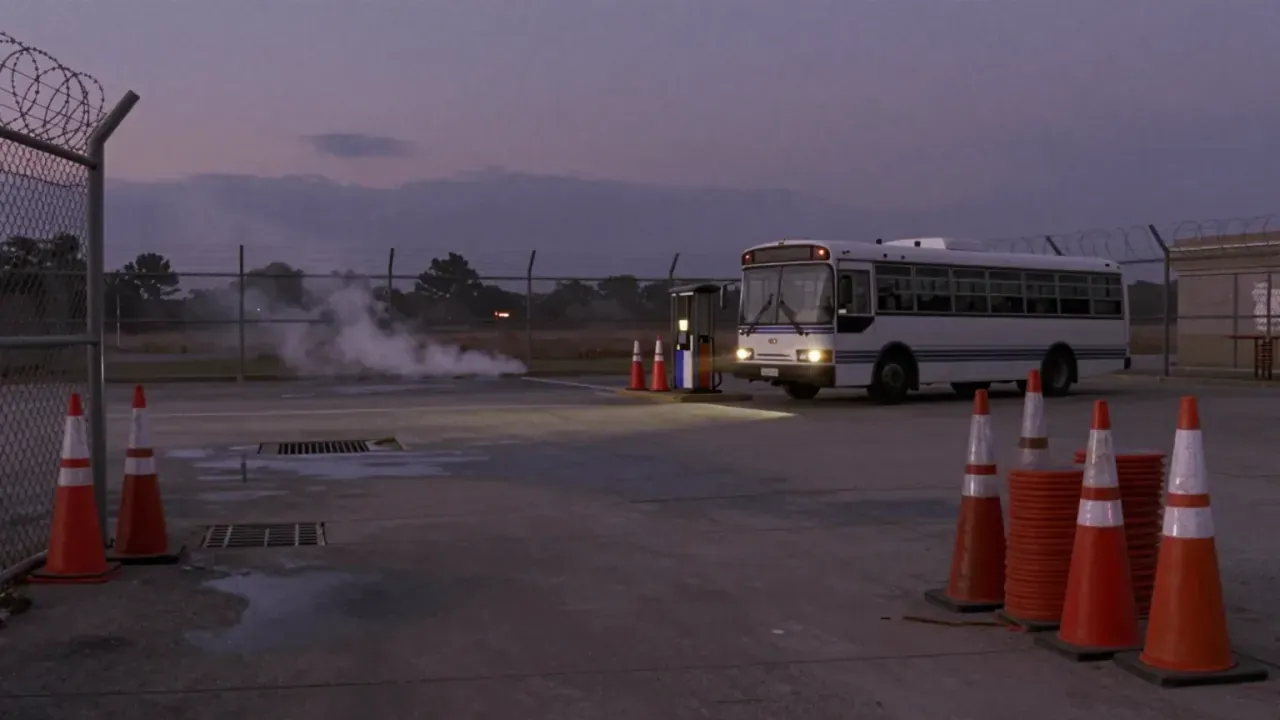
Crimson Tide

Tony Scott · 1995

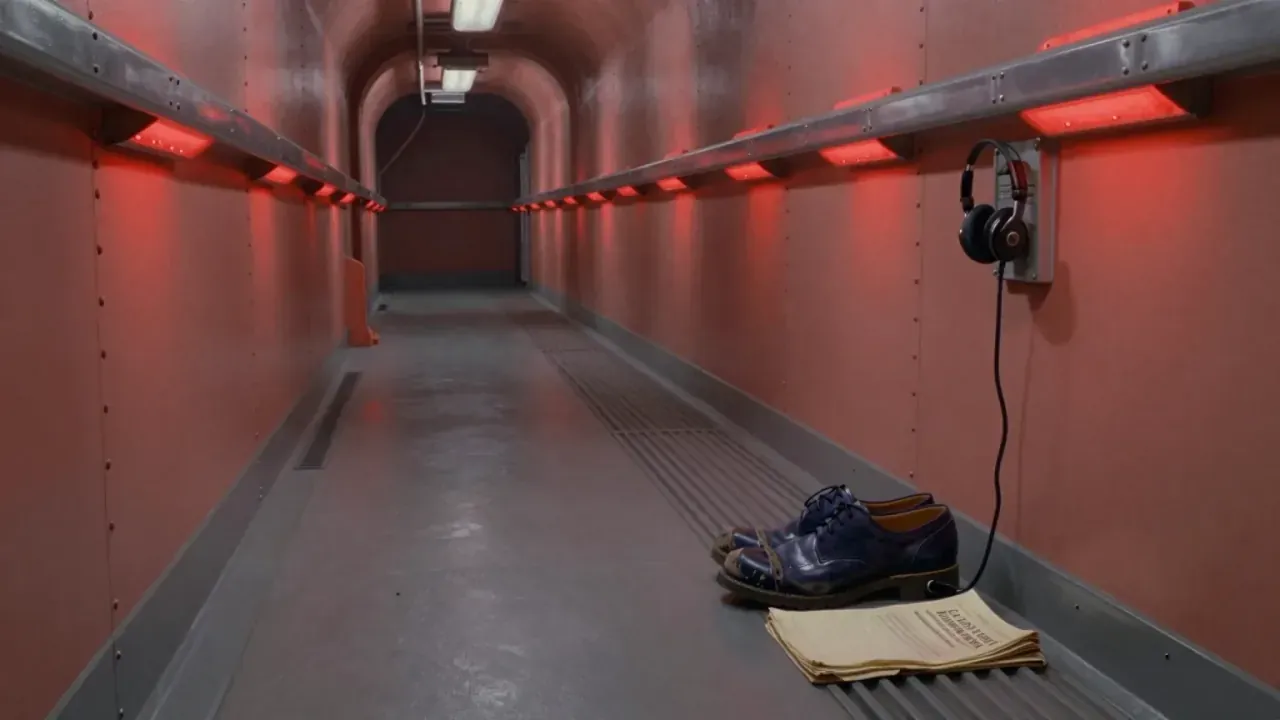
Crimson Tide is a 1995 action thriller directed by Tony Scott, starring Gene Hackman and Denzel Washington as rival officers aboard a U.S. nuclear submarine facing an ambiguous order to launch missiles. Set during a fictional Russian crisis, the film focuses on the ethical and procedural collision between experience and doctrine, played out in real time within the claustrophobic confines of the USS Alabama. With tight direction, restrained performances, and a score that pulses like a failing reactor, it sustains tension through dialogue, silence, and system failure — not spectacle.

13:00

Days of Thunder

Tony Scott · 1990

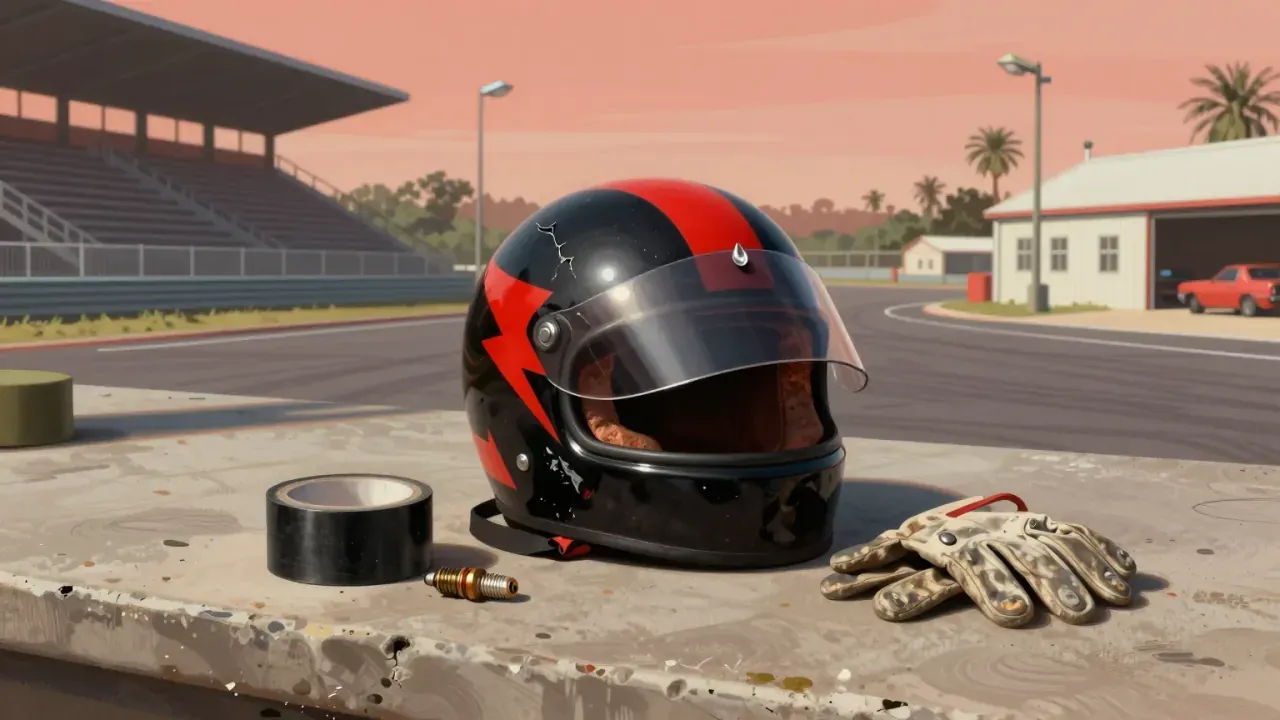
Tony Scott’s 1990 NASCAR romance stars Tom Cruise as a sprint-car prodigy thrust into Winston Cup racing, mentored by Robert Duvall and drawn into rivalry and romance. Shot on location with real drivers and cars, its strengths lie in visceral racing sequences, Hans Zimmer’s propulsive score, and Duvall’s grounded authority. Its weaknesses include underdeveloped relationships, thin thematic scaffolding, and a script that favours momentum over meaning. It remains a coherent, craft-led studio artefact — best appreciated as sensory experience rather than narrative inquiry.

13:00

Enemy of the State

Tony Scott · 1998

Enemy of the State (1998) is a Tony Scott-directed action thriller in which labour lawyer Robert Clayton Dean is targeted by rogue NSA agents after unwittingly acquiring evidence of a political assassination. With Gene Hackman as a reclusive ex-intelligence operative, the film charts Dean’s rapid erasure from normal life and his fight to expose the conspiracy. Though its plot leans on convenience and its politics remain broad, its execution — in pacing, performance, and sensory detail — delivers sustained tension and a potent, embodied sense of vulnerability to systemic power.

13:00

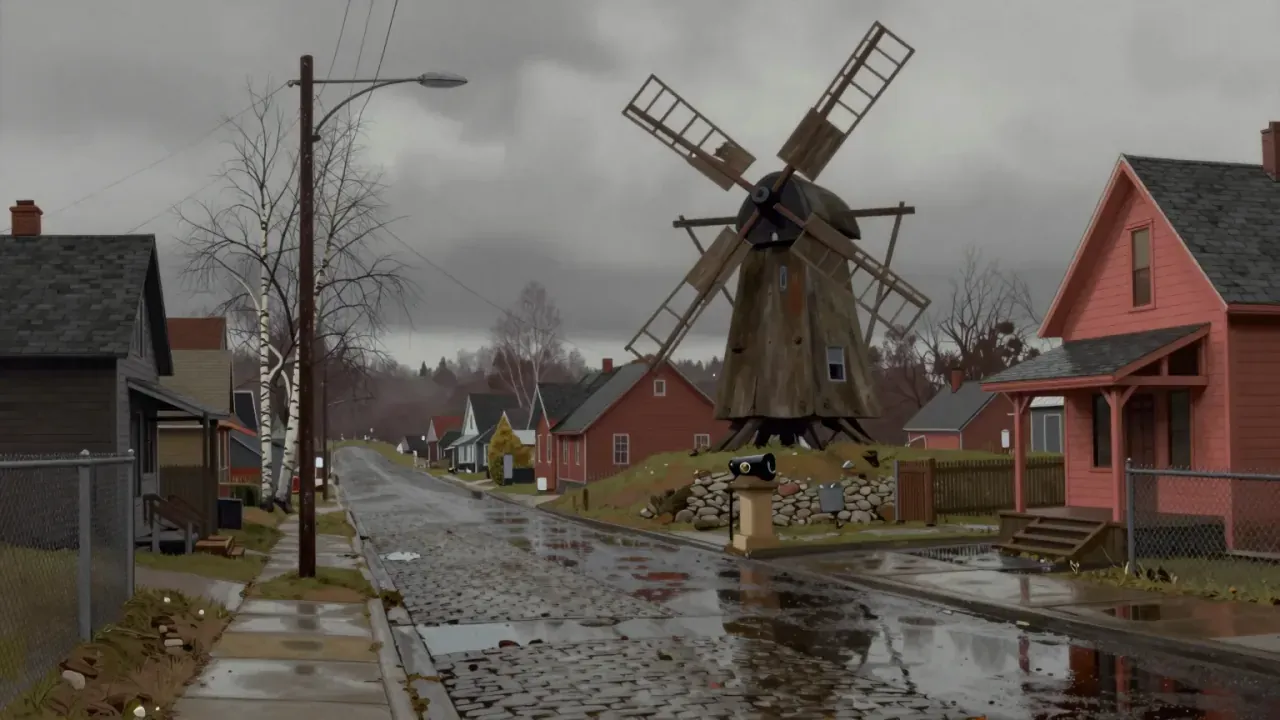
Frankenweenie

Tim Burton · 2012

Tim Burton’s 2012 stop-motion Frankenweenie expands his 1984 short into a black-and-white feature about Victor Frankenstein, a lonely boy who reanimates his dead dog Sparky — then contends with chaos when classmates follow suit. Built with meticulous puppetry and Danny Elfman’s score, it balances gothic parody with emotional sincerity, landing most strongly in its tactile detail and restrained treatment of loss. Though some subplots feel schematic and its satire stays broad, its commitment to mood, materiality, and moral ambiguity makes it a distinctive, unhurried piece of animation.

13:00

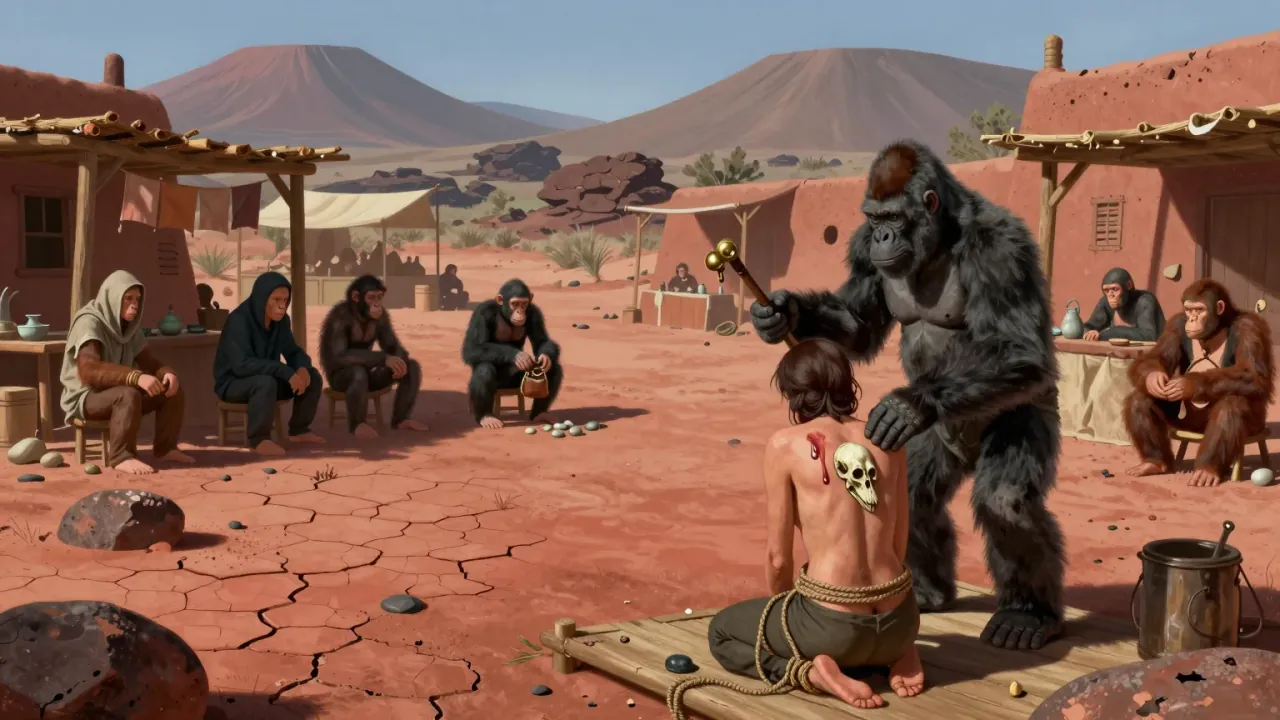
Planet of the Apes

Tim Burton · 2001

Tim Burton’s 2001 Planet of the Apes is a visually rich, commercially successful remake that prioritises creature design, production scale, and tonal consistency over narrative coherence or thematic depth. Starring Mark Wahlberg and Helena Bonham Carter, it recasts the ape-dominated world as a tactile, myth-saturated empire — impressive in execution, thin in conception. Critics noted its craft and score but faulted its script and ending. It earned $362 million worldwide but was not followed by a sequel.

13:00

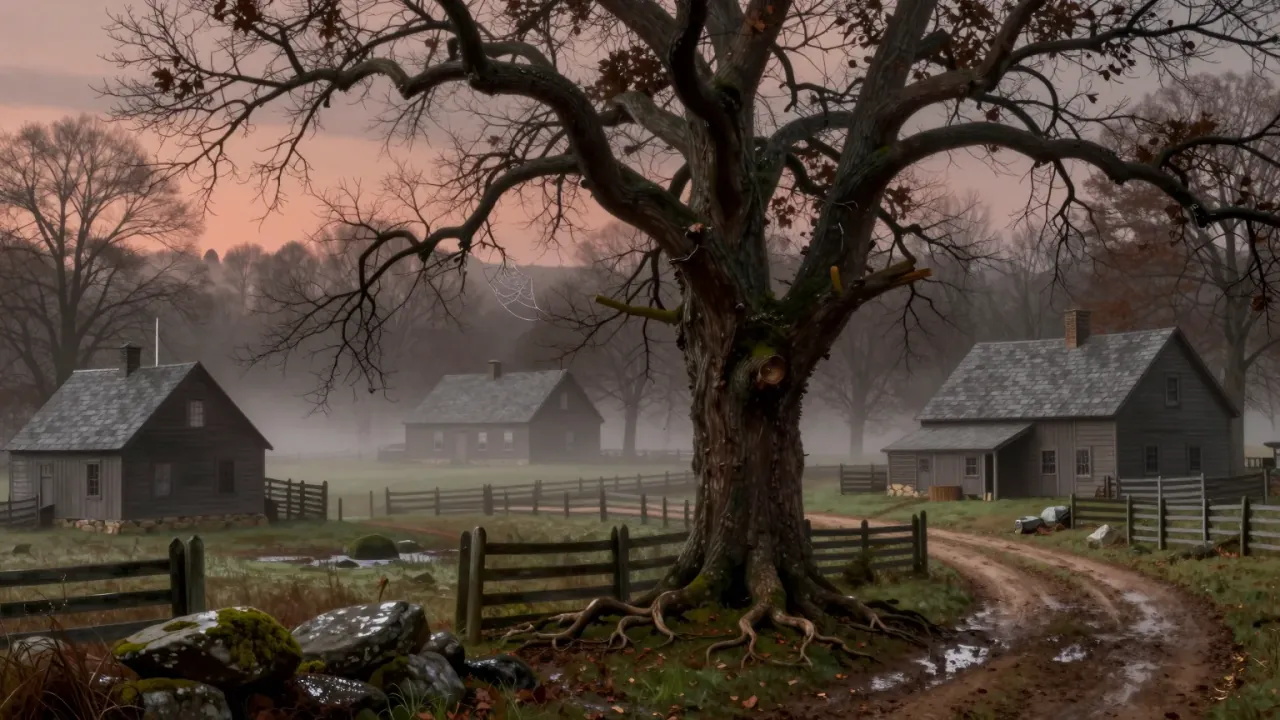
Sleepy Hollow

Tim Burton · 1999

Tim Burton’s 1999 Sleepy Hollow reimagines Washington Irving’s tale as a painterly, studio-crafted horror fable. Johnny Depp plays Ichabod Crane, a forensic-minded constable investigating decapitations in an insular Hudson Valley village. With Emmanuel Lubezki’s moody cinematography, Rick Heinrichs’ Oscar-winning production design, and Danny Elfman’s brooding score, the film builds dread through saturated colour, deliberate artifice and tactile detail — not plot mechanics or psychological realism. Its strengths are visual and atmospheric; its weaknesses lie in structural looseness and underdeveloped relationships. It rewards patience with mood over momentum.

13:00

Sweeney Todd: The Demon Barber of Fleet Street

Tim Burton · 2007

Tim Burton’s 2007 adaptation of Sweeney Todd condenses Stephen Sondheim’s stage musical into a tightly wound Gothic drama. Starring Johnny Depp and Helena Bonham Carter, it follows a vengeful barber and his pie-making accomplice in a blood-soaked, desaturated Victorian London. With Dariusz Wolski’s cinematography, Dante Ferretti’s production design, and a ruthlessly edited score, it sustains a tone of operatic despair — prioritising psychological intensity over narrative breadth or musical spectacle.