filmbriefs
Producer · 1918–2009

Allan Ekelund

14
briefs
13:00
average
182 min
in total
On film.briefs14
13:00

A Lesson in Love

Ingmar Bergman · 1954

A Lesson in Love (1954) is Ingmar Bergman’s gently ironic study of a Stockholm marriage tested by professional pride, quiet restlessness, and a charming patient. Starring Eva Dahlbeck and Gunnar Björnstrand, it trades existential gravity for domestic nuance, using light comedy and unhurried observation to explore love as daily practice rather than grand declaration. Shot by Martin Bodin and scored by Dag Wirén, it remains a subtle, underseen pivot in Bergman’s career — modest in scope, exact in execution.
13:00

All These Women

Ingmar Bergman · 1964

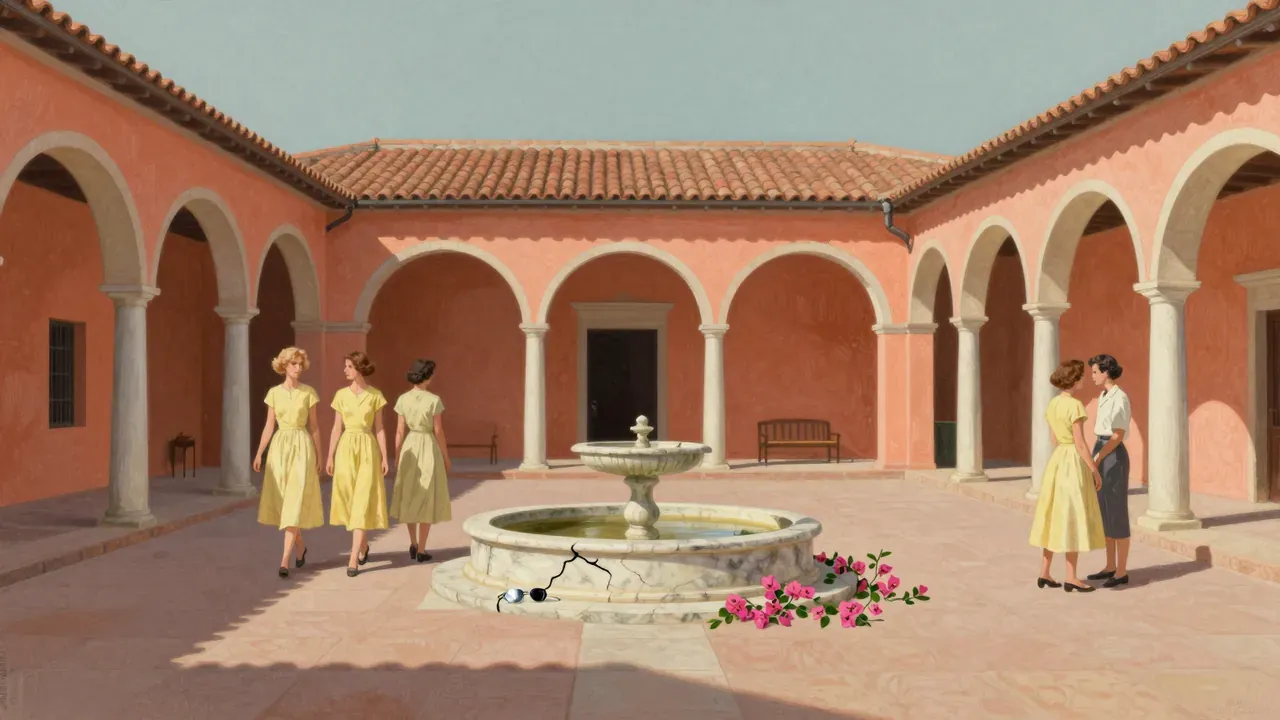
Ingmar Bergman’s 1964 comedy All These Women is a stylised, colour-saturated parody of artistic biography and authorial myth-making. Set over four days at a summer villa, it follows a biographer unable to meet his subject — a cellist surrounded by lovers, each performing a version of devotion. With Sven Nykvist’s precise cinematography and Erik Nordgren’s waltz-and-dissonance score, the film sustains a tone of elegant, unrelenting artifice. It is among Bergman’s few comedies, and his first in colour — a formal departure that underscores its thematic preoccupation with surface, performance, and the unreliability of memory.

13:00

Secrets of Women

Ingmar Bergman · 1952

Ingmar Bergman’s 1952 drama Secrets of Women unfolds across three interwoven stories told by women waiting for their husbands. Shot in crisp black-and-white by Gunnar Fischer, it observes marital tension, concealed pregnancy, and marital farce with quiet precision — avoiding grand statements in favour of subtle shifts in tone, glance, and silence.

13:00

Smiles of a Summer Night

Ingmar Bergman · 1955

Set over one Midsummer Night in early-twentieth-century Sweden, Ingmar Bergman’s Smiles of a Summer Night traces shifting affections among lawyers, actresses, counts and servants. Shot by Gunnar Fischer and scored by Erik Nordgren, it balances theatrical structure with emotional nuance, using wit and restraint rather than exposition or psychology to resolve its tangles. It is a film about how love negotiates time, class and habit — not revelation, but recalibration.

13:00

Summer Interlude

Ingmar Bergman · 1951

Ingmar Bergman’s 1951 drama follows a ballerina who, during a tense rehearsal day, receives the diary of her first love — a young man who died thirteen years earlier after a diving accident. Returning to the island where they met, she revisits that summer not to grieve anew, but to rediscover the physical ease and emotional openness she buried beneath professional discipline and adult reserve. Shot on location at Dalarö with restrained cinematography by Gunnar Fischer, the film balances memory and immediacy, loss and renewal, without recourse to exposition or sentiment. It marks Bergman’s turn toward psychological intimacy and formal precision — not as intellectual exercise, but as embodied experience.

13:00

Summer with Monika

Ingmar Bergman · 1953

Ingmar Bergman’s 1953 drama follows Harry and Monika, two working-class Swedes who flee Stockholm for a summer in the archipelago, only to return changed. Harriet Andersson’s breakout performance anchors a film that observes desire, disillusionment, and the quiet violence of ordinary time — without explanation, without judgment, and without recourse to myth.

13:00

The Magician

Ingmar Bergman · 1958

Ingmar Bergman’s 1958 The Magician follows a travelling troupe of performers led by mute magician Albert Vogler, whose claims of supernatural ability provoke suspicion in a Swedish village. Through layered deceptions, an autopsy gone awry, and a final royal summons, the film examines belief, authority, and the blurred line between fraud and revelation — all rendered in Gunnar Fischer’s muted, reflective cinematography and sustained by Max von Sydow’s physically restrained performance.

13:00

The Silence

Ingmar Bergman · 1963

Ingmar Bergman’s 1963 drama follows two estranged sisters and a child stranded in a nameless, linguistically impenetrable city on the edge of war. With sparse dialogue, deliberate pacing and Sven Nykvist’s muted cinematography, it renders the collapse of communication — between people, languages, selves. Not a puzzle to solve but a space to inhabit, its power lies in what it withholds.

13:00

To Joy

Ingmar Bergman · 1950

Ingmar Bergman’s 1950 drama follows violinists Stig and Marta as their marriage frays under the pressure of professional compromise, unspoken resentment, and the lure of easier affections. Shot in restrained black-and-white by Gunnar Fischer, with performances rooted in physical detail rather than declamation, it is a film of accumulations — glances, silences, repeated gestures — rather than climaxes. Its power lies in its refusal to moralise or resolve.

13:00

The Virgin Spring

Ingmar Bergman · 1960

Ingmar Bergman’s 1960 drama, adapted by Ulla Isaksson from a medieval Swedish ballad, follows a Christian landowner whose daughter is raped and murdered by three herdsmen. After they unknowingly seek shelter at his home, he kills them at dawn. At the site of her death, a spring emerges. Shot by Sven Nykvist in austere natural light, the film explores guilt, vengeance, and the silence of God — not as abstract ideas, but as physical, inescapable facts.

13:00

Through a Glass Darkly

Ingmar Bergman · 1961

Ingmar Bergman’s 1961 chamber drama follows a family over twenty-four hours on a remote Swedish island, centring on Karin, a young woman recently released from psychiatric care. Harriet Andersson delivers a physically precise performance as her grip on reality frays, observed by her husband (Max von Sydow), novelist father (Gunnar Björnstrand), and teenage brother (Lars Passgård). Shot by Sven Nykvist with stark naturalism and scored with Bach’s cello suites, the film explores faith, exploitation, and the asymmetry of care—though its stated philosophy feels tacked on, its emotional precision remains unmatched.

13:00

Winter Light

Ingmar Bergman · 1963

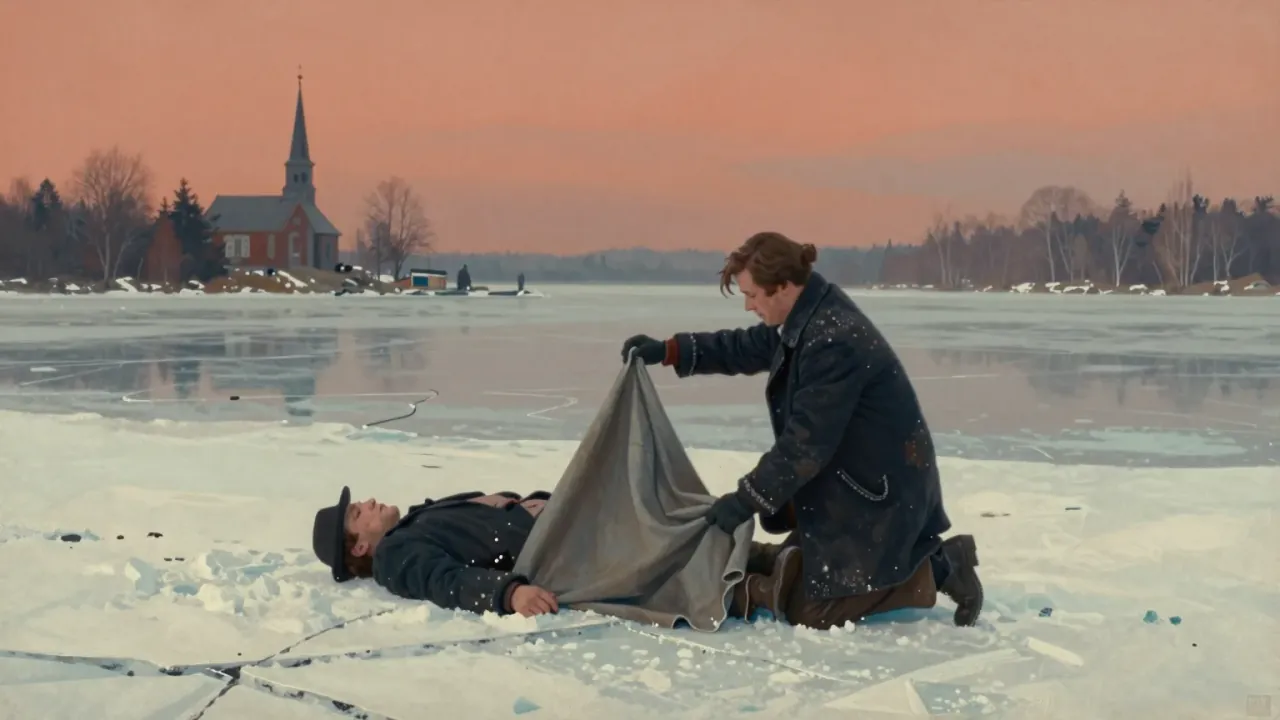
Ingmar Bergman’s 1963 drama follows a Swedish pastor through a single day of spiritual collapse—failing his congregation, his lover, and himself. Shot in austere black-and-white by Sven Nykvist, with no score beyond diegetic organ music, it is a rigorously restrained chamber piece about the physical and moral cost of sustaining belief when conviction has already vanished.

13:00

The Seventh Seal

Ingmar Bergman · 1957

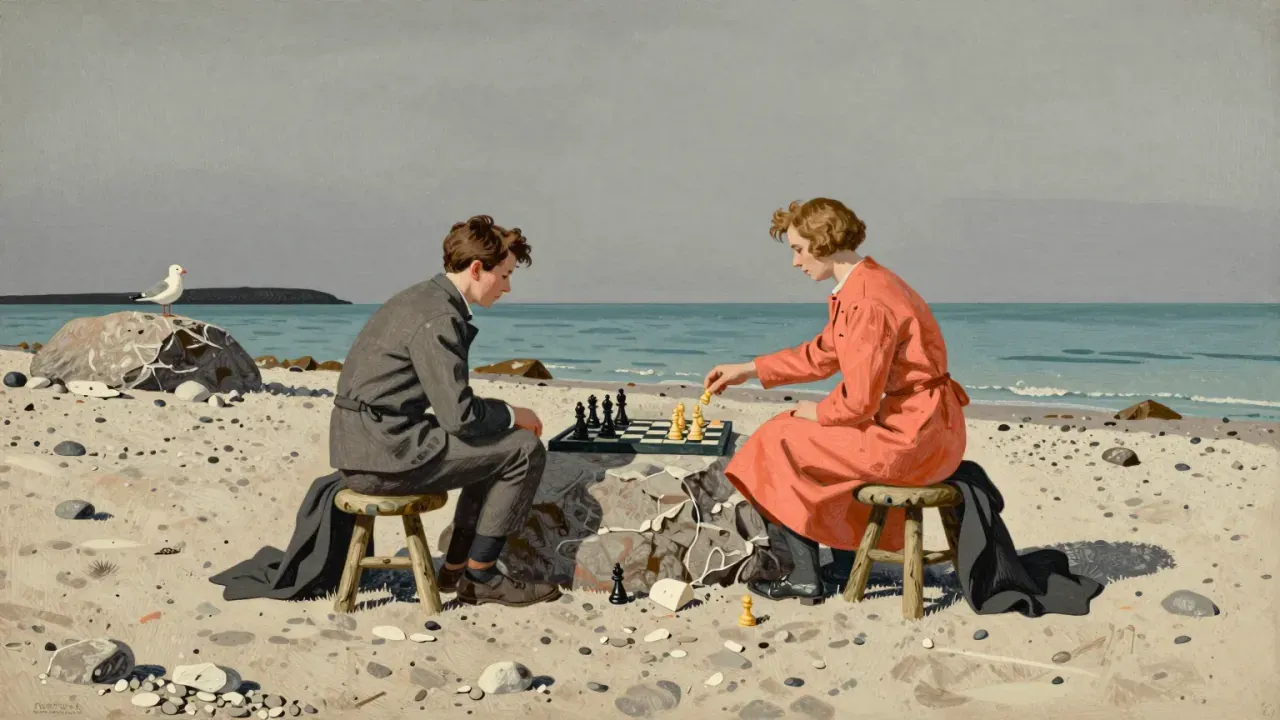
Ingmar Bergman turned a one-act play he had written for drama students into this 1957 fable of a crusader who challenges Death to chess while the plague empties his country. Shot in thirty-five days on a modest budget, with Max von Sydow beginning his long partnership with Bergman, it became one of cinema's most quoted images and won the Special Jury Prize at Cannes.

13:00

Wild Strawberries

Ingmar Bergman · 1957

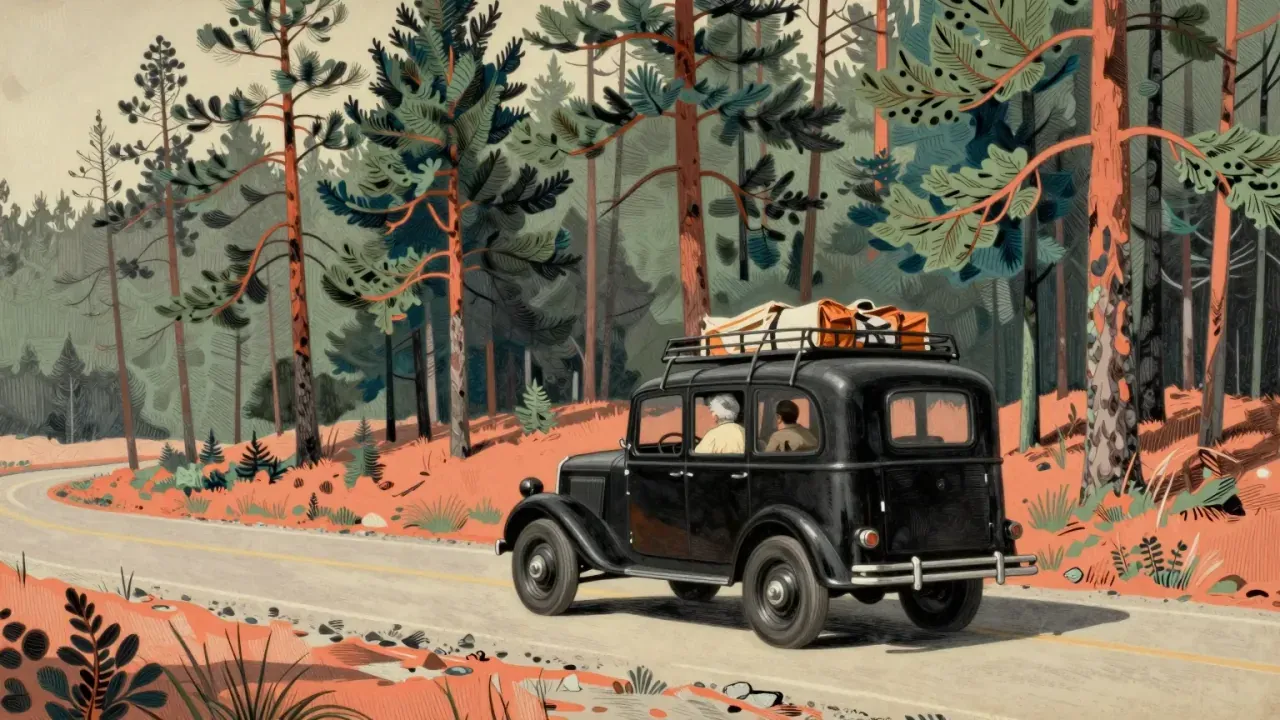
Victor Sjöström, in his last screen role, plays an elderly professor driving to collect an honorary degree while dreams and hitchhikers force him to confront the coldness he built his life on. Ingmar Bergman wrote it from a hospital bed the same year as The Seventh Seal, and it won the Golden Bear in Berlin, becoming one of the clearest statements of his recurring interest in memory, guilt, and old age.