filmbriefs
Producer · 1914–1977

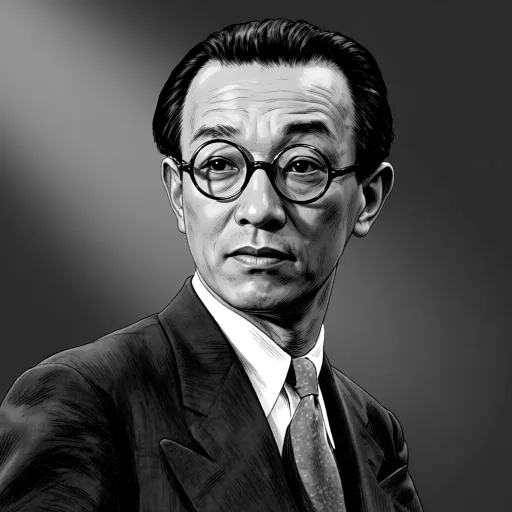
Sōjirō Motoki

6
briefs
13:00
average
78 min
in total
On film.briefs6
13:00

I Live in Fear

Akira Kurosawa · 1955

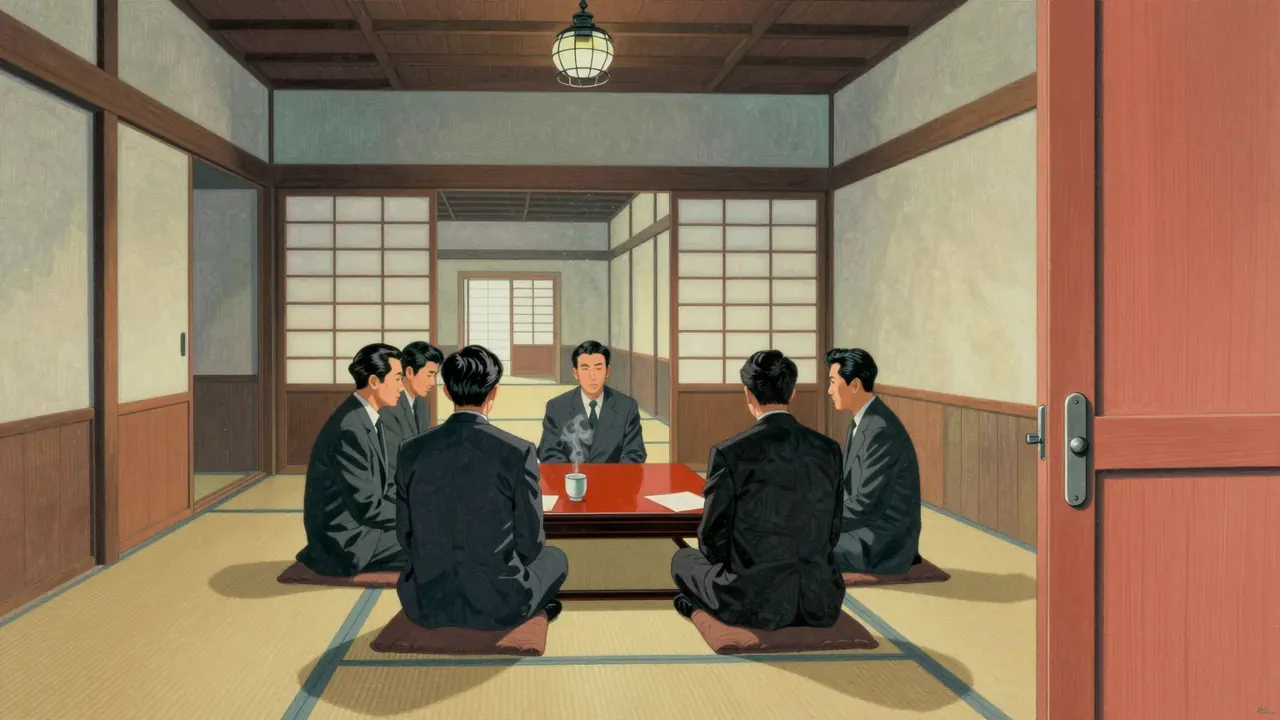
Akira Kurosawa’s 1955 drama follows Kiichi Nakajima (Toshirō Mifune), an ageing foundry owner convinced that nuclear war is inevitable, and his desperate, legally contested plan to move his family to Brazil. Framed by a family arbitration and ending in psychiatric confinement, the film avoids sensationalism, using restrained performances, precise black-and-white cinematography by Asakazu Nakai, and Masaru Sato’s austere score to examine fear, competence, and the social cost of foresight in postwar Japan.
13:00

Ikiru

Akira Kurosawa · 1952

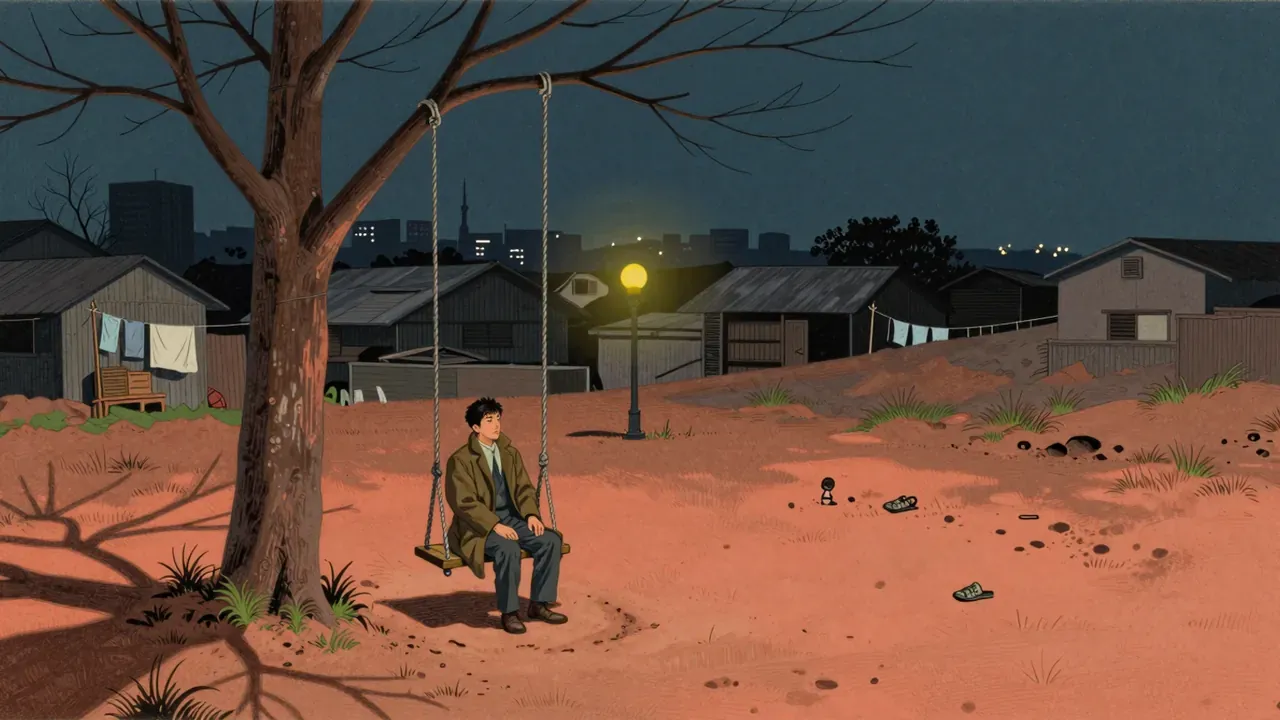
Ikiru (1952), directed by Akira Kurosawa, follows Kanji Watanabe, a Tokyo civil servant diagnosed with terminal cancer, as he seeks purpose in his final months. Rejecting hedonism and spiritual cliché, he devotes himself to realising a children’s playground stalled by bureaucratic inertia. Anchored by Takashi Shimura’s restrained performance and Asakazu Nakai’s unadorned cinematography, the film builds meaning through repetition, silence, and the quiet dignity of incremental action. Its structure—split by Watanabe’s death—shifts focus from his life to the puzzle of his final intent, resolved only in the tangible outcome of his labour.

13:00

One Wonderful Sunday

Akira Kurosawa · 1947

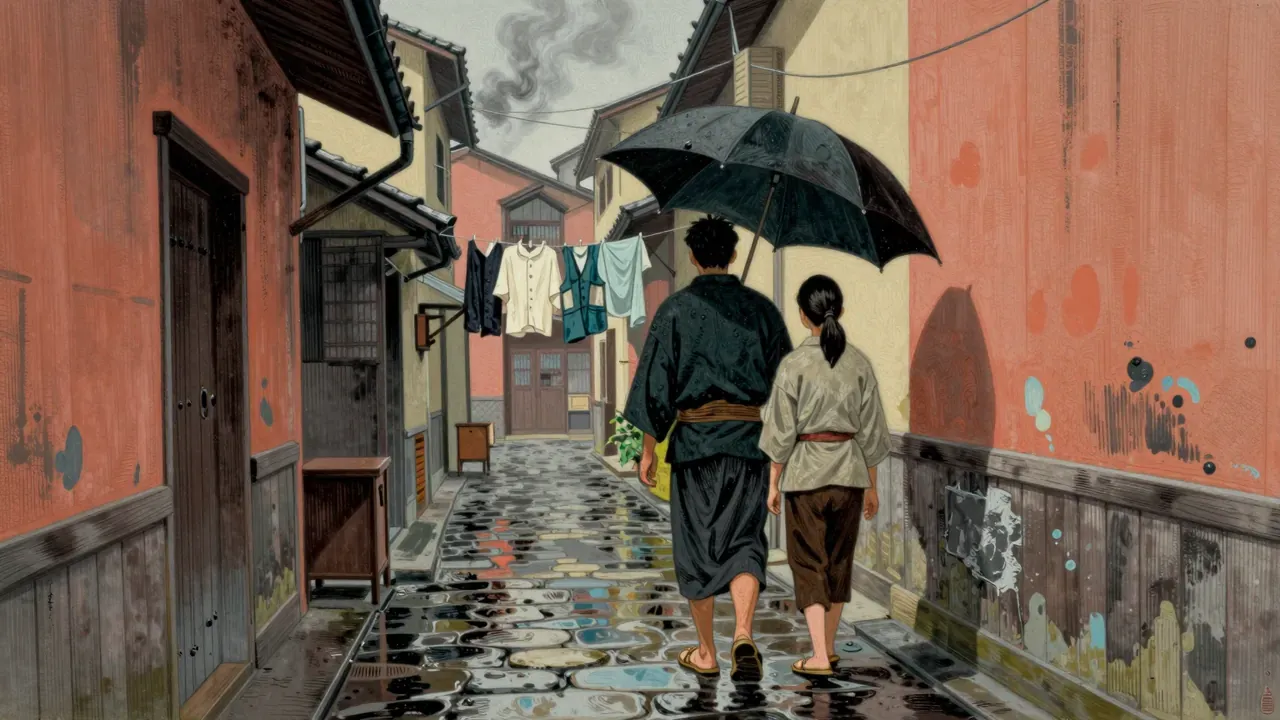
One Wonderful Sunday (1947) follows a young Tokyo couple through a single Sunday with thirty-five yen between them. Shot on location in occupied Japan with unknown actors and makeshift equipment, it blends neorealist observation with imaginative interludes—including a famous fourth-wall-breaking finale. Directed and edited by Akira Kurosawa, with script by Kurosawa and Keinosuke Uekusa, it is a quiet, resilient portrait of love as daily practice amid scarcity.

13:00

Throne of Blood

Akira Kurosawa · 1957

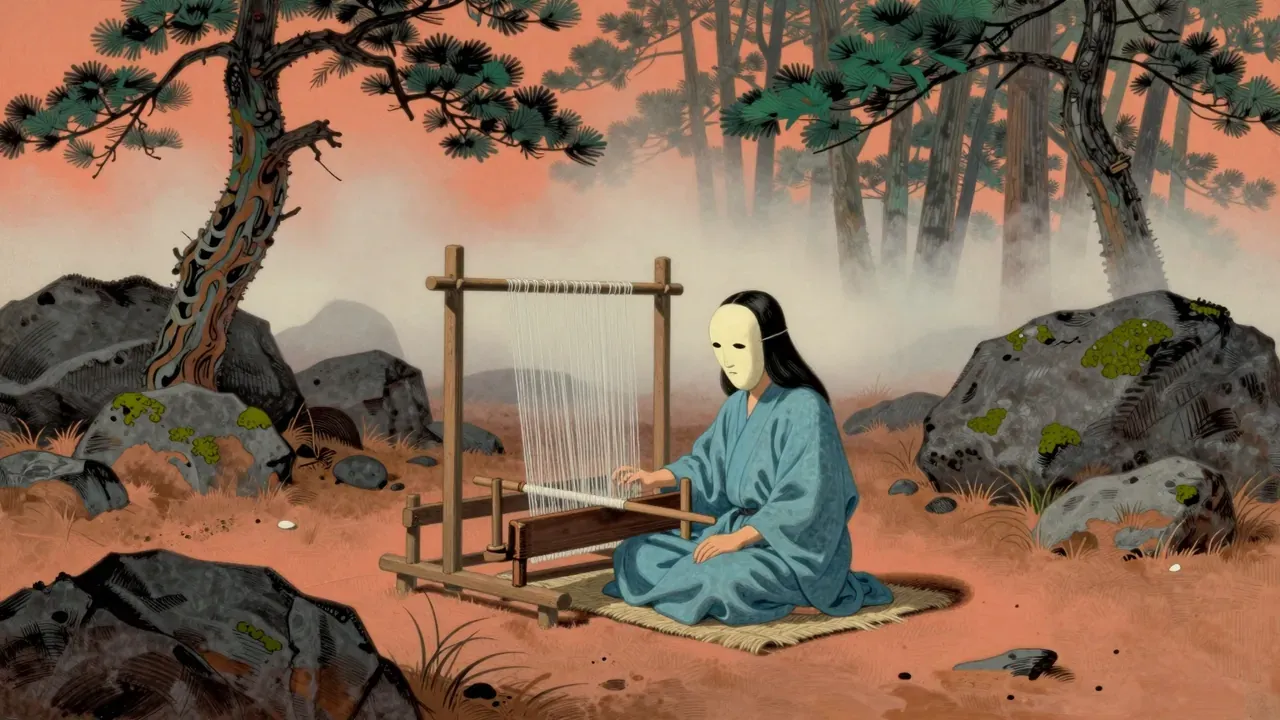
Akira Kurosawa’s 1957 Throne of Blood transposes Macbeth to feudal Japan, using Noh aesthetics, volcanic landscapes, and deliberate stillness to trace the physical and psychological narrowing of a man who kills to become lord — and finds only enclosure. Toshirō Mifune and Isuzu Yamada anchor a film where fog obscures but never excuses, and silence carries more threat than speech.

13:00

Stray Dog

Akira Kurosawa · 1949

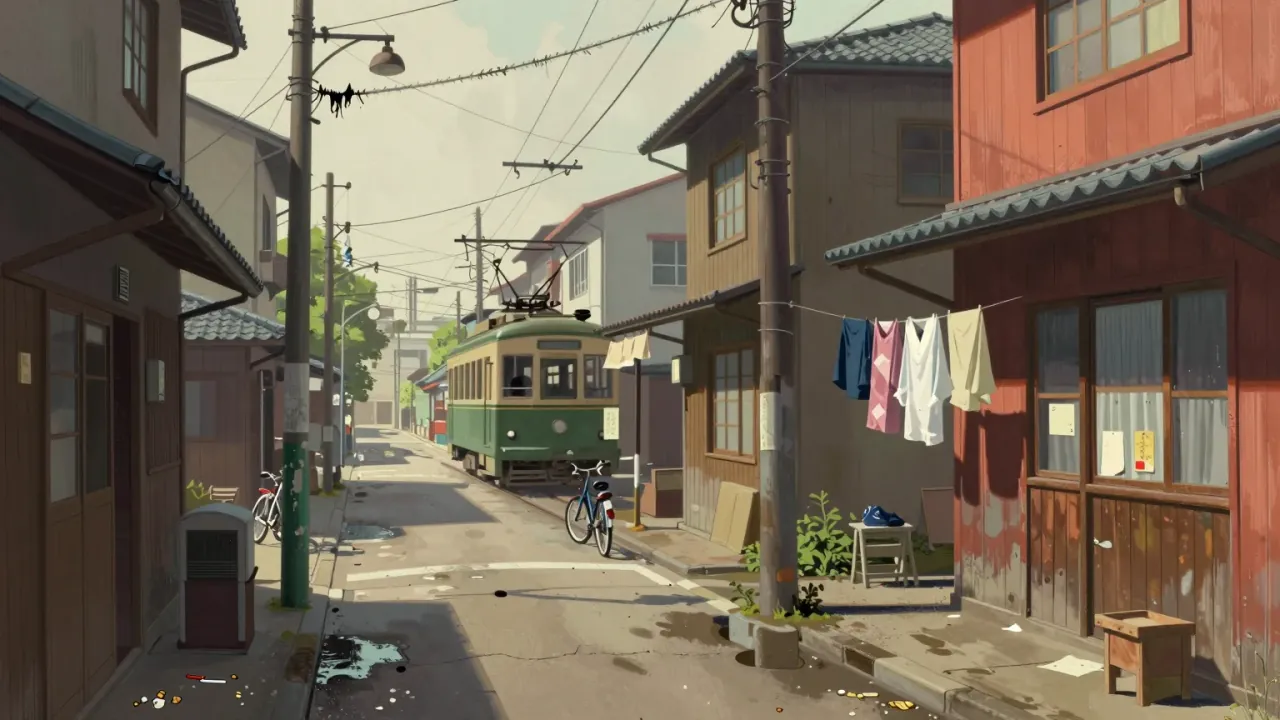
A young Tokyo detective loses his service pistol in a crowded trolley in the summer of 1949. With the help of a veteran colleague, he traces it through the city’s black markets, yakuza networks, and dance halls — not to deliver vengeance, but to understand how postwar desperation reshapes morality, authority, and the very idea of justice.

13:00

Seven Samurai

Akira Kurosawa · 1954

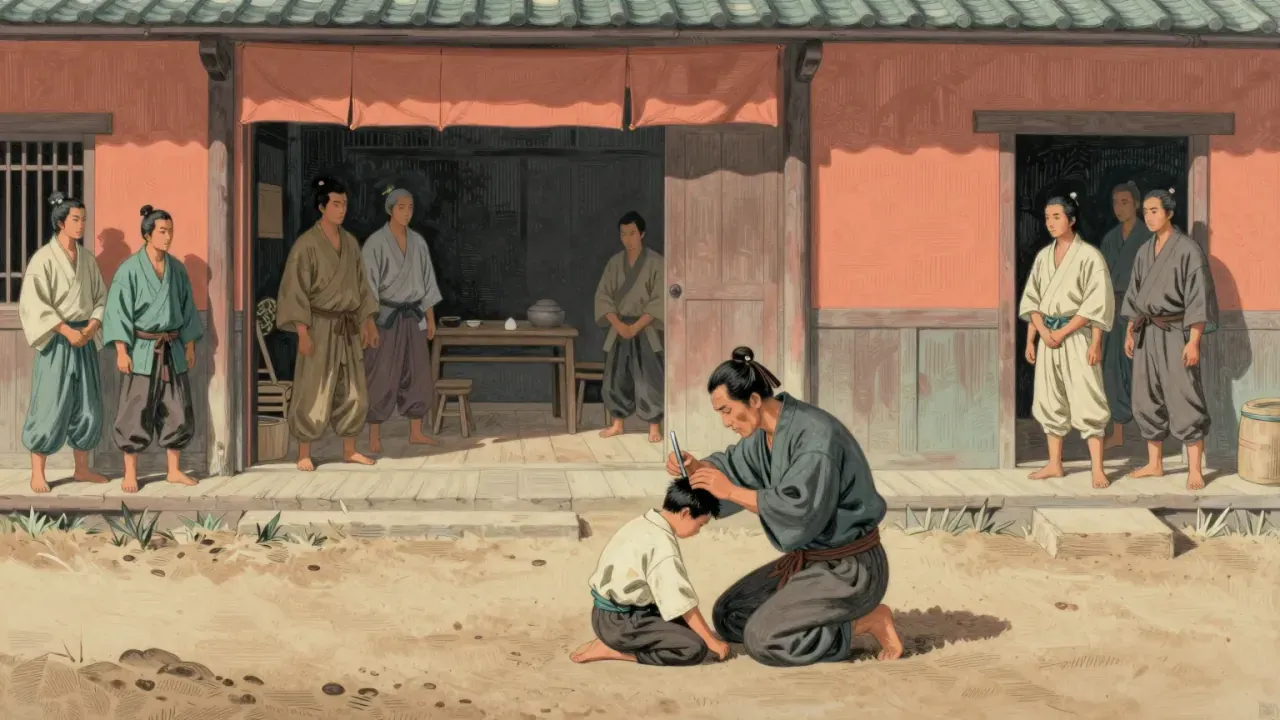
Akira Kurosawa's 1954 film follows a poor farming village that recruits seven masterless samurai, offering only food and shelter, to defend it against a bandit gang planning to return once the barley ripens. Shot by Asakazu Nakai across a punishing production that ran well over schedule, scored by Fumio Hayasaka and led by Toshiro Mifune and Takashi Shimura, the film ran to 207 minutes and cost 210 million yen, a large outlay for the period, before shaping the template that countless action and heist films have followed since.