
filmbriefs
Studio

Paramount Vantage

4
briefs
13:00
average
52 min
in total
On film.briefs4
13:00

You Can Count on Me

Kenneth Lonergan · 2000

Kenneth Lonergan’s 2000 debut follows Sammy, a single mother and bank officer in the Catskills, as her drifting younger brother Terry arrives after years of silence. Their reunion exposes old fractures and fragile affections, played out in quiet rooms, rain-slicked streets, and the unremarkable routines of small-town life. With Laura Linney and Mark Ruffalo delivering restrained, deeply observed performances, the film builds meaning through accumulation rather than incident—honouring the weight of what goes unsaid.

13:00

The Virgin Suicides

Sofia Coppola · 1999

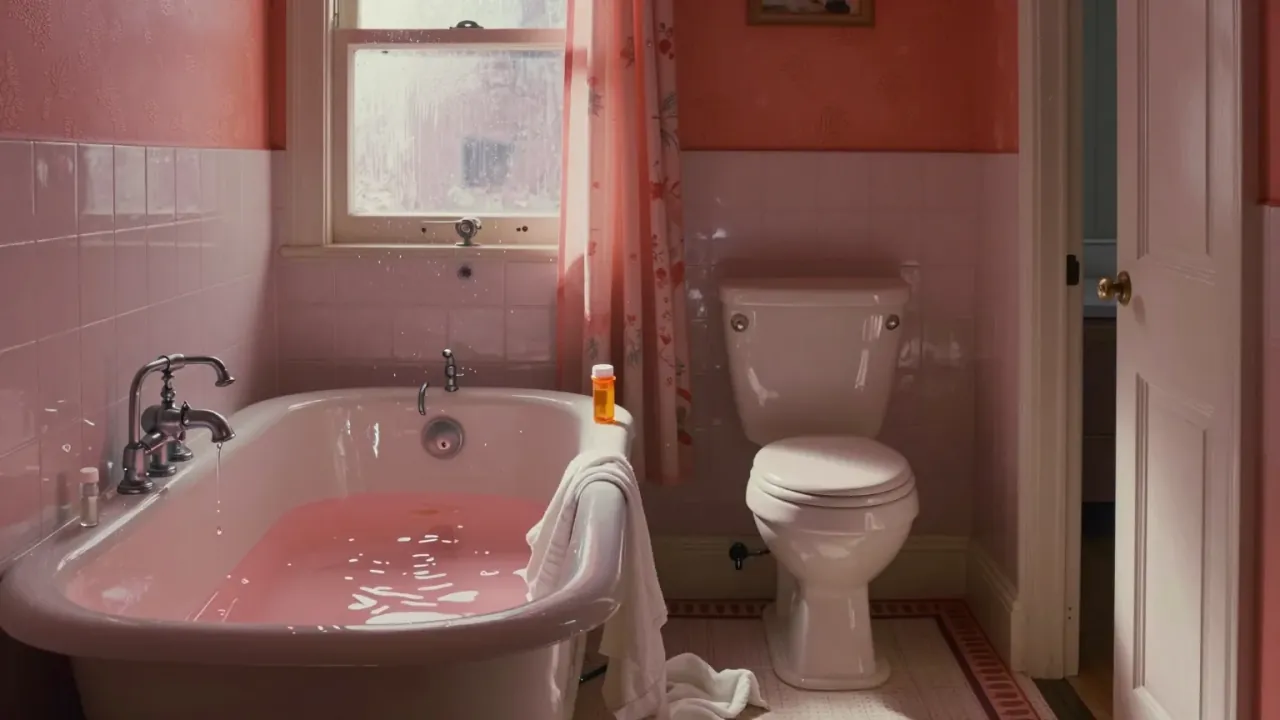
Sofia Coppola’s 1999 debut adapts Jeffrey Eugenides’ novel into a hushed, amber-toned portrait of five teenage sisters in 1970s Detroit, observed from afar by neighbourhood boys. Shot by Edward Lachman and scored by Air, it builds mood through stillness, soft focus, and restrained performance — especially Kirsten Dunst’s Lux — avoiding psychology, exposition, or catharsis. Its power lies in what it withholds.

13:00

No Country for Old Men

Ethan Coen, Joel Coen · 2007

No Country for Old Men follows a welder who finds two million dollars at a drug deal gone wrong, the hitman sent to retrieve it, and the ageing sheriff trailing both of them across 1980 West Texas. Joel and Ethan Coen adapt Cormac McCarthy's novel with unusual fidelity, keeping dialogue sparse and letting Roger Deakins's landscapes and Javier Bardem's performance as Anton Chigurh carry a story that deliberately withholds the confrontation genre habit expects.

13:00

There Will Be Blood

Paul Thomas Anderson · 2007

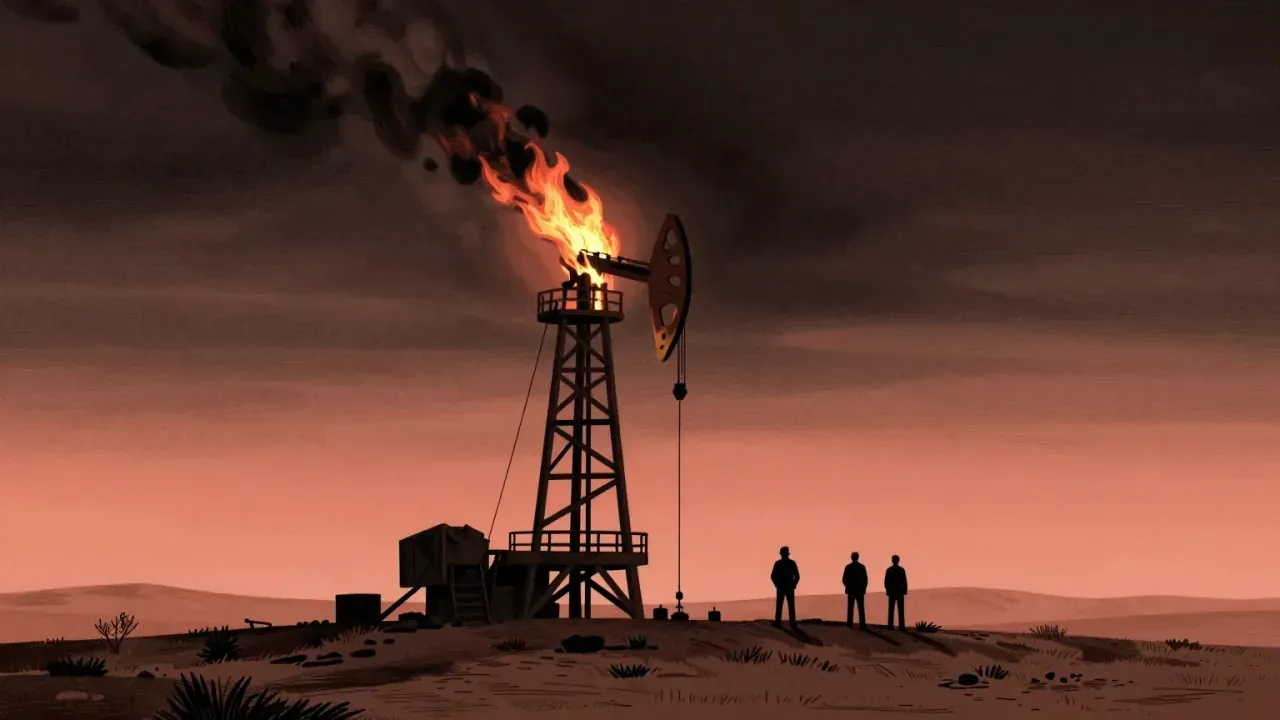
There Will Be Blood follows Daniel Plainview, a silver miner turned oilman, across roughly three decades of the Californian oil boom, loosely adapting Upton Sinclair's novel Oil! Daniel Day-Lewis plays Plainview opposite Paul Dano's preacher Eli Sunday, with Jonny Greenwood's score and Robert Elswit's cinematography setting a tone closer to horror than period drama. Anderson's screenplay narrows Sinclair's sprawling novel to its first chapters and lets one man's ambition curdle into something closer to a diagnosis than a character study.