filmbriefs
Actor

Noriko Sengoku

4
briefs
13:00
average
52 min
in total
On film.briefs4
13:00

Drunken Angel

Akira Kurosawa · 1948

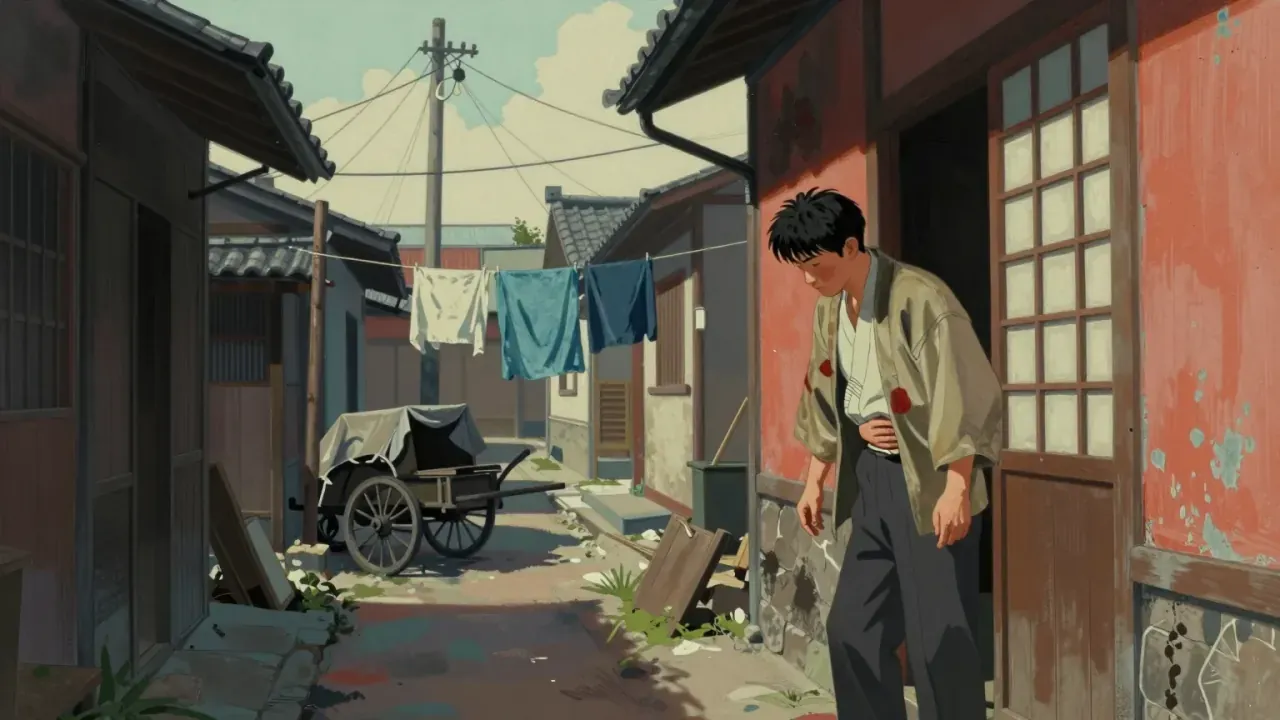
Drunken Angel (1948), Akira Kurosawa’s first major work, follows an alcoholic doctor and a tubercular yakuza enforcer locked in a tense, unsentimental relationship amid the black-market ruins of postwar Osaka. Shot in stark black-and-white by Takeo Itō, scored with ironic waltzes by Fumio Hayasaka, and anchored by Takashi Shimura and Toshirō Mifune’s tightly coiled performances, the film locates moral urgency not in grand gestures but in recurring details — a sump, a cough, a trembling hand. It is a foundational work of Japanese cinema: unsparing, unadorned, and deeply concerned with what happens when systems fail and only broken people remain to tend the wounds.
13:00

Floating Clouds

Mikio Naruse · 1955

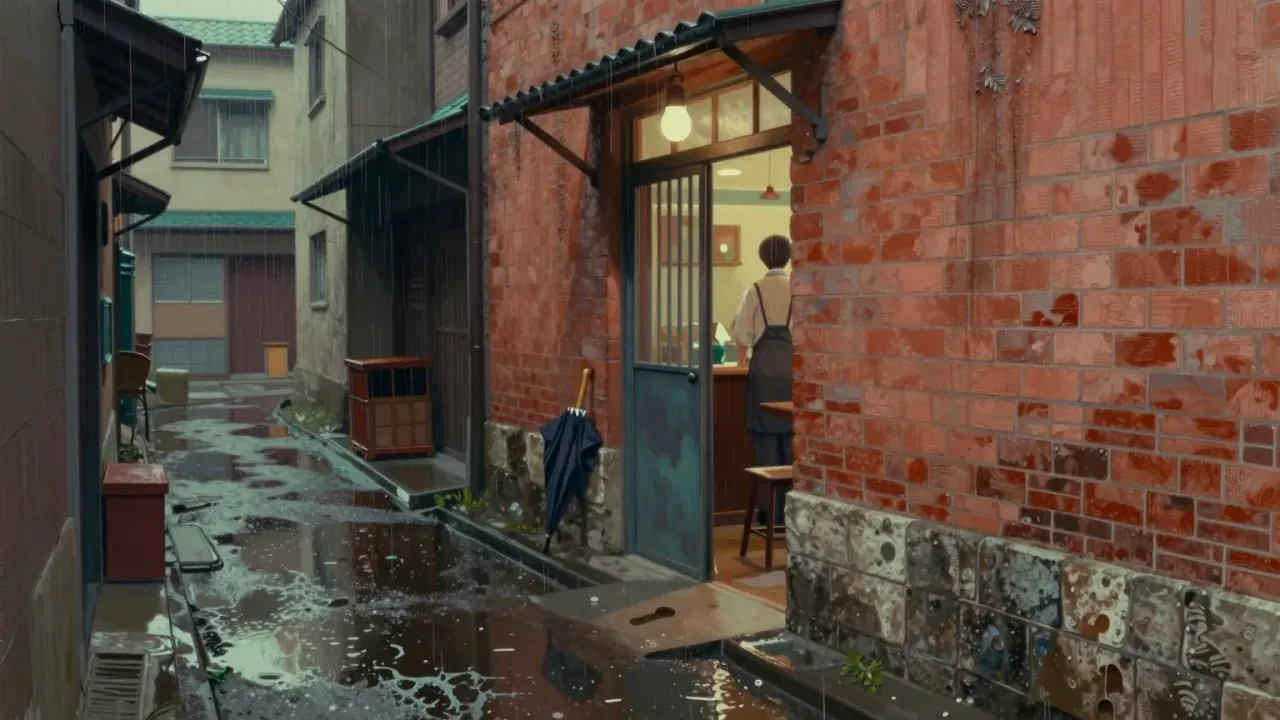
Mikio Naruse’s 1955 drama Floating Clouds follows Yukiko (Hideko Takamine) as she navigates love, poverty, and disillusionment in post-war Japan. Returning from French Indochina, she renews an affair with married engineer Kengo (Masayuki Mori), only to find his promises hollowed by circumstance. With no grand speeches or dramatic turns, the film traces her slow attrition through walks, waits, and silences—anchored by Takamine’s physically precise performance and Naruse’s unwavering restraint.

13:00

Stray Dog

Akira Kurosawa · 1949

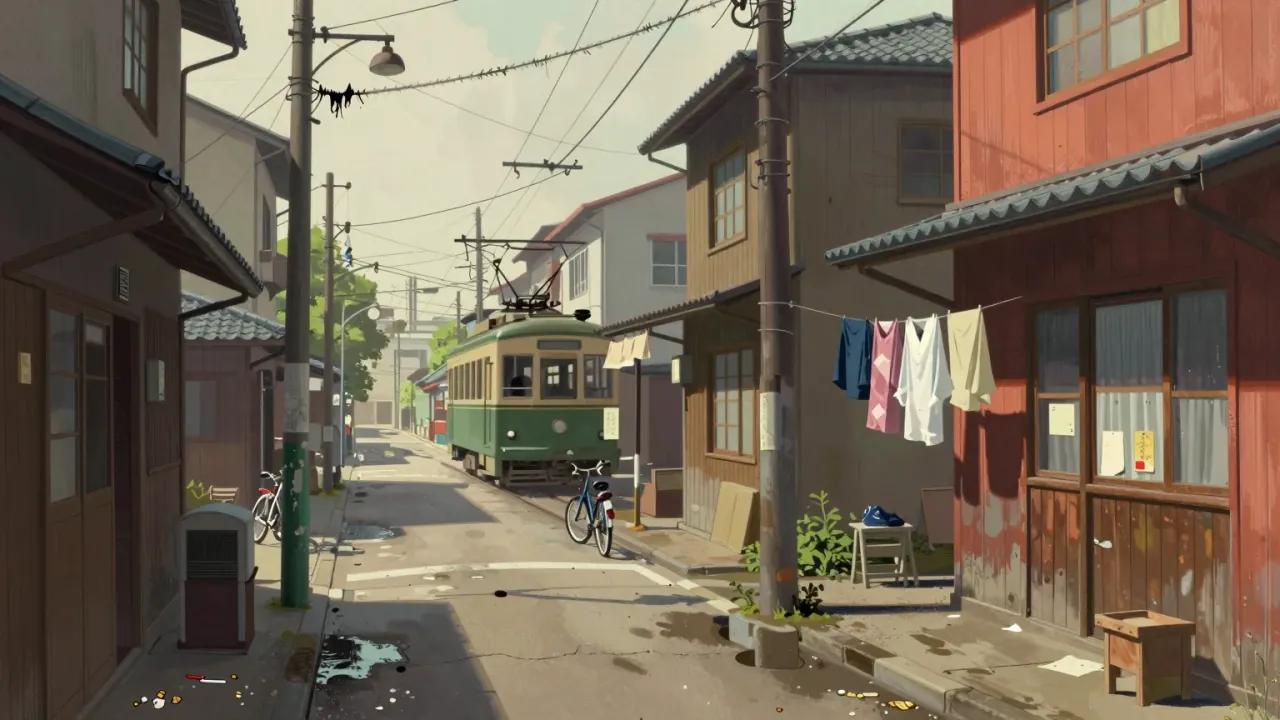
A young Tokyo detective loses his service pistol in a crowded trolley in the summer of 1949. With the help of a veteran colleague, he traces it through the city’s black markets, yakuza networks, and dance halls — not to deliver vengeance, but to understand how postwar desperation reshapes morality, authority, and the very idea of justice.

13:00

When a Woman Ascends the Stairs

Mikio Naruse · 1960

Mikio Naruse’s 1960 drama follows Keiko Yashiro, a Ginza hostess in her late twenties, as she navigates debt, familial obligation, sexual coercion and professional rivalry while trying to open her own bar. With quiet precision, it charts her daily endurance — not as heroism but as habit — against a society that treats her age, grief and autonomy as liabilities. Hideko Takamine’s restrained performance and Naruse’s unadorned direction make the ordinary unbearable and unforgettable.