filmbriefs
Director · Screenwriter · Actor · Producer

Nagisa Ōshima

9
briefs
13:00
average
117 min
in total
On film.briefs9
13:00

Cruel Story of Youth

Nagisa Ōshima · 1960

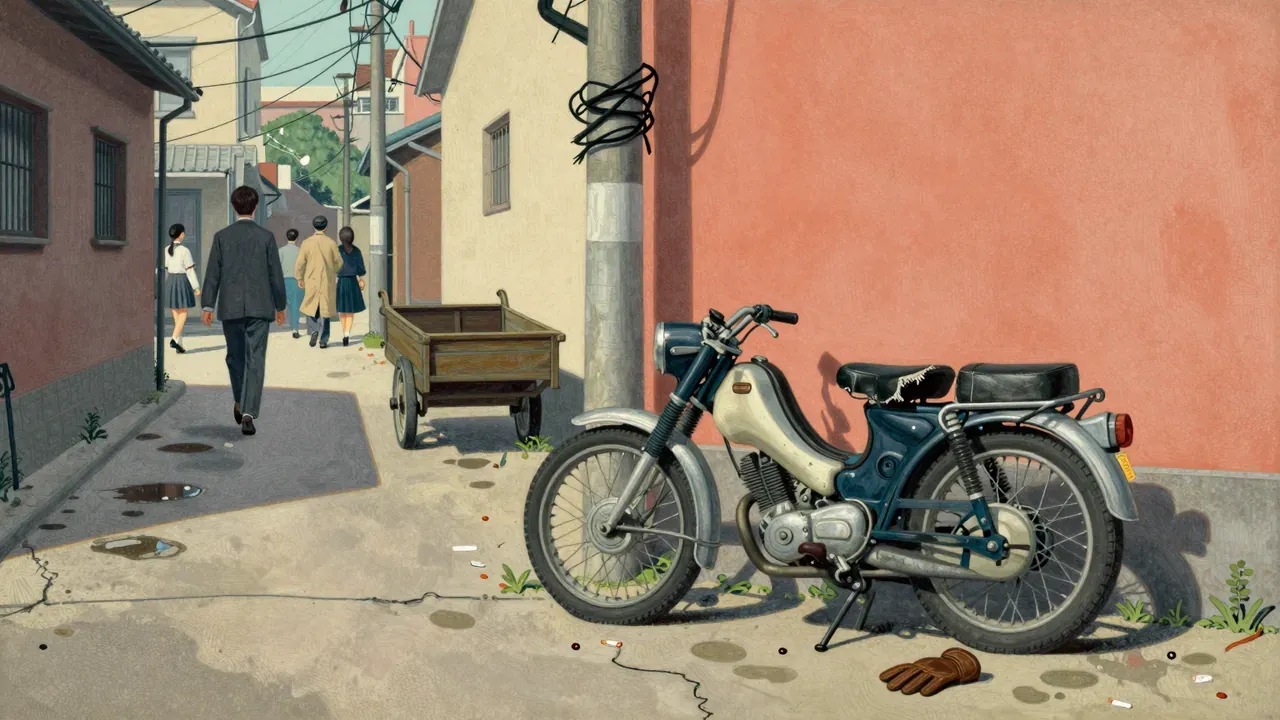
Nagisa Ōshima’s 1960 debut Cruel Story of Youth follows two Tokyo teenagers whose relationship unravels through coercion, petty crime, and illegal abortion. Shot on location with hand-held cameras and stark, uninflected performances, it rejects moral framing in favour of structural realism — showing how class, gender, and political neglect shape intimacy. Though controversial on release, it helped define Japan’s New Wave and remains a rigorous, unsentimental study of youth as condition rather than stage.
13:00

Death by Hanging

Nagisa Ōshima · 1968

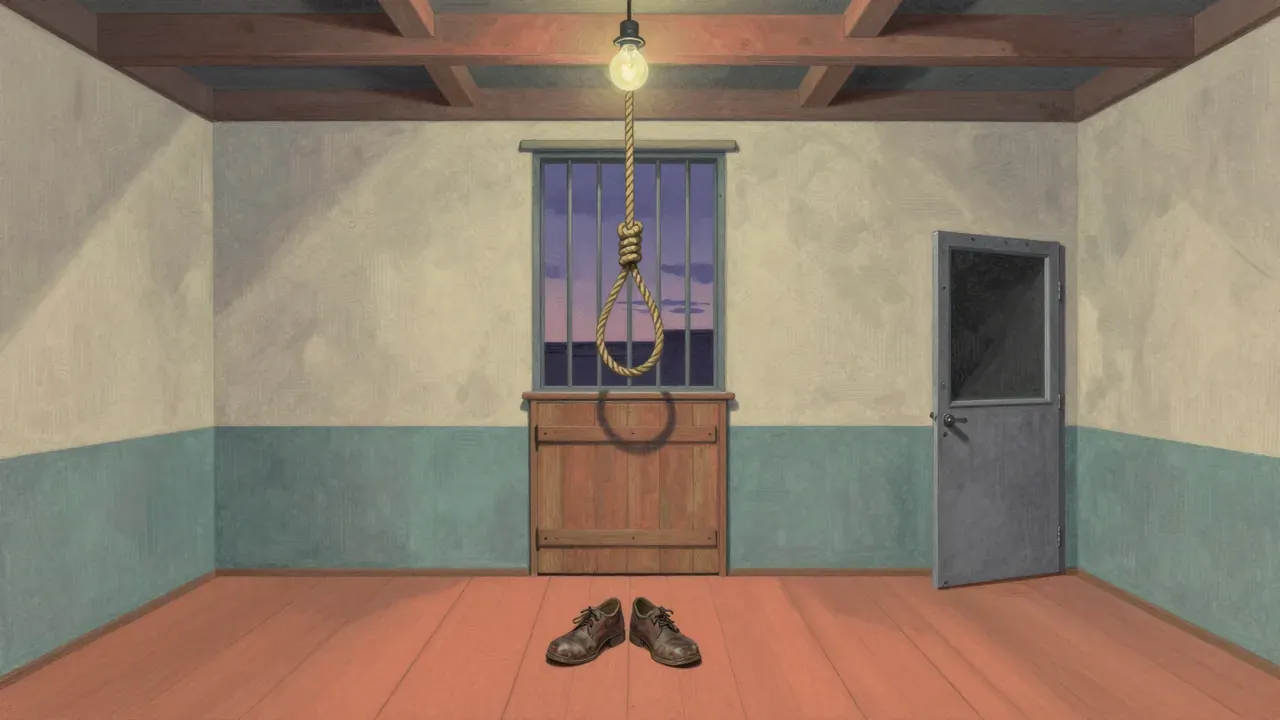
Nagisa Ōshima’s 1968 film follows the botched hanging of an ethnic Korean man known only as R. When he survives but loses his memory, prison officials attempt to reconstruct his past — and his guilt — through increasingly absurd re-enactments. Using Brechtian techniques, stark staging and deliberate artifice, the film interrogates the death penalty not as a moral question but as a mechanism of racial and political control.

13:00

Double Suicide: Japanese Summer

Nagisa Ōshima · 1967

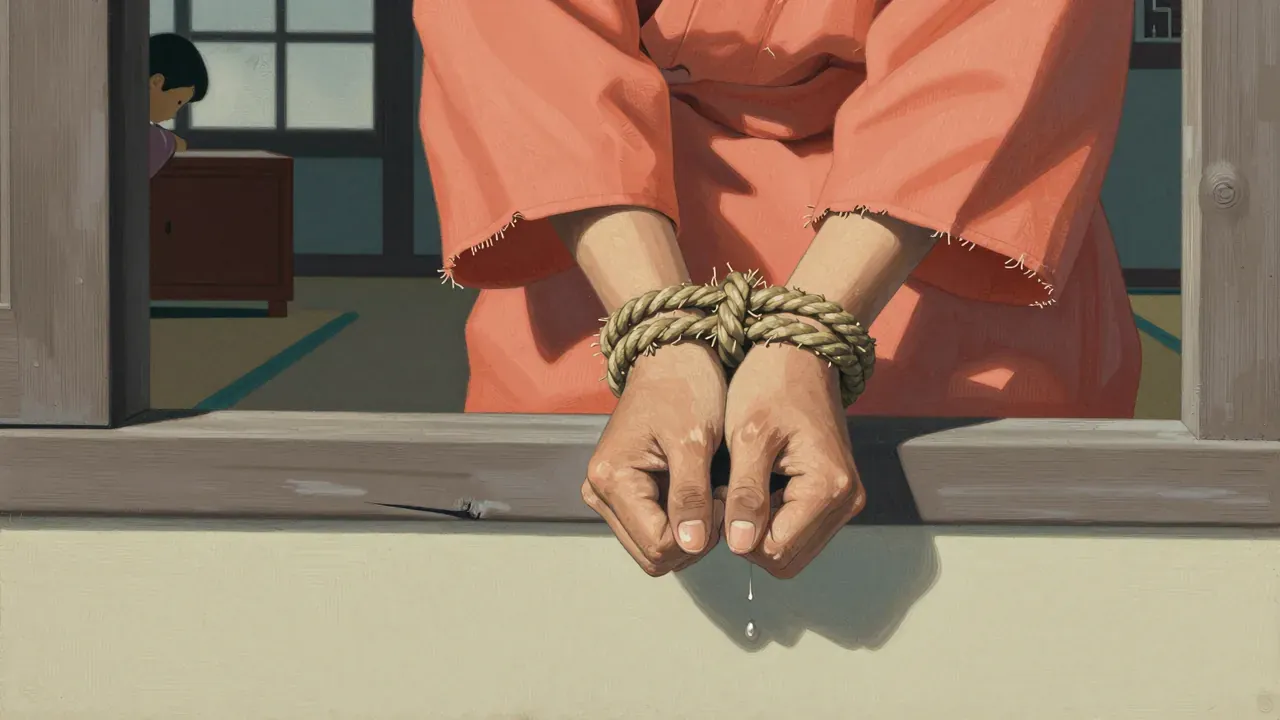
Double Suicide: Japanese Summer (1967), directed by Nagisa Ōshima, is a stark, symbol-laden drama in which a young woman named Nejiko is imprisoned by yakuza after witnessing them unearth buried weapons. Stylised rather than realistic, it uses theatrical roles (Televi, Oni, Omocha), flat lighting by Yasuhiro Yoshioka, and a dissonant score by Hikaru Hayashi to examine coercion, gendered control, and the banality of violence. With no exposition or psychological backstory, it relies on repetition, gesture, and spatial constraint to make ideology visible — not as idea, but as practice.

13:00

Empire of Passion

Nagisa Ōshima · 1978

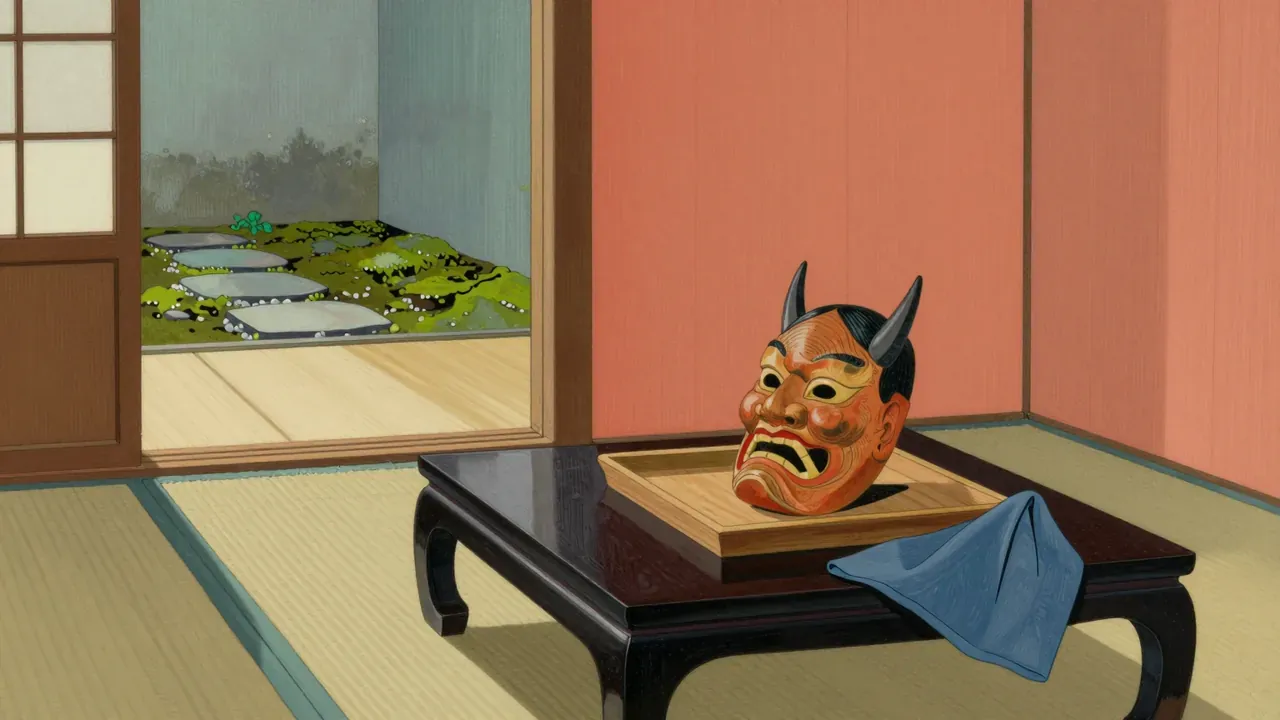
Nagisa Ōshima’s 1978 French-Japanese co-production Empire of Passion adapts a novel by Itoko Nakamura into a stark, psychologically rigorous kaidan. Set in 1895 rural Japan, it follows Seki and Toyoji, whose affair leads to the murder of her husband — and the subsequent, inescapable haunting that follows. Shot by Yoshio Miyajima and scored by Tōru Takemitsu, the film rejects gothic ornament in favour of austere composition, deliberate pacing, and moral weight. It premiered at Cannes, where Ōshima won Best Director.

13:00

In the Realm of the Senses

Nagisa Ōshima · 1976

Nagisa Ōshima’s 1976 In the Realm of the Senses is a rigorously controlled, historically grounded dramatisation of the Sada Abe case. Shot in Japan but produced as a French enterprise to bypass censorship, it depicts escalating sexual obsession between two lovers in 1936 Tokyo with unsimulated acts, minimal dialogue, and unbroken duration. Its power lies in formal austerity, not sensationalism — it refuses psychological exposition, moral framing, or aesthetic relief. Controversial on release, it remains a benchmark for films that treat the body as both subject and site of meaning.

13:00

Sing a Song of Sex

Nagisa Ōshima · 1967

Sing a Song of Sex (1967), directed by Nagisa Ōshima, follows four Tokyo high school seniors over a single day—February 11, 1967—as they drift between exams, fantasies, drinking, and competitive singing. Structured as a musical collage rather than a linear narrative, it centres on the shunka folk song Yosakoi Bushi and explores frustrated male desire, generational disaffection, and the submerged Korean roots of Japanese identity. With improvised performances, overlapping sound design, and deliberate narrative gaps, it treats song as both archive and weapon.

13:00

The Pleasures of the Flesh

Nagisa Ōshima · 1965

Directed by Nagisa Ōshima and released in 1965, The Pleasures of the Flesh follows a university graduate’s gradual withdrawal from responsibility, relationships, and self. Starring Katsuo Nakamura and Toshiko Higuchi, and scored by Joji Yuasa, it uses restraint, duration, and environmental texture to chart a descent that feels less like tragedy than quiet attrition. It belongs to Ōshima’s early, formally disciplined period — observational, unsentimental, and resistant to interpretation.

13:00

Three Resurrected Drunkards

Nagisa Ōshima · 1968

Three Resurrected Drunkards (1968), directed by Nagisa Ōshima, follows three young Japanese men who, after having their clothes stolen at the beach, are mistaken for Korean illegal immigrants and pursued by authorities. Built around a hit folk song and performed with deadpan restraint, the film uses repetition, costume and bureaucratic absurdity to critique Japan’s treatment of Zainichi Koreans — not through exposition or emotion, but through relentless, low-key ridicule of the systems that assign and police identity.

13:00

Violence at Noon

Nagisa Ōshima · 1966

Violence at Noon (1966), directed by Nagisa Ōshima, follows Shino, a housemaid who survives a rape-murder only to confront the perpetrator — Eisuke — years later, alongside his wife Kura, a former schoolteacher who married him knowing his crimes. Through fractured flashbacks and over two thousand single shots, the film traces how violence reverberates across time, memory, and social silence. It refuses psychological explanation or legal closure, instead insisting on the entanglement of survival, testimony, and complicity in a rigidly hierarchical postwar Japan.