filmbriefs
Producer · Screenwriter · 1903–1947

Mark Hellinger

5
briefs
12:22
average
62 min
in total
On film.briefs5
13:00

Brute Force

Jules Dassin · 1947

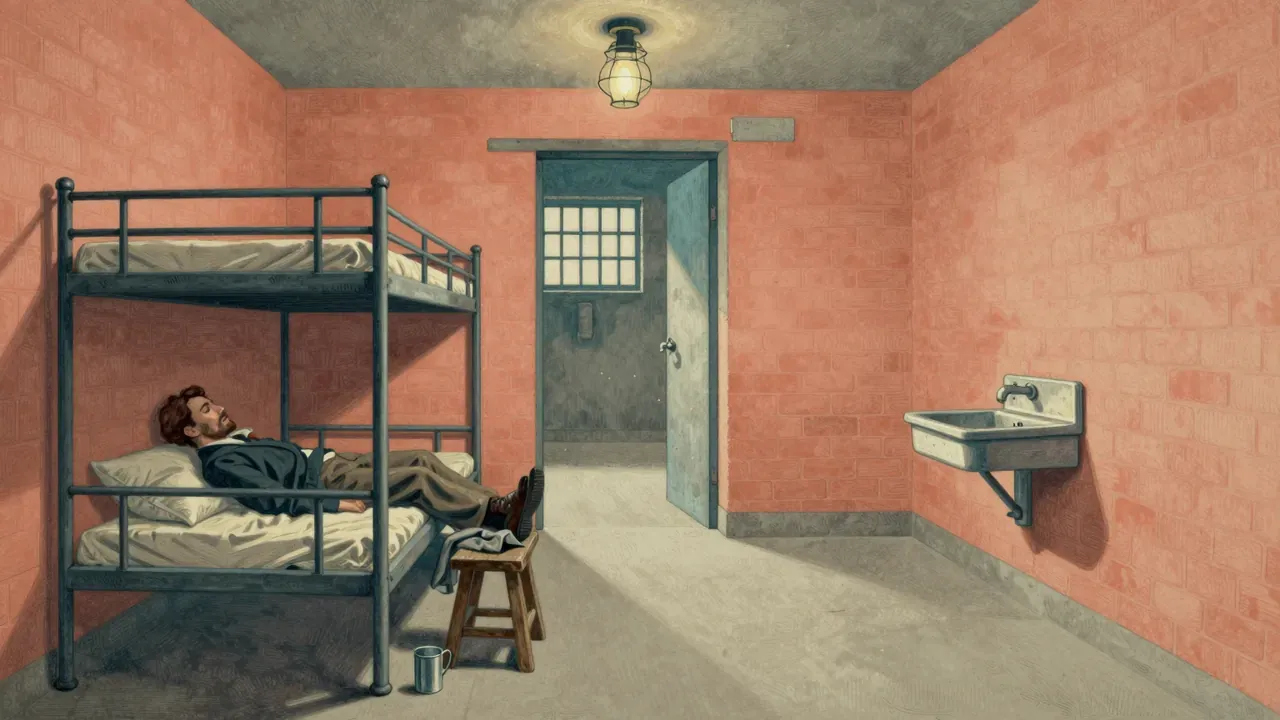
Brute Force (1947) is a tightly wound crime drama set inside Westgate Prison, where Capt. Munsey’s sadistic enforcement and Warden Barnes’ passivity create a powder keg. When Joe Collins organises an escape, the system responds not with reform but with annihilation. Directed by Jules Dassin and written by Richard Brooks, it uses noir’s visual austerity and moral severity to mount a sustained critique of punitive justice — not as aberration, but as design.
13:00

High Sierra

Raoul Walsh · 1941

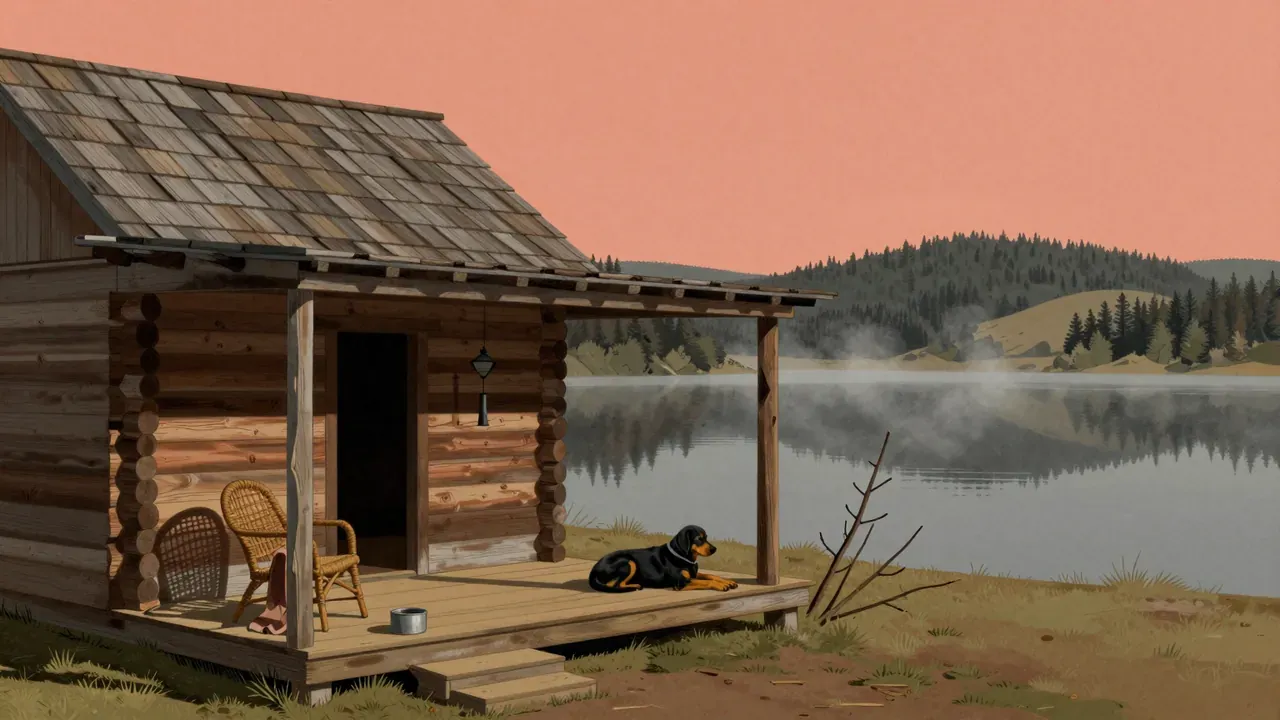
High Sierra (1941), directed by Raoul Walsh and starring Humphrey Bogart and Ida Lupino, follows ageing gangster Roy Earle as he leads a jewel heist in California’s Sierra Nevada, then flees into the mountains. Adapted by John Huston and W. R. Burnett from Burnett’s novel, it uses location shooting, restrained performances, and unshowy craft to trace a quiet, physical descent — not toward redemption, but toward an ending already written in Roy’s body and the landscape.

9:51

The Roaring Twenties

Raoul Walsh · 1939

The Roaring Twenties (1939) is a studio-crafted gangster film that uses the interwar years as architecture—not archive. It honours early-1930s genre conventions while narrowing the decade to a single masculine trajectory: rise, rule, ruin. Its specificity (1919–1933, Hellinger source, Walsh direction) makes it a useful artifact—not of the twenties, but of how Hollywood repackaged them on the cusp of war.

13:00

The Naked City

Jules Dassin · 1948

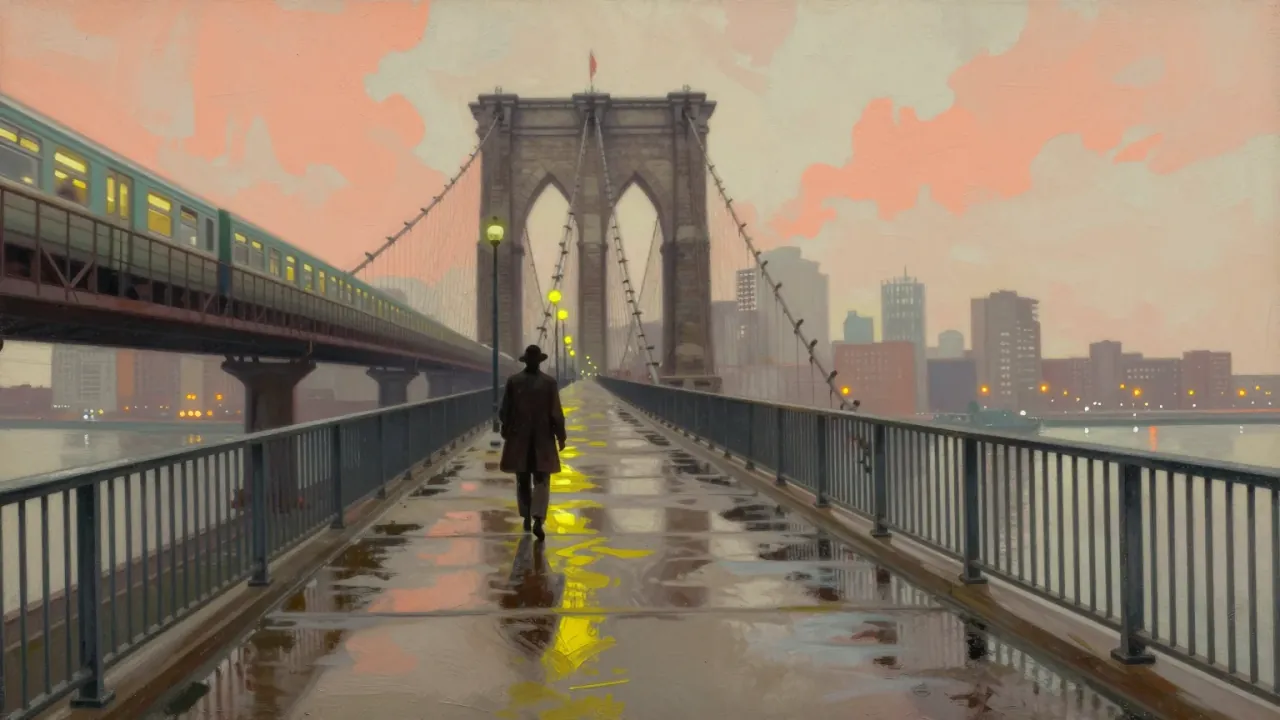
The Naked City (1948) follows NYPD detectives investigating the murder of a model across real New York locations. Directed by Jules Dassin and written by Albert Maltz, it prioritises procedural fidelity over character depth or moral commentary. William H. Daniels’ cinematography and Paul Weatherwax’s editing anchor the film in tangible urban space, while Miklós Rózsa’s score underscores its climactic bridge chase and elegiac epilogue. Winner of two Academy Awards, it remains influential for its documentary rigour and structural clarity — a film less about crime than about how cities and institutions absorb and resolve it.

13:00

The Killers

Robert Siodmak · 1946

Robert Siodmak’s 1946 crime film expands Hemingway’s terse short story into a layered noir investigation, anchored by Burt Lancaster’s debut performance and Elwood Bredell’s atmospheric cinematography. It traces an insurance investigator’s dogged reconstruction of a doomed ex-boxer’s final years, using flashbacks to expose how betrayal, loyalty, and fatalism accumulate like sediment. Though structurally ambitious, its commitment to mood over momentum makes it demanding—and deeply rewarding—for viewers attuned to tone, texture, and the quiet gravity of inevitability.