Saved
Director · 1906–1996

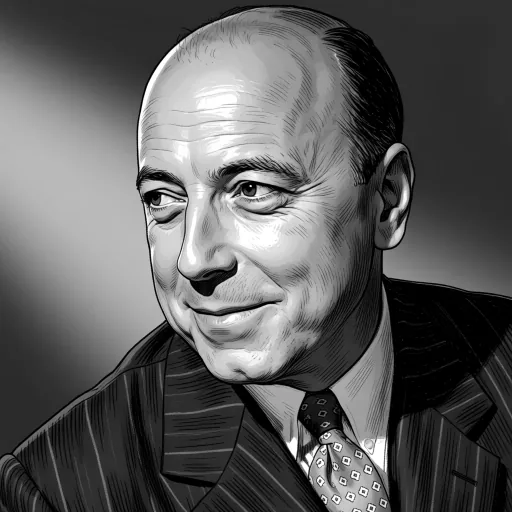
Marcel Carné

5
briefs
13:00
average
65 min
in total
On film.briefs5
13:00

Children of Paradise

Marcel Carné · 1945

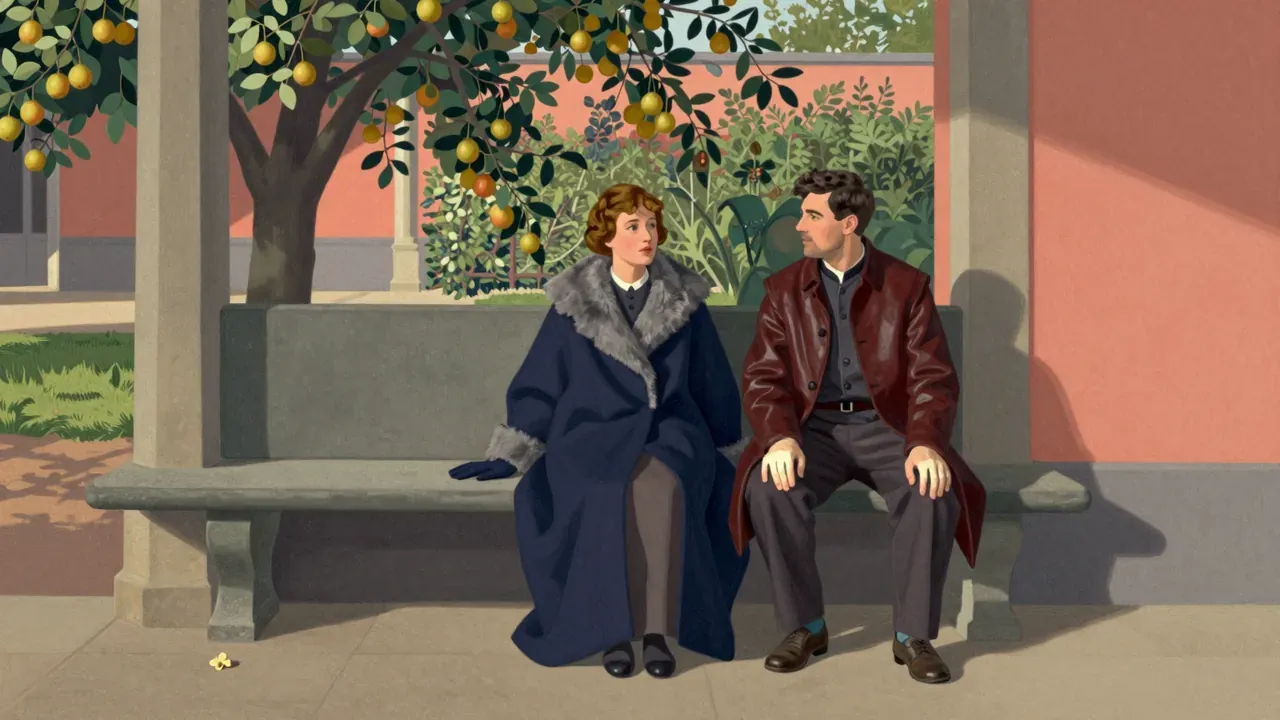
Marcel Carné’s 1945 French romantic drama, written by Jacques Prévert and shot under Nazi occupation, follows courtesan Garance and the four men — mime, actor, criminal, aristocrat — who love her in 1830s Paris. Its 190-minute span balances theatrical grandeur with psychological restraint, using deep-focus cinematography, meticulous production design, and Arletty’s commanding stillness to explore love as asymmetry, art as resistance, and performance as identity.
13:00

Hôtel du Nord

Marcel Carné · 1938

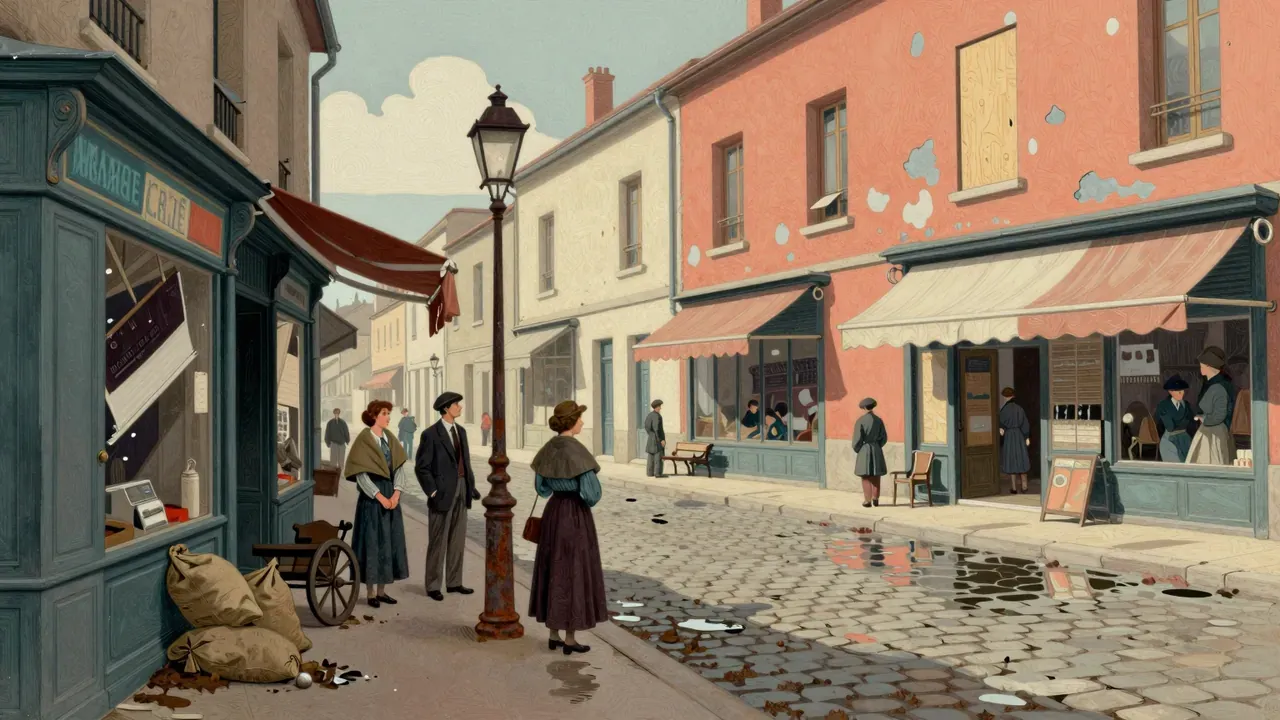
Marcel Carné’s 1938 Hôtel du Nord is a cornerstone of poetic realism: a slow-burning drama set in a working-class Paris hotel, where suicide, romance, and criminal threat unfold amid Bastille Day revelry. Anchored by Arletty and Louis Jouvet, and shaped by Jean Aurenche and Henri Jeanson’s dialogue, it privileges mood, texture, and moral ambiguity over exposition or resolution.

13:00

Le Jour Se Lève

Marcel Carné · 1939

Marcel Carné’s 1939 French drama Le Jour Se Lève follows François, a foundry worker who kills a rival and barricades himself in his apartment, besieged by police. Through a sustained flashback, the film traces his doomed love for Françoise, manipulation by Valentin, and fraught relationship with Clara — all leading inevitably to his suicide. Built on Jacques Prévert’s script and Alexandre Trauner’s claustrophobic set, it is a landmark of poetic realism: restrained, atmospheric, and structurally audacious.

13:00

Les Visiteurs du Soir

Marcel Carné · 1942

Marcel Carné’s 1942 Les Visiteurs du Soir, written by Jacques Prévert, is a French fantasy set in 15th-century France. Two devilish emissaries infiltrate a noble castle to sabotage a wedding, but one falls in love — triggering divine intervention, mortal defiance, and a final metamorphosis into statues whose hearts keep beating. Shot in Vichy France under occupation, it uses allegory without direct reference, prioritising mood, restraint, and embodied emotion over plot mechanics or exposition.

13:00

Port of Shadows

Marcel Carné · 1938

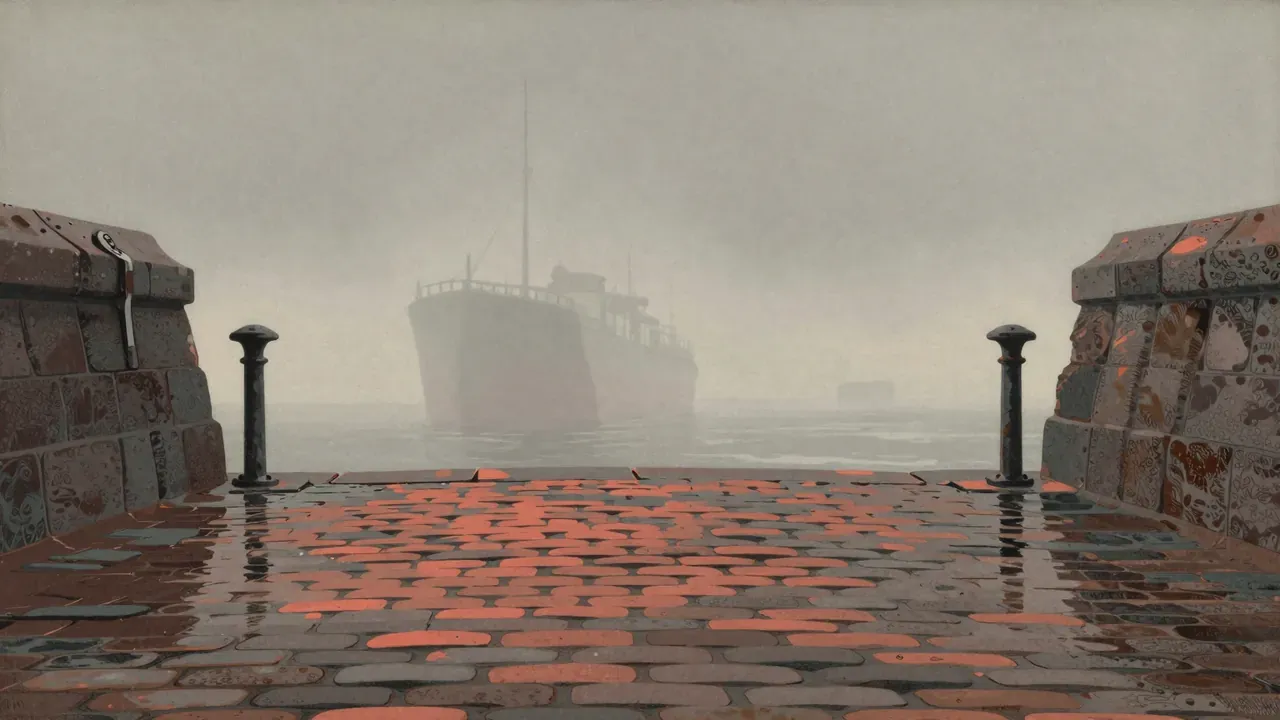
Marcel Carné’s 1938 French drama Port of Shadows follows a deserter and a runaway girl in Le Havre, where love and escape are undermined by circumstance, jealousy, and inevitability. With Jean Gabin, Michèle Morgan, and Michel Simon, and written by Jacques Prévert, it exemplifies poetic realism through restrained performances, Schüfftan’s low-lit cinematography, and a fatalistic structure that privileges mood over momentum.