filmbriefs
Actor · 1926–1984

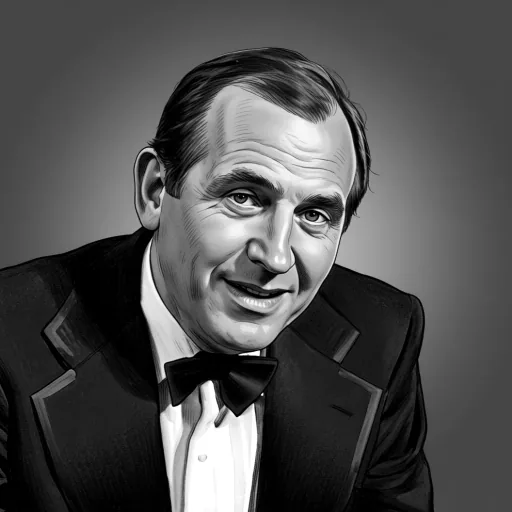
Leonard Rossiter

4
briefs
13:00
average
52 min
in total
On film.briefs4
13:00

Billy Liar

John Schlesinger · 1963

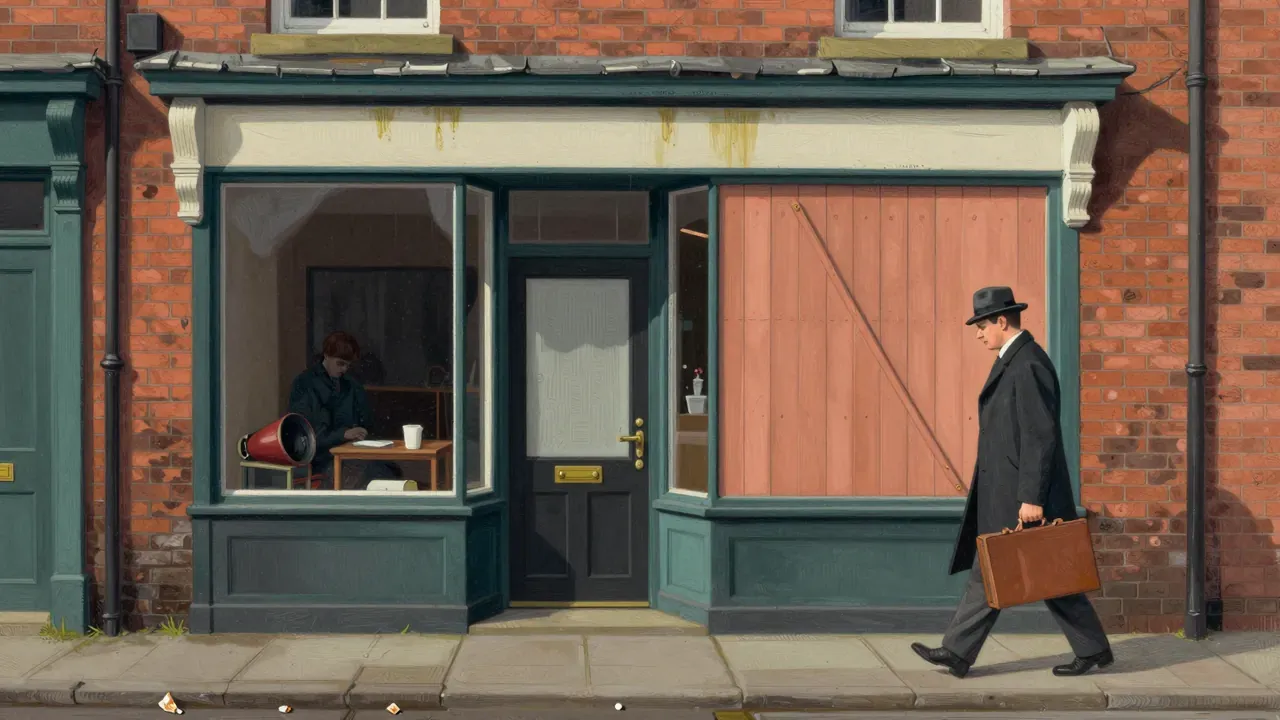
A 1963 British tragicomedy starring Tom Courtenay as Billy Fisher, a young undertaker’s clerk in Yorkshire whose elaborate fantasies of ruling the imaginary nation of Ambrosia mask his inability to act on real desire. Directed by John Schlesinger and adapted by Willis Hall from Keith Waterhouse’s novel, it uses real locations in Bradford and Denys Coop’s CinemaScope photography to anchor its surrealism in social reality. The film ends not with escape but with Billy stepping off a train to London—and walking home alone.
13:00

This Sporting Life

Lindsay Anderson · 1963

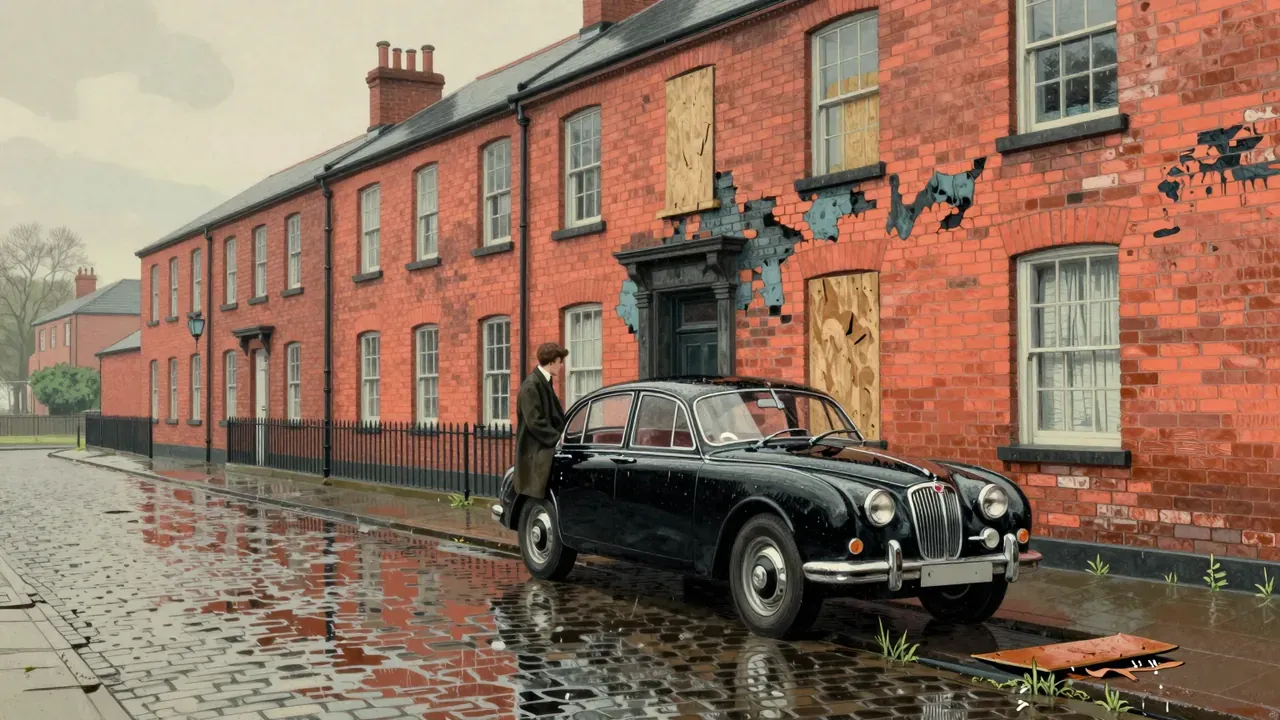
Lindsay Anderson’s 1963 debut, adapted by David Storey from his novel, follows Frank Machin — a rugby league player in industrial Yorkshire — whose physical dominance on the pitch contrasts with his emotional paralysis off it. Shot by Denys Coop and edited by Peter Taylor, it uses fractured chronology, restrained performance, and unvarnished locations to explore class, grief, and the limits of male expression. Though commercially unsuccessful, it was critically lauded, earning BAFTA and Cannes honours.

13:00

Barry Lyndon

Stanley Kubrick · 1975

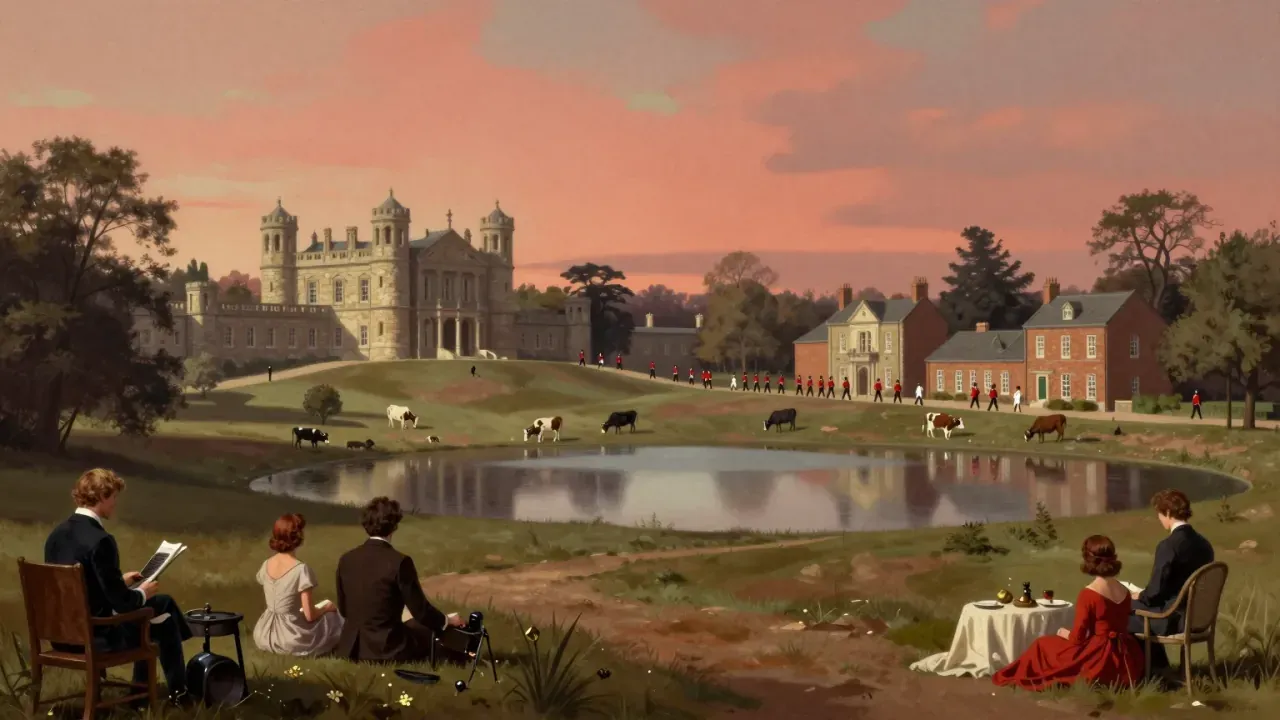
Stanley Kubrick’s 1975 adaptation of Thackeray’s novel follows an Irish opportunist’s calculated ascent and collapse in 18th-century Europe. Shot in candlelight, built around painterly compositions and governed by an impassive narrator, it treats social hierarchy as an inescapable physical law — not a theme to explore, but a structure to inhabit.

13:00

2001: A Space Odyssey

Stanley Kubrick · 1968

Stanley Kubrick's 1968 film, written with Arthur C. Clarke, tracks a black monolith's appearances across four million years, from a tribe of prehistoric hominids to a Jupiter mission overseen by the calm computer HAL 9000. Shot by Geoffrey Unsworth with in-camera effects that took over a year to complete, and scored with existing classical pieces by Strauss, Khachaturian and Ligeti rather than an original soundtrack, it cost MGM $10.5 million, returned over $190 million, and won Kubrick his only competitive Oscar, for visual effects.