filmbriefs
Actor · 1963

Jet Li

4
briefs
13:00
average
52 min
in total
On film.briefs4
13:00

Once Upon a Time in China II

Tsui Hark · 1992

Tsui Hark’s 1992 sequel follows Jet Li’s Wong Fei-hung through 1895 Canton, where acupuncture seminars are stormed by cultists, British consulates are breached by Qing soldiers, and revolution is passed hand-to-hand on a scrap of cloth. With Arthur Wong’s restrained cinematography and Yuen Woo-ping’s grounded choreography, it frames wuxia not as fantasy but as embodied history — urgent, unresolved, and materially precise.
13:00

Once Upon a Time in China III

Tsui Hark · 1993

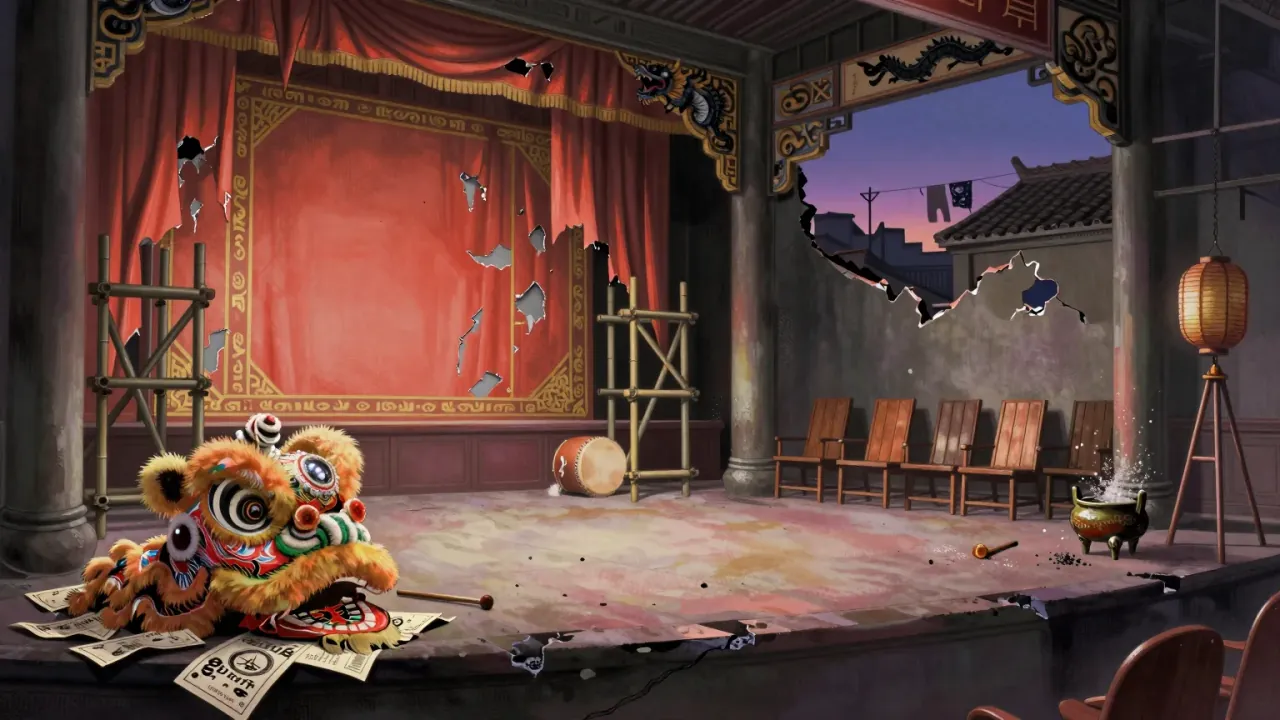
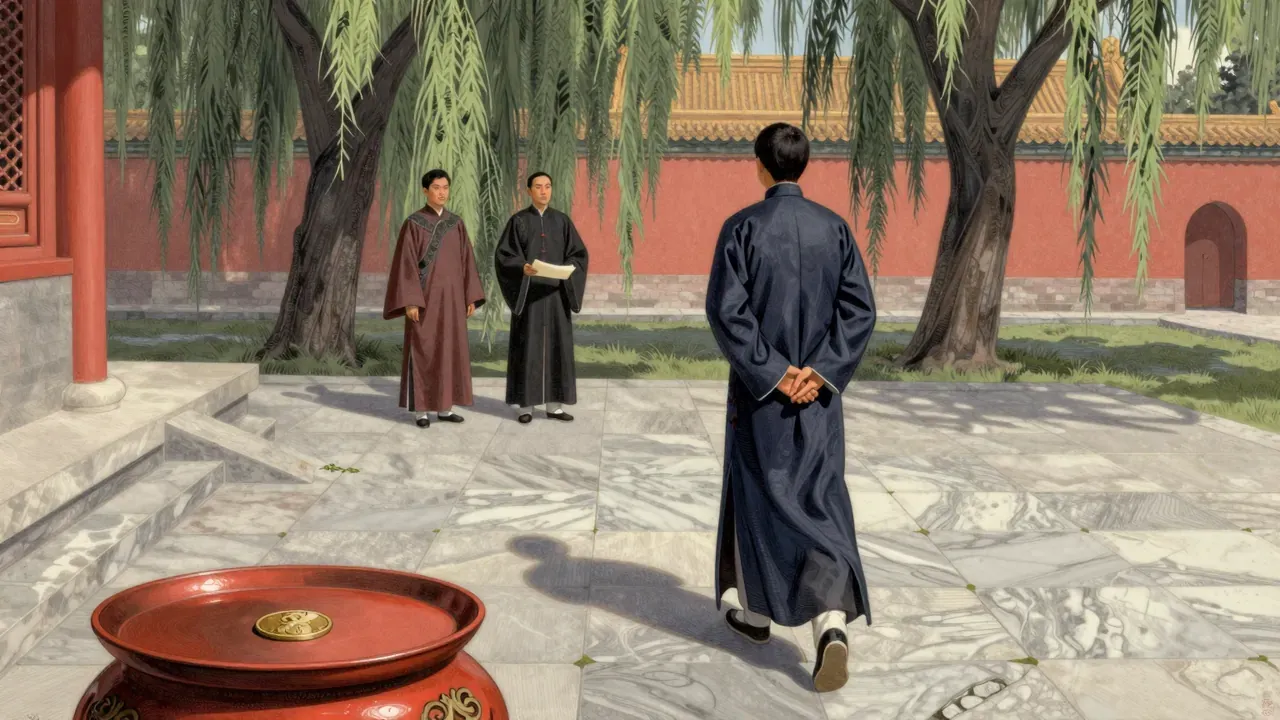
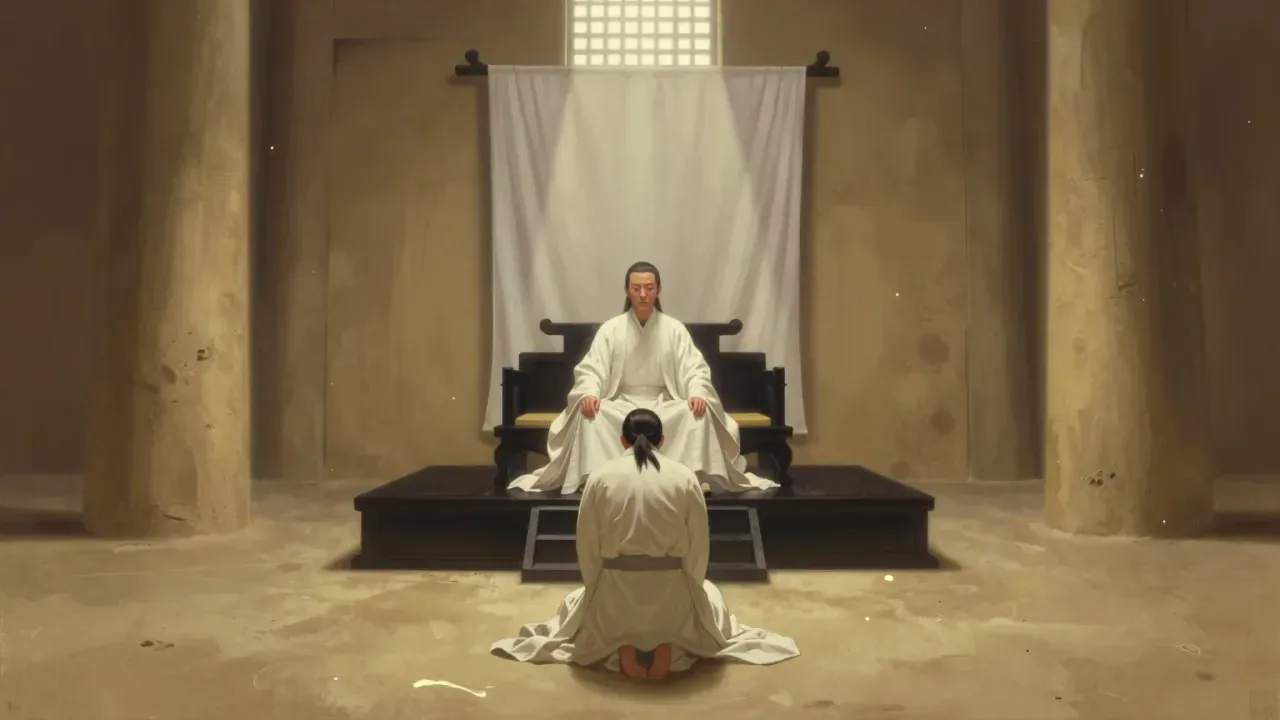
Once Upon a Time in China III (1993), directed by Tsui Hark, follows Wong Fei-hung to Beijing for a state-sponsored lion dance competition meant to restore Chinese prestige amid foreign imperialism. Jet Li anchors a tightly plotted narrative where choreography, moral choice, and historical constraint converge — culminating in a scaffold battle and a rejected medal. Andrew Lau’s cinematography and Marco Mak’s editing serve clarity over flourish. The film works best when action carries meaning and falters when plot relies on underdeveloped antagonists or external conspiracies.

13:00

Hero

Zhang Yimou · 2002

Zhang Yimou’s 2002 Hero uses competing narratives and strict chromatic divisions — red, blue, white, green, black — to explore how truth is shaped by perspective and authority. Starring Jet Li, Tony Leung and Maggie Cheung, and shot by Christopher Doyle with a score by Tan Dun, it reframes the wuxia genre as a formal investigation into storytelling itself: who tells, who believes, and what gets erased in the name of peace.

13:00

Once Upon a Time in China

Tsui Hark · 1991

Tsui Hark’s 1991 Hong Kong action-drama stars Jet Li as Wong Fei-hung, a physician and martial artist navigating colonial pressure, legal collapse and local corruption in late-19th-century Foshan. Built around his Po-chi-lam clinic, the film treats kung fu as inseparable from ethics, education and civic responsibility — with fights that serve character, not spectacle, and a climax resolved through perception, not firepower.