filmbriefs
Producer · 1931

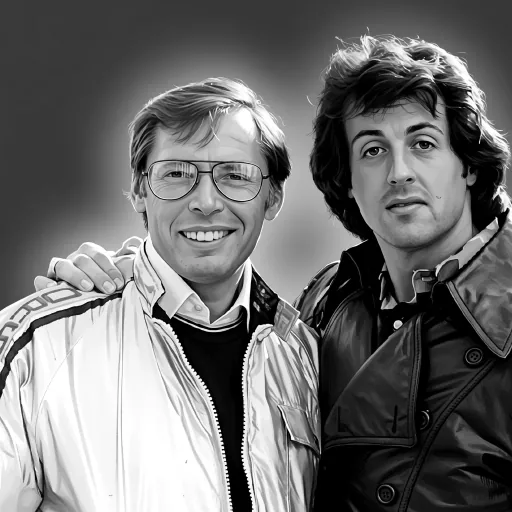
Irwin Winkler

4
briefs
13:00
average
52 min
in total
On film.briefs4
13:00

Round Midnight

Bertrand Tavernier · 1986

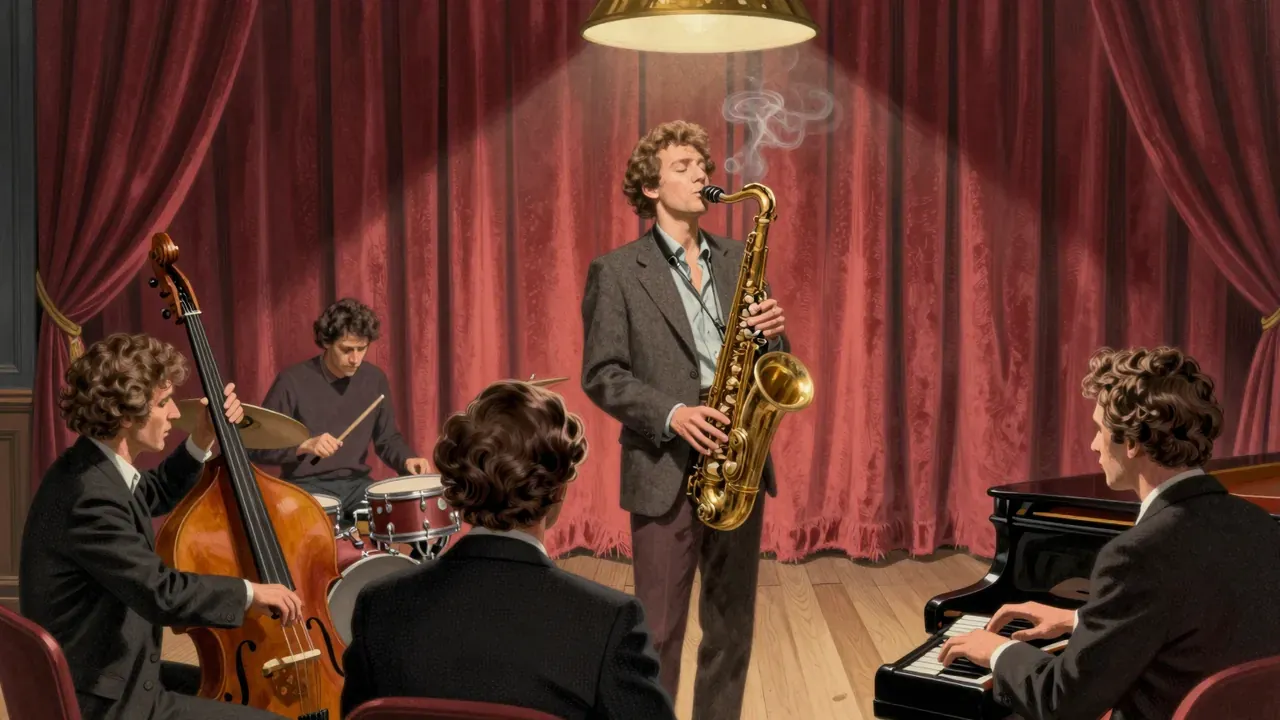
Bertrand Tavernier’s 1986 film follows American saxophonist Dale Turner (Dexter Gordon) as he seeks refuge from addiction in 1950s Paris, aided by a devoted French graphic designer (François Cluzet). Built around live jazz performances and anchored by Gordon’s restrained, deeply embodied performance, the film avoids biopic clichés to explore endurance, care, and the untranslatable language of music. Shot in Paris and New York, with a score by Herbie Hancock, it won the Academy Award for Best Original Score and was named one of the year’s top ten films by the National Board of Review.
13:00

The Right Stuff

Philip Kaufman · 1983

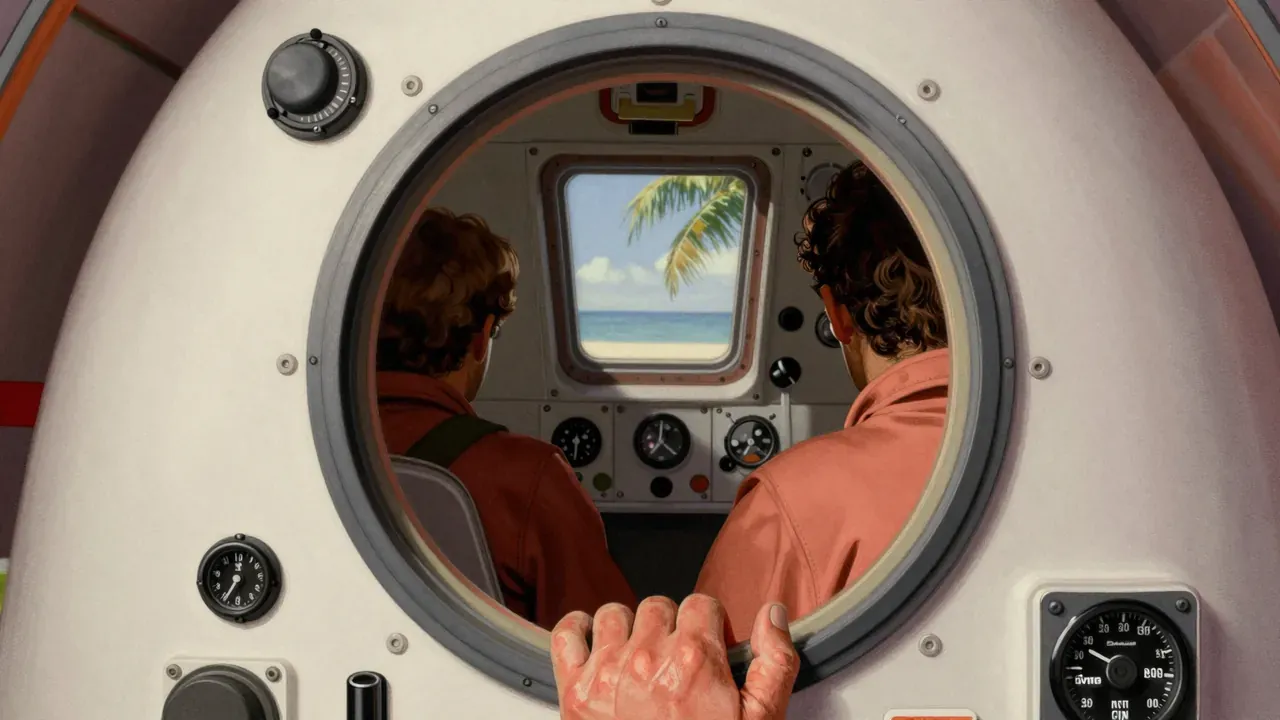
Philip Kaufman’s 1983 film adapts Tom Wolfe’s book into a sprawling, visually precise account of American test pilots and Mercury astronauts. Shot across California locations including Edwards Air Force Base and Hamilton AFB, it contrasts Chuck Yeager’s solitary mastery with the seven astronauts’ managed ascent into orbit. Caleb Deschanel’s cinematography, Bill Conti’s score, and Glenn Farr’s editing sustain its 184-minute runtime through texture and rhythm rather than plot velocity. Though criticised for historical compressions — particularly around Gus Grissom — it endures as a meditation on visibility, endurance, and the cost of turning courage into spectacle.

13:00

Goodfellas

Martin Scorsese · 1990

Martin Scorsese's 1990 account of Henry Hill's rise and fall inside the Lucchese crime family, adapted from Nicholas Pileggi's book Wiseguy. Told through overlapping narration and a compressed, accelerating style, it follows money, loyalty and violence as the daily business of a life Hill first found glamorous and eventually could not escape.

13:00

Raging Bull

Martin Scorsese · 1980

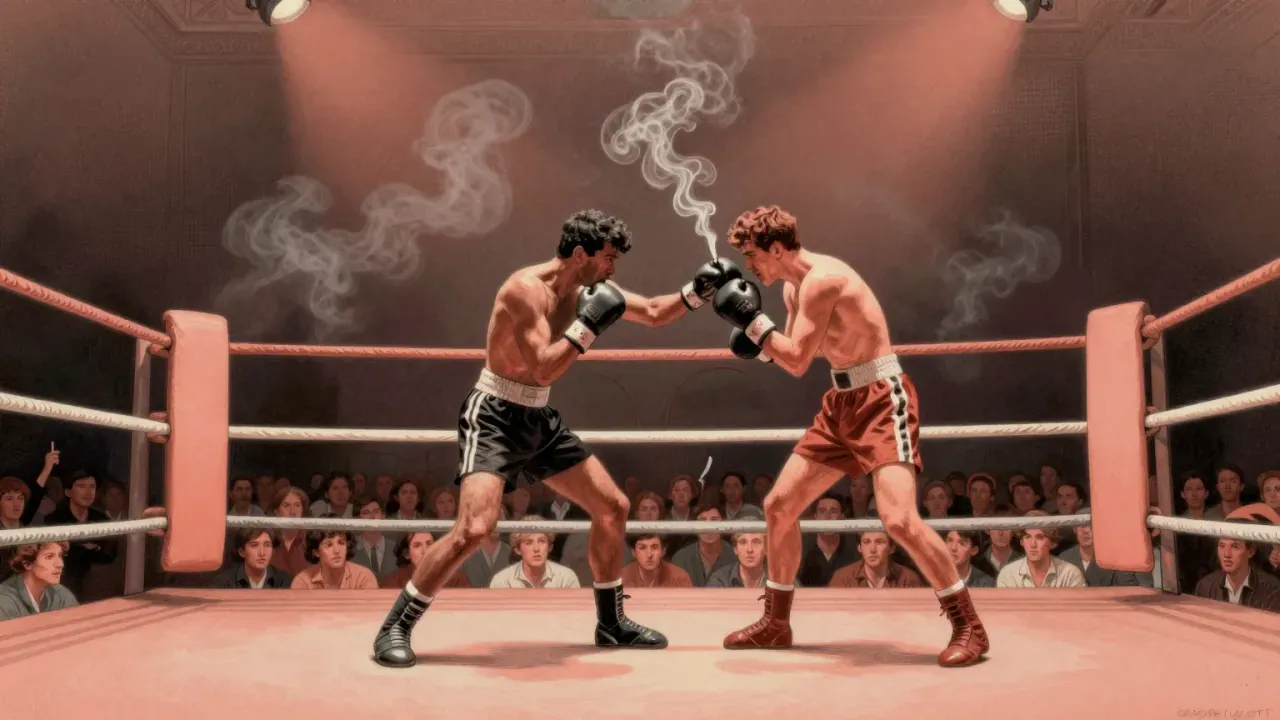
Martin Scorsese's 1980 film adapts former middleweight champion Jake LaMotta's own memoir into a study of a man whose jealousy and temper wreck his marriage and his relationship with his brother and manager Joey at the same rate his boxing career rises and falls. Shot in black and white, partly because research showed period boxing gloves came in too narrow a range of colours to justify colour film, and built around a physical transformation in which Robert De Niro gained roughly 60 pounds to play LaMotta's later years, the film returned only a modest $23.4 million against its $18 million budget on release but later won Oscars for De Niro's performance and Thelma Schoonmaker's editing.