filmbriefs
Actor

Humphrey Bogart

5
briefs
13:00
average
65 min
in total
On film.briefs5
13:00

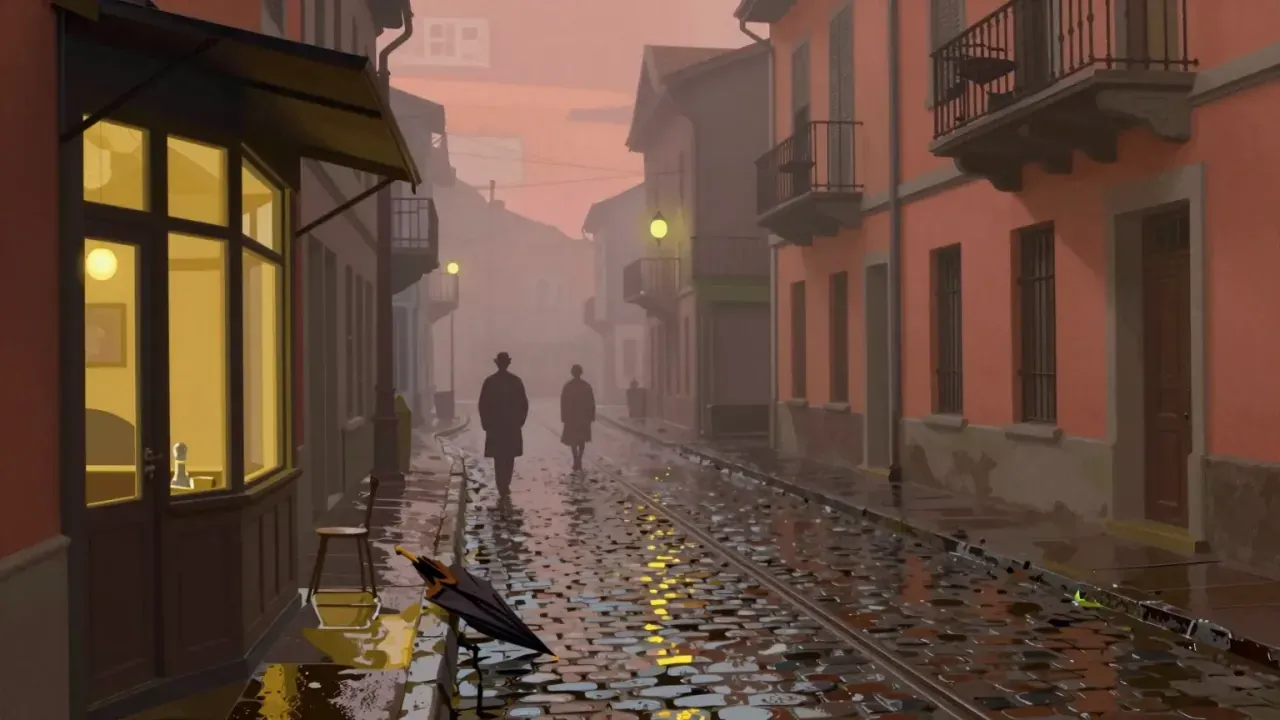
Casablanca

Michael Curtiz · 1942

A 1942 Warner Bros. romantic drama set in Vichy-controlled Casablanca, where American expatriate Rick Blaine must choose between rekindling a wartime romance with Ilsa Lund and helping her husband, resistance leader Victor Laszlo, escape to continue fighting the Nazis. Directed by Michael Curtiz, written by Julius and Philip Epstein, Howard Koch and Casey Robinson, and starring Humphrey Bogart and Ingrid Bergman, it is a tightly constructed studio picture whose enduring power lies in its moral economy, disciplined craft and refusal to separate personal longing from political consequence.

13:00

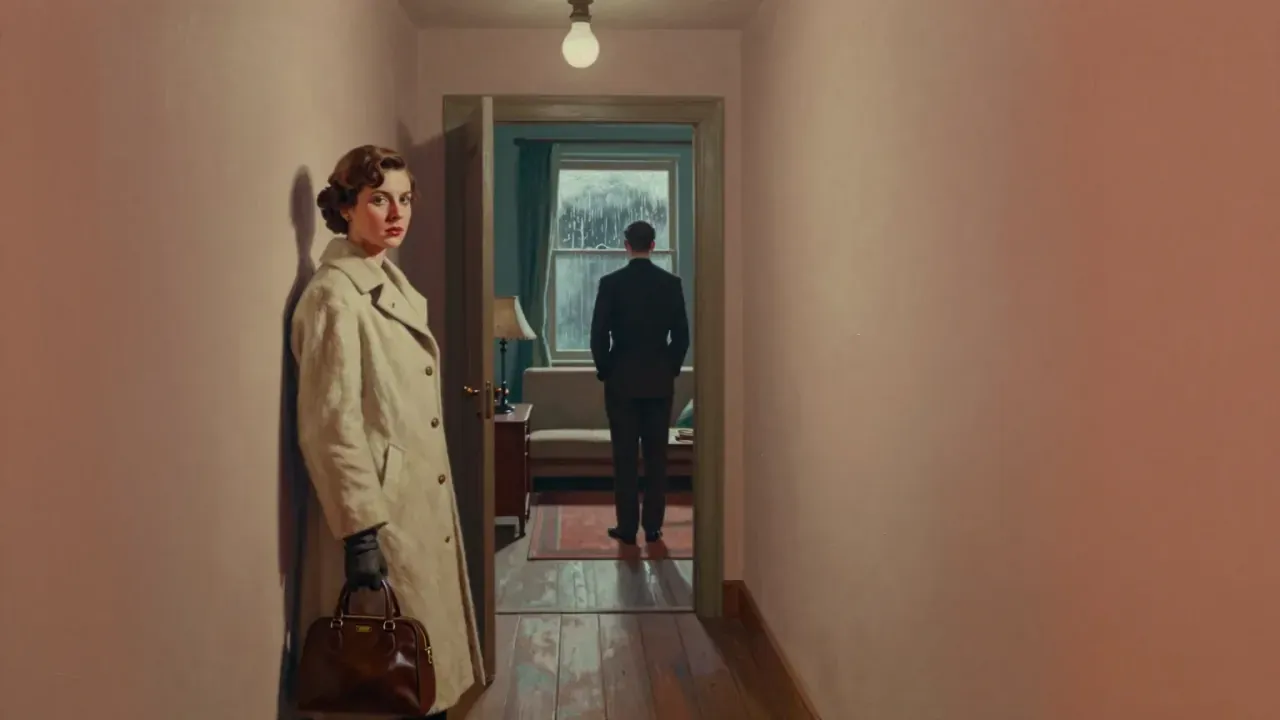
In a Lonely Place

Nicholas Ray · 1950

Nicholas Ray’s 1950 drama stars Humphrey Bogart as a volatile screenwriter suspected of murder and Gloria Grahame as the neighbour who falls for him — only to realise his charm and rage are two sides of the same coin. Shot by Burnett Guffey and edited by Viola Lawrence, it trades noir thrills for psychological precision, treating Hollywood as a pressure chamber for intimacy. Its reputation has grown steadily since release, now ranked among the greatest film noirs ever made.

13:00

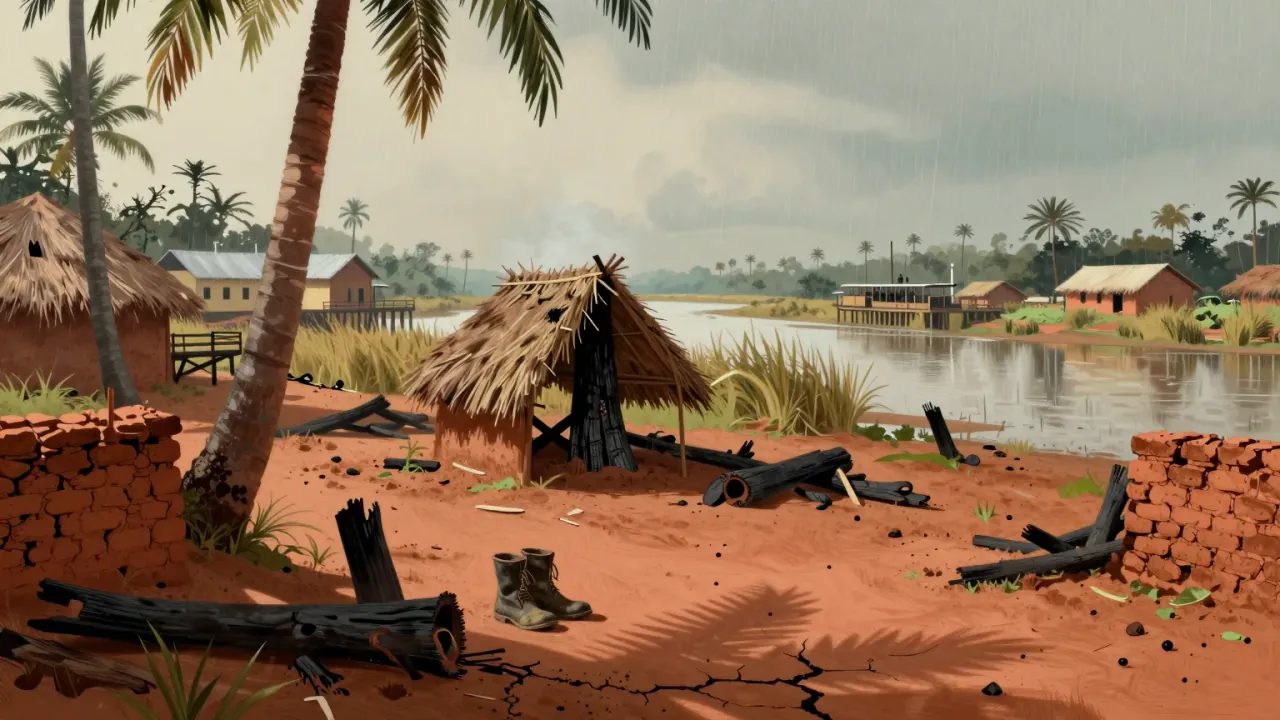
The African Queen

John Huston · 1951

John Huston’s 1951 drama follows a Methodist missionary and a Canadian boat mechanic who convert a small steamboat into a torpedo vessel to attack a German gunboat in East Africa during the First World War. Shot partly on location in Uganda and the Belgian Congo, it stars Humphrey Bogart (who won Best Actor) and Katharine Hepburn. Its strength lies in restrained performances, Jack Cardiff’s unsentimental Technicolor, and a story that values incremental change over grand revelation — though its colonial framing remains structurally incomplete.

13:00

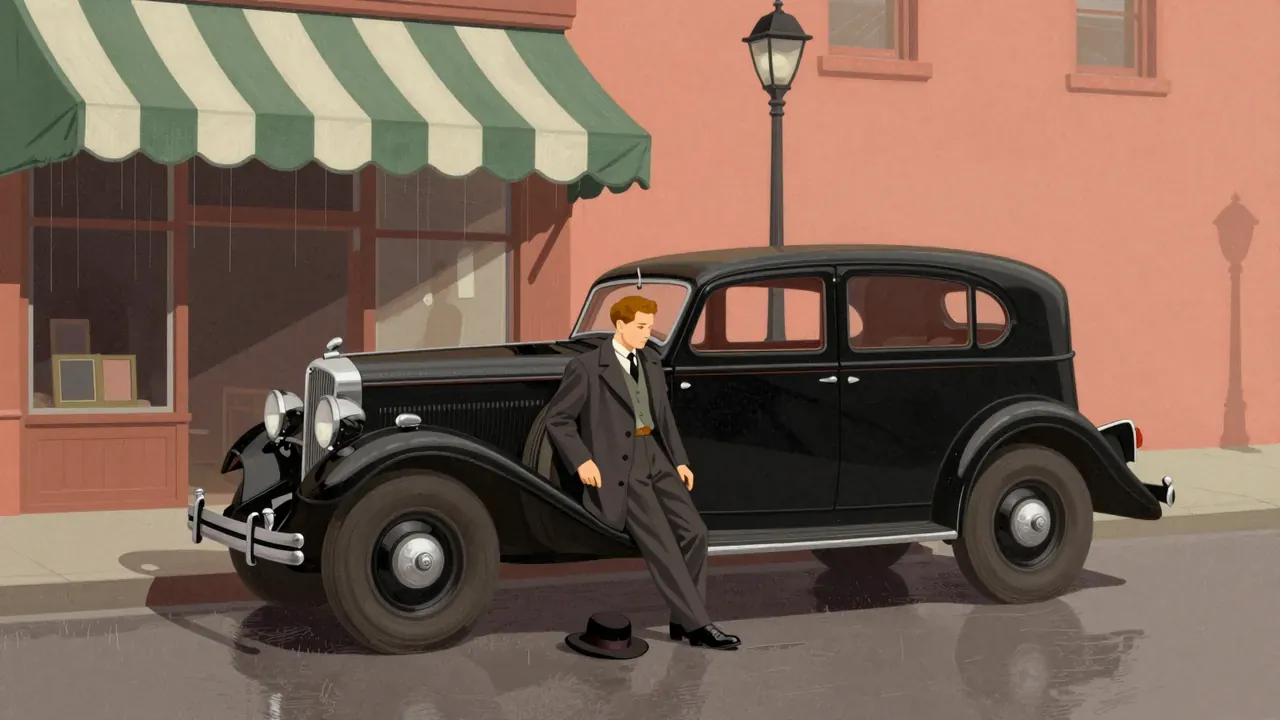
The Maltese Falcon

John Huston · 1941

John Huston’s 1941 debut adapts Dashiell Hammett’s novel with surgical fidelity: low-key lighting, unadorned dialogue, and performances that treat deception as craft. Humphrey Bogart’s Sam Spade operates by self-imposed rules, not ethics, and the pursuit of a jewel-encrusted falcon reveals not desire but the architecture of betrayal. Made for $300,000 on the Warner Bros. lot, it endures not as myth but as method — a blueprint for how to build tension without spectacle, and meaning without explanation.

13:00

The Treasure of the Sierra Madre

John Huston · 1948

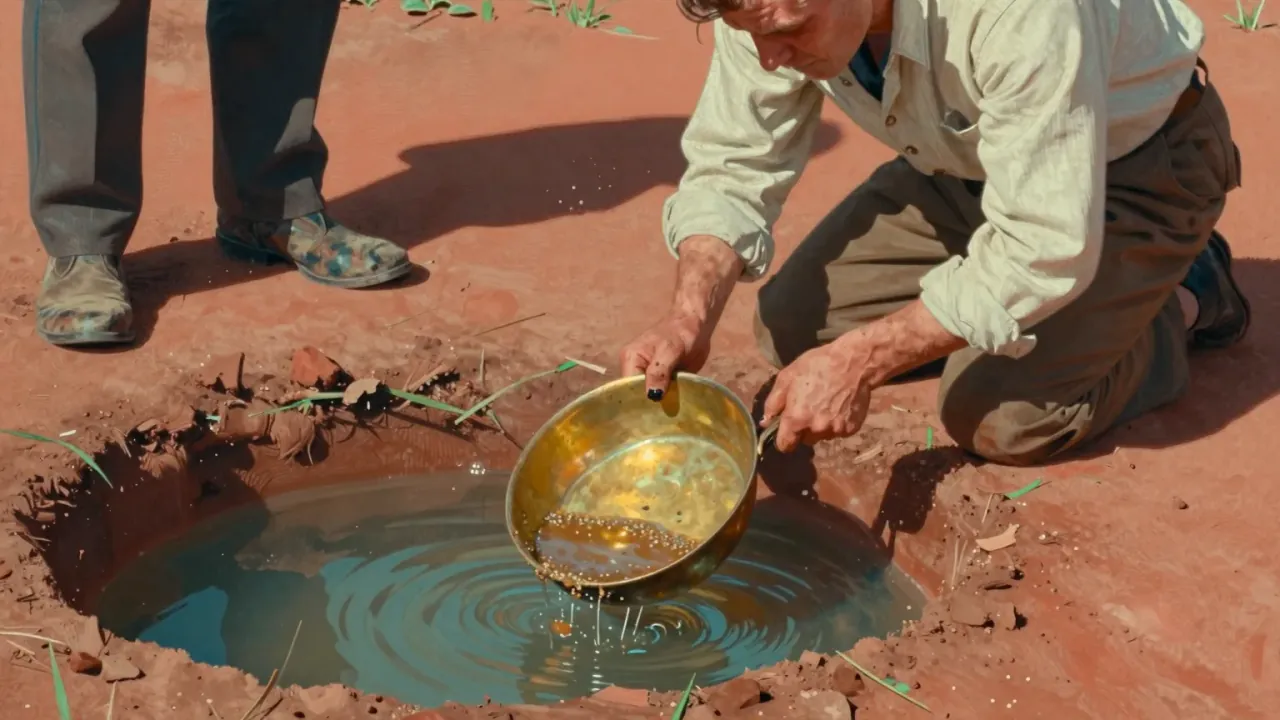
John Huston’s 1948 adaptation of B. Traven’s novel follows two American drifters and an ageing prospector searching for gold in the Mexican wilderness. As the find is made, trust fractures, language fails, and morality simplifies to survival. With restrained cinematography by Ted McCord, sparse scoring by Max Steiner, and performances anchored by Humphrey Bogart and Walter Huston, the film traces the slow, unsentimental collapse of shared reality under pressure. Shot on location in Mexico and California, it remains a benchmark of psychological realism — austere, exacting, and unyielding.