filmbriefs
Director · Screenwriter

Hiroshi Shimizu

5
briefs
13:00
average
65 min
in total
On film.briefs5
13:00

Japanese Girls At The Harbor

Hiroshi Shimizu · 1933

Japanese Girls at the Harbor (1933), directed by Hiroshi Shimizu, follows Sunako Kurokawa, a mixed-race teenager in Yokohama whose life fractures after a jealous shooting in a church. Years later, living as a bar worker and companion to an unsuccessful painter, she confronts the people she once loved—including the man who left her and the girl she shot. With no spoken dialogue and minimal intertitles, the film relies on composition, gesture, and duration to chart moral consequence without judgment or resolution.
13:00

Mr. Thank You

Hiroshi Shimizu · 1936

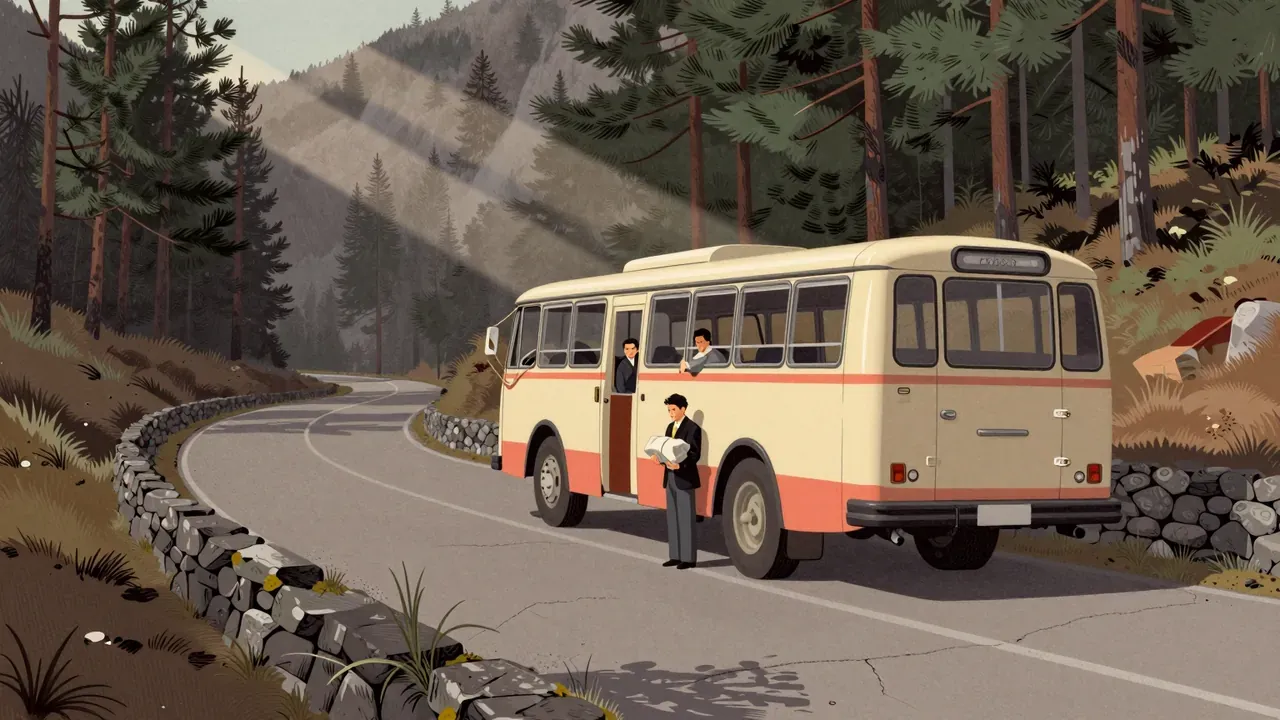
Hiroshi Shimizu’s 1936 film follows a bus driver nicknamed Mr. Thank You on a journey from rural Izu to Tokyo. Along the way, passengers reveal fragments of their lives — a mother preparing to sell her daughter, a Korean woman arranging her father’s funeral, migrants returning from the city. Shot on location with restrained performances and unadorned cinematography by Isamu Aoki, the film observes poverty, mobility, and quiet endurance without moralising or resolving. Based on a Yasunari Kawabata short story, it expands the source into a broader, though uneven, social portrait.

13:00

Ornamental Hairpin

Hiroshi Shimizu · 1941

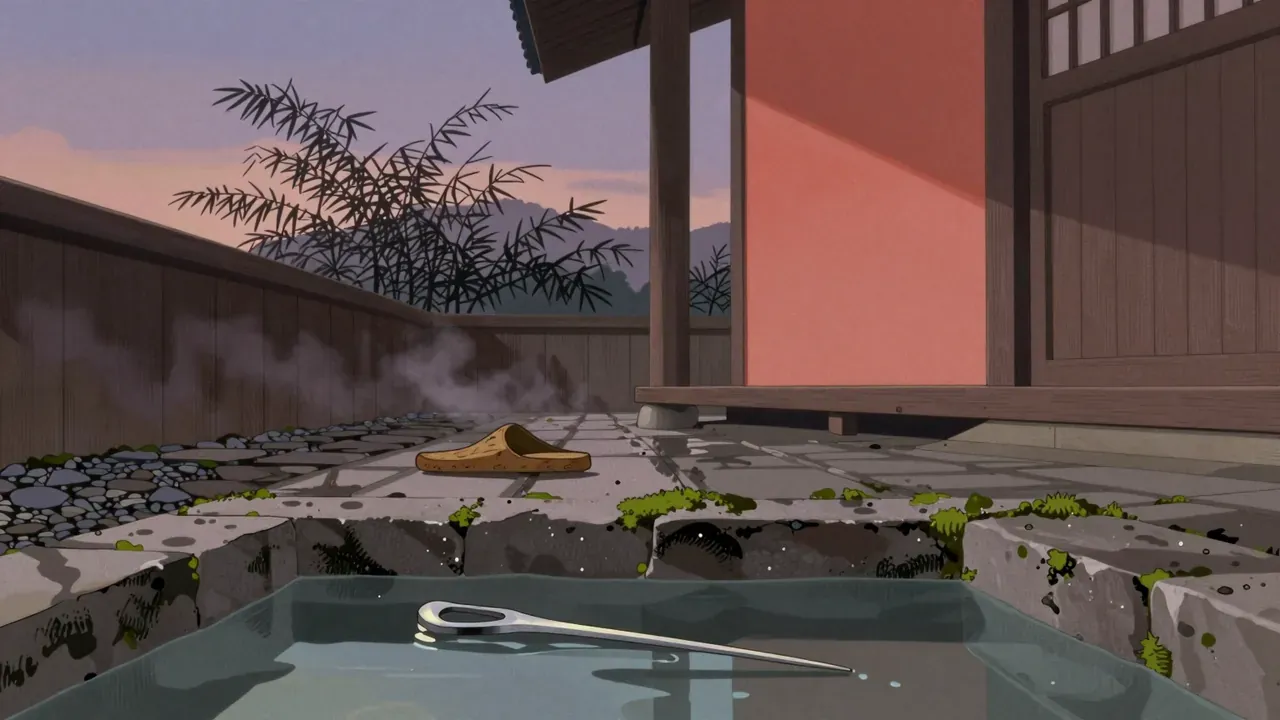
Set entirely at a remote Japanese hot-spring resort in 1941, Ornamental Hairpin follows a group of guests — a soldier, a geisha, two boys, a professor, an old man — whose intersecting stays are extended by a single lost hairpin. Directed by Hiroshi Shimizu and starring Kinuyo Tanaka, it is a quiet, observational drama that finds emotional weight in routine, restraint, and unspoken connection, refusing both wartime urgency and narrative resolution.

13:00

The Masseurs and a Woman

Hiroshi Shimizu · 1938

Hiroshi Shimizu’s 1938 film follows blind masseurs arriving at a rural spa town, where fleeting encounters — with a mysterious woman, a guest named Shintarō, and the rhythms of temporary community — unfold with quiet precision. Made by Shochiku in its Ōfuna style, it prioritises observation over exposition, tactile detail over dialogue, and duration over plot.

13:00

Walk Cheerfully

Yasujirō Ozu · 1930

Yasujirō Ozu’s 1930 silent film Walk Cheerfully follows a young man’s fall into petty crime and tentative return to social life in interwar Tokyo. With restrained performances, frontal compositions, and a deliberate, unhurried pace, it builds meaning through repetition, posture, and spatial arrangement rather than exposition or drama. Shot by Hideo Shigehara and written by Hiroshi Shimizu and Tadao Ikeda, it reflects Shochiku’s ‘new tendency’ realism — attentive to class, work, and urban routine, but resistant to moral simplification or emotional display.