filmbriefs
Producer · 1898–1986

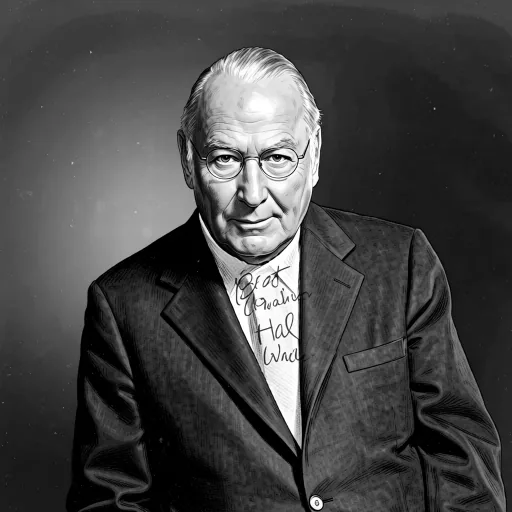
Hal B. Wallis

5
briefs
12:22
average
62 min
in total
On film.briefs5
13:00

Now, Voyager

Irving Rapper · 1942

Now, Voyager (1942) follows Charlotte Vale’s transformation from a cowed Boston heiress into a composed, quietly autonomous woman, guided by therapy, a transatlantic cruise, and a chaste, enduring bond with a married architect. Directed by Irving Rapper and starring Bette Davis, it avoids melodrama in favour of psychological precision, using Sol Polito’s lighting, Max Steiner’s score, and Casey Robinson’s adaptation to sustain tension in restraint. Its power lies in what it withholds — resolution, romance, catharsis — and what it insists upon: dignity as practice, care as continuity, and healing as ongoing recalibration.
13:00

The Furies

Anthony Mann · 1950

Anthony Mann’s 1950 Western *The Furies*, adapted from Niven Busch’s novel, follows Vance Jeffords (Barbara Stanwyck) and her tyrannical father T. C. (Walter Huston) in a battle of wills over a New Mexico ranch. With Victor Milner’s restrained cinematography and Franz Waxman’s tense score, the film prioritises psychological architecture over action, building a mythic, morally austere portrait of inheritance as compulsion. Though commercially unsuccessful on release, it has since been reappraised as a key work in Mann’s filmography and a defining ‘Freudian Western’.

9:51

The Roaring Twenties

Raoul Walsh · 1939

The Roaring Twenties (1939) is a studio-crafted gangster film that uses the interwar years as architecture—not archive. It honours early-1930s genre conventions while narrowing the decade to a single masculine trajectory: rise, rule, ruin. Its specificity (1919–1933, Hellinger source, Walsh direction) makes it a useful artifact—not of the twenties, but of how Hollywood repackaged them on the cusp of war.

13:00

Casablanca

Michael Curtiz · 1942

A 1942 Warner Bros. romantic drama set in Vichy-controlled Casablanca, where American expatriate Rick Blaine must choose between rekindling a wartime romance with Ilsa Lund and helping her husband, resistance leader Victor Laszlo, escape to continue fighting the Nazis. Directed by Michael Curtiz, written by Julius and Philip Epstein, Howard Koch and Casey Robinson, and starring Humphrey Bogart and Ingrid Bergman, it is a tightly constructed studio picture whose enduring power lies in its moral economy, disciplined craft and refusal to separate personal longing from political consequence.

13:00

The Maltese Falcon

John Huston · 1941

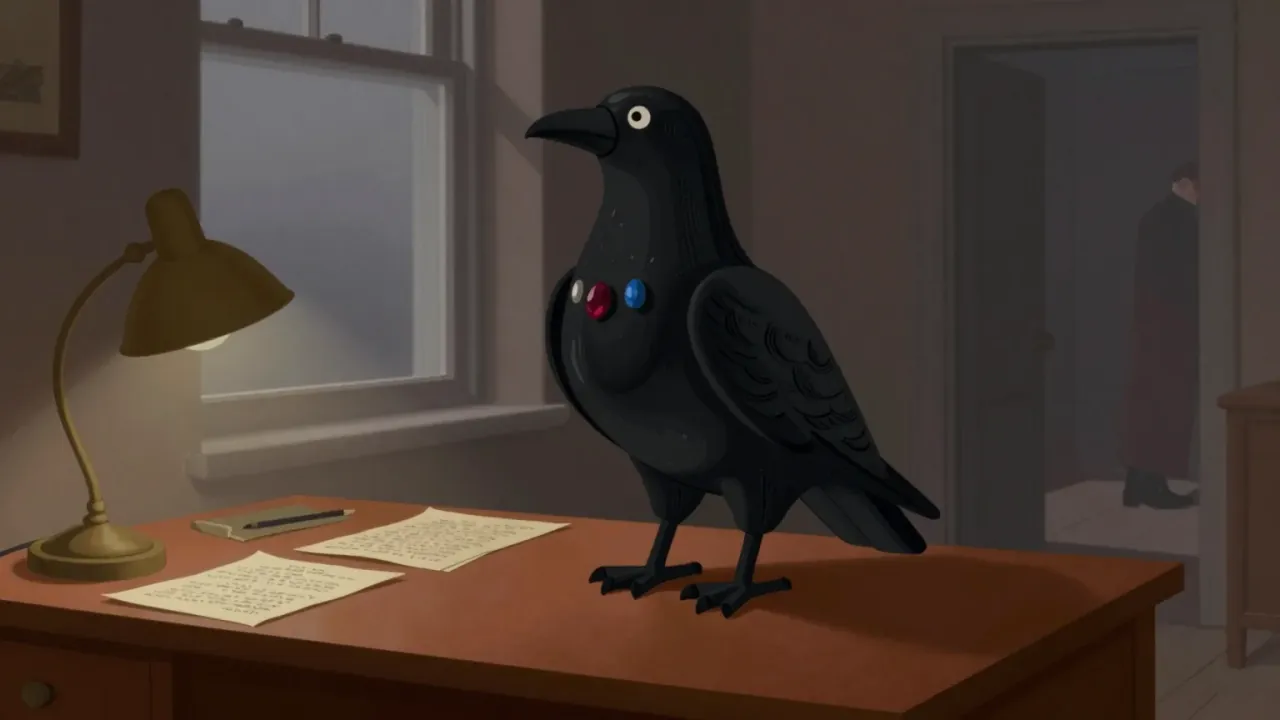
John Huston’s 1941 debut adapts Dashiell Hammett’s novel with surgical fidelity: low-key lighting, unadorned dialogue, and performances that treat deception as craft. Humphrey Bogart’s Sam Spade operates by self-imposed rules, not ethics, and the pursuit of a jewel-encrusted falcon reveals not desire but the architecture of betrayal. Made for $300,000 on the Warner Bros. lot, it endures not as myth but as method — a blueprint for how to build tension without spectacle, and meaning without explanation.