filmbriefs
Producer · 1899–1964

Giuseppe Amato

5
briefs
13:00
average
65 min
in total
On film.briefs5
13:00

Rome, Open City

Roberto Rossellini · 1945

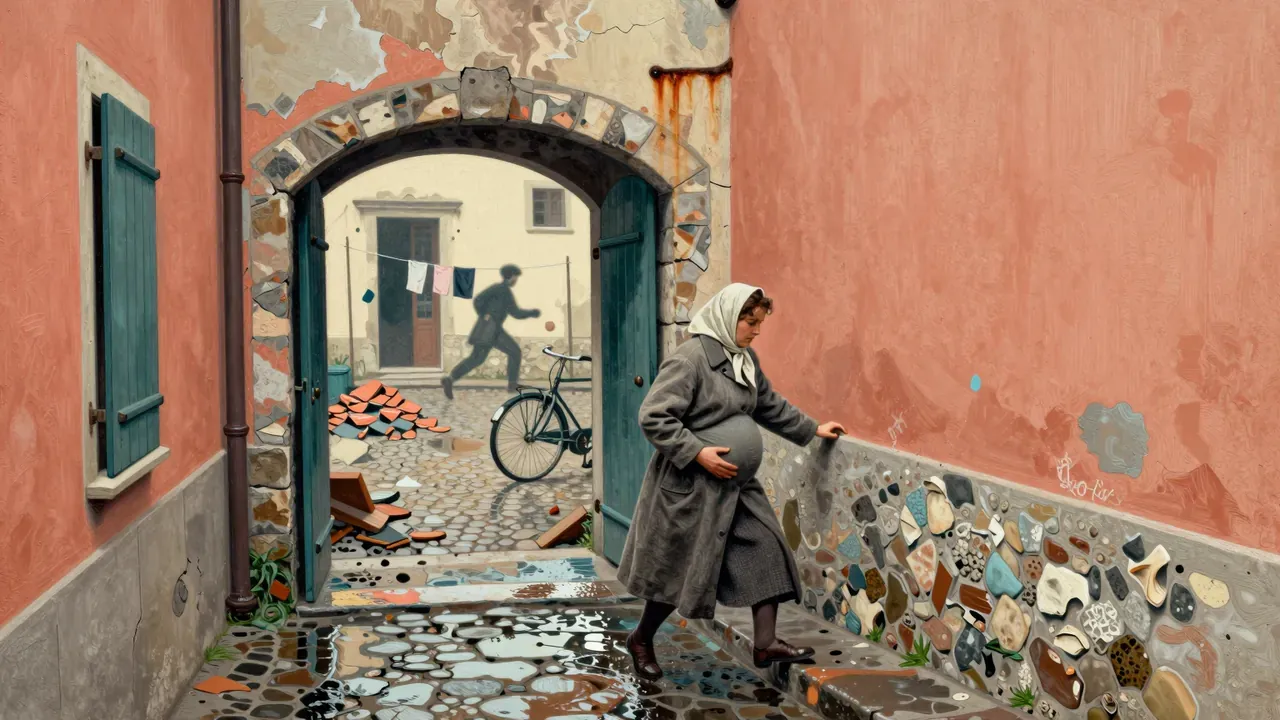
Rome, Open City (1945) is a foundational Italian neorealist war drama directed by Roberto Rossellini, shot in Rome months after Nazi withdrawal using salvaged film stock and largely non-professional performers. Set during the German occupation in 1944, it follows a Resistance fighter, a Catholic priest, and civilians navigating betrayal, sacrifice and moral compromise. Its raw aesthetic—uneven lighting, abrupt edits, sparse score—emerges from material constraint, not stylistic choice. Though structurally uneven and morally uncompromising, it remains essential for its unflinching portrayal of collective endurance under occupation.
13:00

Shoeshine

Vittorio De Sica · 1946

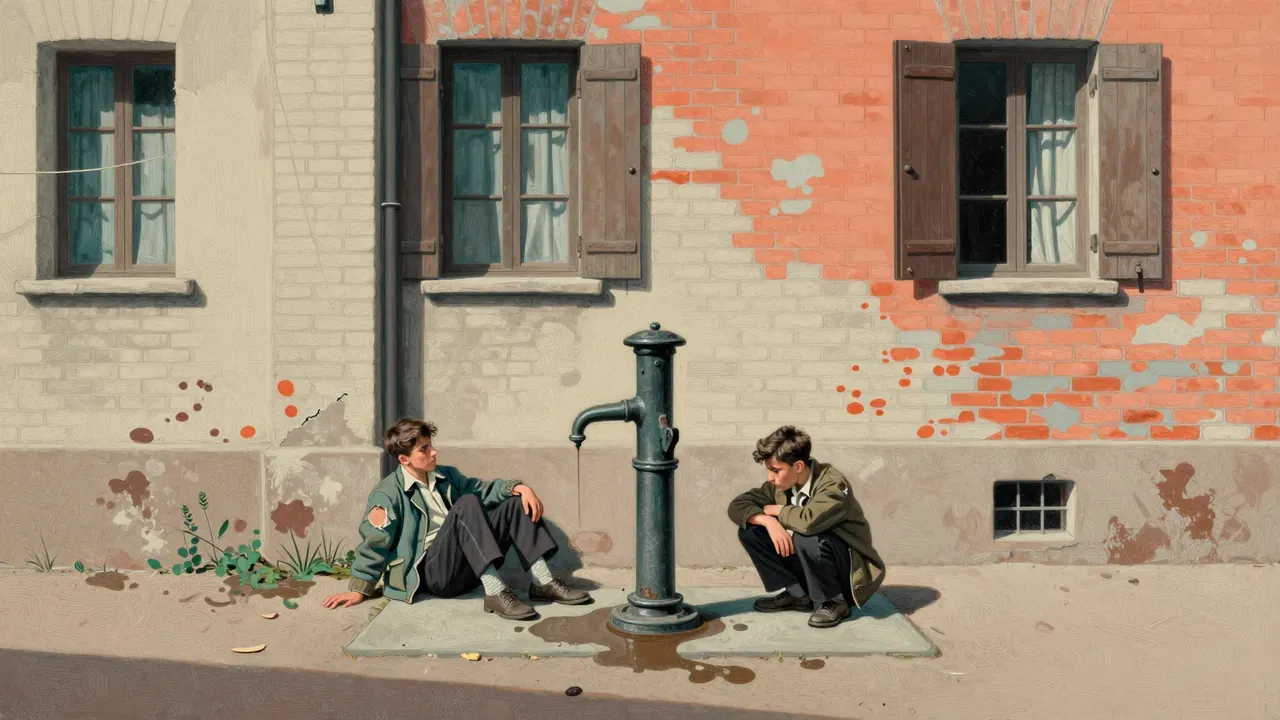
Shoeshine follows two Roman shoeshine boys drawn into a con, arrested, and sent to a juvenile reformatory where their friendship unravels under pressure. Directed by Vittorio De Sica in 1946, it uses non-professional actors, on-location shooting, and a spare, unsentimental script to depict how poverty and institutional failure corrode loyalty between children. Its power lies in restraint: no music swells, no speeches explain, no ending offers solace. It is a foundational work of Italian neorealism and the first film to win the Academy Award for Best International Feature Film.

13:00

Umberto D.

Vittorio De Sica · 1952

A retired Roman civil servant struggles to keep his room, his dignity, and his dog in post-war Italy. Directed by Vittorio De Sica and written by Cesare Zavattini, this 1952 neorealist drama uses non-professional actors, restrained cinematography, and a tightly focused narrative to depict ageing, dependency, and quiet endurance without sentiment or solution.

13:00

Bicycle Thieves

Vittorio De Sica · 1948

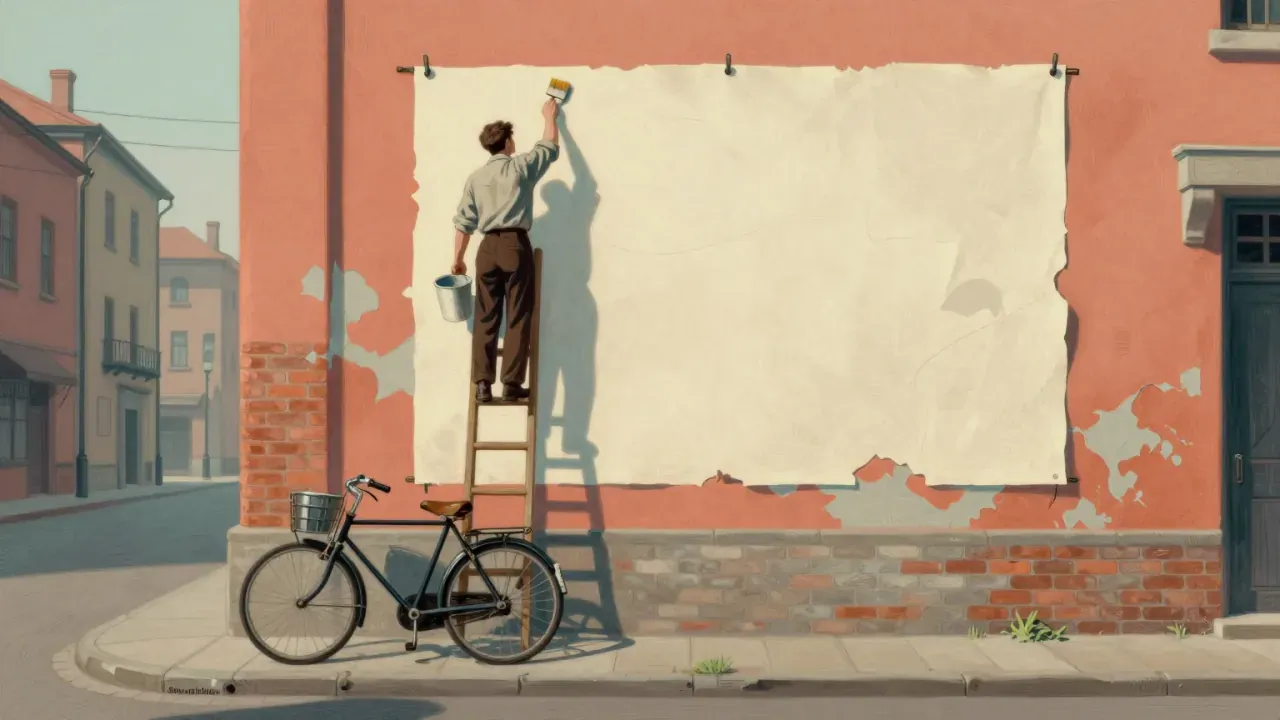
Vittorio De Sica's 1948 film follows Antonio Ricci, newly hired to paste up film posters across postwar Rome, whose bicycle, pawned to buy back for the job, is stolen within hours of his first shift. He and his young son Bruno spend the rest of the film combing the city's markets and streets for it, with almost no professional actors in the cast and much of it shot on location. Made for around $133,000, it won an honorary Academy Award before the foreign-language category existed and has been cited since as one of the clearest statements of Italian neorealism.

13:00

La Dolce Vita

Federico Fellini · 1960

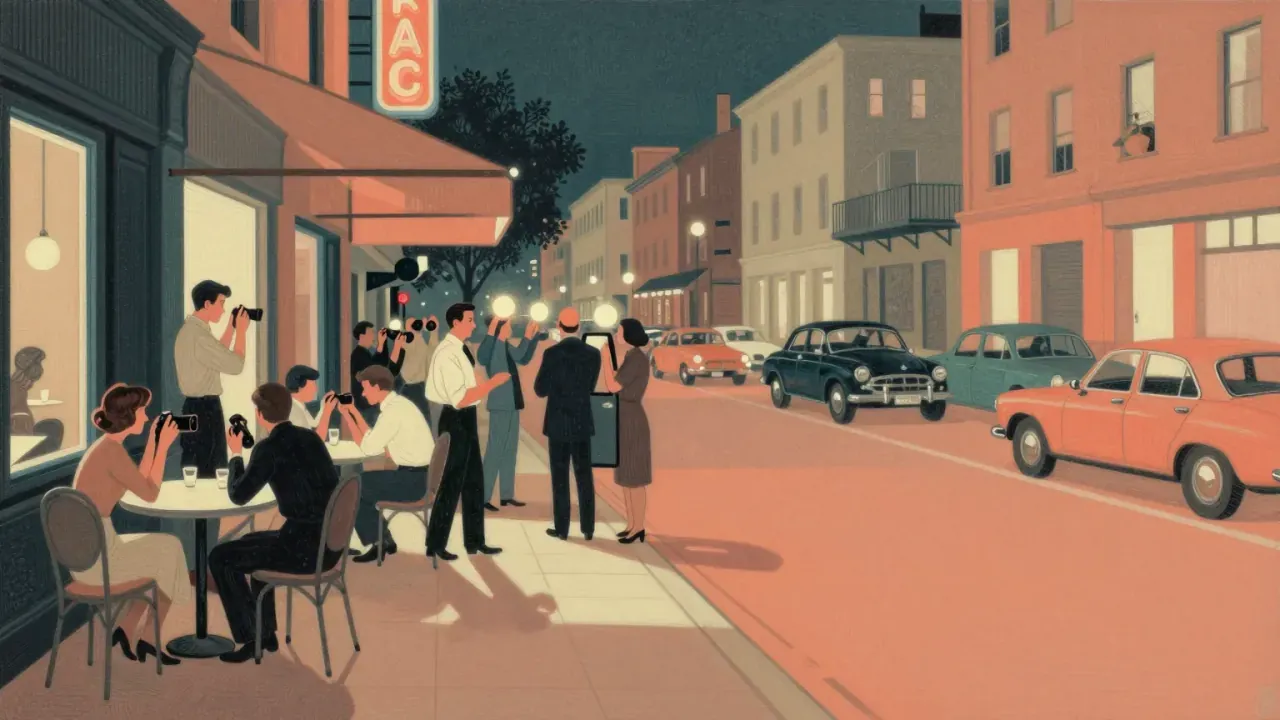
Federico Fellini's 1960 portrait of a tabloid journalist drifting through Rome's high society over a week of nights gave the world the word paparazzi and became both a critical landmark and a box-office hit despite censors in several countries. Marcello Mastroianni anchors an episodic structure built around parties, a starlet's arrival, and a friend's unexplained despair, shot largely at Cinecittà on Piero Gherardi's elaborate sets.