filmbriefs
Composer · 1906–1968

Giovanni Fusco

5
briefs
13:00
average
65 min
in total
On film.briefs5
13:00

Le Amiche

Michelangelo Antonioni · 1955

Michelangelo Antonioni’s 1955 drama follows Clelia, a Rome-based fashion executive returning to Turin, where she becomes entangled with a circle of upper-class women — including the fragile Rosetta, whose suicide attempt sets in motion a series of restrained, unresolved encounters. Shot on location in Turin by Gianni Di Venanzo and adapted from Cesare Pavese’s novella, the film observes emotional distance, class performance, and the hollowness beneath social ritual — all without exposition, climax, or catharsis.
13:00

The Confession

Costa-Gavras · 1970

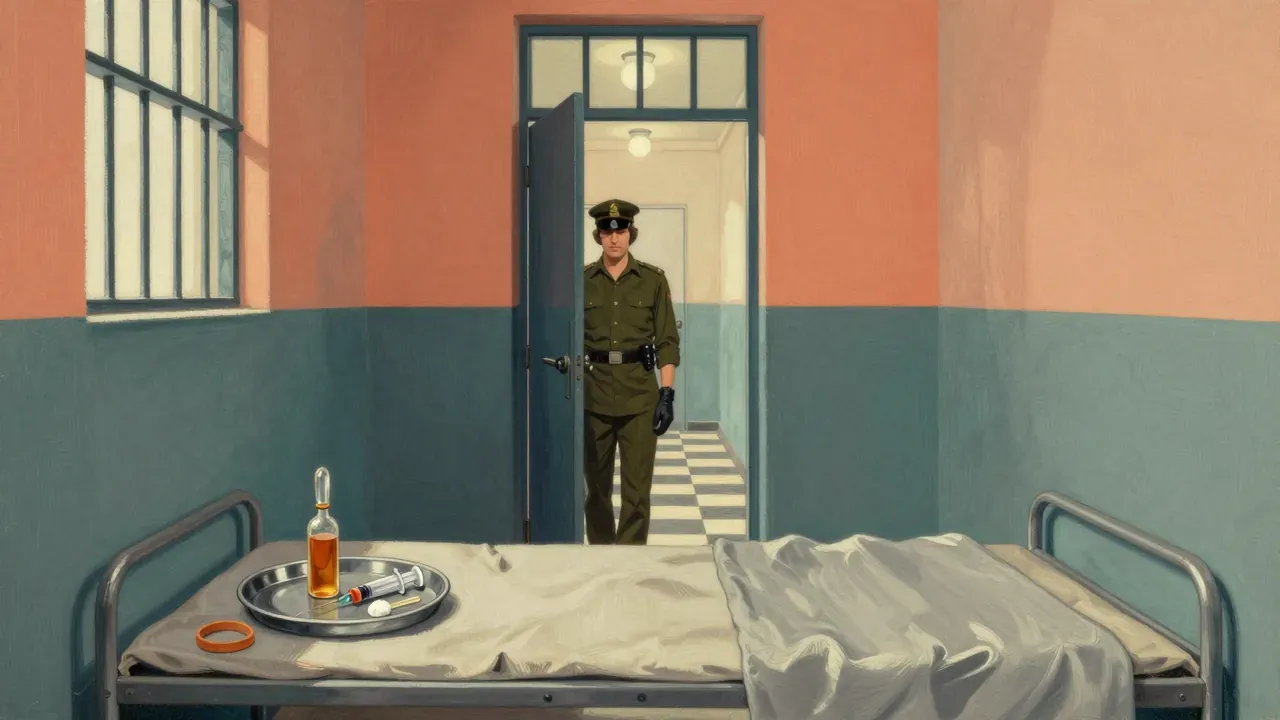
Costa-Gavras’s 1970 film The Confession adapts Artur London’s memoir of imprisonment and coerced confession during the 1952 Slánský trial in Prague. Starring Yves Montand and Simone Signoret, it traces the systematic dismantling of a loyal communist official—not through brutality, but through isolation, sleep deprivation, scripted rehearsals, and bureaucratic theatre. Shot in northern France with Raoul Coutard’s restrained cinematography and edited with deliberate duration, it avoids melodrama in favour of procedural realism. Though its final act falters in integration, and its density tests attention, it remains a rigorous, unsentimental study of how power hollows out personhood from within.

13:00

Eclipse

Michelangelo Antonioni · 1962

Michelangelo Antonioni’s 1962 film Eclipse follows Vittoria, a young translator in Rome, as she moves through relationships, family, and the city’s modern architecture without ever anchoring herself emotionally or narratively. Shot by Gianni Di Venanzo and scored by Giovanni Fusco, it is the final part of Antonioni’s existential trilogy, notable for its radical ellipses, its unbending pace, and its famously wordless final sequence.

13:00

L'Avventura

Michelangelo Antonioni · 1960

Michelangelo Antonioni’s 1960 drama L'Avventura follows the aftermath of a woman’s disappearance during a Mediterranean yachting trip. Rather than pursuing mystery or motive, it lingers in the emotional drift of those left behind — particularly Sandro and Claudia — using long takes, austere compositions, and restrained performances to explore alienation, moral inertia, and the quiet collapse of shared meaning. Shot on location across Sicily and the Aeolian Islands under difficult conditions, it marked a turning point in arthouse cinema and remains a benchmark for formal rigour and emotional precision.

13:00

Red Desert

Michelangelo Antonioni · 1964

Michelangelo Antonioni’s 1964 colour debut follows Giuliana, a woman adrift in the industrial landscape of post-war Ravenna. Shot by Carlo Di Palma and starring Monica Vitti, it renders her disorientation not through exposition but through manipulated hues, flattened perspectives and layered industrial sound. A Golden Lion winner, it resists diagnosis, preferring to make perception itself the subject.