filmbriefs
Saved
Studio

Gainsborough Pictures

6
briefs
13:00
average
78 min
in total
On film.briefs6
13:00

Madonna of the Seven Moons

Arthur Crabtree, Roland Pertwee, Margery Lawrence · 1945

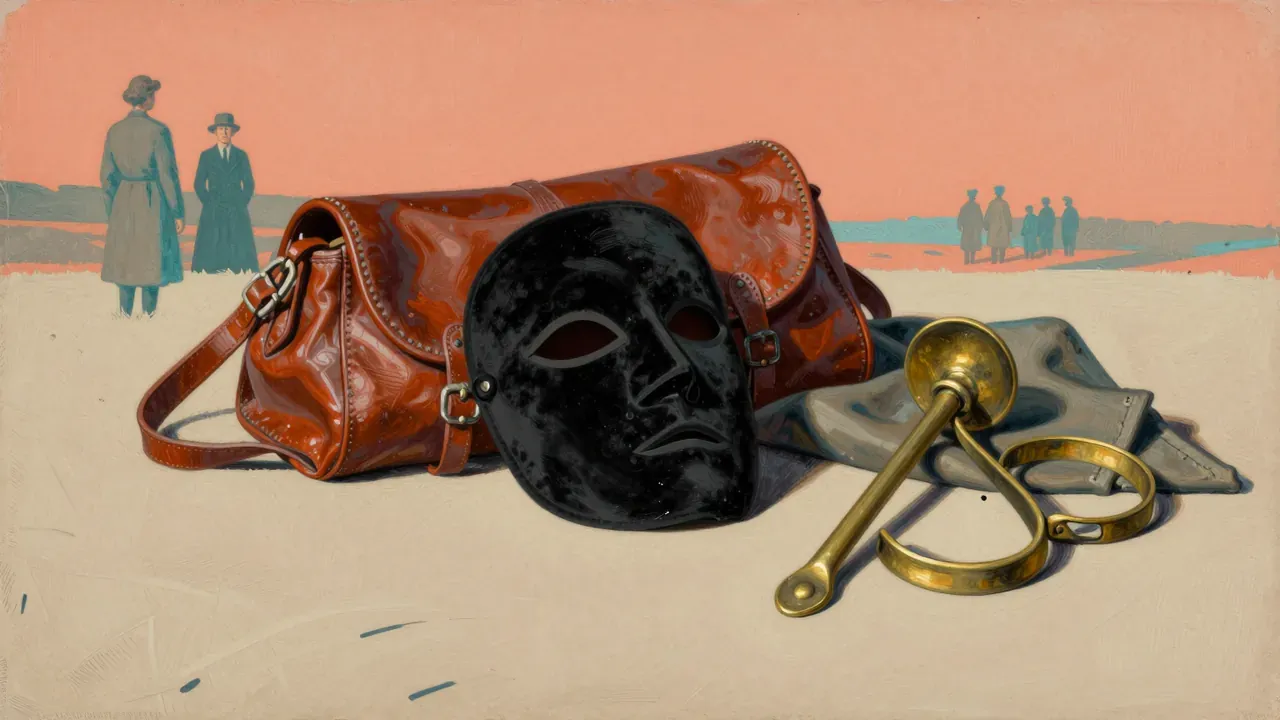
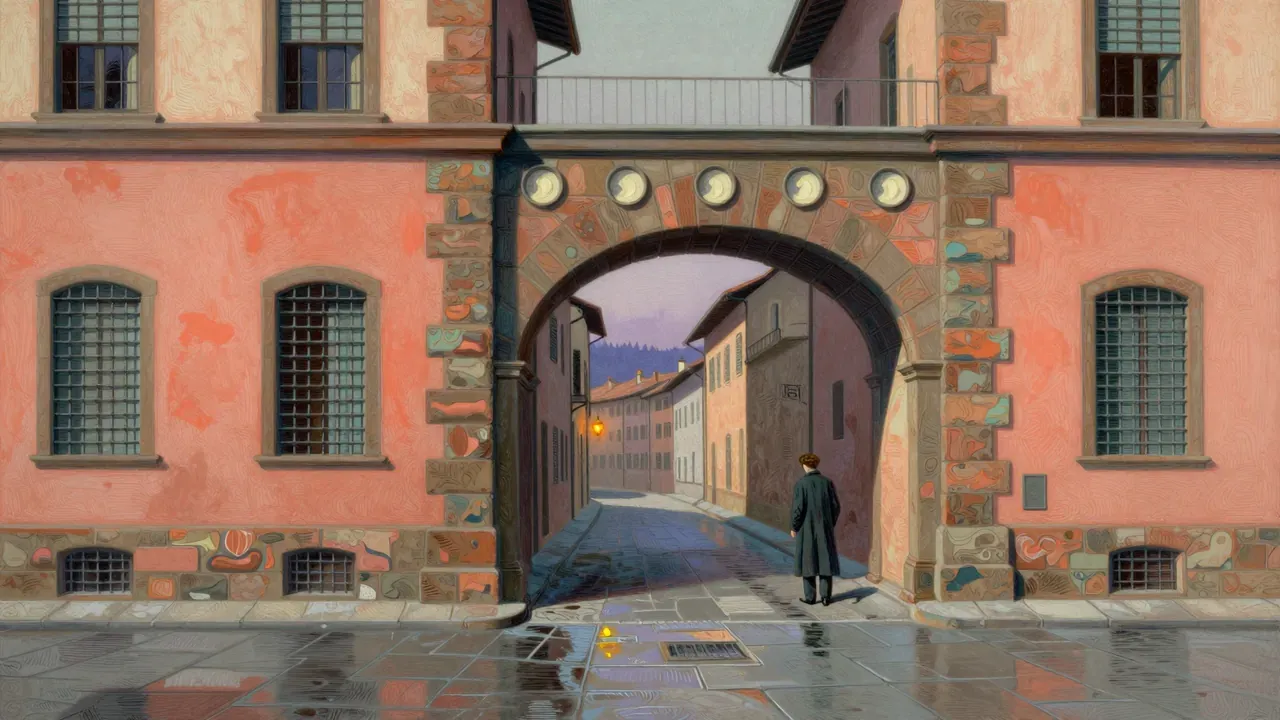
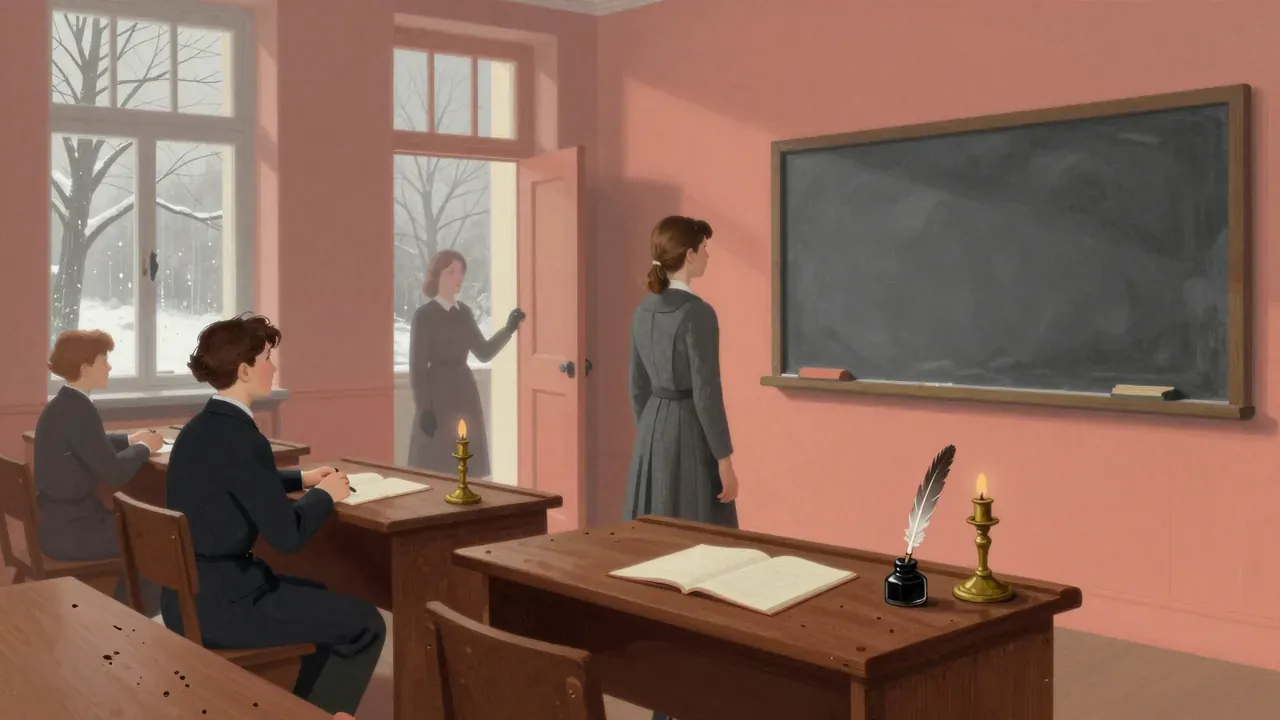
Madonna of the Seven Moons (1945) is a Gainsborough Pictures drama starring Phyllis Calvert as Maddalena Labardi, a woman whose childhood trauma manifests as a second personality. Set across three decades in Italy, it uses stark visual contrasts, controlled performances, and a tightly wound script to enact — not explain — dissociation. Jack E. Cox’s cinematography and Hans May’s score reinforce its rhythmic, ceremonial structure. Though dated in its psychology and reductive in its portrayal of marginal figures, it remains a lucid, self-contained example of British studio melodrama at its most assured.
13:00

The Lady Vanishes

Alfred Hitchcock · 1938

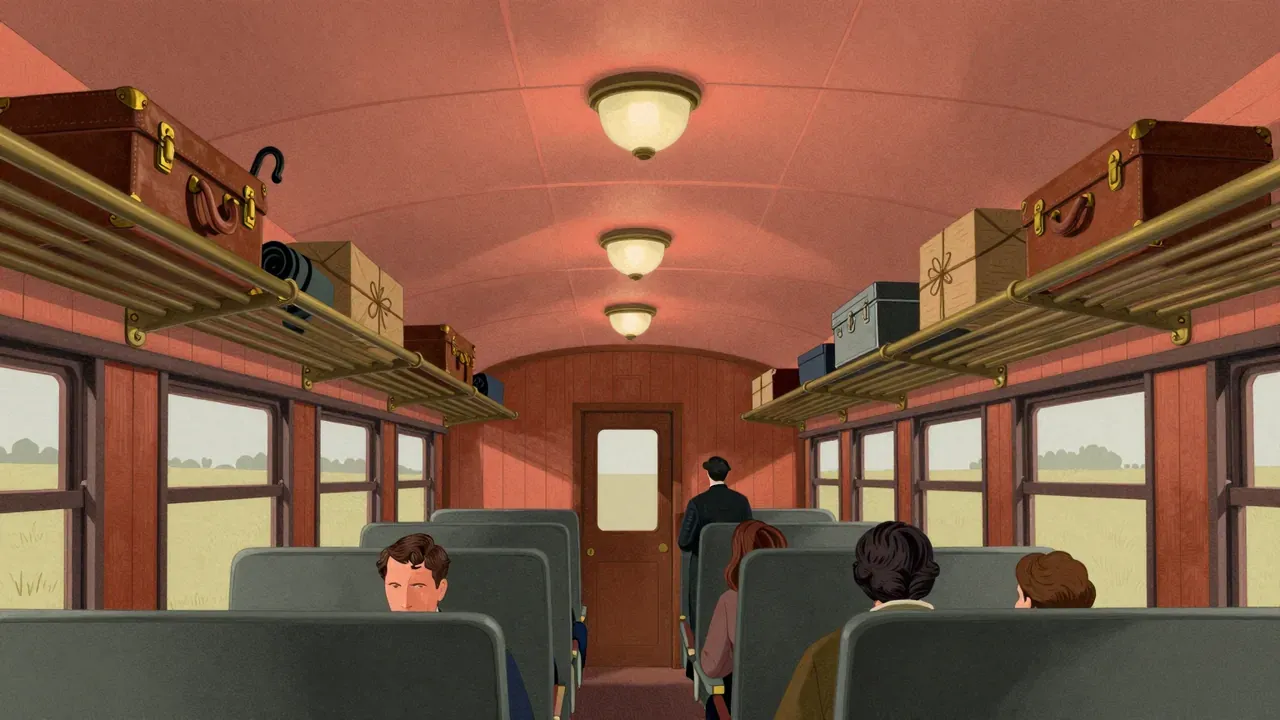
Alfred Hitchcock’s 1938 *The Lady Vanishes* follows a young woman who discovers her fellow passenger has vanished — and that no one else remembers her. Set aboard a train crossing a fictional Balkan country, the film uses wit, tight plotting and psychological precision to explore trust, testimony and the fragility of shared reality. Produced by Edward Black for Gainsborough Pictures, it remains a benchmark of British suspense.

13:00

The Man in Grey

Leslie Arliss · 1943

The Man in Grey (1943), directed by Leslie Arliss for Gainsborough Pictures, is a dual-timeline period drama adapting Eleanor Smith’s novel. In 1943 London, a Wren and an RAF pilot visit an auction; the event triggers a flashback to the early 1800s, where Clarissa Rohan’s loyalty to the ambitious, bitter Hesther Shaw sets in motion a chain of betrayal, coercion, and vengeance. Margaret Lockwood, James Mason, Phyllis Calvert, and Stewart Granger lead a cast defined by stark moral contrasts, supported by Arthur Crabtree’s expressive cinematography and a tightly wound studio aesthetic. It inaugurated the Gainsborough melodramas — escapist, emotionally direct, and formally assured.

13:00

The Wicked Lady

Leslie Arliss · 1945

The Wicked Lady (1945) is a Gainsborough Pictures swashbuckler starring Margaret Lockwood as a bored noblewoman who becomes a highway robber. Directed and written by Leslie Arliss, it adapts Magdalen King-Hall’s novel into a tightly paced moral fable, where transgression is glamorous, consequence inevitable, and redemption absent. Shot at Gainsborough Studios and Blickling Hall, it relies on Jack E. Cox’s high-contrast cinematography, Terence Fisher’s brisk editing, and Hans May’s ironic score. Though criticised for thin supporting characters and abrupt plot turns, its enduring power lies in Lockwood’s commanding, physically assured performance and its unwavering commitment to its own logic.

13:00

Man of Aran

Robert J. Flaherty · 1934

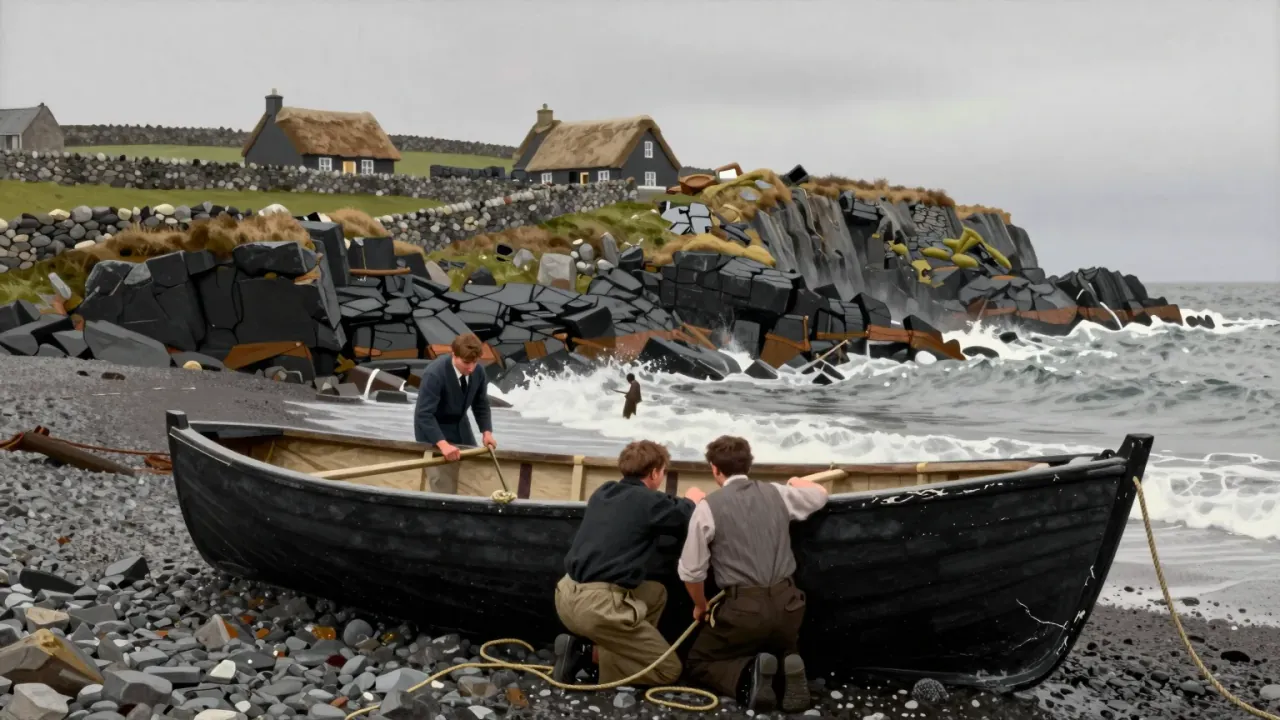
Robert J. Flaherty’s 1934 documentary Man of Aran stages life on Ireland’s Aran Islands as a timeless struggle against sea and stone. Though marketed as ethnography, it fabricates customs — notably basking shark hunting — and assembles non-related islanders as a symbolic family. Shot silently with radical long-lens cinematography and edited for rhythmic intensity, it prioritises visual myth over social reality. Its enduring power lies in formal discipline, not fidelity.

13:00

The Lodger: A Story of the London Fog

Alfred Hitchcock · 1927

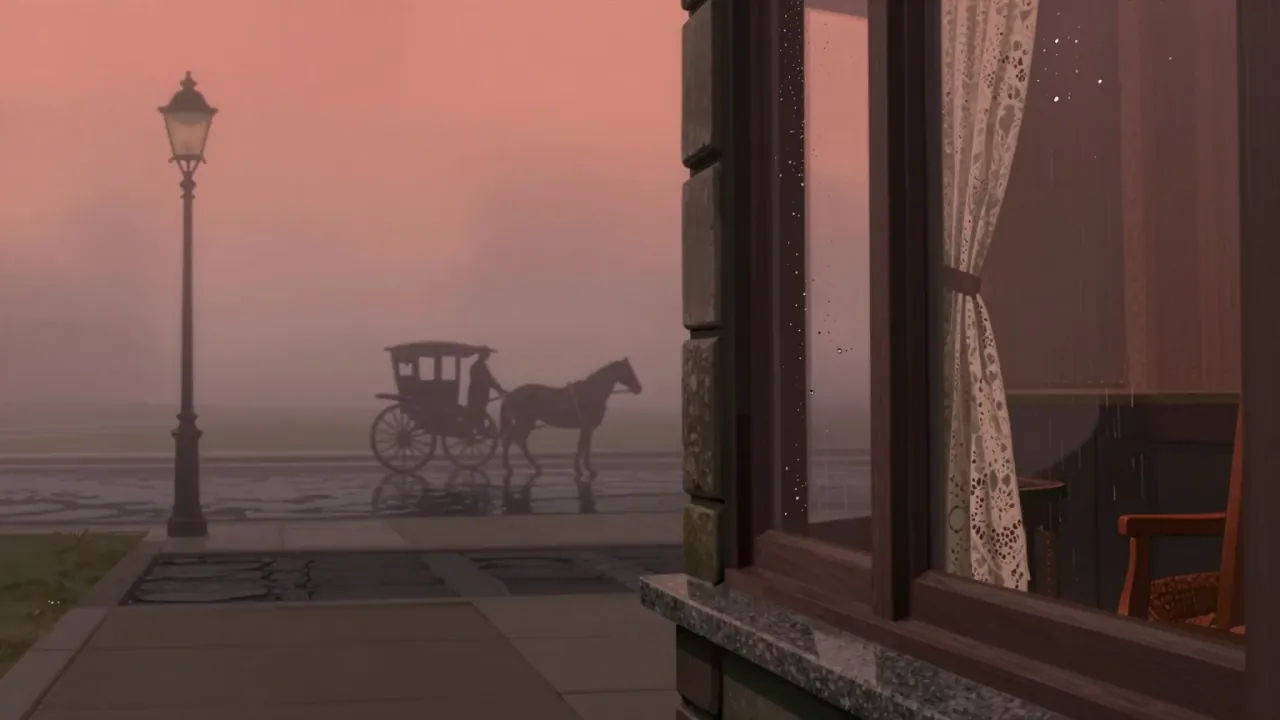
Alfred Hitchcock’s 1927 silent thriller *The Lodger* follows a London family renting a room to a mysterious man amid a string of blonde-victim murders. Using expressionist lighting, inventive camera angles, and minimal intertitles, it constructs suspense through space, sound (implied), and collective anxiety — establishing Hitchcock’s lifelong preoccupations with guilt, perception, and mob logic.