filmbriefs
Actor · 1957

Frances McDormand

8
briefs
13:00
average
104 min
in total
On film.briefs8
13:00

Lone Star

John Sayles · 1996

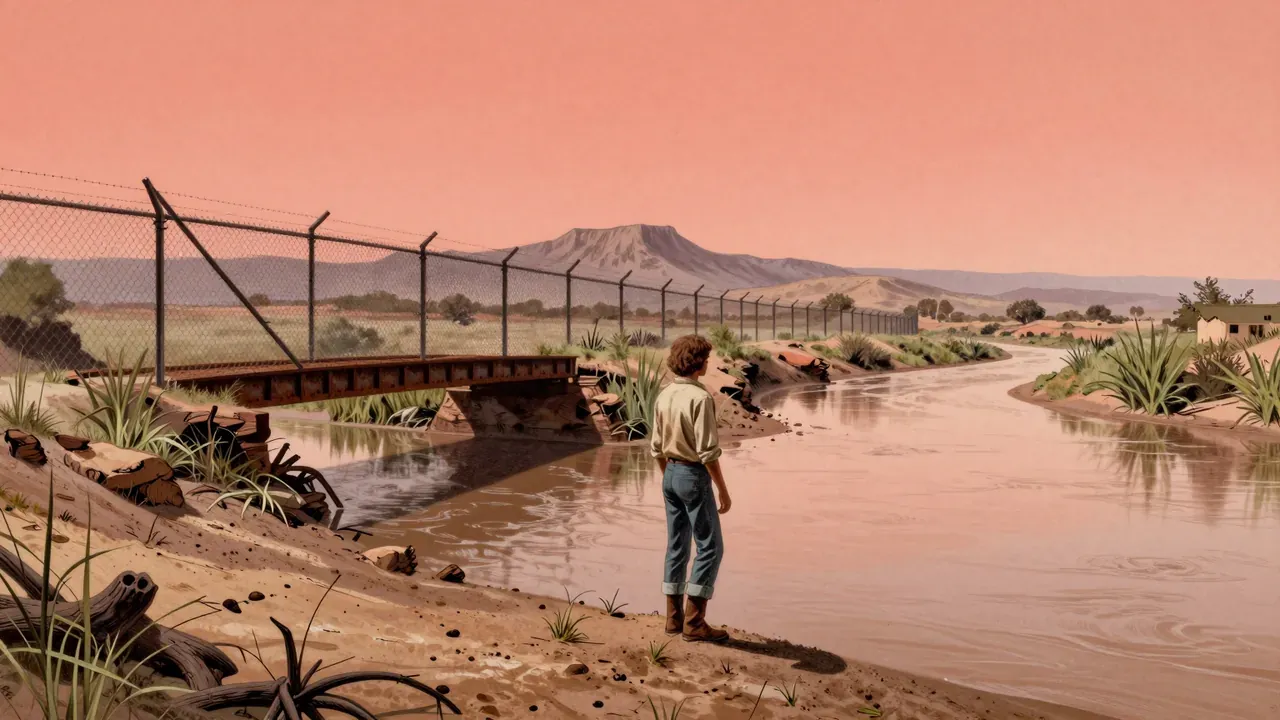
Set in a South Texas border town, Lone Star follows Sheriff Sam Deeds as he investigates the decades-old murder of his corrupt predecessor — and uncovers uncomfortable truths about his revered father, his estranged lover, and the town’s foundational myths. Written, directed and edited by John Sayles, the film layers past and present through seamless camera movements, treating crime not as genre but as entry point into questions of race, memory, and inherited guilt.
13:00

Moonrise Kingdom

Wes Anderson · 2012

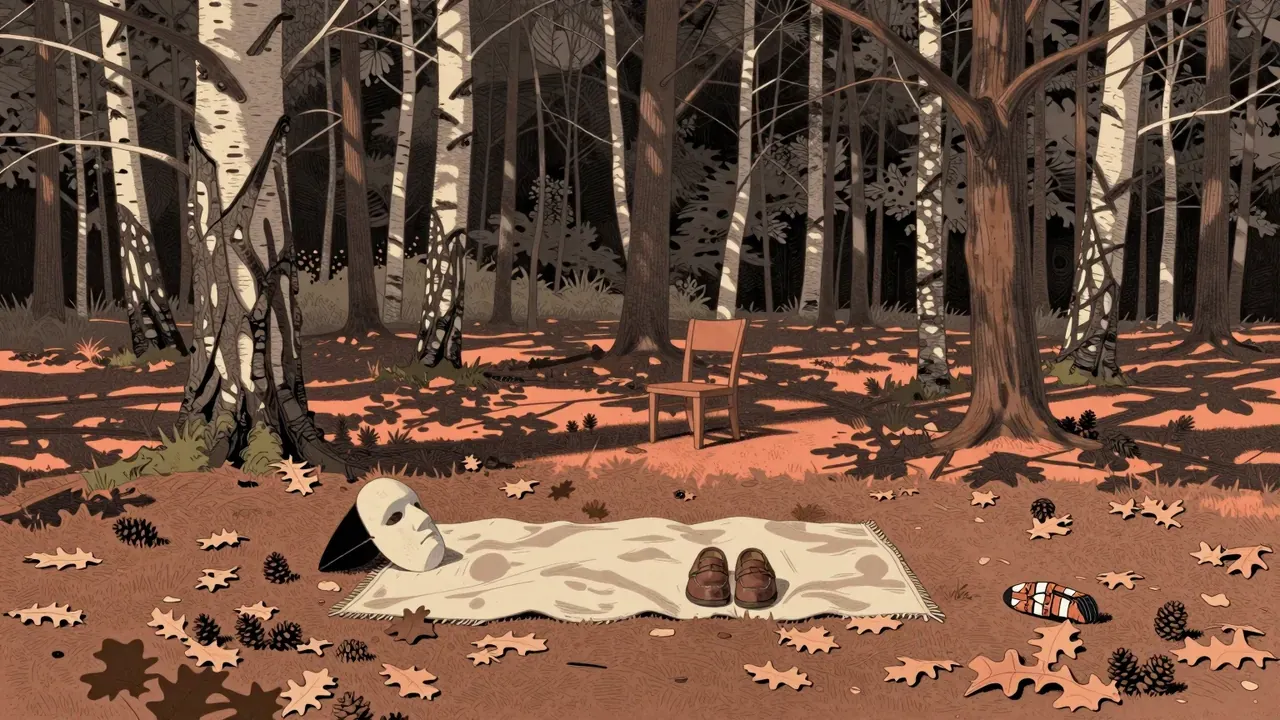
Set on a fictional New England island in 1965, Moonrise Kingdom follows twelve-year-olds Sam and Suzy as they flee their respective constraints — a scout camp and a fractured home — to build a temporary life on an isolated beach. Adults mobilise in response: scouts, police, parents, social workers. Wes Anderson and Roman Coppola shape the story as a self-contained emotional system, where visual symmetry, period detail, and musical counterpoint replace conventional narrative drive. Robert Yeoman’s Super 16mm cinematography, Alexandre Desplat’s score, and performances by Jared Gilman, Kara Hayward, Edward Norton, Bill Murray, and Frances McDormand sustain a tone both tender and exacting.

13:00

The French Dispatch

Wes Anderson · 2021

Wes Anderson’s 2021 anthology film presents the final issue of a fictional American newspaper’s Paris bureau as a series of formally exact, stylistically distinct journalistic features. Shot in 1.37:1 on 35 mm in Angoulême, it honours mid-century magazine aesthetics, French New Wave syntax, and the physical texture of print — treating journalism as craft, not just content.

13:00

Blood Simple

Joel Coen, Ethan Coen · 1984

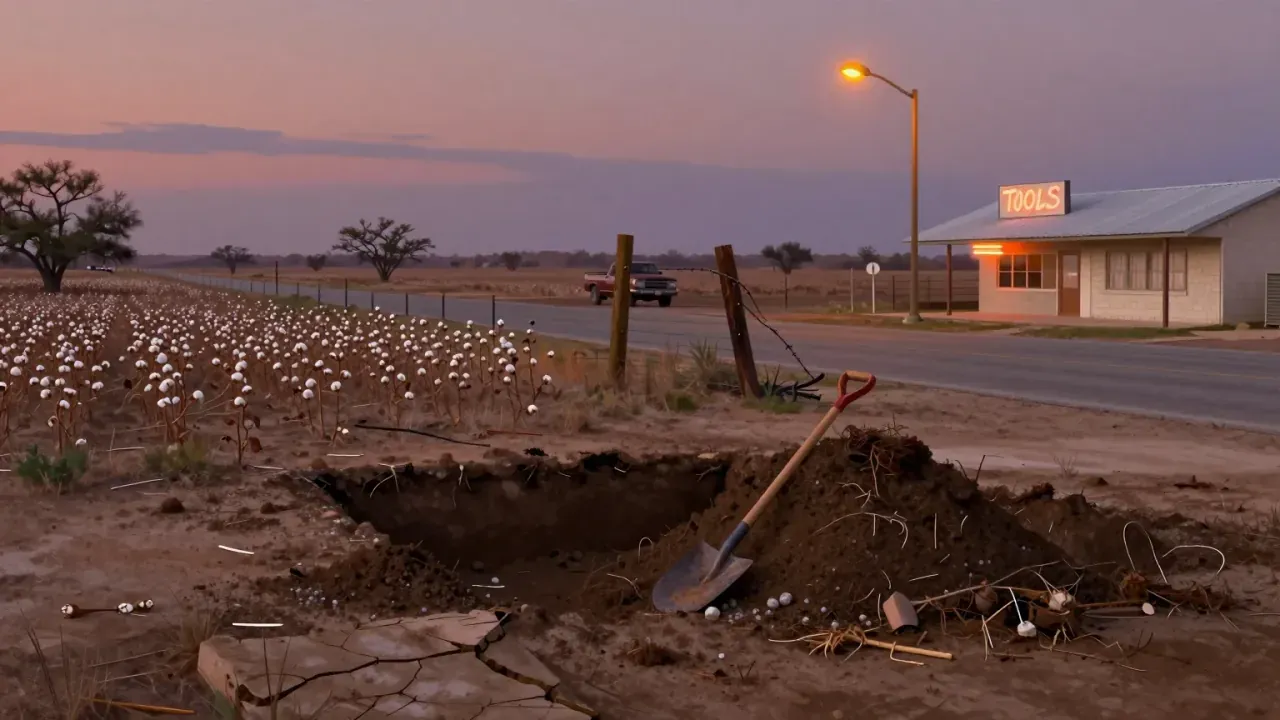
Blood Simple is the Coen brothers’ 1984 crime debut: a Texas bartender and his boss’s wife conspire, then unravel, under the scrutiny of a corrupt private detective. Shot in Austin on a $1.5 million budget, it uses precise cinematography, sparse music, and rigorous editing to trace how small mistakes compound into irreversible consequences. It won Sundance’s Grand Jury Prize and remains a landmark of neo-noir austerity.

13:00

Fargo

Joel Coen, Ethan Coen · 1996

Fargo (1996) is a black comedy crime film written and directed by Joel and Ethan Coen. Set in Minnesota during a harsh winter, it follows a bungled kidnapping scheme orchestrated by car salesman Jerry Lundegaard, and the subsequent investigation led by pregnant police chief Marge Gunderson. Shot by Roger Deakins and scored by Carter Burwell, the film balances deadpan humour with sudden violence, sustained by precise dialogue, regional dialect coaching and an unblinking visual style. Though framed as 'based on a true story', it is entirely fictional — a fable about incompetence, complicity and quiet integrity.

13:00

Hail, Caesar!

Ethan Coen, Joel Coen · 2016

Hail, Caesar! (2016) is a Coen brothers comedy set in 1951 Hollywood, following studio fixer Eddie Mannix (Josh Brolin) as he manages crises across five concurrent film productions. Shot on film by Roger Deakins and costumed with meticulous period detail, it treats the studio system as a functioning bureaucracy — not a golden age to mourn, but a machine to map. Its strength lies in structural fidelity, not character depth.

13:00

Raising Arizona

Joel Coen, Ethan Coen · 1987

A 1987 Coen brothers comedy starring Nicolas Cage and Holly Hunter as an ex-con and ex-cop who kidnap a baby to start a family. Shot in Arizona with Barry Sonnenfeld’s vivid cinematography and Carter Burwell’s folk-inflected score, it balances surreal farce with emotional sincerity. Though divisive on release, it has since become a cult classic praised for its originality, dialogue, and tonal audacity.

13:00

The Man Who Wasn't There

Joel Coen · 2001

Set in 1949 California, The Man Who Wasn’t There follows barber Ed Crane as he stumbles into crime, not from greed or passion, but from a quiet, accumulating sense of irrelevance. Shot in black-and-white by Roger Deakins and narrated with detached precision by Billy Bob Thornton, the film reworks noir conventions into an existential parable about postwar uncertainty, determinism, and the illusion of control. Its themes — drawn from Camus, Heisenberg, and James M. Cain — land through restraint, not exposition.