filmbriefs
Screenwriter · Director · Producer · Actor · 1902–1988

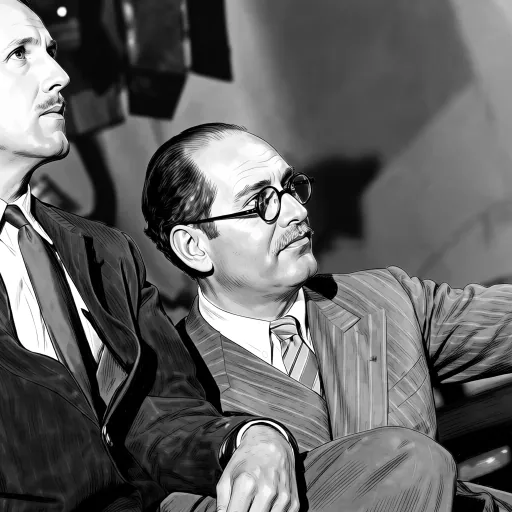
Emeric Pressburger

9
briefs
13:00
average
117 min
in total
On film.briefs9
13:00

49th Parallel

Michael Powell · 1941

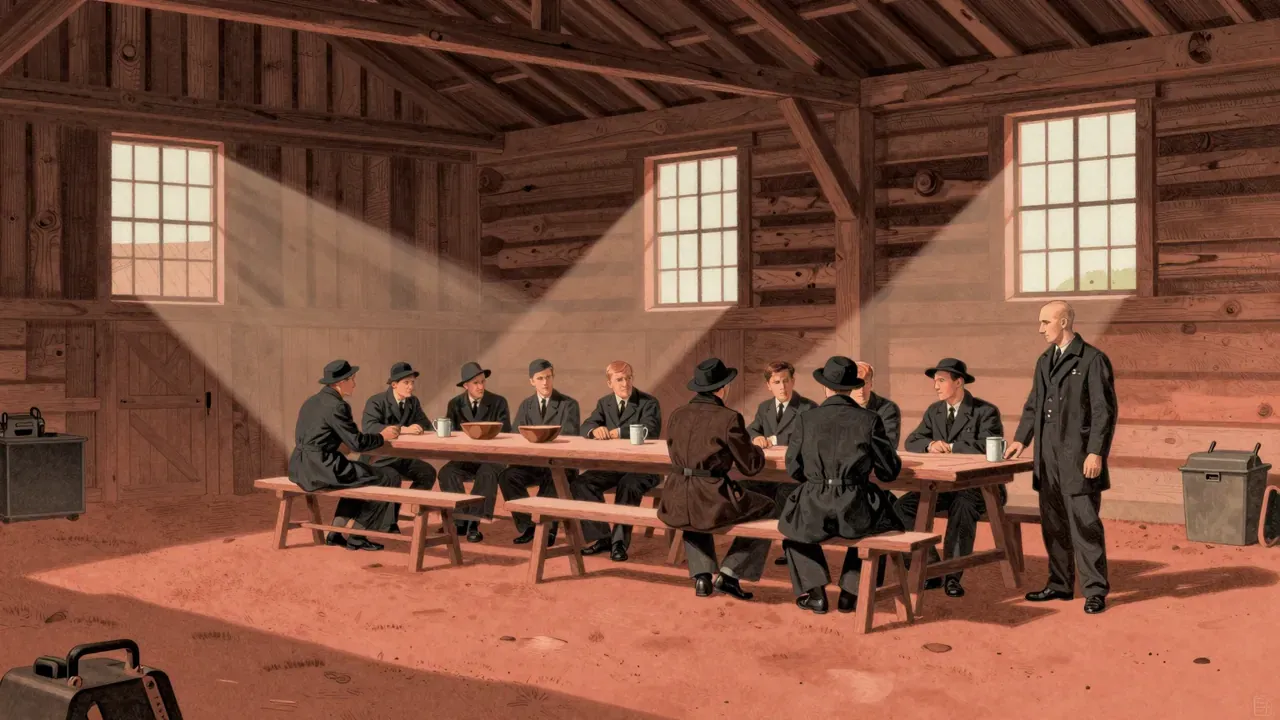
49th Parallel (1941), directed by Michael Powell and written by Emeric Pressburger, follows six German sailors stranded in Canada after their U-boat is destroyed. As they attempt to cross into neutral America, each encounter — with Inuit hunters, Hutterite farmers, a bohemian writer, and a disillusioned soldier — exposes the limits of Nazi ideology. Shot across Canada and at Denham Studios, with music by Ralph Vaughan Williams and editing by David Lean, it is a morally precise, formally restrained war drama that argues through confrontation, not combat.
13:00

A Canterbury Tale

Michael Powell, Emeric Pressburger · 1944

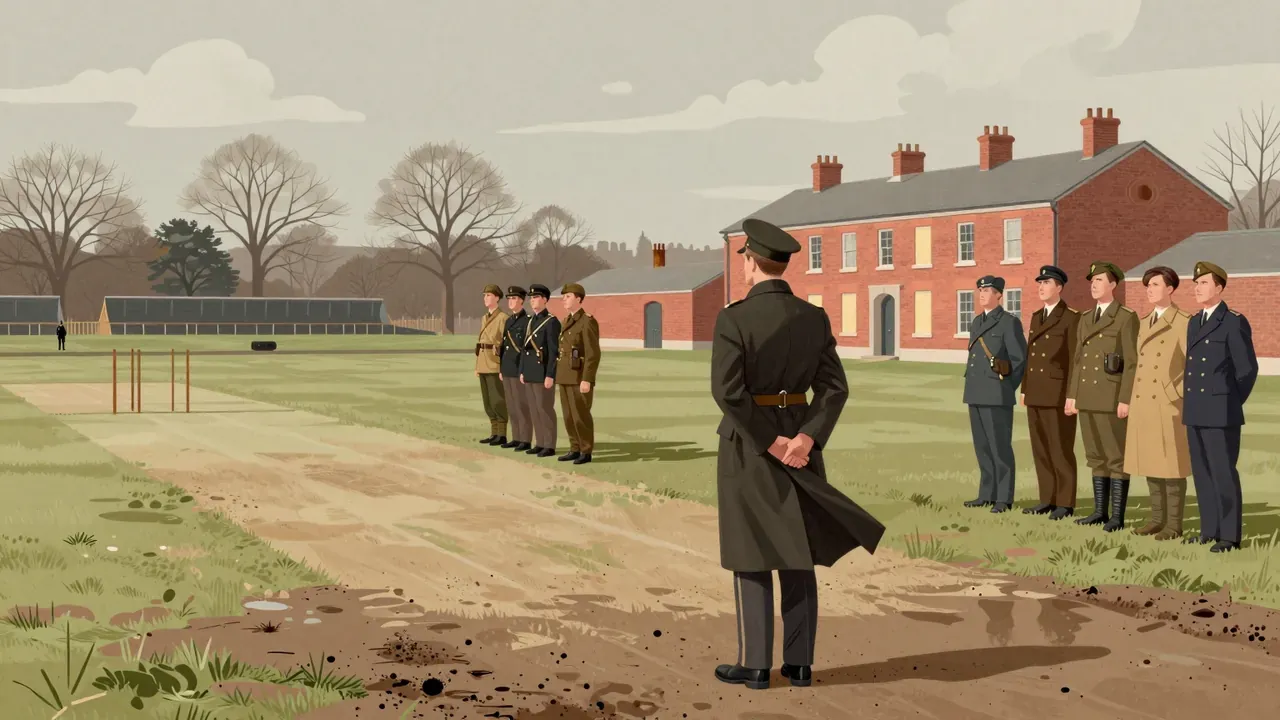
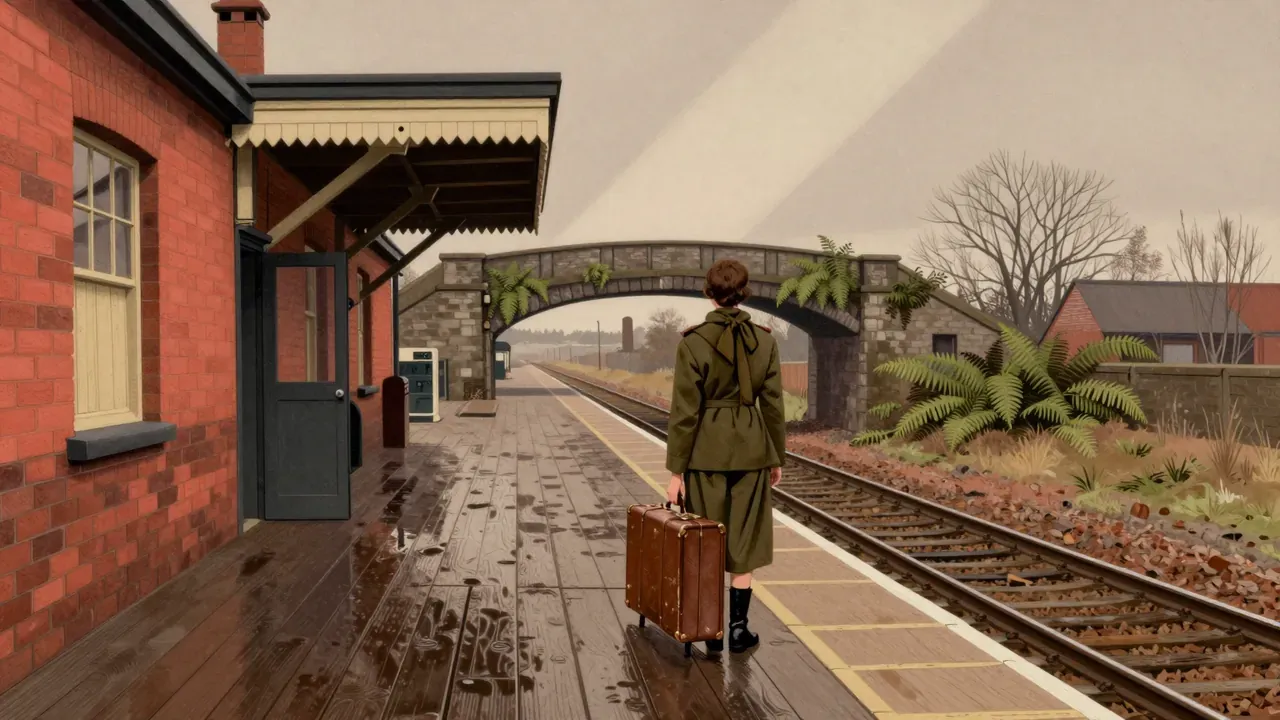
A Canterbury Tale (1944) follows three strangers — a Land Girl, a British soldier and an American GI — who converge in a Kent village during WWII and investigate a local 'glue man' mystery. Directed by Powell and Pressburger, it uses Chaucer’s pilgrimage framework to explore English identity, wartime community and the weight of place, all filmed on location amid real bomb sites and rural villages. Its power lies in restraint: in Erwin Hillier’s understated cinematography, in performances that avoid theatrics, and in a story that values observation over explanation.

13:00

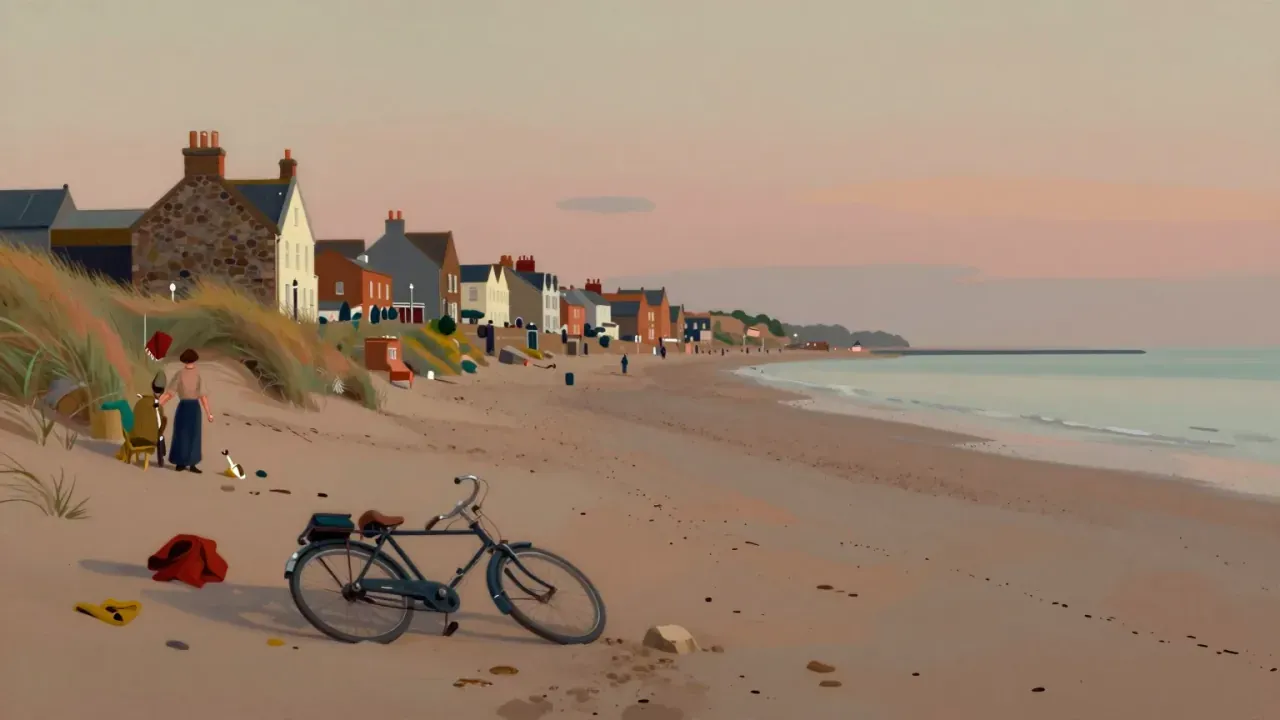
I Know Where I'm Going!

Michael Powell, Emeric Pressburger · 1945

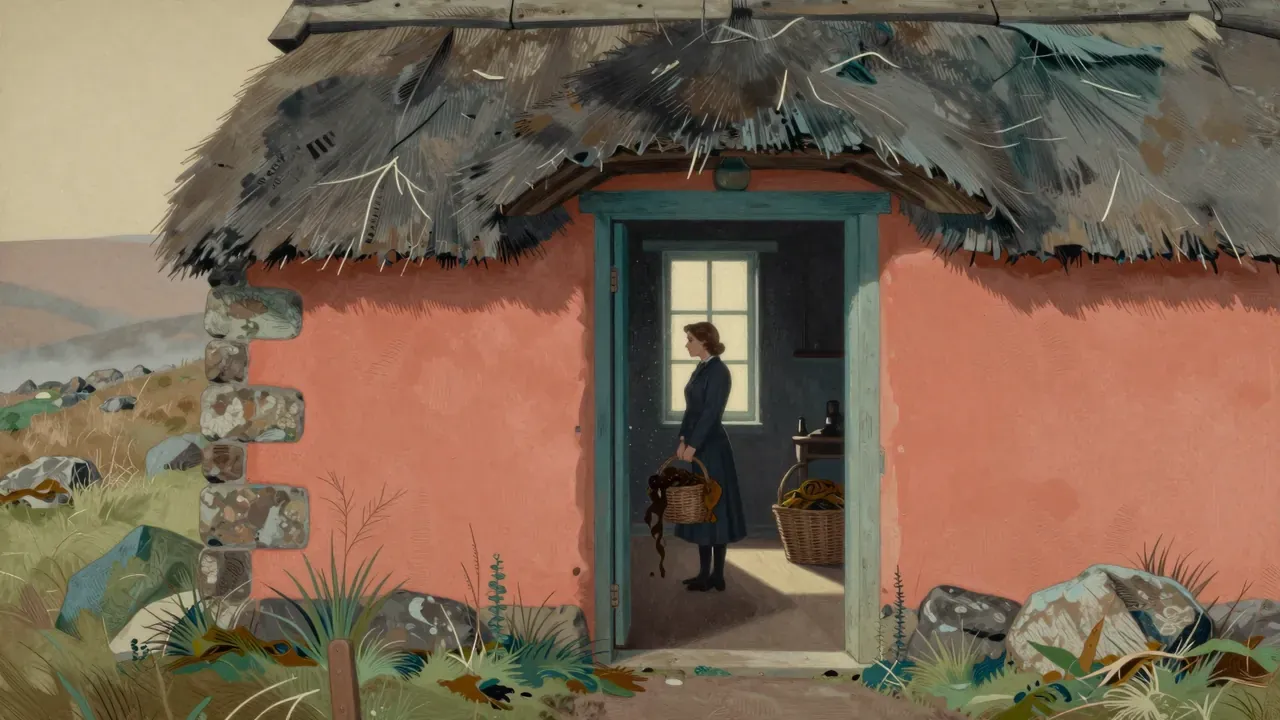
Made in 1945 by Powell and Pressburger, I Know Where I'm Going! follows Joan Webster, a determined Englishwoman whose plans to marry a wealthy industrialist on a Hebridean island are stalled by gales and community. Stuck on Mull, she meets Torquil MacNeil and begins to question the life she assumed was fixed. Shot on location and at Denham Studios, with Erwin Hillier’s restrained cinematography and Allan Gray’s folk-inflected score, the film is a precisely engineered argument against instrumental thinking — where place, time and tradition act not as scenery but as quiet, persistent agents of change.

13:00

The Life and Death of Colonel Blimp

Michael Powell, Emeric Pressburger · 1943

A British Home Guard general is captured during a training exercise, triggering a decades-spanning flashback that charts his evolution from Boer War hero to wartime relic. Directed by Powell and Pressburger in 1943, it uses Technicolor, layered performance and deliberate pacing to examine honour, time and institutional inertia — not as abstractions, but as lived, embodied conditions.

13:00

The Small Back Room

Michael Powell, Emeric Pressburger · 1949

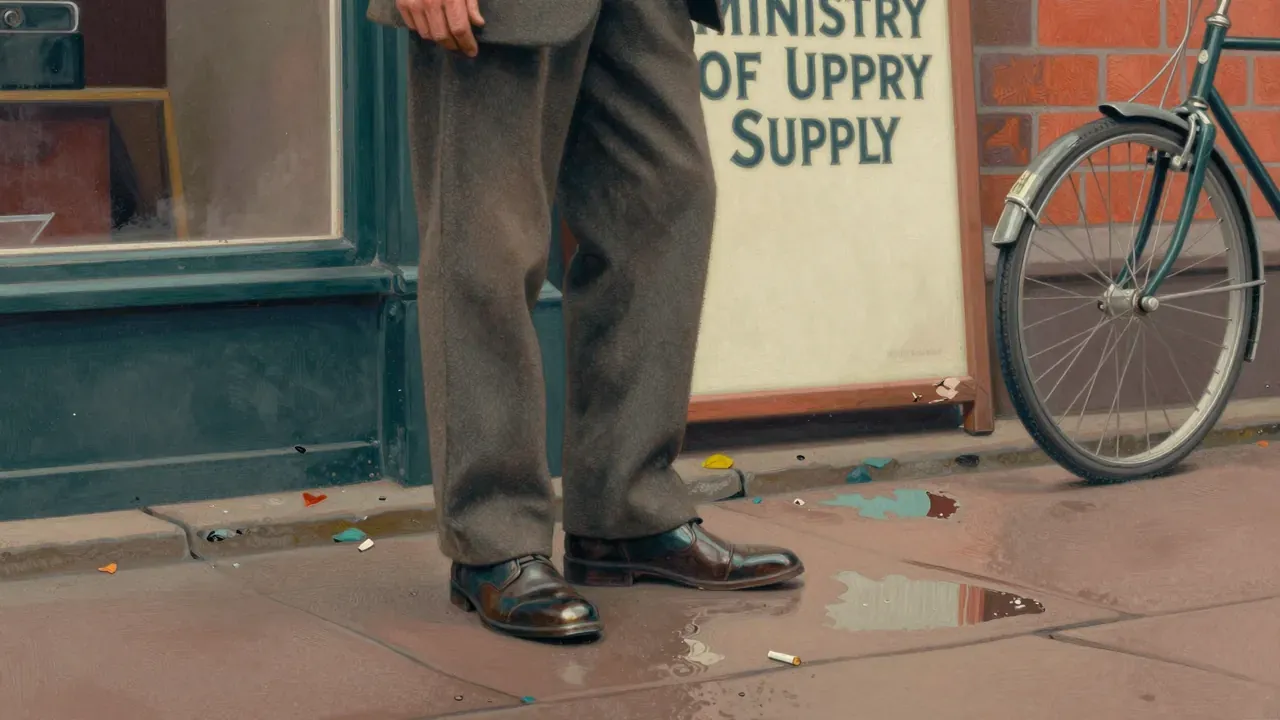
Michael Powell and Emeric Pressburger’s 1949 adaptation of Nigel Balchin’s novel follows a disabled weapons scientist navigating bureaucratic inertia, chronic pain, and personal collapse during the Second World War. Shot in naturalistic style across London and Dorset, it trades spectacle for psychological texture, locating heroism in quiet mastery rather than action. David Farrar delivers a physically anchored performance, supported by Kathleen Byron and a tightly drawn ensemble. Though its middle stretches sag under procedural weight, the film’s final sequence — a harrowing, tactile disarming of a Nazi booby trap — affirms its core concern: dignity earned through endurance, not bestowed by victory.

13:00

The Red Shoes

Emeric Pressburger, Michael Powell · 1948

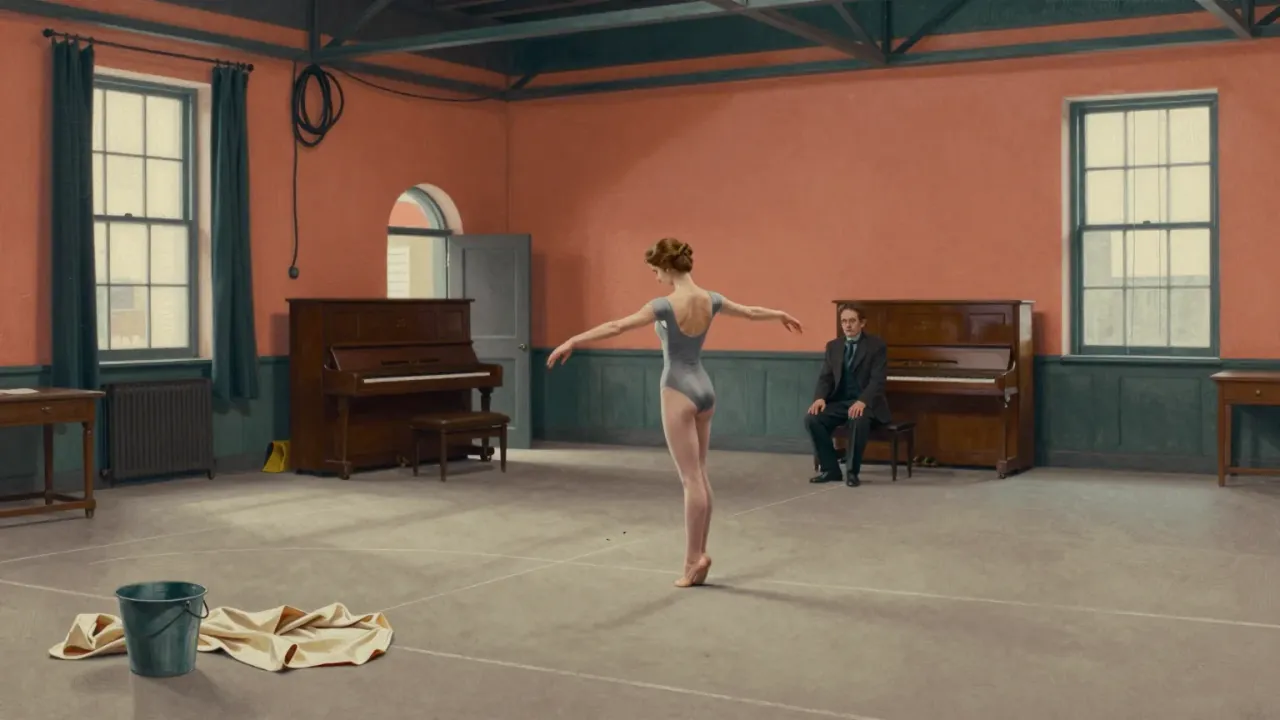
The Red Shoes (1948) is a British dance drama directed by Powell and Pressburger, following ballerina Victoria Page as she joins a prestigious company, falls in love with a composer, and faces an ultimatum from her domineering director. Built around a fifteen-minute ballet adaptation of the Hans Christian Andersen fairy tale, the film uses saturated Technicolor, disciplined choreography, and a tightly wound narrative to explore the cost of artistic commitment. Moira Shearer stars in her film debut, supported by Anton Walbrook and Marius Goring. Shot largely in Paris and at Pinewood Studios, it won two Academy Awards and remains a landmark of cinematic integration of dance and drama.

13:00

The Tales of Hoffmann

Michael Powell, Emeric Pressburger · 1951

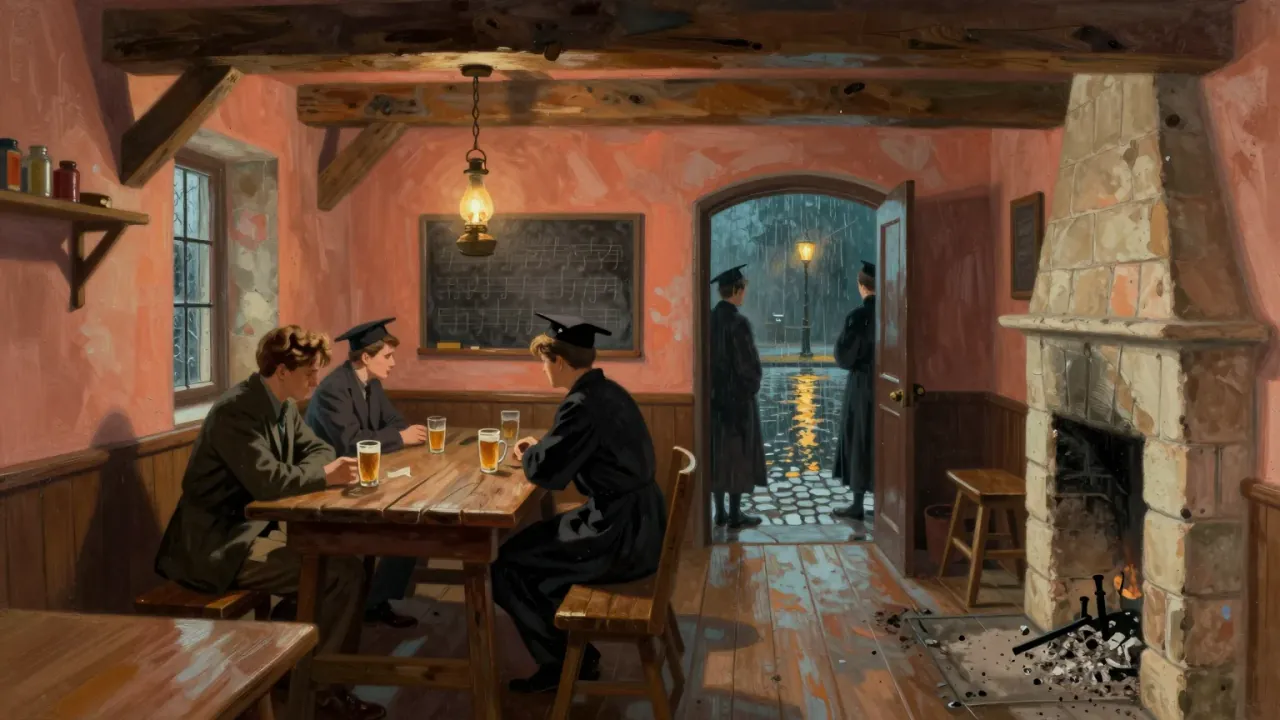
Michael Powell and Emeric Pressburger’s 1951 Technicolor opera film transcribes Offenbach’s score into pure cinematic language—no dialogue, only sung text, stylised movement, symbolic colour and deliberately artificial sets. Framed by Hoffmann’s drunken recollection, three tales (Olympia, Giulietta, Antonia) unfold as tonal variations on obsession, each governed by a dominant hue and choreographed to Sir Thomas Beecham’s conducting. It is less a story about love than a demonstration of how film can function like music: through repetition, contrast, texture and timing.

13:00

A Matter of Life and Death

Michael Powell, Emeric Pressburger · 1946

A Matter of Life and Death (1946) is a British fantasy romance in which an RAF pilot, saved from certain death by a bureaucratic error in the afterlife, must argue for his right to remain on Earth — not on technicality, but on the strength of his love for a woman he met moments after surviving. Directed by Michael Powell and Emeric Pressburger, it uses Technicolor for Earth and a custom 'Dye-Monochrome' process for the celestial realm, staging its metaphysical trial with procedural rigour and emotional precision.

13:00

Black Narcissus

Emeric Pressburger, Michael Powell · 1947

Black Narcissus (1947) is a British psychological drama directed by Michael Powell and Emeric Pressburger, adapted from Rumer Godden’s novel. Set in a remote Himalayan palace converted from a harem, it follows a group of Anglican nuns whose mission unravels under isolation, climate and unspoken desire. Shot almost entirely at Pinewood Studios using matte paintings and expressive Technicolor, it prioritises mood and interiority over realism or cultural specificity. Jack Cardiff’s cinematography won an Academy Award, as did Alfred Junge’s production design. The film remains a landmark of studio craft — formally rigorous, emotionally precise, ethically circumscribed.