filmbriefs
Actor · Director · Composer · Cinematographer · Screenwriter · Producer · Editor · 1946–2025

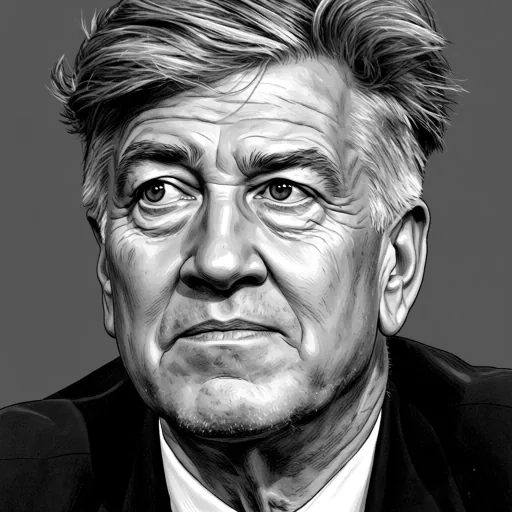
David Lynch

9
briefs
13:00
average
117 min
in total
On film.briefs9
13:00

David Lynch: The Art Life

Jon Nguyen, Rick Barnes, Olivia Neergaard-Holm · 2016

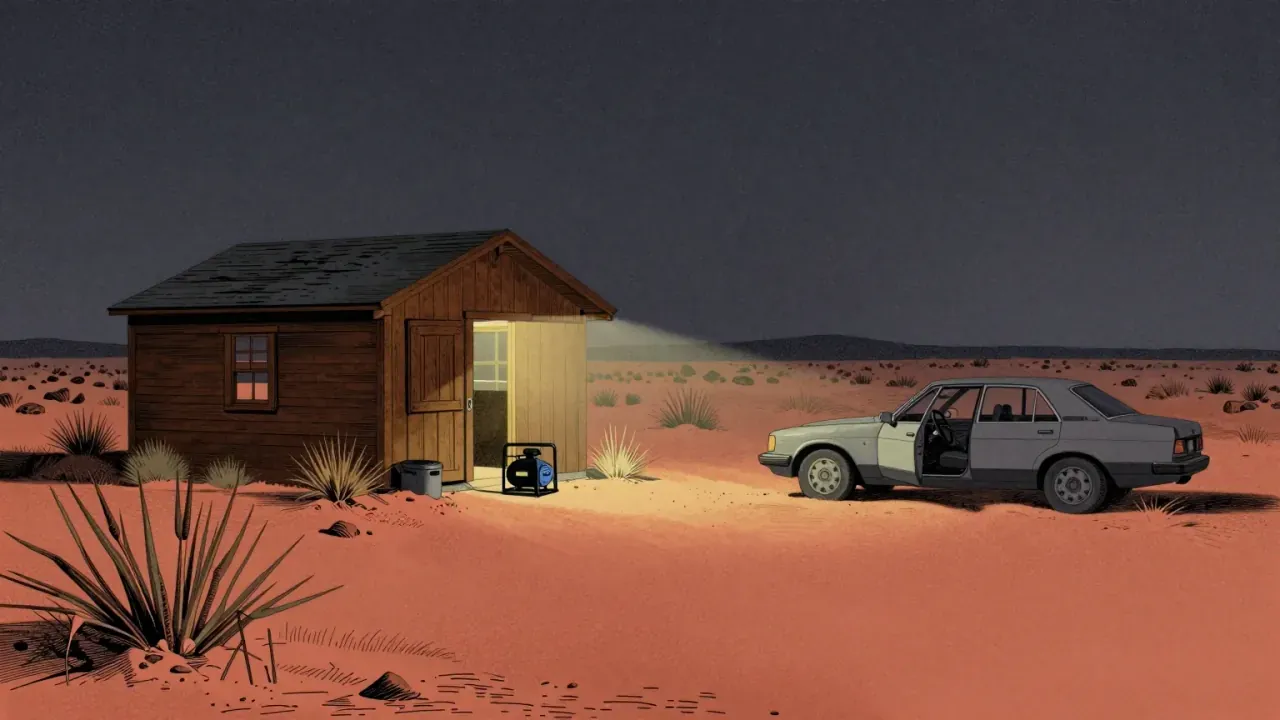
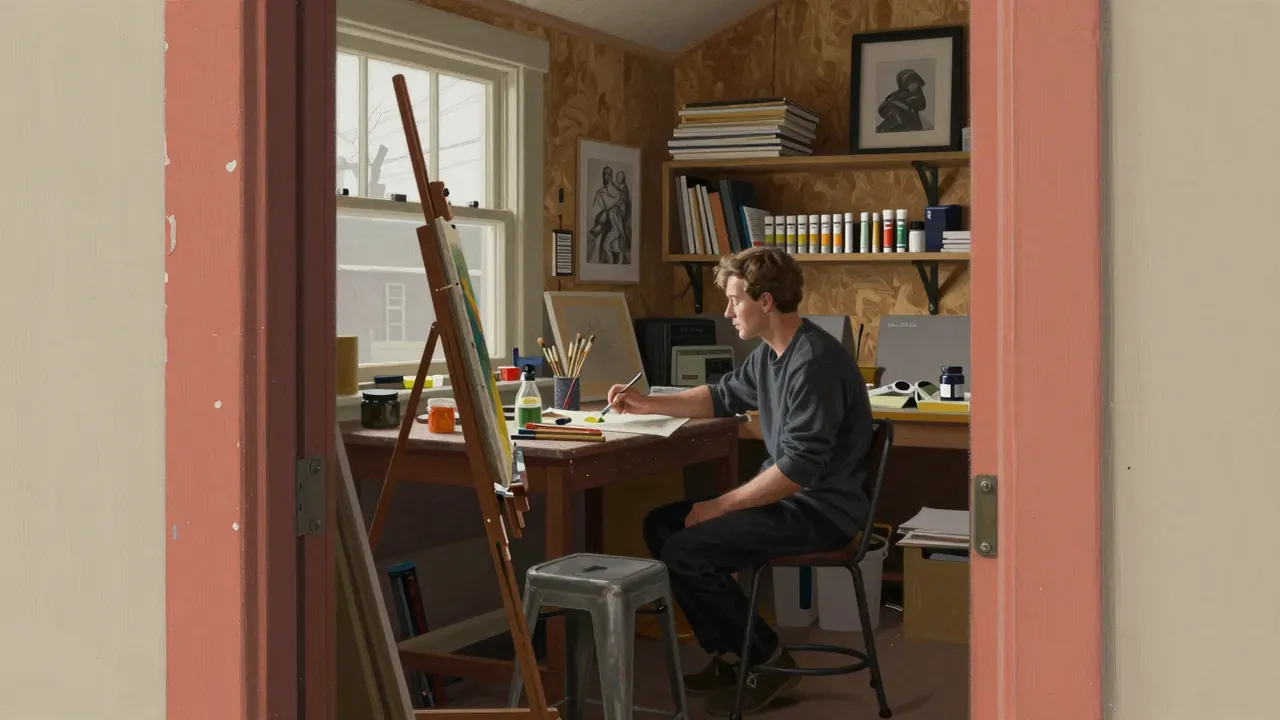
David Lynch: The Art Life is a 2016 documentary shot over four years, composed entirely of Lynch’s voice (recorded across twenty conversations) and footage of him painting, sketching and caring for his infant daughter at home. Archival photographs punctuate his recollections of childhood in the American West, art school in Boston and Philadelphia, and the early days of his filmmaking career in Los Angeles. Directed by Jon Nguyen, Rick Barnes and Olivia Neergaard-Holm, it avoids commentary, context or interpretation — offering not a life story but a sustained, quiet immersion in Lynch’s sensory memory and daily practice.

13:00

Inland Empire

David Lynch · 2006

David Lynch’s 2006 film Inland Empire is a digitally shot, scriptless, three-hour descent into fractured identity, filmed largely by Lynch himself on a handheld Sony camcorder. Laura Dern stars as an actress whose immersion in a cursed film role unravels her sense of self, time, and reality. Shot across Los Angeles and Łódź, Poland, it rejects conventional storytelling in favour of sensory accumulation, repetition, and ontological unease. Though labelled a horror film, its terror is structural — rooted in the instability of perception, memory, and representation. It premiered at Venice, where Lynch received the Golden Lion for Lifetime Achievement, and remains his final feature.

13:00

The Elephant Man

David Lynch · 1980

David Lynch’s 1980 film tells the story of John Merrick, a severely deformed man in Victorian London, not as tragedy or curiosity but as a sustained inquiry into perception, care, and the quiet violence of being perpetually seen. Shot in stark black-and-white by Freddie Francis, with John Hurt delivering a performance of extraordinary stillness and vocal control, the film resists sentimentality, avoids exposition, and trusts the audience to sit with ambiguity. Its power lies in restraint: in what it shows, how long it holds it, and what it refuses to explain.

13:00

Twin Peaks: Fire Walk with Me

David Lynch · 1992

David Lynch’s 1992 prequel to Twin Peaks focuses on Laura Palmer’s final days, stripping away the TV series’ whimsy to confront trauma, abuse, and institutional failure with unflinching rigour. Sheryl Lee’s performance anchors a film defined by dissonant sound, claustrophobic framing, and narrative austerity. Though polarising on release, it has been re-evaluated as a major work of psychological horror and arthouse cinema.

13:00

Wild at Heart

David Lynch · 1990

David Lynch’s 1990 Palme d’Or winner adapts Barry Gifford’s novel into a hyper-stylised Southern Gothic crime film starring Nicolas Cage and Laura Dern as a couple fleeing violence across the American South. Anchored by Elvis obsession, Wizard of Oz motifs and Angelo Badalamenti’s score, it trades psychological realism for emotional extremity — landing some sequences with unforgettable force, while others rely too heavily on shock. Its value lies in its unwavering commitment to a singular, dissonant vision.

13:00

Blue Velvet

David Lynch · 1986

David Lynch followed the disaster of Dune with a $6m film he was left almost entirely alone to make, trading a pay cut for final cut. Kyle MacLachlan's amateur sleuth spies on Isabella Rossellini's abused nightclub singer and runs into Dennis Hopper's Frank Booth, and the American town around them turns out to hide as much as either of them.

13:00

Eraserhead

David Lynch · 1977

David Lynch spent roughly five years shooting his AFI student project in disused stables and a soundproofed studio he built himself, financed along the way by donations from friends including Sissy Spacek. The result follows Henry Spencer, left to care for a grotesquely deformed baby in an industrial wasteland, shot in stark black and white with sound design as unsettling as anything on screen. It became a midnight-movie staple and launched Lynch's career from almost nothing.

13:00

Lost Highway

David Lynch · 1997

David Lynch's first film after Twin Peaks follows Bill Pullman's jazz musician, arrested for a murder he cannot account for, who inexplicably becomes a different young man midway through. Written with novelist Barry Gifford and shot by Peter Deming in near-total darkness, it was a box-office failure on release that has since built a devoted following willing to sit with a story that refuses to resolve.

13:00

Mulholland Drive

David Lynch · 2001

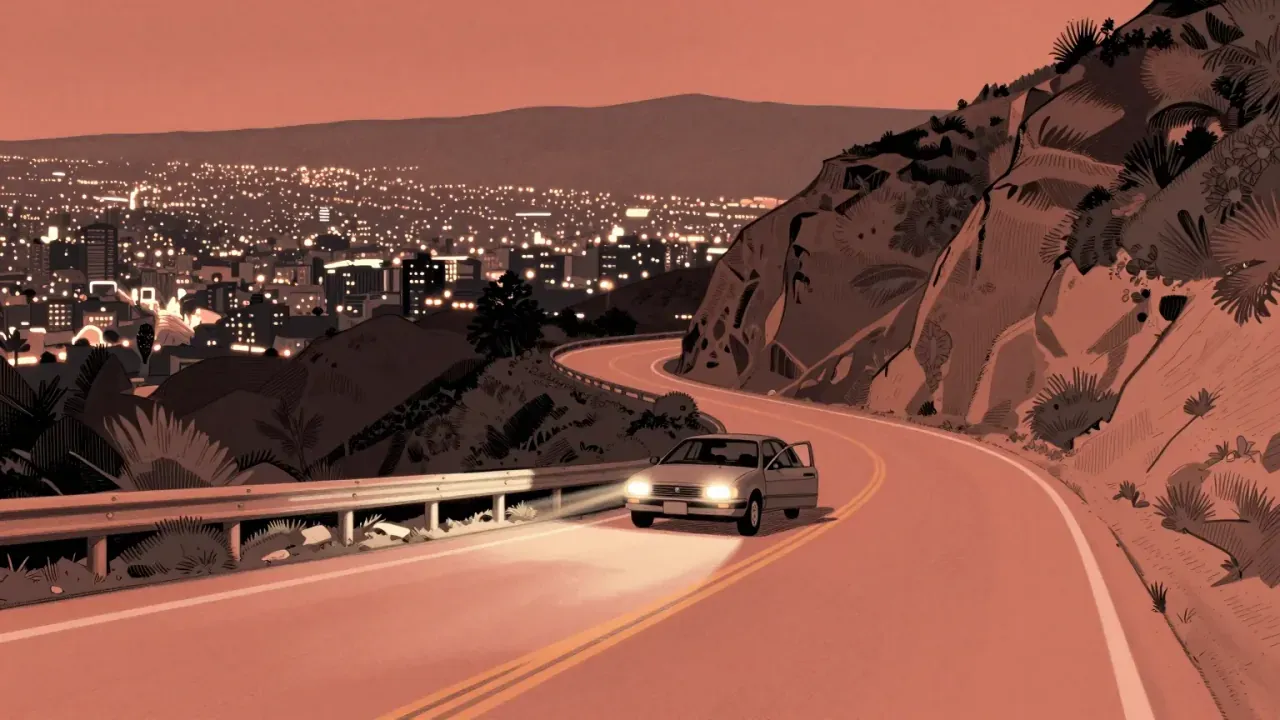
Rejected by ABC as a television pilot, Mulholland Drive was rebuilt by David Lynch into a feature with new financing, new footage, and an ending that recontextualises everything before it. Naomi Watts's performance carries the film from bright optimism to something far darker, across a Los Angeles built out of borrowed names and unresolved threads.