filmbriefs
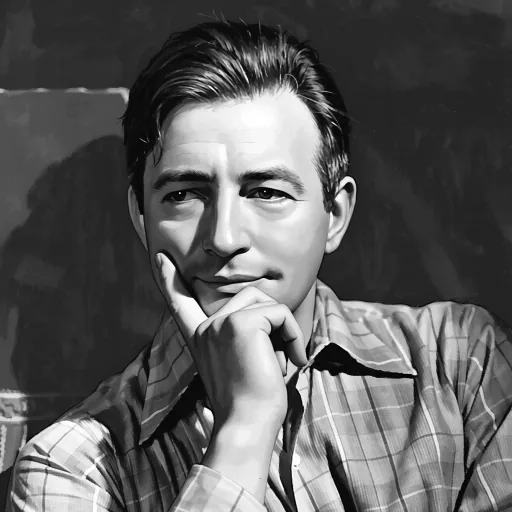
Actor · 1889–1967

Claude Rains

7
briefs
13:00
average
91 min
in total
On film.briefs7
13:00

Caesar and Cleopatra

Gabriel Pascal · 1945

Gabriel Pascal’s 1945 Technicolor film adapts George Bernard Shaw’s 1901 play with near-verbatim fidelity. Starring Vivien Leigh and Claude Rains, it follows Cleopatra’s tutelage under Caesar during the Siege of Alexandria. Lavish in scale but restrained in execution, it privileges dialogue, idea and historical procedure over spectacle or sentiment. Though a financial failure on release, it endures as a rare example of British studio craft applying philosophical seriousness to ancient subject matter.
13:00

Here Comes Mr. Jordan

Alexander Hall · 1941

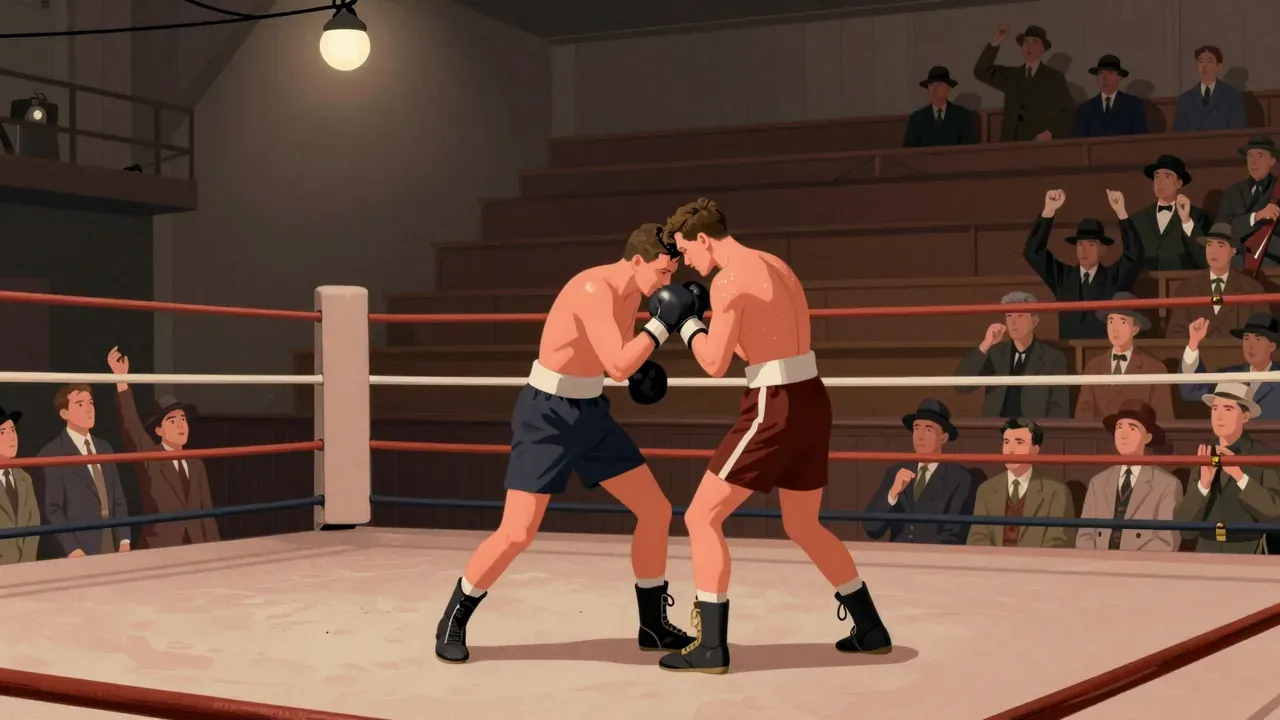
Here Comes Mr. Jordan (1941) follows boxer Joe Pendleton, mistakenly taken to Heaven before his time, who must inhabit a new body on Earth to complete his life. Directed by Alexander Hall and written by Sidney Buchman and Seton I. Miller, the film balances fantasy, romance, and comedy with precise structure and restrained performances. Its strength lies in treating the afterlife as bureaucratic infrastructure and grounding ethical choices in tangible action — restitution, not revelation. Though its final act softens its earlier rigour, the film remains a masterclass in economical, character-led storytelling.

13:00

Notorious

Alfred Hitchcock · 1946

Alfred Hitchcock’s 1946 spy thriller follows an American agent who recruits the daughter of a Nazi sympathiser to infiltrate a German exile network in Rio. What unfolds is less a tale of espionage than a precise, emotionally restrained study of love under surveillance — where every glance is tactical, every touch conditional, and every silence charged with consequence. Shot on RKO soundstages with meticulous control, it relies on performance, composition, and pacing to build tension without action.

13:00

Now, Voyager

Irving Rapper · 1942

Now, Voyager (1942) follows Charlotte Vale’s transformation from a cowed Boston heiress into a composed, quietly autonomous woman, guided by therapy, a transatlantic cruise, and a chaste, enduring bond with a married architect. Directed by Irving Rapper and starring Bette Davis, it avoids melodrama in favour of psychological precision, using Sol Polito’s lighting, Max Steiner’s score, and Casey Robinson’s adaptation to sustain tension in restraint. Its power lies in what it withholds — resolution, romance, catharsis — and what it insists upon: dignity as practice, care as continuity, and healing as ongoing recalibration.

13:00

Casablanca

Michael Curtiz · 1942

A 1942 Warner Bros. romantic drama set in Vichy-controlled Casablanca, where American expatriate Rick Blaine must choose between rekindling a wartime romance with Ilsa Lund and helping her husband, resistance leader Victor Laszlo, escape to continue fighting the Nazis. Directed by Michael Curtiz, written by Julius and Philip Epstein, Howard Koch and Casey Robinson, and starring Humphrey Bogart and Ingrid Bergman, it is a tightly constructed studio picture whose enduring power lies in its moral economy, disciplined craft and refusal to separate personal longing from political consequence.

13:00

Lawrence of Arabia

David Lean · 1962

David Lean’s 1962 epic follows T. E. Lawrence’s immersion in the Arab Revolt during the First World War. Peter O'Toole stars in a performance defined by restraint and volatility, supported by Freddie Young’s monumental Super Panavision 70 cinematography and Maurice Jarre’s evocative score. The film prioritises atmosphere over exposition, using vast, still landscapes to chart internal collapse and reinvention. Though rooted in history, it functions as a psychological portrait — of identity, allegiance and the cost of translation between worlds.

13:00

The Passionate Friends

David Lean · 1949

David Lean’s 1949 adaptation of H. G. Wells’s novel follows Mary Justin, a woman caught between her husband Howard and her former lover Steven, as memory and present collide during a Swiss hotel stay. Anchored by Ann Todd’s restrained performance and Guy Green’s understated cinematography, it examines autonomy, loyalty, and the quiet erosion of self in bourgeois romance — not through drama, but through accumulation of small, unspoken truths.