filmbriefs
Actor · Director · Producer · Editor · 1895–1966

Buster Keaton

4
briefs
13:00
average
52 min
in total
On film.briefs4
13:00

Limelight

Charlie Chaplin · 1952

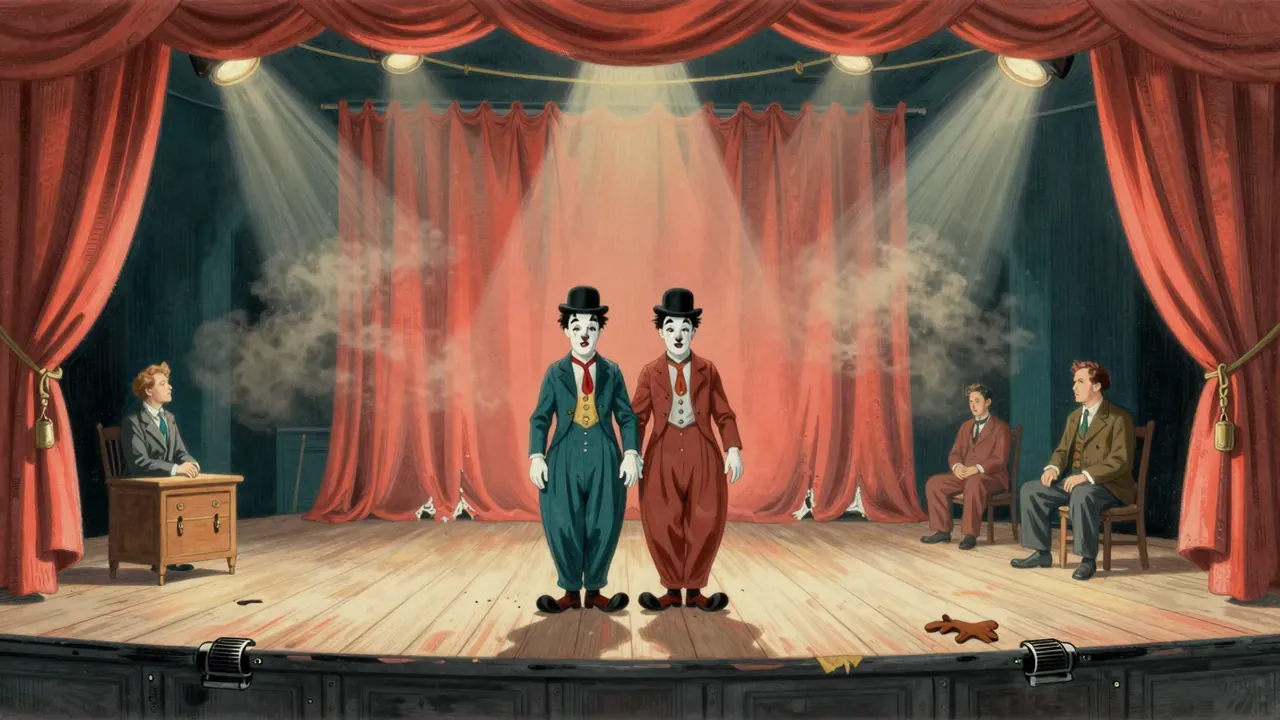
Limelight (1952), written, directed, and starring Charlie Chaplin, follows a faded music-hall comedian who saves a suicidal dancer and helps her rebuild her career — while confronting his own obsolescence. Shot in Hollywood but set in Edwardian London, it blends pathos and physical comedy, features Buster Keaton in their only joint screen appearance, and won Chaplin an Oscar for its score two decades after release. Though commercially stymied in the US by political boycott, it has since been reassessed as Chaplin’s most personal and introspective work.
13:00

The Cameraman

Edward Sedgwick, Buster Keaton · 1928

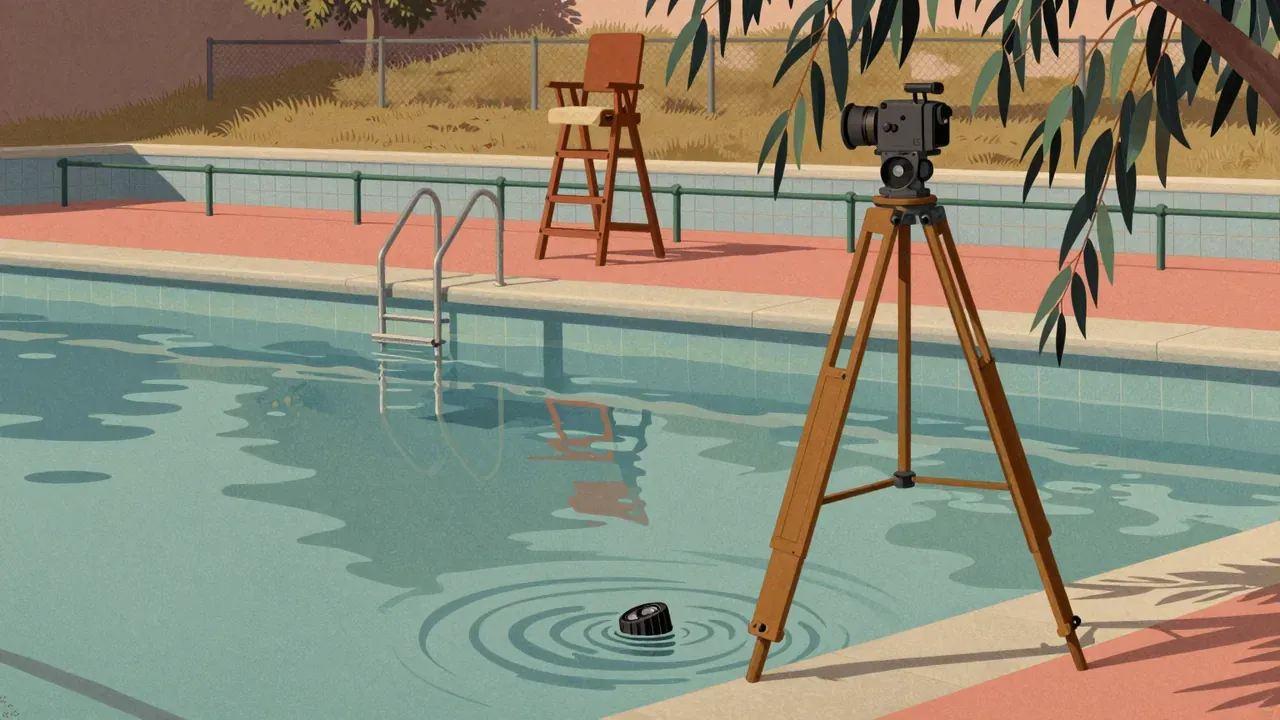
Buster Keaton’s 1928 MGM debut follows a tintype photographer who buys a film camera to impress a newsreel secretary, then stumbles into real danger filming a Tong War in Chinatown. With Elgin Lessley’s crisp cinematography and Hugh Wynn’s taut editing, it builds comedy from spatial logic and cumulative consequence — not quips or sentiment. Though made under tightening studio control, it remains one of Keaton’s most lucid, tightly constructed films.

13:00

Sherlock, Jr.

Buster Keaton, Roscoe Arbuckle · 1924

A 1924 silent comedy starring Buster Keaton as a projectionist who dreams himself into the film he is screening. Directed by Keaton and Roscoe Arbuckle (under pseudonym), it uses in-camera tricks, exact camera positioning, and structural repetition to explore cinema’s grammar — not as metaphor, but as physical system. Its dream sequence remains a landmark of formal invention, prioritising spatial logic and editorial precision over character or emotion.

13:00

The General

Buster Keaton, Clyde Bruckman · 1926

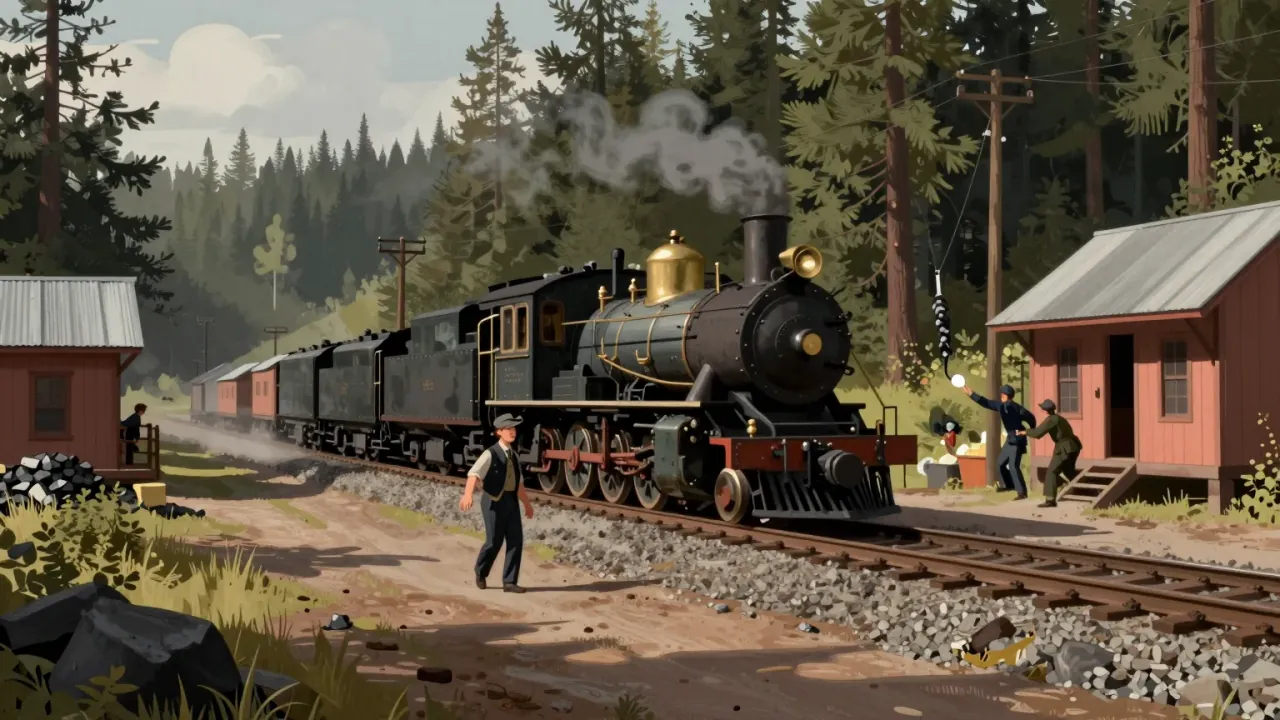
Buster Keaton’s 1926 film The General is a romantic comedy-war film set during the American Civil War, co-directed with Clyde Bruckman. Starring Keaton as a Southern railroad engineer, it follows his pursuit of a stolen locomotive and his estranged sweetheart across Oregon landscapes shot with period-accurate trains and practical stunts. Though poorly received on release, it is now widely regarded as a landmark of cinematic craft — precise, physically coherent, and emotionally restrained.