filmbriefs
Actor · 1930–2012

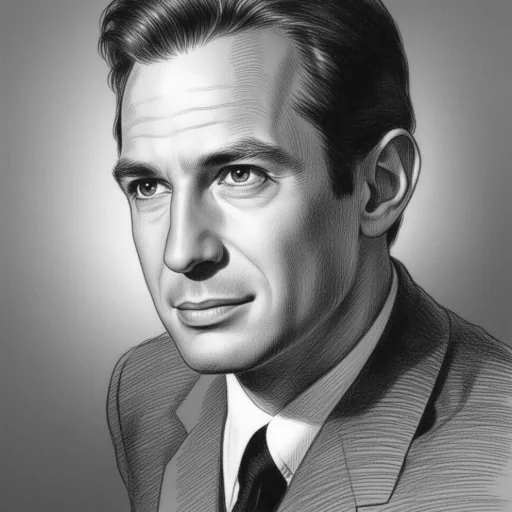
Ben Gazzara

7
briefs
13:00
average
91 min
in total
On film.briefs7
13:00

A Constant Forge

Charles Kiselyak · 2000

A two-hundred-minute documentary portrait of John Cassavetes, assembled from interviews and archival footage. It focuses on his working process — rehearsal, editing, directing — rather than biography or filmography. Featuring Ben Gazzara, Gena Rowlands, Peter Falk, Sean Penn and others, it treats filmmaking as embodied resistance, refusing summary or resolution.
13:00

Anatomy of a Murder

Otto Preminger · 1959

Otto Preminger’s 1959 Anatomy of a Murder is a rigorously procedural crime drama set in Michigan’s Upper Peninsula. James Stewart plays a small-town lawyer defending an army lieutenant accused of murder, using an 'irresistible impulse' insanity plea. Shot on location with documentary restraint, it prioritises legal mechanics over psychology, and evidentiary tension over emotional payoff. Sam Leavitt’s cinematography and Duke Ellington’s score support, never dominate, its deliberate pace. Though acclaimed for authenticity, it resists moral framing — leaving viewers with the structure of doubt, not the comfort of verdict.

13:00

Opening Night

John Cassavetes · 1977

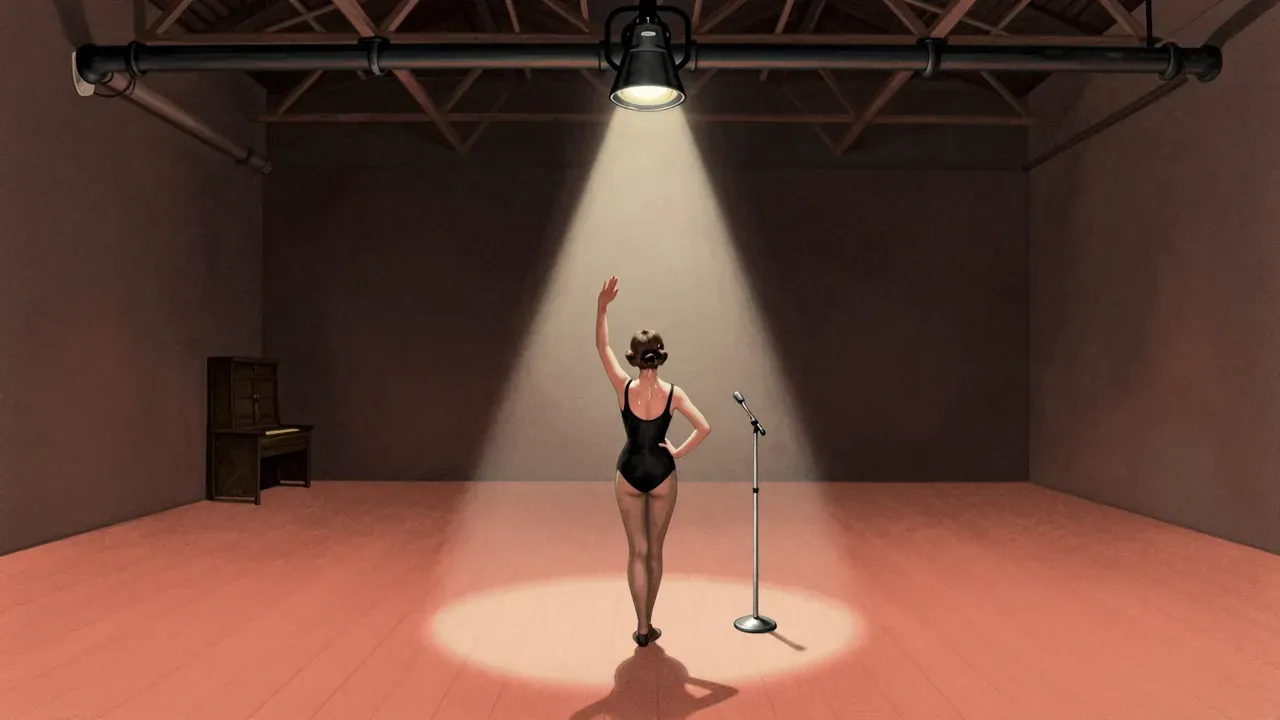
John Cassavetes’ 1977 film follows actress Myrtle Gordon through a week of mounting disintegration before her Broadway premiere. Shot on location in California, it stars Gena Rowlands in a performance of extraordinary physical and psychological fidelity. With no exposition, no score to guide feeling, and no narrative resolution, it treats performance, grief, and ageing as overlapping states of being — not problems to solve, but conditions to inhabit.

13:00

The Killing of a Chinese Bookie

John Cassavetes · 1976

John Cassavetes’s 1976 crime film follows strip club owner Cosmo Vittelli as he navigates a mob debt, a botched hit, and the slow collapse of his carefully curated persona. Shot by Al Ruban and scored by Bo Harwood, it privileges duration, physicality, and ambiguity over narrative payoff. The 108-minute 1978 re-edit is the standard version, though both cuts exist in Criterion’s box set. Ben Gazzara’s performance anchors a film less about crime than about the labour of sustaining identity under pressure.

13:00

Happiness

Todd Solondz · 1998

Todd Solondz’s 1998 ensemble film follows three sisters and their circle across intersecting stories of loneliness, repression and violation. Shot by Maryse Alberti and scored by Robbie Kondor, it treats pedophilia, obscene phone calls, marital drift and suicidal despair with unblinking, tonally level observation. Its power lies in accumulation, not climax — in the weight of unspoken things, the silence after a confession, the banality of moral collapse. It won the FIPRESCI Prize at Cannes and the National Board of Review’s Top Ten Films award, and was released unrated after surrendering its NC-17 classification.

13:00

Husbands

John Cassavetes · 1970

John Cassavetes’s 1970 drama follows three middle-aged friends—Gus, Harry, and Archie—after the sudden death of their closest companion. Unmoored, they flee suburban New York for London, where their attempts at distraction collapse under the weight of unspoken grief, ageing, and mutual dependence. Shot in loose, handheld style with extensive improvisation, the film prioritises duration and behavioural realism over plot. Its reception was polarised: hailed by some as radical and deeply sincere, dismissed by others as self-indulgent and misogynistic. Restored in 2020 by Criterion, it remains a demanding, uncompromising portrait of masculinity in suspension.

13:00

The Big Lebowski

Joel Coen, Ethan Coen · 1998

The Big Lebowski (1998) follows Jeffrey 'The Dude' Lebowski, a laid-back Los Angeles slacker drawn into a convoluted kidnapping plot after being mistaken for a millionaire with the same name. Directed by Joel and Ethan Coen, it leans into Raymond Chandler’s episodic structure while discarding his moral urgency. With Jeff Bridges, John Goodman, Julianne Moore, Steve Buscemi and John Turturro, and cinematography by Roger Deakins, it builds its world through precise dialogue, physical performance and sun-bleached Los Angeles atmospherics — less a crime story than a study in inertia, ritual and linguistic idiosyncrasy.