filmbriefs
Studio

Argos Films

5
briefs
13:00
average
65 min
in total
On film.briefs5
13:00

Empire of Passion

Nagisa Ōshima · 1978

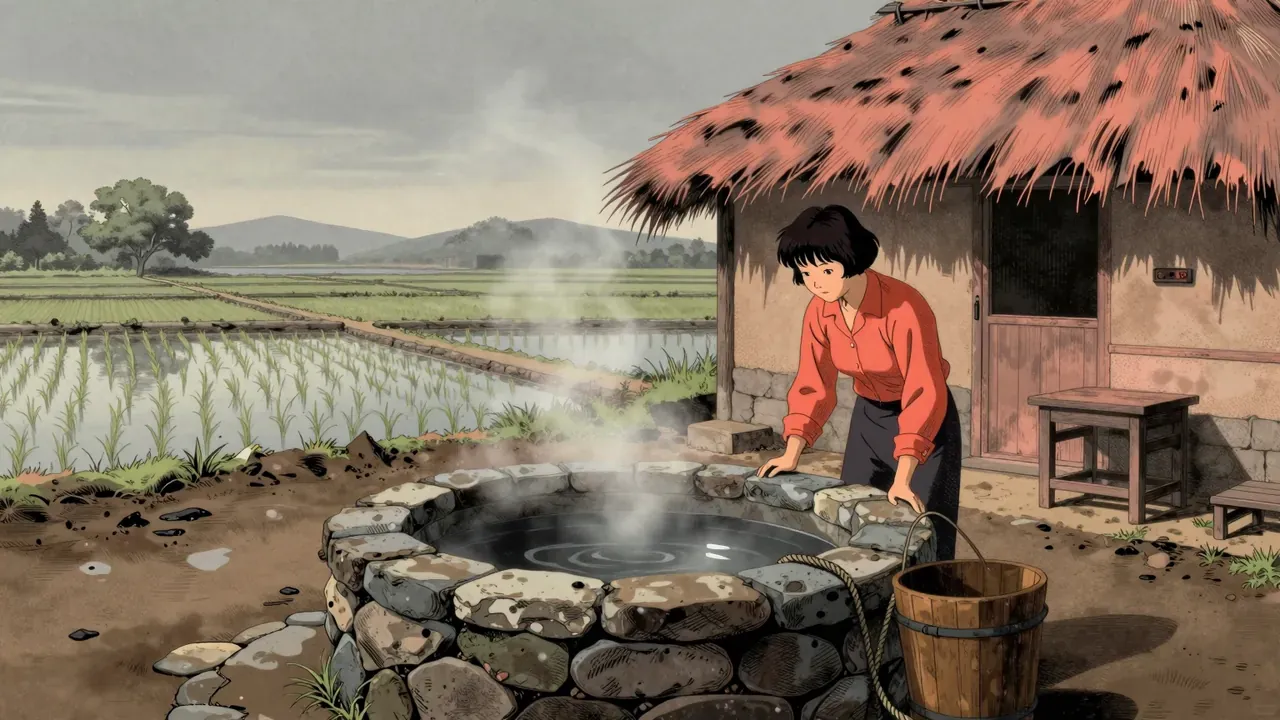
Nagisa Ōshima’s 1978 French-Japanese co-production Empire of Passion adapts a novel by Itoko Nakamura into a stark, psychologically rigorous kaidan. Set in 1895 rural Japan, it follows Seki and Toyoji, whose affair leads to the murder of her husband — and the subsequent, inescapable haunting that follows. Shot by Yoshio Miyajima and scored by Tōru Takemitsu, the film rejects gothic ornament in favour of austere composition, deliberate pacing, and moral weight. It premiered at Cannes, where Ōshima won Best Director.
13:00

Mouchette

Robert Bresson · 1967

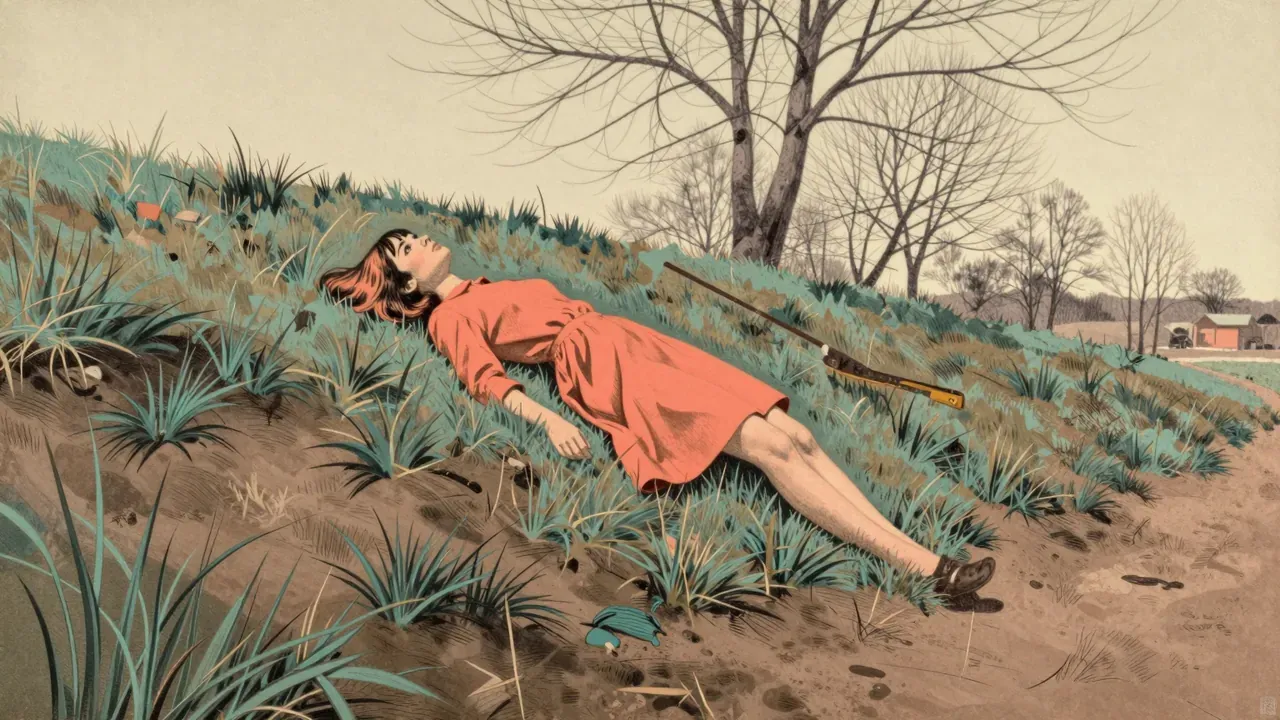
Robert Bresson’s 1967 adaptation of Georges Bernanos’s novel follows a teenage girl’s silent, unrelenting attrition in a rural French village. Using non-professional actors, sparse dialogue, and Ghislain Cloquet’s restrained cinematography, the film renders suffering as routine, not event — culminating in a final act of physical surrender that feels less like despair than exhaustion made visible.

13:00

Night and Fog

Alain Resnais · 1956

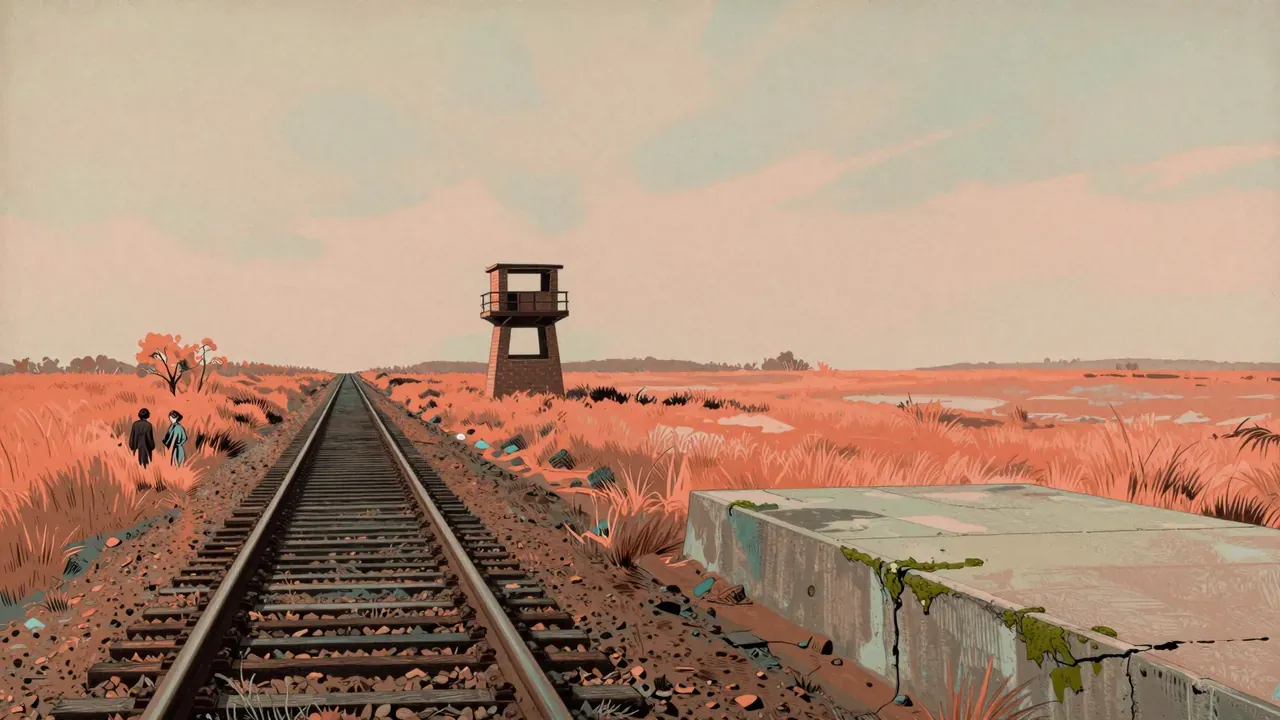
Alain Resnais’s 1956 documentary Night and Fog uses stark juxtaposition — new colour footage of abandoned camps alongside archival black-and-white material — to dissect the concentration camp as a functional extension of fascism. Written by survivor Jean Cayrol and Chris Marker, and scored by Hanns Eisler, it avoids sentimentality in favour of structural analysis: architecture, logistics, bureaucracy, and the diffusion of responsibility. Commissioned for the tenth anniversary of camp liberation, it remains a foundational essay film, rigorous, unsettling, and deliberately unresolved.

13:00

Au Hasard Balthazar

Robert Bresson · 1966

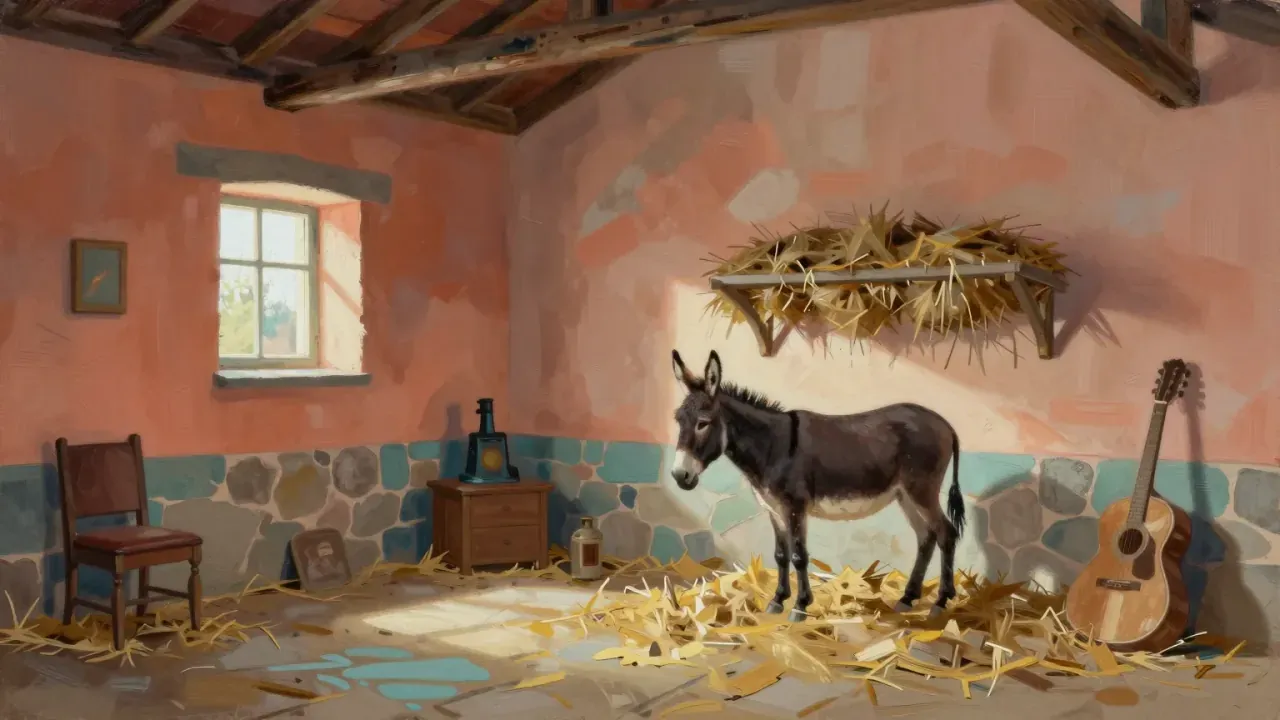
Robert Bresson’s 1966 film follows Balthazar, a donkey, through successive owners in rural France. Told with austere precision, it uses non-professional actors, restrained cinematography by Ghislain Cloquet, and near-silent observation to trace endurance, indifference, and quiet violation. Marie, played by Anne Wiazemsky, ages alongside Balthazar, her decline mirroring his — though neither is granted interiority. The film’s power lies in accumulation, not exposition; its final image — Balthazar dying among sheep — lands not as tragedy but as quiet, inevitable fact.

13:00

Hiroshima mon amour

Alain Resnais · 1959

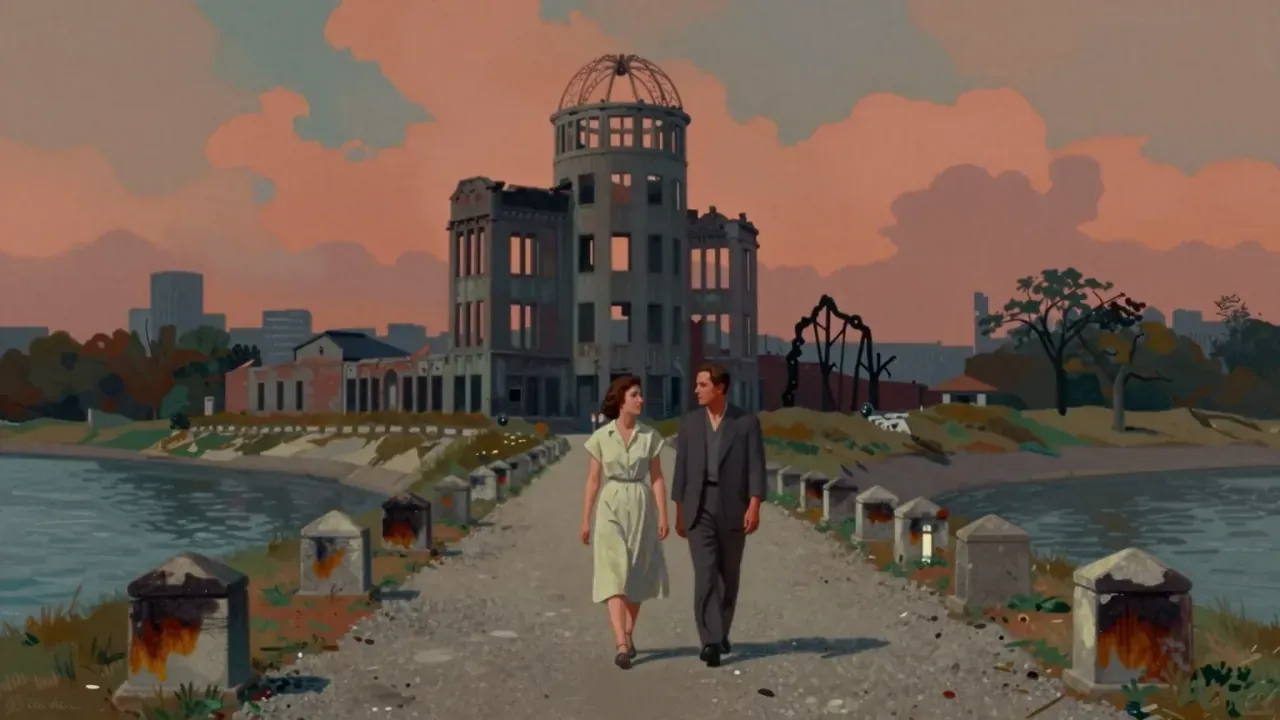
Alain Resnais’ 1959 debut, written by Marguerite Duras, traces a fleeting encounter between a French actress and a Japanese architect in Hiroshima. Through tightly composed images, fragmented flashbacks, and restrained performances, it explores how personal and historical trauma intertwine — not as metaphor, but as embodied experience. Shot in France and Japan, edited with surgical precision, and scored with near-silence, it treats love, memory, and forgetting as inseparable forces.