filmbriefs
Cinematographer · Director · Producer

Andrew Lau

6
briefs
13:00
average
78 min
in total
On film.briefs6
13:00

As Tears Go By

Wong Kar-wai · 1988

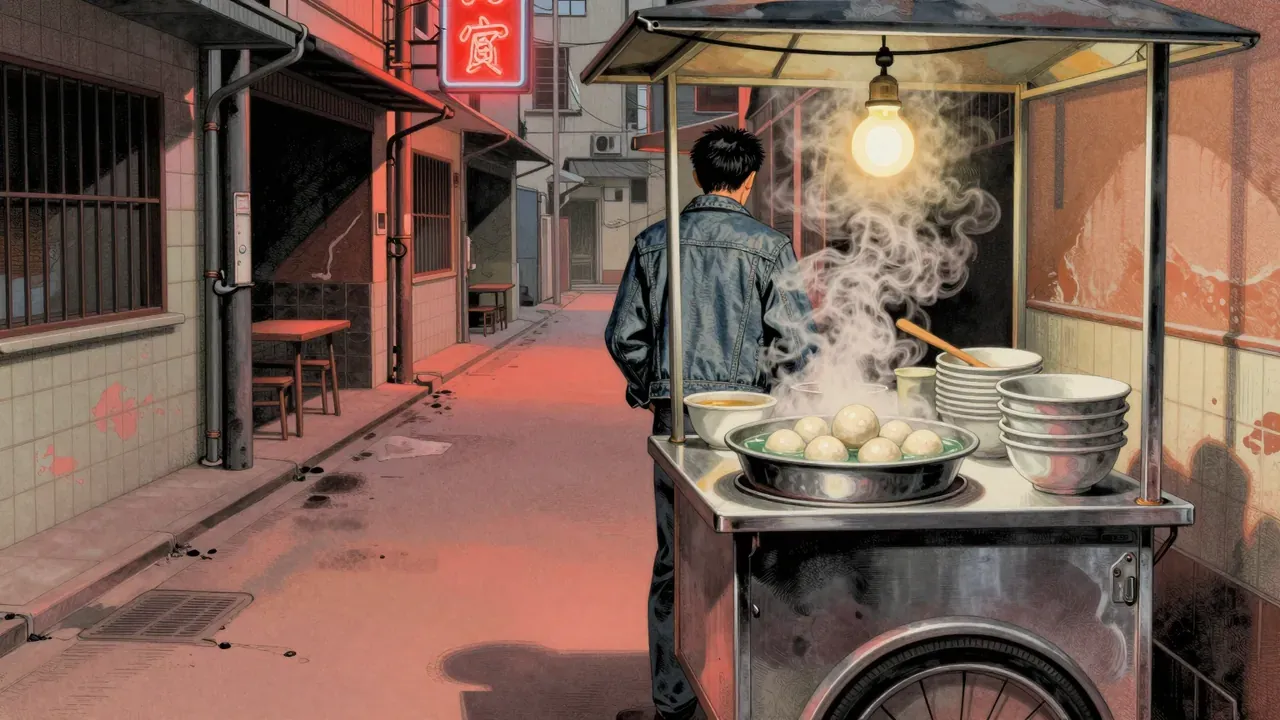
Wong Kar-wai’s 1988 debut follows Wah, a Mong Kok triad enforcer, as he tries to manage his volatile friend Fly while growing close to his cousin Ngor, who visits from Lantau Island. Shot in naturalistic tones by Andrew Lau and edited with deliberate slowness by William Chang, the film grounds crime-drama tropes in quiet consequence rather than spectacle. Its power lies in restraint: in Andy Lau’s muted performance, Maggie Cheung’s understated presence, and the unforced contrast between urban claustrophobia and island stillness. Though structurally uneven in its second half, it establishes Wong’s enduring concerns — time, loyalty, and the geography of longing.
13:00

Infernal Affairs

Andrew Lau, Alan Mak · 2002

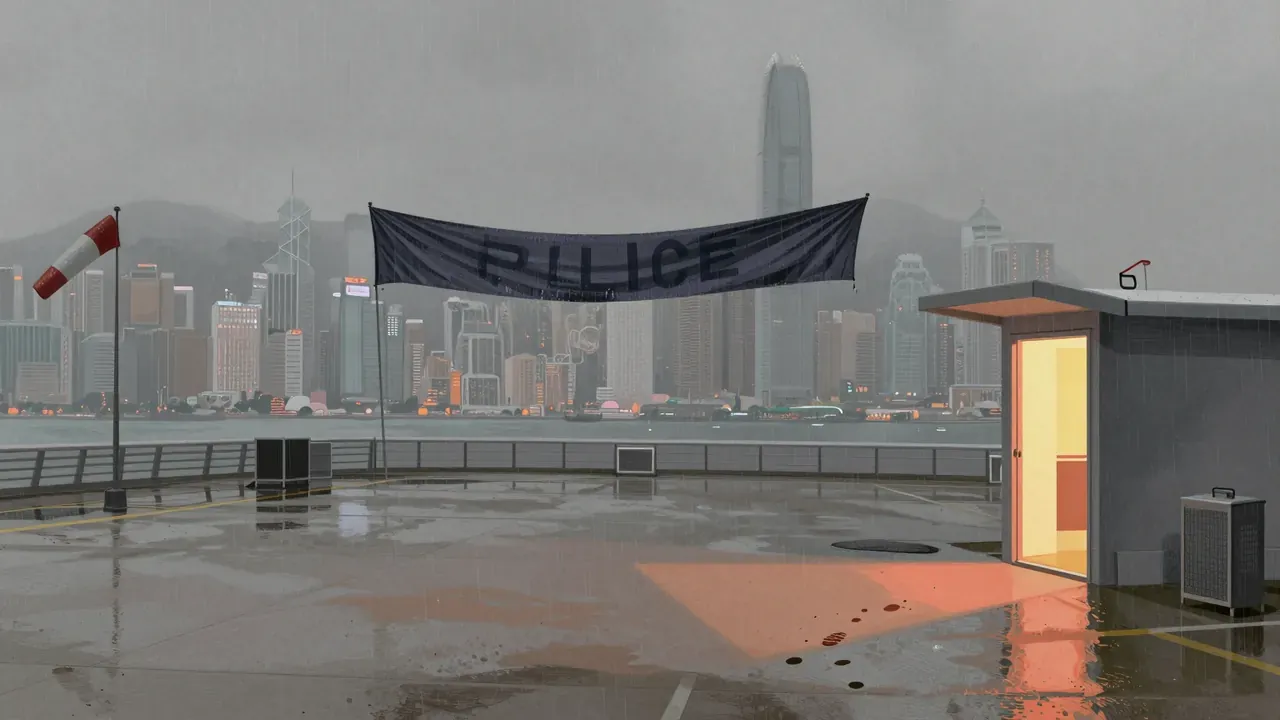
A Hong Kong police officer and a triad mole spend ten years living each other’s lives, bound by secrecy and surveillance. Directed by Andrew Lau and Alan Mak, the 2002 crime drama uses tight structure, restrained performances, and precise craft to explore identity as performance — not moral failure, but institutional inevitability.

13:00

Infernal Affairs II

Andrew Lau, Alan Mak · 2003

A 2003 Hong Kong crime thriller and prequel to Infernal Affairs, set between 1991 and 1997. It charts the rise of triad heir Ngai Wing-hau and the parallel infiltration of two moles—one in the police, one in the triad—against the backdrop of Hong Kong’s impending handover. Directed by Andrew Lau and Alan Mak, it expands the original’s moral universe into a generational study of power, loyalty and erasure.

13:00

Infernal Affairs III

Andrew Lau, Alan Mak · 2003

Infernal Affairs III closes the Hong Kong crime trilogy by abandoning narrative resolution for psychological recursion. Interweaving timelines before and after Chan Wing-Yan’s death, it charts Senior Inspector Lau Kin-Ming’s irreversible dissociation as his criminal past overtakes his present self. Anchored by Andy Lau’s physically precise performance and Andrew Lau and Ng Man-Ching’s muted, interior-heavy cinematography, the film renders guilt as somatic decay—not moral failure but neurological saturation. Its power lies in accumulation, not climax: Morse code taps, repeated corridors, overlapping voices. It is the trilogy’s most demanding and least forgiving chapter.

13:00

Once Upon a Time in China III

Tsui Hark · 1993

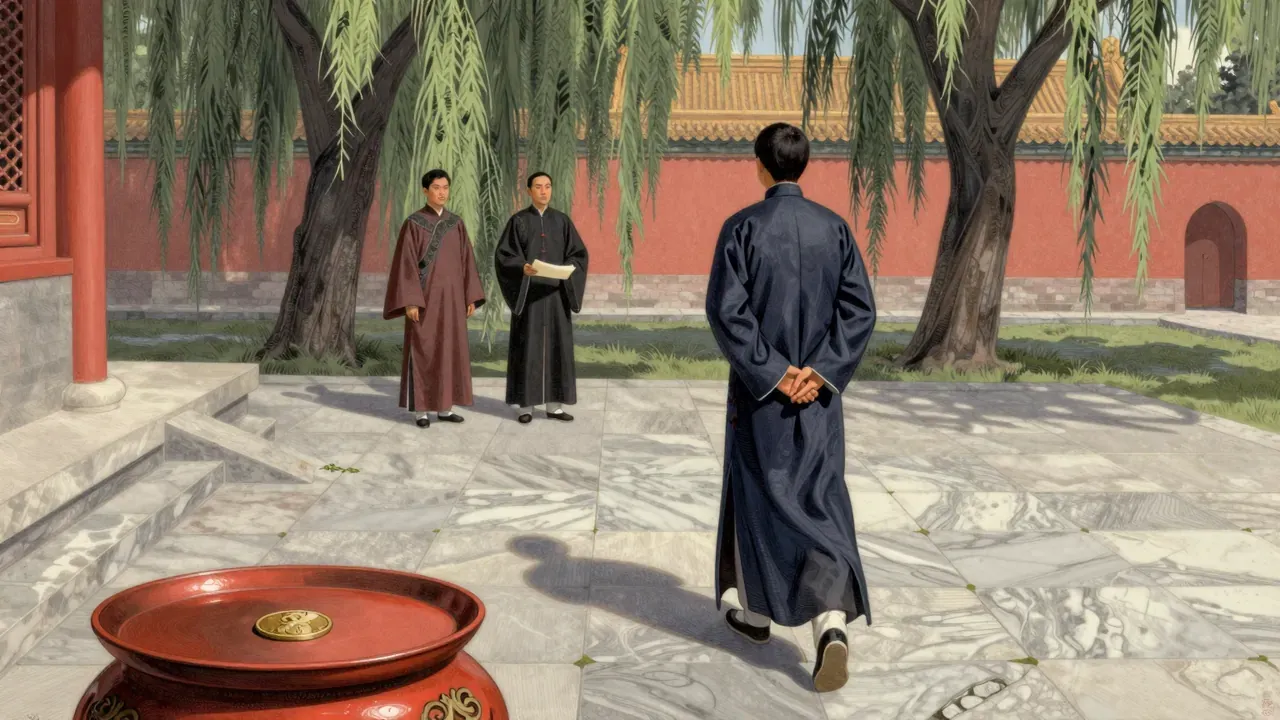
Once Upon a Time in China III (1993), directed by Tsui Hark, follows Wong Fei-hung to Beijing for a state-sponsored lion dance competition meant to restore Chinese prestige amid foreign imperialism. Jet Li anchors a tightly plotted narrative where choreography, moral choice, and historical constraint converge — culminating in a scaffold battle and a rejected medal. Andrew Lau’s cinematography and Marco Mak’s editing serve clarity over flourish. The film works best when action carries meaning and falters when plot relies on underdeveloped antagonists or external conspiracies.

13:00

Chungking Express

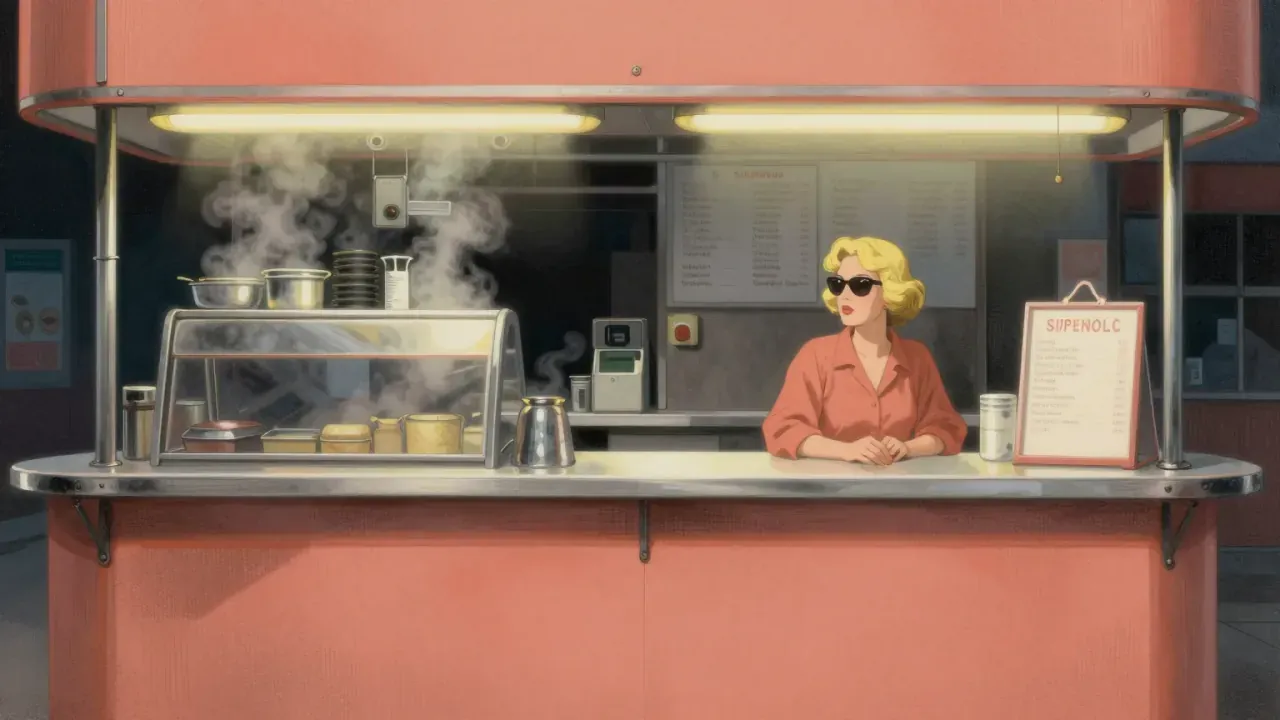
Wong Kar-wai · 1994

Wong Kar-wai's 1994 diptych follows two Hong Kong policemen through separate break-ups, one obsessed with an expiring can of pineapple, the other unknowingly courted by a snack-bar worker who lets herself into his flat. Shot handheld with Christopher Doyle's step-printing technique, it turns a tiny budget and an unfinished script into one of the defining moods of 1990s Hong Kong cinema.