The look of it
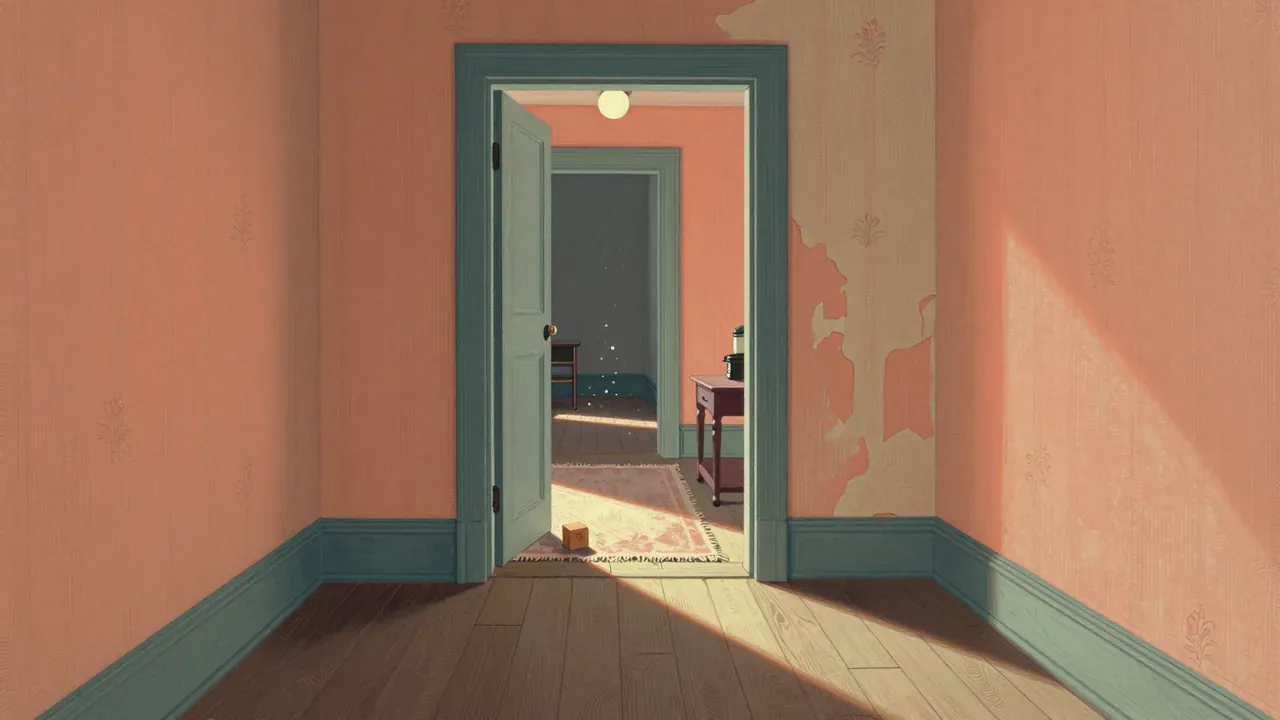
A Taste of Honey is a 1961 British social realist drama, adapted by Shelagh Delaney and Tony Richardson from Delaney’s 1958 play. It sets out to portray working-class life in northern England without condescension or romanticisation — to show Jo, a seventeen-year-old girl in Salford, as neither symbol nor case study but as a person whose intelligence, irritation, and quiet resilience emerge through unembellished action and speech. The film rejects theatrical artifice: interiors were shot on location in Chelsea flats and Salford streets; exteriors in Manchester, Blackpool, and Stockport. Its aim is not exposé but presence — to hold space for characters who were rarely seen on screen at the time: a young Black sailor, a gay man living openly yet precariously, a single mother who is neither villain nor victim, and a daughter who refuses both pity and instruction. It does not argue for change so much as insist on visibility — with no voiceover, no moral framing, no editorialising cutaways. The politics are embedded in where the camera stays, whom it listens to, and how long it waits before cutting.
The shape of it
The story unfolds in episodic, unsentimental strokes: Jo’s displacement, her brief intimacy with Jimmy, Helen’s abandonment, Geoff’s quiet care, and the slow, unceremonious closing-in of poverty and isolation. Rita Tushingham’s performance anchors the film — her Jo speaks little but registers everything: fatigue, irony, suspicion, flickers of tenderness. Murray Melvin’s Geoffrey is precise in gesture and timbre, his kindness never softened into whimsy. Dora Bryan’s Helen is restless and self-aware, her vulgarity edged with exhaustion. Walter Lassally’s cinematography avoids contrast for effect; he uses natural light even indoors, letting shadows pool without drama. Antony Gibbs’ editing favours duration over punctuation — scenes often end not with resolution but with a held silence or a slow pan away. John Addison’s score is present but restrained, its strings and woodwinds used sparingly, more atmosphere than commentary. Richardson directs with a steady hand, avoiding flourish: the Blackpool fairground is shot as lived-in spectacle, not metaphor; the canal-side meetings feel accidental, not fated.
What sticks
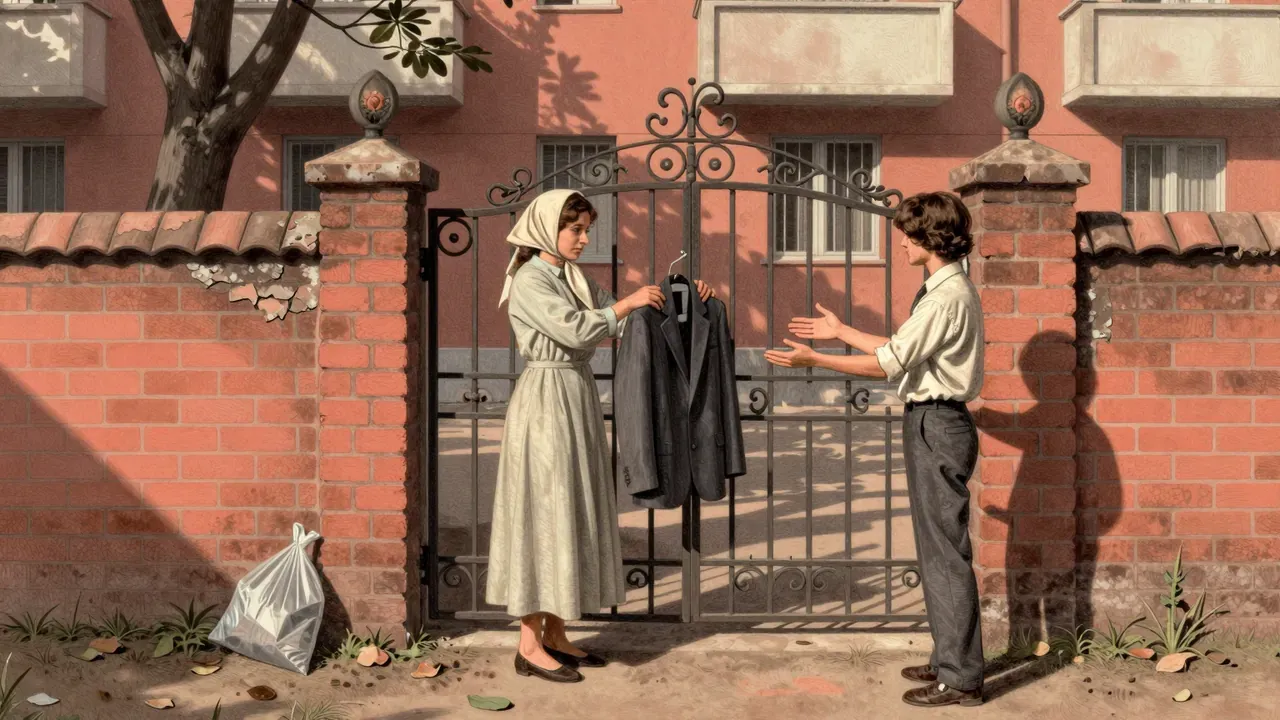
What lands most firmly is the texture of daily survival — the weight of a suitcase carried alone, the way Jo rubs her scraped knee before accepting help, the awkwardness of Geoff folding laundry while Jo stares out the window, the specific sourness of a shared bed that smells of damp wool and cheap soap. The film’s refusal to resolve tension into catharsis gives its emotional moments their force: Jimmy’s departure is shown in long shot, silent except for wind and distant ship horns; Helen’s return on Guy Fawkes Night arrives not with music but with fireworks muffled behind closed windows. The performances land because they avoid emphasis — Tushingham’s stillness reads as thought, not vacancy; Melvin’s nervous blinking reads as vigilance, not weakness. Even minor roles — the landlady’s clipped impatience, the shoe-shop manager’s weary dismissal — feel sourced from observation, not script notes. The film earns its gravity not through plot turns but through accumulation: small choices, repeated silences, the slow erosion of options until what remains is not despair but stubborn continuity.
Where it slips
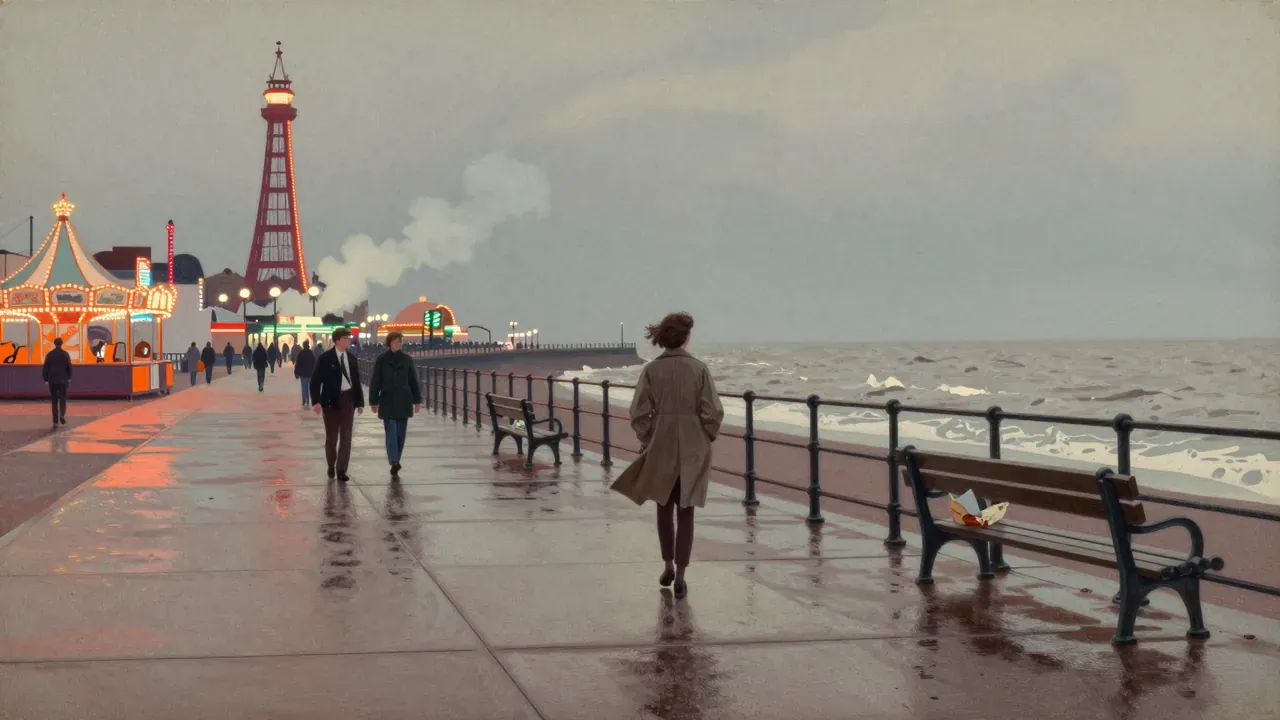
What does not land is the occasional drift into stylisation that contradicts the film’s own grain. A few dissolves linger too long, softening transitions that would have been sharper with straight cuts. Some crowd shots — children playing near the canal, holidaymakers on the Blackpool promenade — feel inserted for local colour rather than narrative function, their energy unmoored from Jo’s perspective. The sailor’s leavetaking is potent precisely because it avoids embellishment, but other moments — particularly early scenes establishing Helen’s volatility — risk caricature through pacing and framing, leaning on Bryan’s broad physicality without giving her enough interior counterpoint. Richardson’s direction, though largely grounded, sometimes defaults to the rhythm of stage blocking, especially in two-shots where characters face each other head-on rather than inhabiting shared space. John Addison’s score, while generally muted, swells at points where the image already carries sufficient weight — a minor but recurring misstep, as if the film doubts its own restraint.
What it’s about
The themes that matter are those anchored in material reality: the instability of housing, the invisibility of care work, the cost of refusing prescribed roles — mother, wife, daughter, heterosexual, employed. Class operates not as backdrop but as infrastructure: rent arrears dictate movement; job loss means eviction; pregnancy means isolation without support. Race and sexuality are treated not as exceptional conditions but as facts of coexistence — Jimmy is a sailor first, a Black man second; Geoff is a student and roommate before he is ‘the homosexual’. The film’s central tension is not between good and bad people but between interdependence and abandonment — Helen chooses Peter over Jo not out of malice but because she has learned that survival requires shedding responsibility. Jo’s pregnancy is not framed as tragedy or redemption but as another condition to be managed, like finding heat in winter or keeping the roof from leaking. The bitterness at the film’s core is not personal but systemic — the quiet certainty that the world offers no safety net, only temporary perches.
Who it’s for
This film is for viewers who value character over plot, texture over exposition, and ambiguity over resolution — particularly those interested in British social history, kitchen-sink realism, or mid-century depictions of marginalised lives. It rewards attention to gesture, silence, and spatial relationships. It is not for viewers who require narrative propulsion, clear moral positions, or stylistic consistency — those who expect every scene to advance a thesis or every performance to signal intention will find it slack or opaque. Some may resist its refusal to offer hope as consolation, or its depiction of poverty without uplift. Those who read ‘realism’ as documentary literalism may object to the heightened dialogue rhythms or the symbolic weight given to objects like the engagement ring on its ribbon. But the film’s power rests precisely in its refusal to simplify — to watch it is to sit with discomfort that does not resolve, and that is its point.
Is it worth your evening
Yes, it is worth your evening — not as entertainment but as encounter. Its ninety-nine minutes pass with the unforced pace of lived time, and its cumulative effect lingers longer than flashier films. It demands nothing beyond patience and willingness to attend to what is shown, not what is explained. Those who find it slow are not wrong — it is deliberately unhurried — but the slowness serves purpose: it mirrors Jo’s constrained agency, the drag of routine, the weight of waiting. To dismiss it as dated is to miss how precisely it diagnoses conditions that persist: housing insecurity, precarious work, the erasure of queer and mixed-race lives from mainstream narratives. Its value lies not in nostalgia but in calibration — it measures where we were, and by extension, where we remain. A viewer who expects catharsis or closure will leave unsatisfied; one who accepts endurance as its own form of resistance will find it quietly galvanising.