filmbriefs
Actor · 1934–2004

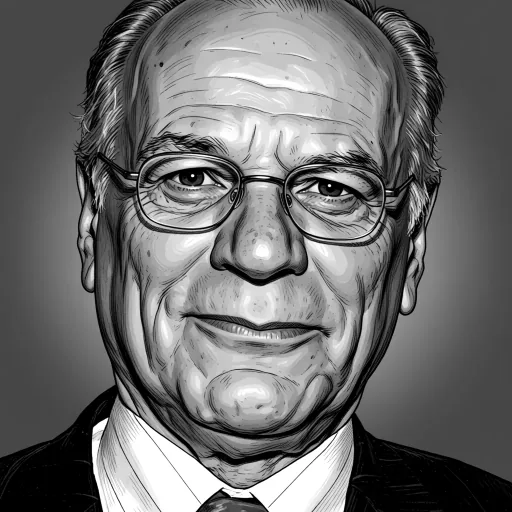
Victor Argo

6
briefs
13:00
average
78 min
in total
On film.briefs6
13:00

Ghost Dog: The Way of the Samurai

Jim Jarmusch · 1999

Ghost Dog: The Way of the Samurai (1999) follows a Black hitman in New Jersey who lives by the samurai code of Hagakure while working for an Italian-American crime family. Directed by Jim Jarmusch and scored by RZA, it unfolds with deliberate stillness, using Robby Müller’s restrained cinematography and Forest Whitaker’s physically precise performance to sustain a world where ritual, silence, and cross-cultural synthesis are structural facts, not themes to be explained.
13:00

Mean Streets

Martin Scorsese · 1973

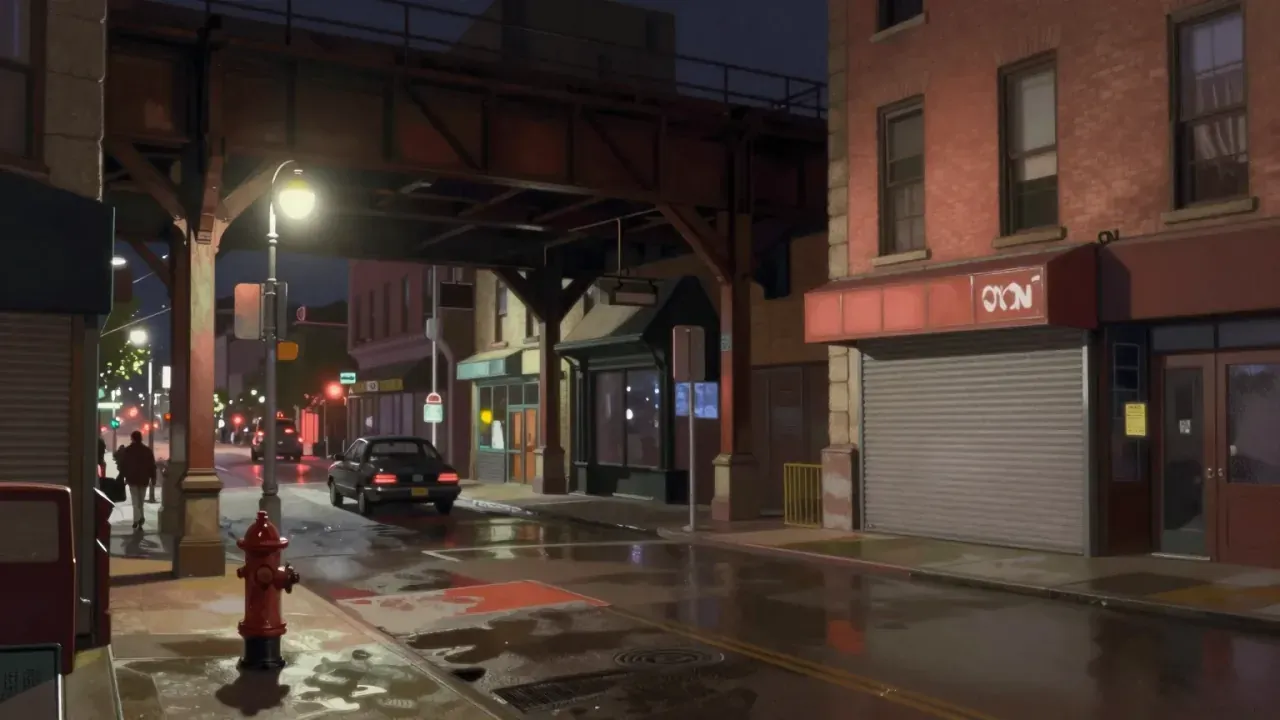
Martin Scorsese’s 1973 breakthrough follows Charlie, a young Italian-American in New York’s Little Italy, torn between Catholic guilt, Mafia duty, and loyalty to his self-destructive friend Johnny Boy. Shot on a $500,000 budget with documentary grit and improvised intensity, it features defining early performances by Harvey Keitel and Robert De Niro. Its moral density, urban texture, and formal daring marked the arrival of a major American filmmaker — and reshaped decades of screen storytelling.

13:00

The Last Temptation of Christ

Martin Scorsese · 1988

Martin Scorsese’s 1988 adaptation of Nikos Kazantzakis’s novel imagines Jesus not as divine certainty but as a man besieged by doubt, desire, and exhaustion. Willem Dafoe stars in a performance defined by physical and vocal restraint, supported by Michael Ballhaus’s muted cinematography and Peter Gabriel’s world-music score. Shot in Morocco on a $7m budget, it avoids spectacle in favour of psychological texture — from the dusty realism of Nazareth to the hallucinatory austerity of the desert. Controversial on release for its humanisation of Christ, it endures as a rare studio film that treats spiritual struggle with existential seriousness, not dogma.

13:00

The Rose

Mark Rydell · 1979

The Rose (1979), directed by Mark Rydell, stars Bette Midler as Mary Rose Foster, a self-destructive rock diva loosely inspired by Janis Joplin. Shot by Vilmos Zsigmond and scored by Paul A. Rothchild, it traces her final months amid touring, addiction, and a fraught relationship with her manager and a soldier-lover. The film avoids biographical literalism in favour of emotional precision, anchoring its drama in Midler’s live performances and the tactile realism of its late-1960s milieu. Nominated for four Academy Awards, it remains a singular entry in the musical-drama canon — unsentimental, unrelenting, and deeply embodied.

13:00

Bad Lieutenant

Abel Ferrara · 1992

Abel Ferrara’s 1992 Bad Lieutenant follows a New York police officer over a single day of spiralling addiction, abuse of power, and spiritual erosion. With Harvey Keitel in a physically uncompromising performance, the film rejects redemption arcs and procedural logic in favour of sustained, unsparing immersion in ethical collapse. Shot on gritty 16mm by Ken Kelsch and scored sparsely by Joe Delia, it treats Catholic iconography and police authority as hollowed-out symbols. Not a thriller, but a forensic study of vacancy wearing a badge.

13:00

Taxi Driver

Martin Scorsese · 1976

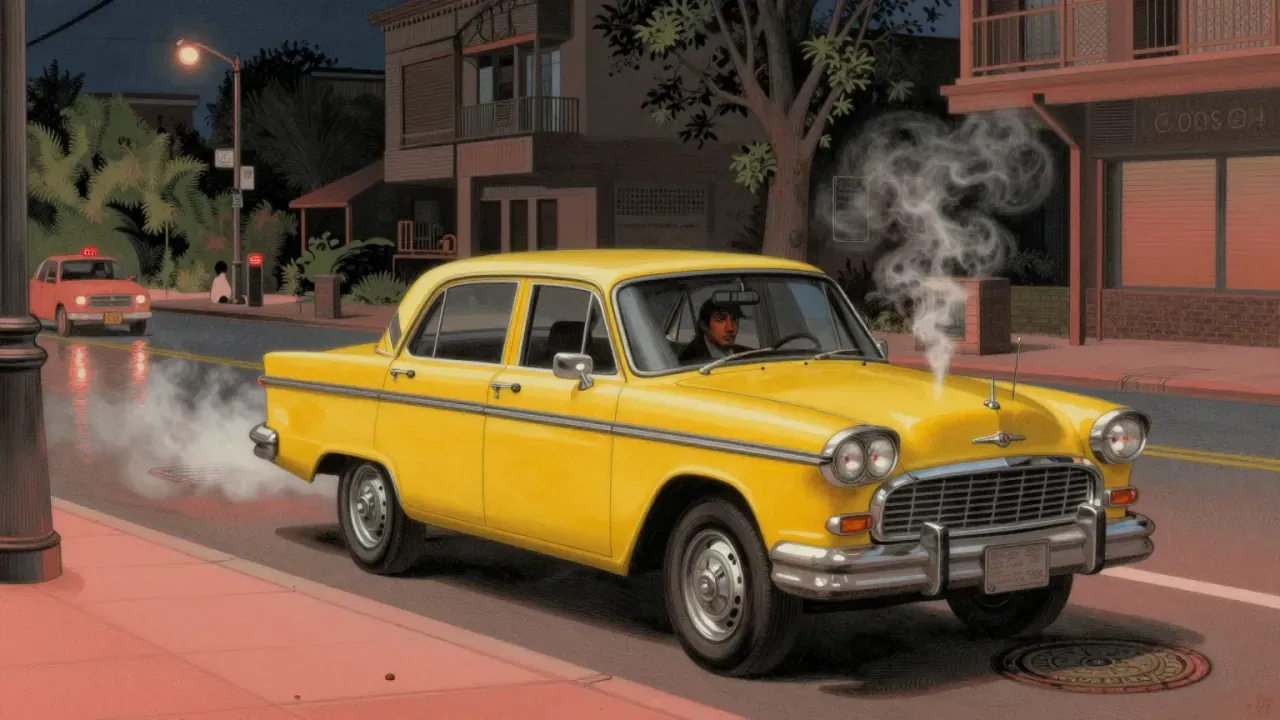
Martin Scorsese's 1976 film follows Travis Bickle, an insomniac Vietnam veteran driving a New York taxi through the city's worst hours, as his isolation and contempt for the people around him build toward an act of violence aimed first at a political candidate and then at the pimp controlling a twelve-year-old sex worker he has taken an interest in. Written by Paul Schrader, shot with a jittery, restless camera, and scored by Bernard Herrmann in the days before his death, the film was made for $1.9 million and returned over $117 million, winning the Palme d'Or and later becoming entangled in real-world controversy after inspiring an actual assassination attempt.