filmbriefs
Director · Screenwriter · Producer

Terrence Malick

6
briefs
13:00
average
78 min
in total
On film.briefs6
13:00

Badlands

Terrence Malick · 1973

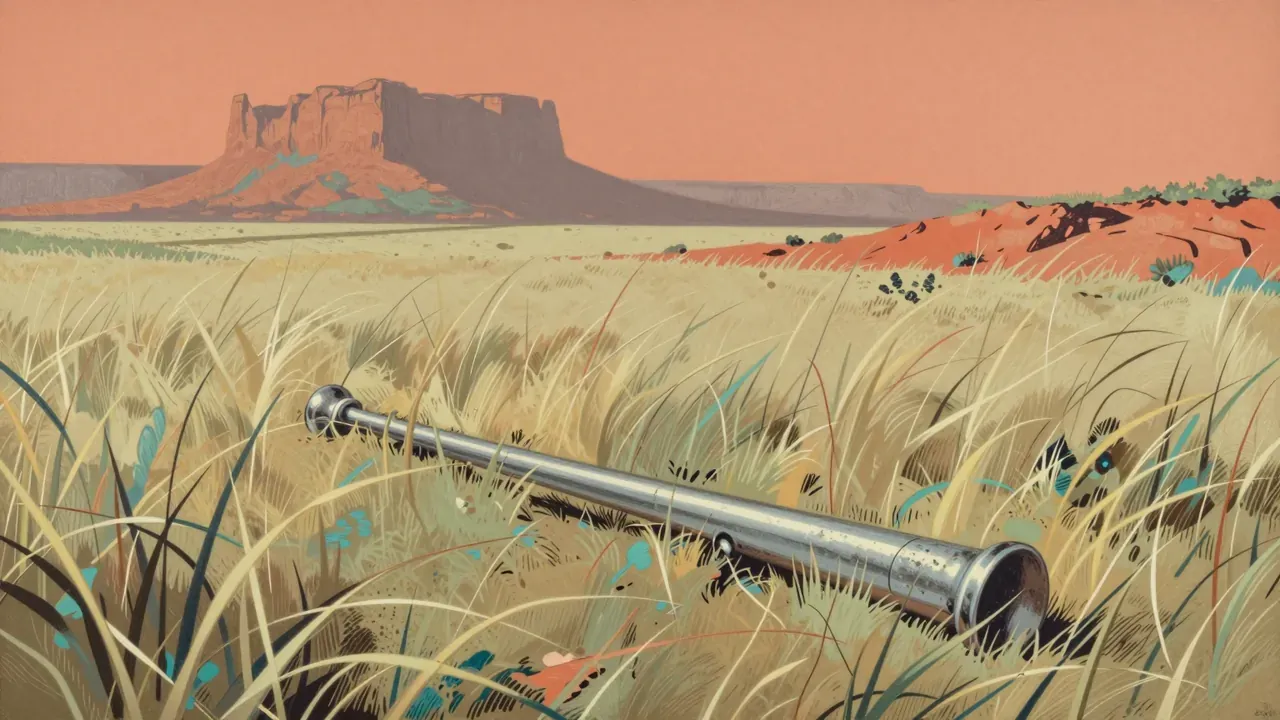
Terrence Malick’s 1973 debut is a stylised, time-suspended retelling of the Starkweather–Fugate killings, starring Martin Sheen and Sissy Spacek. Shot on a $300,000 budget in Colorado, it uses sparse dialogue, hypnotic repetition, and Tak Fujimoto’s flat, wide compositions to construct a fairy-tale logic around murder and flight. Holly’s detached narration, Orff’s Gassenhauer, and the vast, indifferent landscape all serve a single vision: human action as pattern, not pathology.
13:00

Days of Heaven

Terrence Malick · 1978

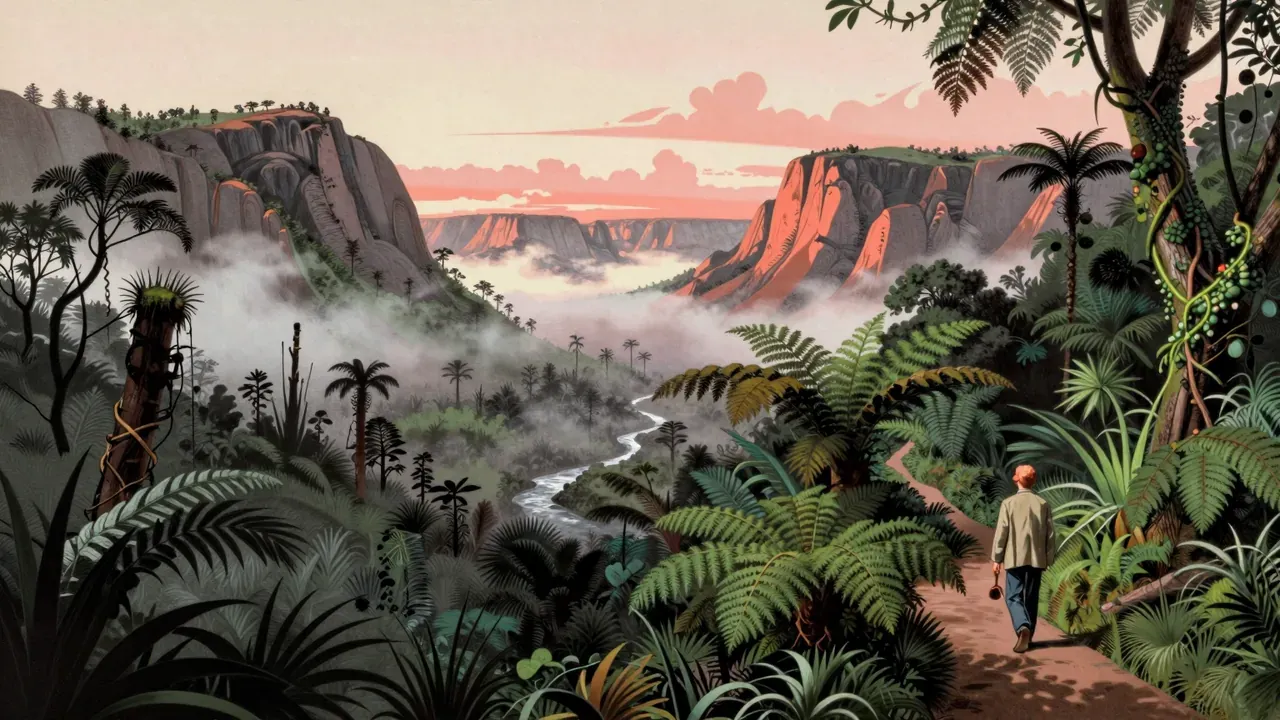
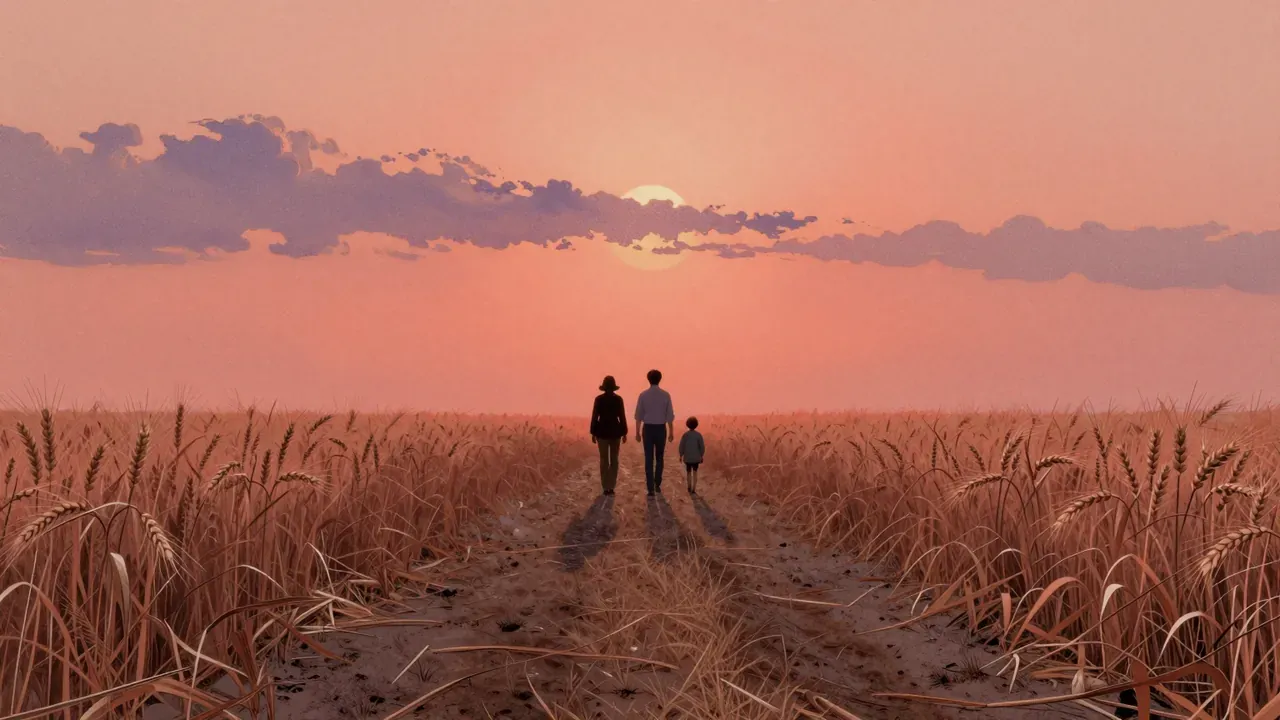
Terrence Malick’s 1978 period drama follows migrant workers in 1916 Texas who entangle themselves in deception and desire on a wealthy farmer’s estate. Shot almost entirely in magic hour by Néstor Almendros, it prioritises image and atmosphere over narrative exposition. Linda Manz’s improvised narration anchors its elliptical structure. Though commercially modest, it won the Academy Award for Best Cinematography and has since been canonised for its painterly realism and meditative pacing.

13:00

Drive, He Said

Jack Nicholson · 1971

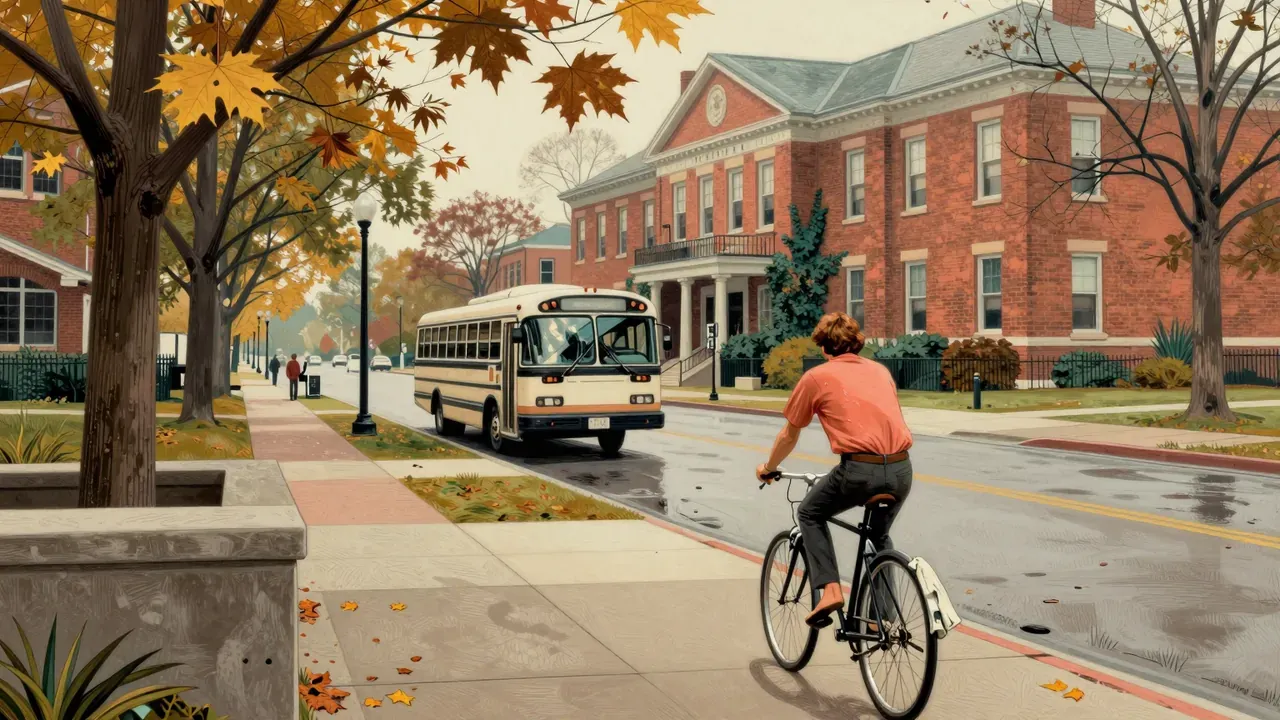
Jack Nicholson’s 1971 directorial debut, adapted from Jeremy Larner’s novel, follows a disillusioned college basketball star navigating affairs, draft anxiety, campus unrest, and a volatile roommate. Shot on location at the University of Oregon, it features committed performances from William Tepper, Karen Black, and Bruce Dern, with cinematography by Bill Butler and a sparse score by David Shire. Though critically divided and commercially obscure, it remains a singular artefact of early-70s American countercinema—uneven, urgent, and uninterested in tidy answers.

13:00

The New World

Terrence Malick · 2006

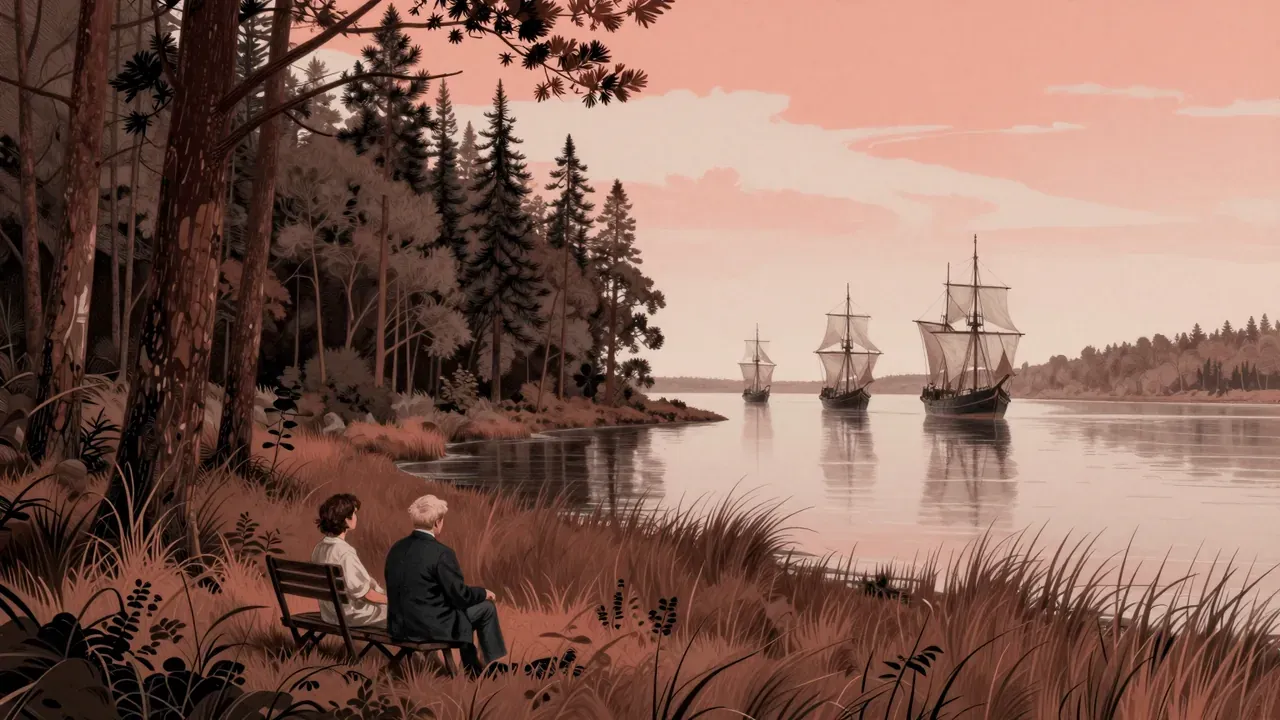
Terrence Malick’s 2006 biographical film follows Pocahontas, John Smith and John Rolfe across the founding of Jamestown, the forests of Tsenacommacah and the courts of Jacobean London. Shot by Emmanuel Lubezki and scored partly by James Horner, it privileges sensory immersion over exposition, using reconstructed Powhatan language, natural light and elliptical editing to evoke the moral and perceptual instability of early colonial encounter. Though its final act falters in narrative cohesion, its sustained tonal discipline and commitment to ambiguity make it a singular achievement in arthouse cinema.

13:00

The Thin Red Line

Terrence Malick · 1998

Terrence Malick’s 1998 return to filmmaking is a philosophical war film set during the Guadalcanal campaign. Eschewing narrative drive and military exposition, it lingers on interior states, natural imagery and fragmented voiceover to ask what war does to consciousness. Shot by John Toll in Queensland and the Solomon Islands, edited to a meditative rhythm and scored by Hans Zimmer, it features a large ensemble cast led by Jim Caviezel and Sean Penn. Though nominated for seven Academy Awards and awarded the Golden Bear, its resistance to convention divides viewers.

13:00

The Tree of Life

Terrence Malick · 2011

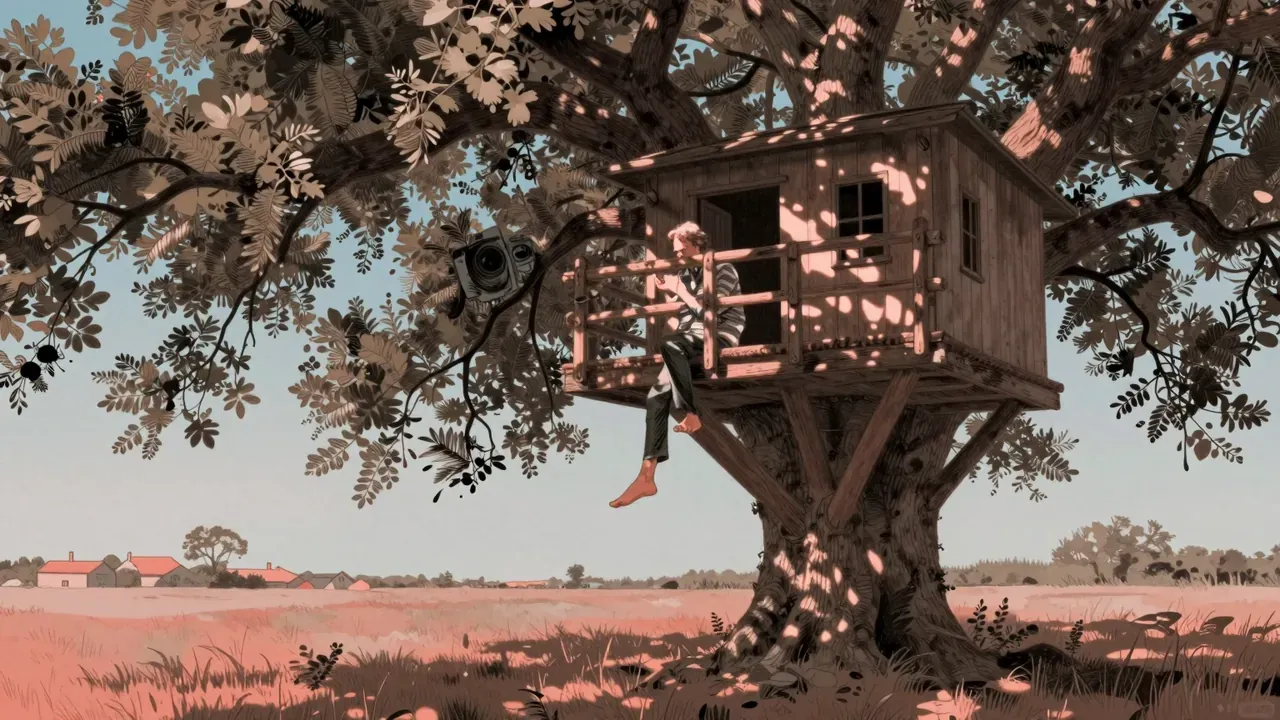
Terrence Malick’s 2011 film interweaves cosmic origins, prehistoric evolution, and a 1950s Texas childhood into a single sensory continuum. Shot by Emmanuel Lubezki and edited from hundreds of hours of footage, it replaces plot with rhythm, dialogue with light, and psychology with presence. Its ambition is ontological: to treat human experience and natural process as variations on the same physical law.