filmbriefs
Actor

Sterling Hayden

4
briefs
13:00
average
52 min
in total
On film.briefs4
13:00

The Asphalt Jungle

John Huston · 1950

John Huston’s 1950 heist film follows a meticulously planned jewel robbery and its unraveling, centred on professionals whose expertise is undone by physiology, chance and debt. Shot by Harold Rosson and scored by Miklós Rózsa, it favours procedural realism over noir stylisation, grounding its characters in economic necessity rather than moral ambiguity. Though commercially modest and initially resisted by MGM, it endures as a benchmark of structural discipline in American crime cinema.
13:00

The Killing

Stanley Kubrick · 1956

Stanley Kubrick’s 1956 heist film follows Johnny Clay’s meticulously planned racetrack robbery, told in fractured chronology and executed with clinical precision. Built on Jim Thompson’s dialogue and Lionel White’s novel, it privileges structure over psychology, showing how small, unscripted human actions — a drunken appearance, a dropped horseshoe, a burst suitcase — derail even the most rigorous plan. With Sterling Hayden, Marie Windsor, and Elisha Cook Jr., it delivers lean, unsentimental noir grounded in craft, not catharsis.

13:00

Dr. Strangelove

Stanley Kubrick · 1964

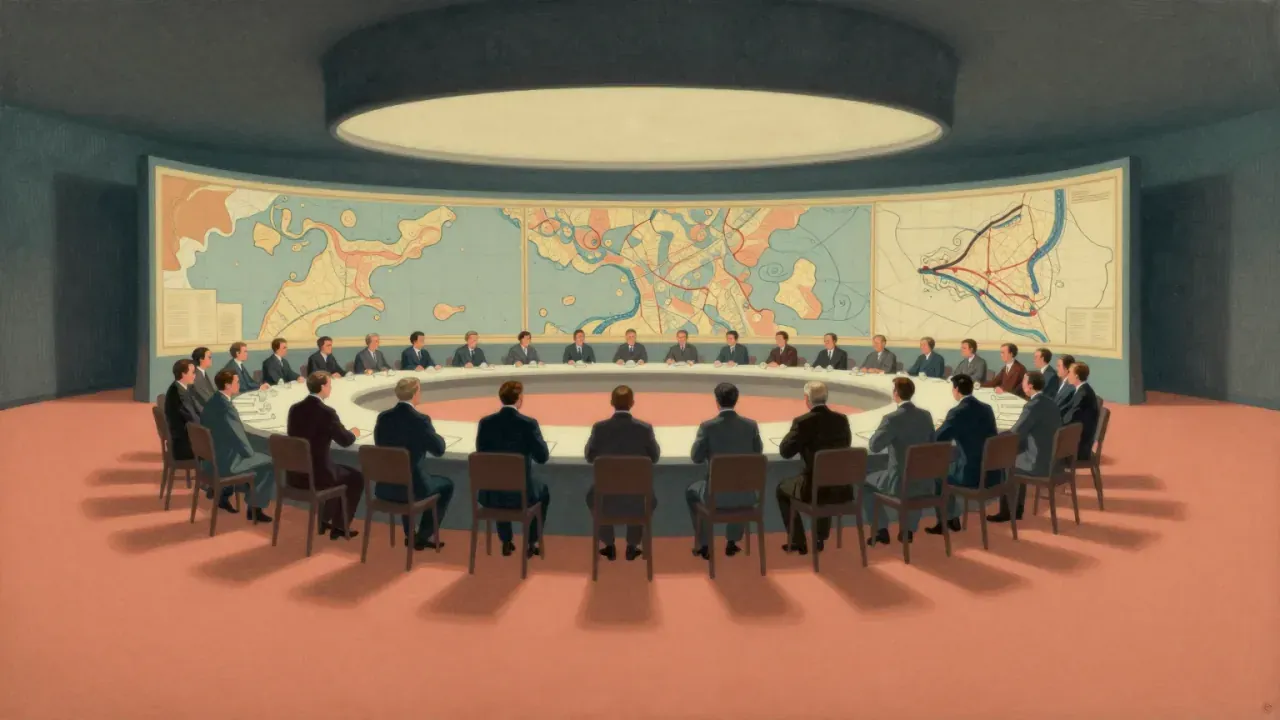
Stanley Kubrick's 1964 black comedy, adapted from Peter George's thriller novel Red Alert, follows a rogue American general's order for a nuclear strike on the Soviet Union and the frantic, mostly useless efforts of the President, his aides and a visiting RAF officer, all three played by Peter Sellers, to call it back. Shot entirely at Shepperton Studios on Ken Adam's cavernous War Room set for $1.8 million, it grossed $9.4 million, won three BAFTAs, and is now ranked among the American Film Institute's greatest and funniest American films.

13:00

The Godfather

Francis Ford Coppola · 1972

Francis Ford Coppola's 1972 adaptation of Mario Puzo's novel follows the Corleone family as the youngest son, Michael, is pulled from war-hero outsider into the head of an organised-crime dynasty. Shot by Gordon Willis in interiors so underlit that faces disappear into shadow, scored by Nino Rota, and built on an ensemble led by Marlon Brando and Al Pacino, it cost Paramount $7 million and returned over $268 million, and swept that year's Best Picture, Best Actor and Best Adapted Screenplay Oscars.