Saved
Composer

Sergei Prokofiev

4
briefs
13:00
average
52 min
in total
On film.briefs4
13:00

Alexander Nevsky

Sergei Eisenstein, Dmitri Vasilyev · 1938

Alexander Nevsky (1938) is a Soviet historical drama directed by Sergei Eisenstein and Dmitri Vasilyev, depicting Prince Alexander’s defeat of the Teutonic Knights in 1242. Shot by Eduard Tisse and scored by Sergei Prokofiev, it uses stylised performances, rigorous montage, and a landmark battle sequence to advance a socialist realist vision of collective defence and principled leadership. Though shaped by Stalin-era constraints — including censorship and allegorical framing — its formal control and thematic cohesion remain potent. It is less a period piece than a functional artefact: history made operational.

13:00

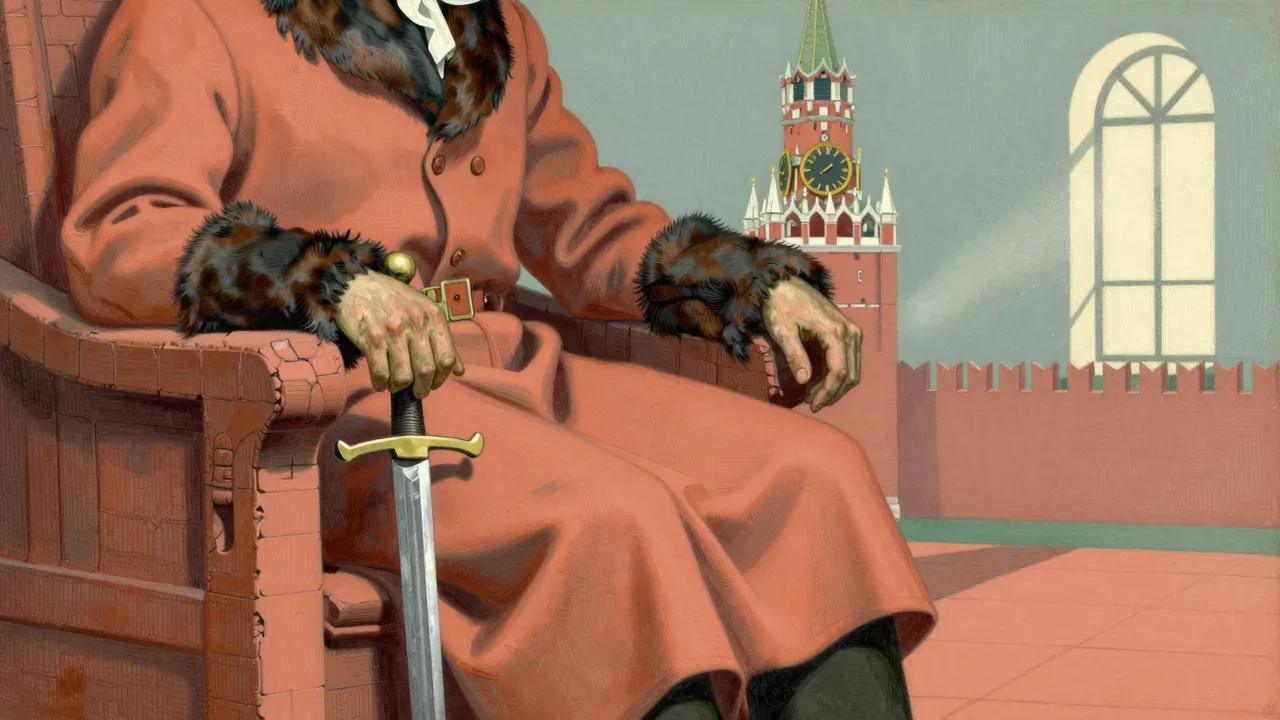
Ivan the Terrible. Part I

Sergei Eisenstein · 1944

Sergei Eisenstein’s 1944 biographical drama Ivan the Terrible, Part I depicts the early reign of Ivan IV of Russia, using stylised imagery, ritualistic performance, and Sergei Prokofiev’s liturgical score to frame autocratic rule as historically necessary and morally grounded. Shot in stark black-and-white with deliberate, iconic compositions, it privileges ideological clarity over psychological realism — a work of Soviet statecraft as much as cinema.

13:00

Ivan the Terrible. Part II

Sergei Eisenstein · 1958

Sergei Eisenstein’s Ivan the Terrible. Part II (1958) is the suppressed second chapter of his biographical project on Ivan IV, completed in 1946 but unreleased until after Stalin’s death. Shot in stark studio sets with chiaroscuro lighting by Moskvin and Tisse, and scored by Prokofiev, it depicts the Tsar’s descent into isolation and the founding of the Oprichnina. Starring Nikolay Cherkasov and Pavel Kadochnikov, it is a formally rigorous, psychologically dense, and politically unsparing work — less historical narrative than dialectical study of how power organises space, time, and the human body.

13:00

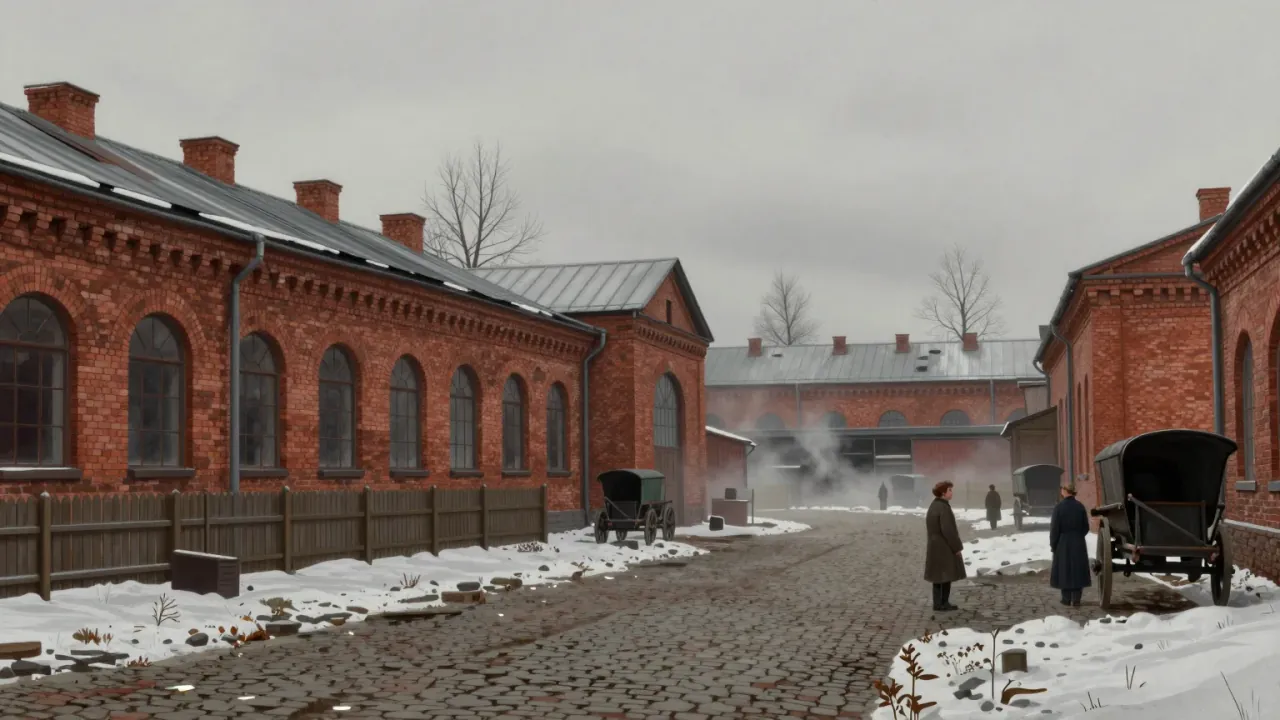
Strike

Sergei Eisenstein · 1925

Sergei Eisenstein’s 1925 debut is a Soviet silent propaganda film depicting a 1903 factory strike. Using rapid montage, symbolic cross-cutting (notably workers and slaughtered cattle), and stylised performances, it advances a Marxist analysis of labour, provocation and state violence. Shot by Eduard Tisse and edited by Eisenstein himself, it prioritises ideological clarity over psychological realism. Though initially confusing to audiences, it is now regarded as a foundational work of avant-garde cinema and a key text in film theory.