filmbriefs
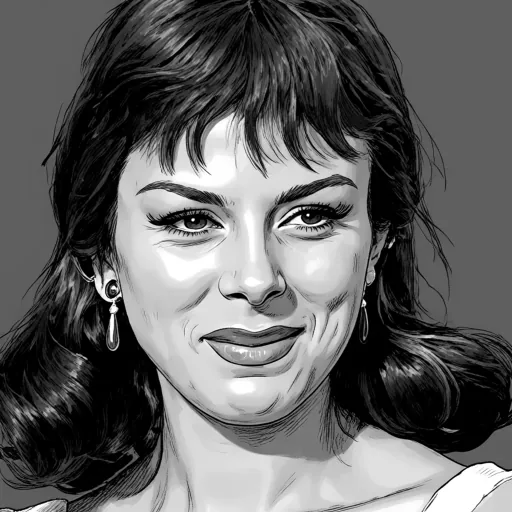
Actor · 1933–2024

Sandra Milo

4
briefs
13:00
average
52 min
in total
On film.briefs4
13:00

Classe tous risques

Claude Sautet · 1960

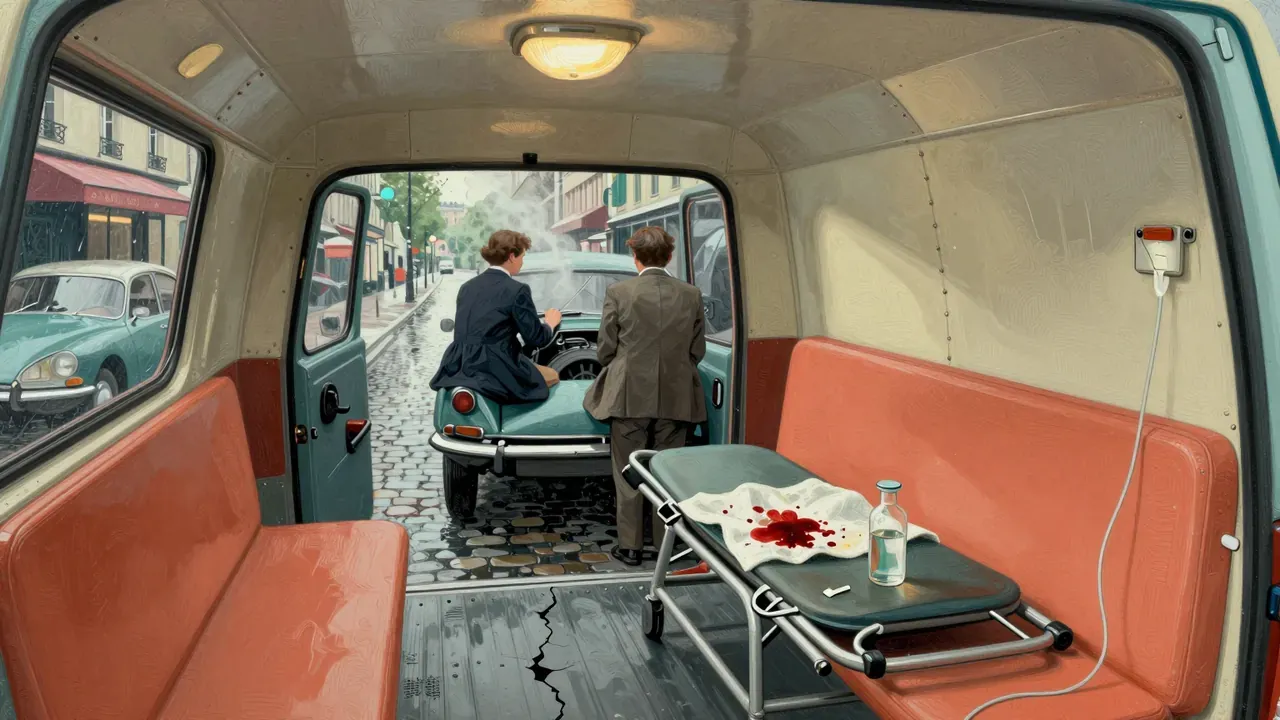
Claude Sautet’s 1960 crime film follows a fugitive gangster who returns to Paris with his sons, seeking help from former associates now settled into bourgeois comfort. As old loyalties fray and new alliances prove fragile, his attempt to secure a future ends in isolation and inevitability. Shot with restraint by Ghislain Cloquet and scored with quiet melancholy by Georges Delerue, it is a study in moral erosion, not spectacle.
13:00

General Della Rovere

Roberto Rossellini · 1959

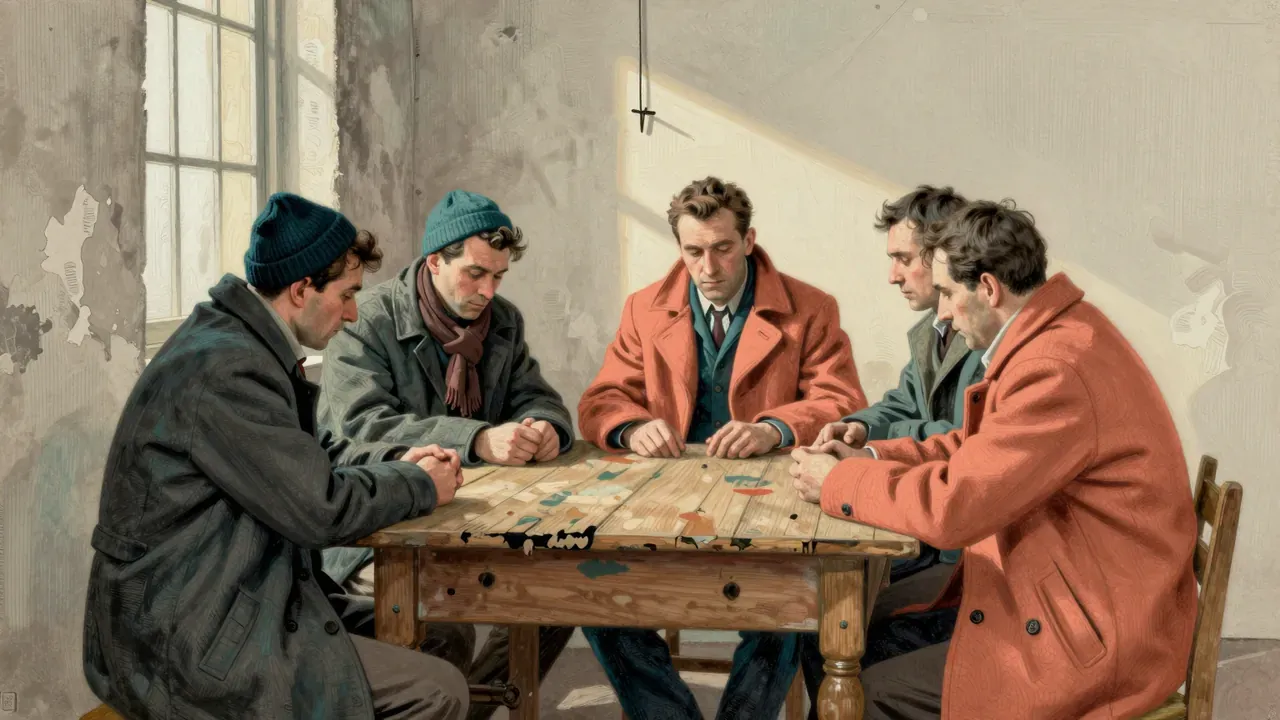
Roberto Rossellini’s 1959 drama follows a conman hired by Nazi occupiers to impersonate a dead Resistance general inside a Milan prison. As he inhabits the role among real prisoners, his performance hardens into conviction — not through revelation, but through repeated, quiet acts of solidarity. Shot in German by Italian filmmakers, with Vittorio De Sica in a career-defining turn, it is a restrained, morally exacting portrait of identity forged in extremity.

13:00

Juliet of the Spirits

Federico Fellini · 1965

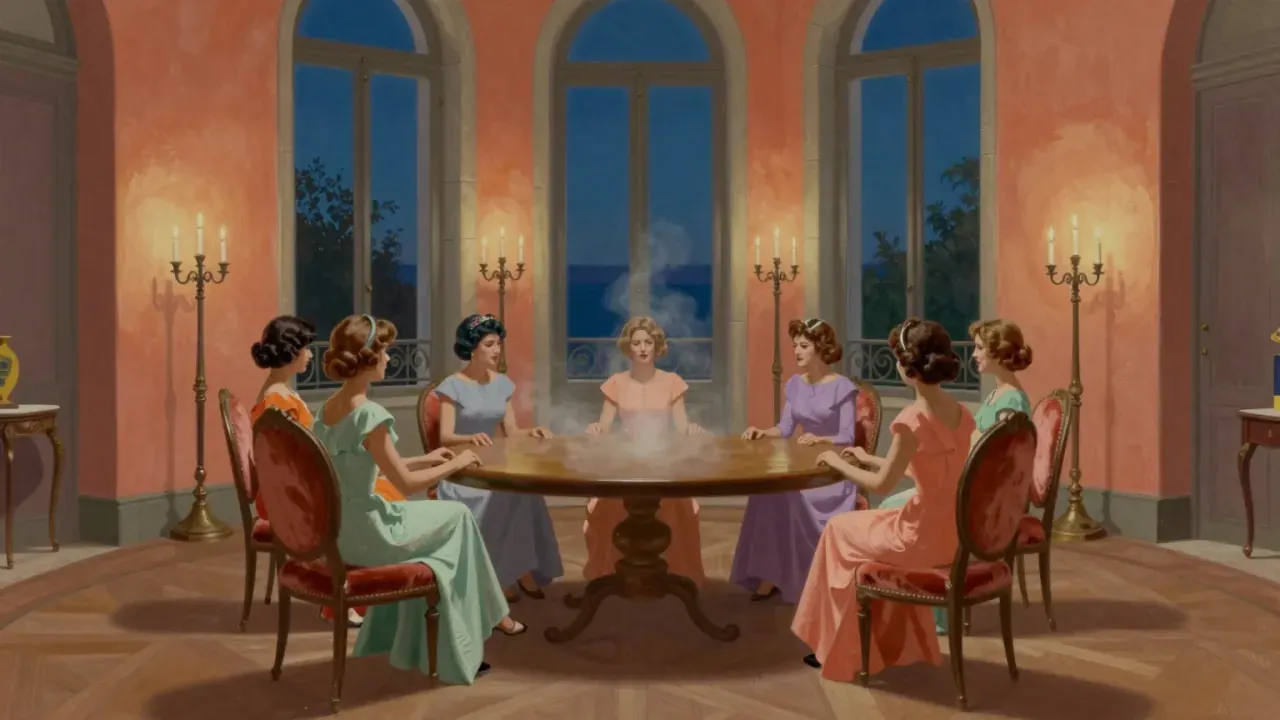
Federico Fellini’s 1965 Juliet of the Spirits is his first feature-length colour film, starring Giulietta Masina as a Roman housewife whose repressed inner life erupts in visions, memories and surreal encounters. Shot at Safa Palatino and Cinecittà Studios, it uses colour, costume and set design as primary tools to map a woman’s slow, non-linear path toward self-perception. Though nominated for two Academy Awards and widely acclaimed abroad, its reception in Italy was divided — some critics finding its baroque surfaces overwhelming its human core.

13:00

8½

Federico Fellini · 1963

Federico Fellini's 1963 film follows Guido Anselmi, a film director retreating to a spa town while his crew waits for a script he cannot write, sliding between the demands of producers, mistresses, his wife and memories of his Catholic childhood without marking the boundary between what is happening and what he is imagining. Shot by Gianni Di Venanzo in high-contrast black and white, scored by Nino Rota, and led by Marcello Mastroianni, the film won two Oscars, for costume design and international feature, and has stood since as one of the most direct portraits of creative paralysis committed to film.